The Enduring Allure of Opor Ayam Kampung Kuah Kuning: A Culinary Deep Dive into Indonesia’s Beloved Dish

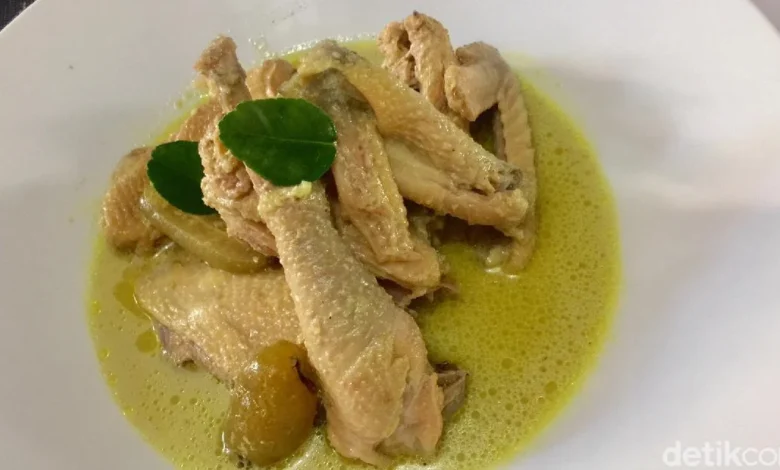
Jakarta – Opor Ayam Kampung Kuah Kuning, a dish deeply ingrained in the culinary fabric of Indonesia, transcends its traditional role as an Eid al-Fitr staple, increasingly finding its place as a cherished everyday home meal. This particular rendition, featuring free-range chicken (ayam kampung) simmered in a rich, savory yellow coconut milk gravy, offers a distinctive flavor profile and texture that sets it apart. While its association with festive celebrations like Lebaran is undeniable, its versatility and comforting appeal make it a perfect candidate for regular family dining. The choice of ayam kampung, celebrated for its leaner meat and more robust flavor compared to conventional broiler chickens, elevates the dish, promising a more authentic and satisfying gastronomic experience.
Cultural Cornerstone: Opor Ayam in Indonesian Heritage
Opor Ayam’s prominence in Indonesian cuisine, particularly during Eid al-Fitr, is not merely a matter of taste but a reflection of profound cultural and social significance. As families gather to mark the end of Ramadan, Opor Ayam, often served alongside ketupat (rice cakes woven in palm leaves), sambal goreng ati (spicy liver and potato stew), and various other festive dishes, symbolizes unity, forgiveness, and new beginnings. The creamy white or yellow gravy of opor is often interpreted as representing purity and a fresh start after a month of spiritual reflection. Historically, dishes like opor were prepared in large quantities to feed extended families and guests, reinforcing communal bonds and hospitality. This tradition continues to thrive, with countless Indonesian households meticulously preparing their family’s cherished opor recipes annually. The act of preparing and sharing this meal becomes a ritual in itself, passing down culinary heritage through generations.
While the general concept of opor ayam is widespread, regional variations abound. The "Kuah Kuning" (yellow gravy) style, typically achieved through the generous use of turmeric, is particularly prevalent in Javanese culinary traditions. In contrast, some regions might favor a "Kuah Putih" (white gravy) opor, which omits turmeric, resulting in a lighter-colored sauce. Each variation, while sharing core ingredients like coconut milk and aromatic spices, offers a subtly different sensory experience, reflecting the rich diversity of Indonesian gastronomy. The Javanese emphasis on a balance of sweet, savory, and aromatic notes often comes through strongly in their yellow opor, creating a complex and deeply satisfying dish.
The Ayam Kampung Advantage: Flavor and Tradition
The insistence on using ayam kampung is a critical element in achieving the authentic taste and texture of this specific opor variant. Ayam kampung, literally translating to "village chicken" or free-range chicken, refers to indigenous breeds typically raised in traditional, often free-roaming environments. This lifestyle results in chickens with firmer, leaner meat and a more developed muscle structure, which translates into a richer, more intense flavor profile. Unlike the faster-growing broiler chickens, ayam kampung takes longer to mature, contributing to its distinct texture that holds up well to slow simmering.
Culinary enthusiasts and traditionalists argue that the nuanced flavor of ayam kampung is essential for dishes like opor, where the chicken itself is a star ingredient rather than just a vehicle for sauce. The meat, though slightly tougher initially, becomes remarkably tender and flavorful after extended cooking in the aromatic coconut milk gravy, absorbing the spices beautifully. Furthermore, there’s a perceived health benefit associated with ayam kampung, often viewed as a more natural and wholesome option due to its diet and active lifestyle. This preference for natural, high-quality ingredients underscores a broader culinary philosophy in Indonesia that values authenticity and traditional methods.
The Art of Preparation: Crafting Opor Ayam Kampung Kuah Kuning
Preparing Opor Ayam Kampung Kuah Kuning is an intricate process that, while requiring patience, is considered relatively easy, earning it a "Mudah" (Easy) difficulty rating. The typical preparation time is around 60 minutes, yielding approximately four servings, making it suitable for a family meal. The heart of the dish lies in its bumbu halus (ground spice paste) and the quality of the coconut milk.
Key Ingredients and Their Roles:
- Ayam Kampung: Approximately 1 kilogram, cut into desired pieces. Its robust flavor is the foundation.
- Santan Kental (Thick Coconut Milk): Essential for the rich, creamy texture and distinct flavor of the gravy. Freshly grated coconut milk is often preferred over canned for superior taste.
- Bumbu Halus (Ground Spice Paste): This is where the "kuah kuning" truly comes alive.
- Bawang Merah (Shallots): Provides a sweet and pungent base.
- Bawang Putih (Garlic): Aromatic and savory.
- Kemiri (Candlenuts): Adds richness, thickens the sauce, and provides a slightly nutty flavor.
- Kunyit (Turmeric): The star ingredient for the yellow color and earthy aroma, also a natural preservative.
- Ketumbar (Coriander): Warm, citrusy notes.
- Jintan (Cumin): Earthy and slightly bitter undertones.
- Jahe (Ginger): Pungent and warming, adds depth.
- Lengkuas (Galangal): Citrusy, piney, and slightly spicy aroma, distinct from ginger.
- Merica (White Pepper): Adds a gentle heat.
- Bumbu Cemplung (Aromatic Additions – Whole Spices): These are added directly to the pot without grinding.
- Sereh (Lemongrass): Citrusy and herbaceous notes.
- Daun Salam (Bay Leaves): Adds a subtle, earthy aroma.
- Daun Jeruk (Kaffir Lime Leaves): Pungent citrus aroma, brightens the dish.
- Garam (Salt) and Gula (Sugar): To balance the flavors.
- Minyak Goreng (Cooking Oil): For sautéing the spice paste.
Chronology of Preparation:
- Chicken Preparation: The ayam kampung is typically cleaned thoroughly. Some cooks might briefly parboil the chicken to remove impurities and make it more tender, though this is optional.
- Spice Paste Preparation: All ingredients for the bumbu halus are ground together until a smooth paste is formed. Traditionally, this is done using a mortar and pestle (cobek ulekan), which some believe yields a superior texture and flavor compared to a food processor, as it releases the essential oils more effectively.
- Sautéing the Spice Paste: In a large pot or wok, the ground spice paste is sautéed in a small amount of cooking oil over medium heat until fragrant and the oil separates from the paste. This crucial step, known as menumis, develops the flavors of the spices and removes any raw taste. The whole aromatic spices (lemongrass, bay leaves, kaffir lime leaves) are added during this stage.
- Adding Chicken and Simmering: The chicken pieces are then added to the pot and stirred to coat them evenly with the spice paste. They are cooked for a few minutes until they change color.
- Introducing Coconut Milk: Gradually, the thick coconut milk is poured in. The mixture is brought to a gentle simmer, stirring occasionally to prevent the coconut milk from curdling.
- Slow Cooking: The opor is then left to simmer over low heat. This slow cooking process is vital for the ayam kampung to become tender and for the flavors to fully meld. This can take anywhere from 30 minutes to an hour or more, depending on the chicken’s size and tenderness. During this time, the sauce thickens and the chicken absorbs the rich flavors.
- Optional Additions: For an enriched meal, many cooks add pre-fried tofu cubes or hard-boiled eggs during the last 15-20 minutes of simmering, allowing them to absorb the delicious gravy.
- Seasoning and Finishing: Salt and sugar are added to taste, adjusting for the perfect balance of savory and subtly sweet.
- Garnishing: The final touch involves a generous sprinkle of crispy fried shallots (bawang goreng). These provide a delightful textural contrast and an additional layer of aromatic flavor, making the dish visually appealing and gastronomically complete.
Supporting Data and Economic Implications
The popularity of Opor Ayam Kampung, particularly during peak seasons, has tangible economic implications. Indonesia’s domestic poultry market, especially for ayam kampung, experiences significant demand fluctuations. Leading up to Eid al-Fitr, the price and demand for ayam kampung typically surge, reflecting its essential role in festive meals. While precise statistics vary, industry reports consistently indicate a substantial increase in ayam kampung sales during this period, often by 30-50% compared to regular months. This demand supports a vast network of small-scale farmers across rural Indonesia, providing a crucial source of income. The market for spices, integral to opor, also sees a boost, benefiting local spice farmers and traders. Indonesia, being a major spice-producing nation, leverages its rich agricultural heritage to supply these essential ingredients.
Furthermore, dishes like Opor Ayam contribute significantly to Indonesia’s burgeoning culinary tourism sector. Food is a powerful cultural ambassador, and traditional dishes attract both domestic and international tourists seeking authentic Indonesian experiences. Restaurants specializing in traditional Indonesian fare often feature opor on their menus, catering to a diverse clientele. The emphasis on home cooking and traditional recipes also strengthens household economies by promoting the purchase of local produce and supporting small businesses within communities.
Expert and Public Perspectives
While direct statements from officials or experts regarding this specific recipe are not available in the original text, logical inferences can be made based on broader culinary trends and cultural values.
Culinary Experts: Renowned Indonesian chefs and food historians consistently advocate for the preservation of traditional recipes. They would likely emphasize the importance of using authentic ingredients like ayam kampung and fresh spices to maintain the integrity of dishes like opor. A hypothetical statement from a prominent Indonesian chef might highlight: "Opor Ayam Kampung Kuah Kuning is more than just food; it’s a narrative of our culture, a testament to our ancestral culinary wisdom. The depth of flavor achieved through slow cooking with ayam kampung and a meticulously prepared bumbu halus is unparalleled and must be cherished."
Home Cooks: The sentiment among Indonesian home cooks is overwhelmingly positive regarding Opor Ayam. It represents comfort, tradition, and family. Many would express pride in their family’s unique recipe, passed down through generations. A typical sentiment might be: "Making opor for Lebaran or even just a regular Sunday lunch fills our home with warmth. It’s a dish that brings everyone to the table, and the satisfaction of seeing family enjoy it is truly special."
Local Farmers/Suppliers: Farmers raising ayam kampung would undoubtedly express optimism about the sustained demand for their produce. They might comment on the challenges and rewards of traditional farming methods. A representative farmer could state: "Our ayam kampung are raised naturally, and while it takes more time and effort, the superior quality is what customers seek, especially for traditional dishes like opor. It’s rewarding to know our chickens are at the heart of so many family meals."
Broader Impact and Implications
The enduring popularity and cultural significance of Opor Ayam Kampung Kuah Kuning extend beyond the kitchen, touching upon several broader societal aspects:
- Cultural Preservation: In an era of rapid globalization and the influx of international cuisines, traditional dishes like Opor Ayam play a vital role in preserving Indonesia’s unique cultural identity. They act as anchors, connecting new generations to their heritage through taste and shared experiences.
- Food Security and Sustainability: The preference for local ingredients, particularly ayam kampung raised by small-scale farmers, aligns with principles of food security and sustainable agricultural practices. It reduces reliance on industrial-scale farming and promotes biodiversity within poultry populations.
- Health and Wellness Trends: With increasing awareness about food origins and health, ayam kampung is often perceived as a healthier, more natural alternative to conventionally raised chicken. This trend resonates with a growing segment of consumers seeking wholesome food options.
- Gastronomic Diplomacy: As Indonesia seeks to promote its rich culture on the global stage, traditional dishes like Opor Ayam serve as powerful tools for gastronomic diplomacy. They offer a tangible, delicious entry point for foreigners to explore Indonesian culture and traditions. Efforts by the Indonesian government and culinary organizations to introduce these dishes internationally contribute to a broader appreciation of the nation’s culinary arts.
In conclusion, Opor Ayam Kampung Kuah Kuning is far more than just a recipe; it is a vibrant testament to Indonesia’s rich cultural heritage, culinary artistry, and communal spirit. Its journey from a mandatory festive dish to a beloved everyday meal underscores its enduring appeal and adaptability. As families continue to gather around tables laden with this aromatic, flavorful dish, the traditions, flavors, and stories embedded within each spoonful ensure that Opor Ayam Kampung Kuah Kuning will remain a cherished cornerstone of Indonesian gastronomy for generations to come.
Related posts: