How to Make Authentic Indonesian Yellow Rice Using a Rice Cooker for Special Occasions and Traditional Ceremonies

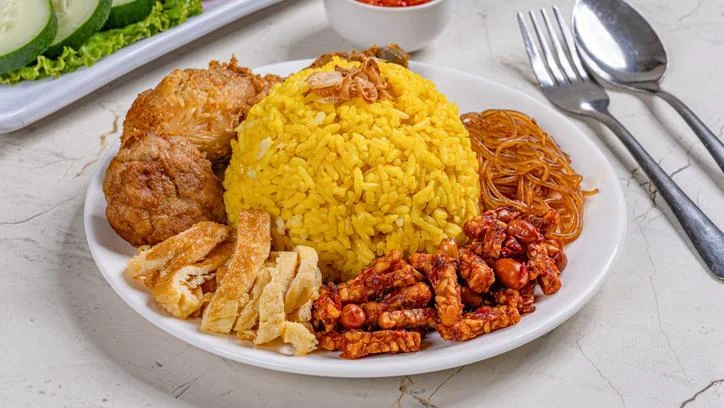
Jakarta — Preparing traditional Indonesian yellow rice, universally known as nasi kuning, has traditionally been viewed as a labor-intensive culinary endeavor requiring specialized kitchen equipment, prolonged preparation periods, and constant supervision over an open flame. However, recent shifts in culinary practices across Indonesian households demonstrate that this iconic dish can be effortlessly replicated at home utilizing standard kitchen appliances such as the modern electric rice cooker. This adaptation preserves the traditional dish’s signature fluffy texture, rich savory flavor, and distinctive aromatic profile while significantly reducing preparation time and technical complexity.
In Indonesian culinary culture, nasi kuning transcends its status as a mere meal, serving as a powerful cultural symbol deeply embedded in archipelago traditions. Characterized by its vibrant golden-yellow hue, the dish has historically represented an expression of gratitude, prosperity, and happiness. Consequently, nasi kuning consistently occupies the center stage as the primary culinary offering during significant life events and ceremonial milestones. Ranging from milestone birthday celebrations and business inaugurations to traditional tumpeng presentations laden with philosophical meaning, the presence of nasi kuning remains ubiquitous across both formal and communal gatherings.
Culinary Profile and Flavor Architecture
The enduring appeal of nasi kuning lies within its complex yet harmonious flavor profile, which masterfully balances savory richness with aromatic complexity. The dish achieves its distinct character through the careful combination of coconut milk, fresh or powdered turmeric, knotted pandan leaves, and bruised lemongrass stalks. When cooked together, these ingredients infuse the individual grains of rice with a golden color and a fragrant bouquet that stimulates the appetite long before the dish is served.
Traditionally, achieving this flavor profile demanded meticulous extraction of fresh coconut milk and the careful grating and straining of raw turmeric rhizomes. Modern home cooks, nevertheless, can successfully streamline this process through strategic ingredient substitutions without compromising the authentic taste. Culinary experts suggest substituting fresh turmeric with high-quality turmeric powder—approximately two teaspoons per standard recipe—to achieve the desired coloration and earthy undertone. Similarly, liquid instant coconut milk can be employed as a convenient alternative to freshly pressed coconut milk, provided it is diluted with water to achieve a medium consistency that mirrors the fat content of fresh alternatives.
Culinary Adaptations for Ceremonial Tumpeng Presentations
For households intending to shape the prepared nasi kuning into a conical tumpeng for ceremonial purposes, specific textural adjustments are necessary to ensure structural stability without sacrificing palatability. Culinary specialists recommend increasing the rice’s cohesiveness by substituting approximately ten percent of the total white rice volume with glutinous rice (beras ketan). This minor adjustment enhances the stickiness of the grains, allowing the cone to maintain its geometric shape when molded.
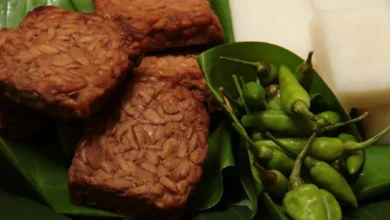
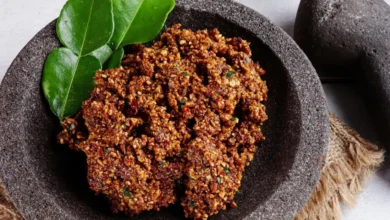
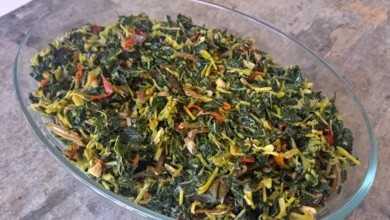
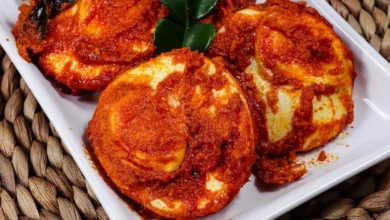
Furthermore, cooks must meticulously adjust the liquid volume of coconut milk and water in direct proportion to the specific variety of rice utilized, as older grains typically absorb significantly more moisture than newly harvested crops. Once cooked and molded, nasi kuning is classically accompanied by a diverse array of complementary side dishes designed to contrast its rich flavor. Standard accompaniments include sweet and spicy tempeh strips (orek tempe), thinly sliced egg omelets (telur dadar), hard-boiled eggs in spicy chili paste (telur balado), stir-fried Javanese rice noodles (bihun goreng), and crispy fried chicken.
Standard Recipe Parameters for Rice Cooker Nasi Kuning
To facilitate home preparation, standardized culinary guidelines have been established for utilizing an electric rice cooker to produce authentic Indonesian yellow rice.
Preparation and Cooking Metrics:
- Total Preparation and Cooking Duration: 30 Minutes
- Difficulty Level: Beginner-Friendly
- Yield: 6 Portions
- Culinary Origin: The Indonesian Archipelago (Nusantara)
- Food Category: Grain-Based Main Course
Historical Evolution of Nasi Kuning in Nusantara Culture
The historical origins of nasi kuning trace back centuries within the maritime trade routes and agricultural societies of the Indonesian archipelago, particularly on the island of Java. Historically, yellow rice was prepared exclusively for royal courts, religious ceremonies, and pivotal life-cycle events such as births, circumcisions, and weddings. The choice of the color yellow was not arbitrary; in Hindu-Buddhist cosmology, which deeply influenced early Indonesian kingdoms, yellow symbolized gold, wealth, and the connection between the mortal realm and the divine.
Over successive generations, the preparation of nasi kuning transitioned from an elite aristocratic ritual into a widespread communal practice embraced by all segments of society. The introduction of the tumpeng—a conical arrangement of nasi kuning surrounded by various protein and vegetable dishes—formalized the dish’s role as a unifying centerpiece. During national independence days, corporate anniversaries, and community inaugurations, the ceremonial cutting of the tumpeng peak remains a formalized ritual symbolizing communal gratitude and shared aspirations for future prosperity.
Socio-Economic Implications of Modern Kitchen Technology
The recent adaptation of traditional recipes for electric rice cookers reflects broader socio-economic shifts within modern Indonesian urban centers. As urban lifestyles become increasingly fast-paced, contemporary families face heightened time constraints that limit their ability to engage in elaborate, multi-hour culinary traditions. The transition of labor-intensive dishes like nasi kuning into simplified, appliance-friendly formats ensures the preservation of culinary heritage amidst modern demographic pressures.
Market analysts and consumer goods researchers note a corresponding surge in the sales of multi-functional kitchen appliances, pre-packaged instant coconut milk, and standardized spice powders. This commercial trend indicates that urban consumers are increasingly prioritizing convenience without being willing to compromise on cultural authenticity and domestic culinary participation. Consequently, food manufacturers and digital content creators have intensified their focus on developing accessible recipes that bridge the gap between ancestral culinary arts and modern technological convenience.
Nutritional Composition and Dietary Considerations
From a nutritional perspective, nasi kuning offers a dense source of macronutrients, primarily carbohydrates derived from white rice and fats supplied by coconut milk. While historically consumed as a celebratory dish rather than a daily staple, understanding its nutritional profile remains essential for health-conscious consumers. Coconut milk provides medium-chain triglycerides (MCTs), which are metabolized rapidly by the human body to supply immediate energy.
Furthermore, the inclusion of turmeric introduces curcumin, a bioactive compound widely recognized in scientific literature for its potent anti-inflammatory and antioxidant properties. Modern nutritional adjustments often involve blending white rice with unpolished brown rice or incorporating whole-grain alternatives to enhance the fiber content of the dish. Such modifications allow individuals with specific dietary requirements, such as those managing blood sugar levels, to continue participating in cultural traditions without adverse health impacts.
Future Outlook on Traditional Culinary Preservation
The successful digitization and simplification of traditional recipes like nasi kuning signify a resilient pathway for cultural preservation in the twenty-first century. By leveraging accessible digital media platforms, culinary educators and home cooks alike can disseminate accurate preparation techniques across geographic and generational divides. As culinary tourism and interest in Southeast Asian gastronomy continue to expand globally, the democratization of traditional Indonesian cooking methods ensures that dishes like nasi kuning will retain their cultural significance and global visibility for generations to come.
Related posts: