The Rise of Wonton Chili Oil: Exploring the Culinary Phenomenon, Cultural Evolution, and a Simple Recipe for Home Cooks

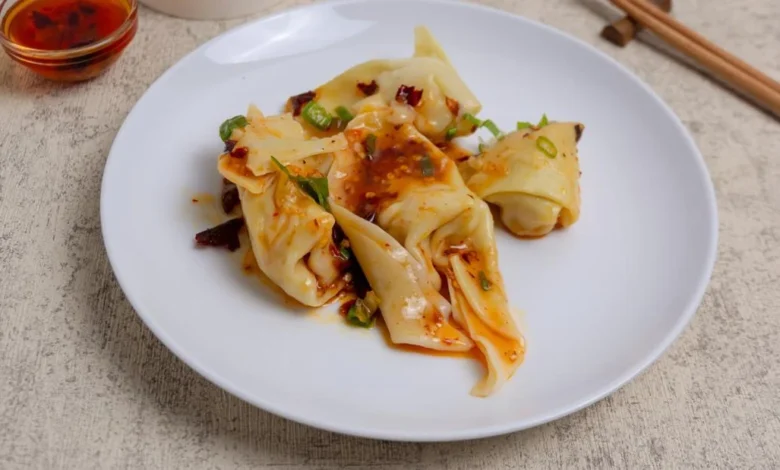
Jakarta’s vibrant and ever-evolving culinary landscape has witnessed a significant surge in the popularity of Asian comfort foods, with spicy, flavorful dumpling variations taking center stage across traditional markets, upscale restaurants, and home kitchens alike. Among the standout favorites capturing the attention of food enthusiasts is the wonton chili oil—a dish that marries the delicate, silky texture of boiled Chinese dumplings with the fiery, aromatic punch of homemade chili oil. As consumers increasingly seek out interactive, bold flavor profiles that offer both comfort and excitement, this versatile dumpling preparation has transitioned from a regional specialty into a mainstream gastronomic trend.
The appeal of the wonton lies fundamentally in its versatility. Whether prepared fried to a golden crunch, submerged in a clear, nourishing chicken broth, or tossed in a vibrant, spiced oil, the dumpling remains a beloved staple. However, the iteration featuring chili oil has managed to carve out a distinct niche. It offers a sophisticated contrast: the wrapper is impeccably tender and smooth, encasing a savory, well-seasoned chicken filling, while the accompanying sauce introduces a complex layer of heat, garlic, and umami. This sensory experience has made wonton chili oil not just a popular restaurant menu item, but a highly sought-after recipe for home cooks aiming to replicate restaurant-quality meals in their own kitchens.
Culinary Roots and Global Evolution
To understand the current fascination with wonton chili oil, one must look at the rich history of wontons within Chinese cuisine. Originating centuries ago, wontons—known by various regional names such as hundun, bianshi, or chao shou in Sichuan cuisine—were traditionally consumed during solstices and festive gatherings. Over generations, the culinary traditions surrounding these delicate dumplings spread far beyond China’s borders, adapting to local palates across Southeast Asia, including Indonesia, Malaysia, and Singapore.
In Indonesia, the adaptation of Chinese comfort foods has a long history, deeply embedded in the nation’s culinary identity through historical migration and cultural exchange. Traditional Indonesian iterations often featured wontons served in piping-hot broth with noodles or meatballs. However, the contemporary wave of globalization, heavily accelerated by social media platforms such as TikTok and Instagram, has introduced a modern twist to traditional preparations. Culinary content creators and food bloggers have popularized the use of homemade chili oils, transforming a simple side dish into the main event.
The fusion of traditional dumpling-making techniques with the bold, customizable nature of chili oil reflects a broader modern trend in gastronomy: the democratization of gourmet cooking. Home cooks are no longer satisfied with pre-packaged, generic sauces; instead, they are investing time in sourcing specific ingredients—such as Sichuan peppercorns, high-grade chili flakes, and aromatic vegetable oils—to craft deeply personal versions of these classic condiments.
Anatomy of a Modern Food Trend: Why Wontons Resonate Today
Market analysts and culinary experts point to several socio-economic and cultural factors driving the popularity of dishes like wonton chili oil. First, the post-pandemic shift in consumer behavior has fundamentally altered dining habits. While dining out remains a cherished social activity, a significant segment of the population continues to hone cooking skills acquired during periods of restriction. Dishes that offer a sense of accomplishment—such as wrapping dumplings from scratch—provide a therapeutic, hands-on activity that appeals to urbanites seeking a creative outlet.
Second, the psychological appeal of spicy food plays a crucial role. Capsaicin, the chemical compound that gives chili peppers their heat, stimulates the release of endorphins and dopamine, creating a sense of pleasure and excitement. In high-stress urban environments like Jakarta, foods that deliver an immediate sensory reward are frequently sought after as accessible forms of affordable luxury and emotional comfort.
Furthermore, the economic efficiency of the dish makes it highly attractive. Utilizing readily available ingredients such as minced chicken, basic aromatics, vegetable oil, and dried chili flakes, home cooks can produce a restaurant-grade meal at a fraction of the cost of dining out. This cost-effectiveness, combined with the perception of freshness derived from making components like chili oil from scratch, aligns perfectly with modern consumer preferences for transparency, control, and value.
The Cultural Impact of Culinary Transparency and Social Media
The proliferation of food-focused content across digital platforms has radically transformed how recipes are shared, tested, and modified. When a food media outlet or independent content creator showcases a preparation like wonton chili oil—often accompanied by dynamic visual storytelling, such as the sizzle of hot oil pouring over a bowl of dried chilies and garlic—it initiates a ripple effect. Viewers are inspired not only to replicate the dish but to document their own culinary experiments, thereby sustaining the trend’s momentum.
Industry observers note that this digital-first approach to food has shortened the lifecycle of culinary trends while deepening their cultural footprint. What might have once taken decades to travel from a regional street-vendor stall in Sichuan to kitchens in Southeast Asia can now achieve viral status globally within a matter of days. As a result, local culinary entrepreneurs in Jakarta have capitalized on this digital demand, launching specialized cloud kitchens and boutique food brands dedicated entirely to artisan dumplings and small-batch chili oils.
Nutritional Considerations and Dietary Adaptability
While wonton chili oil is celebrated primarily for its robust flavor profile, nutritionists and culinary dietitians emphasize its adaptability to various dietary requirements. The traditional filling—typically composed of lean minced chicken and basic seasonings—offers a solid source of high-quality protein with relatively low saturated fat content, provided excessive fatty cuts are avoided.
Moreover, the customizable nature of the dish allows home cooks to modify ingredients to suit specific nutritional needs. For instance, those monitoring their sodium intake can adjust the quantity of soy sauce and salt in the filling, while individuals seeking lower carbohydrate options can experiment with alternative, thinner wrappers or increase the proportion of protein and vegetable fillings. The chili oil component, rich in healthy fats from vegetable oils and antioxidants from garlic and chili peppers, can also be tailored in terms of heat intensity and oil volume.
Detailed Preparation Guide: Crafting Wontons and Chili Oil at Home
For those interested in exploring this culinary trend firsthand, preparing wonton chili oil at home offers a rewarding experience that requires patience, attention to detail, and a reverence for technique. Below is a comprehensive guide detailing the specifications, ingredients, and step-by-step methodology required to produce a balanced, flavorful batch of wonton chili oil in your own kitchen.
Recipe Specifications:
- Preparation and Cooking Duration: 45 minutes
- Difficulty Level: Easy to Moderate
- Yield: 2 Portions
- Culinary Origin: China
- Category: Snack / Appetizer
Essential Ingredients
For the Wonton Filling and Assembly:
- Wonton wrappers (readily available in the refrigerated section of most supermarkets)
- Minced chicken (preferably a mix of breast and thigh meat for optimal texture and moisture)
- Finely minced garlic and scallions
- A dash of sesame oil for aroma
- Soy sauce, white pepper, and a pinch of sugar for seasoning
- A small amount of cornstarch or an egg white to act as a binding agent
For the Homemade Chili Oil:
- High-smoke-point vegetable oil
- Finely minced or crushed garlic
- Chili flakes (coarsely ground dried chilies)
- Fine chili powder (to enhance color and heat distribution)
- A pinch of sugar and salt to balance the flavor profile
- Optional: Sichuan peppercorns for an authentic numbing sensation (ma la)
Step-by-Step Cooking Methodology
-
Preparing the Chili Oil Base: Begin by placing the chili flakes, chili powder, minced garlic, sugar, and salt into a heat-resistant glass or ceramic bowl. The quality of the chili flakes significantly influences the final flavor, so selecting fresh, aromatic dried chilies is recommended.
-
Heating the Oil: In a separate small saucepan, heat the vegetable oil over medium heat until it reaches a high temperature. Care must be taken not to overheat the oil to the point of smoking excessively, as burnt oil will impart a bitter taste to the sauce.
-
Tempering the Spices: Carefully pour the hot oil over the mixture in the bowl. The oil will bubble vigorously as it extracts the essential oils and flavors from the garlic and chilies, releasing a rich, pungent aroma. Stir the mixture thoroughly to ensure even heat distribution and allow the flavors to meld as it cools down to room temperature.
-
Mixing the Wonton Filling: In a medium mixing bowl, combine the minced chicken, minced scallions, sesame oil, soy sauce, white pepper, sugar, and binding agent. Mix vigorously in one direction until the meat mixture becomes cohesive, sticky, and well-aerated, which ensures a tender texture once cooked.
-
Assembling the Wontons: Place a small teaspoon of the chicken filling into the center of each wonton wrapper. Moisten the edges of the wrapper lightly with water using your finger. Fold the wrapper diagonally to form a triangle, pressing the edges to seal securely. Bring the two bottom corners of the triangle together, overlapping them with a dab of water to form the classic ingot or nurse-cap shape associated with traditional wontons.
-
Boiling the Dumplings: Bring a large pot of water to a rolling boil. Drop the assembled wontons gently into the boiling water, stirring softly to prevent them from sticking to the bottom of the pot. Cook until the wontons float to the surface, and continue to boil for an additional two to three minutes to ensure the chicken filling is thoroughly cooked through.
-
Final Presentation: Using a slotted spoon or spider strainer, remove the boiled wontons from the water, allowing excess moisture to drain away. Transfer the warm wontons directly into a serving bowl. Generously spoon the freshly prepared homemade chili oil over the top, tossing gently to coat each dumpling evenly. Garnish with finely chopped fresh scallions or toasted sesame seeds before serving immediately.
Broader Implications and Future Outlook of the Culinary Trend
The sustained popularity of dishes like wonton chili oil underscores a broader shift in consumer behavior toward experiential, globally inspired comfort foods. As culinary boundaries continue to blur and digital platforms facilitate the seamless exchange of recipes across borders, traditional dishes are continuously reinvented to suit contemporary tastes and lifestyles.
For the food and beverage industry in Jakarta and beyond, this trend signals a lucrative opportunity for innovation. Restaurants and cloud kitchens that prioritize quality ingredients, artisanal preparation methods, and customizable flavor profiles are well-positioned to capture the loyalty of modern consumers. Whether enjoyed as a comforting afternoon snack, a light dinner, or a social dining experience shared among friends, the humble wonton—elevated by the bold, fiery complexity of chili oil—demonstrates that traditional culinary arts can continually reinvent themselves to remain relevant in a fast-paced, interconnected world.
Related posts: