The culinary landscape of the 21st century has seen a significant shift toward ingredient-focused, gluten-free baking, and among the most enduringly popular adaptations is the flourless monster cookie. These confections, characterized by their lack of traditional wheat flour, rely on the structural properties of creamy peanut butter and rolled oats to achieve a dense, chewy texture. As public interest in gluten-free dietary options continues to grow—with the global gluten-free market projected to reach approximately $15 billion by 2030—recipes that bridge the gap between traditional comfort food and dietary accessibility have become essential in modern kitchens.
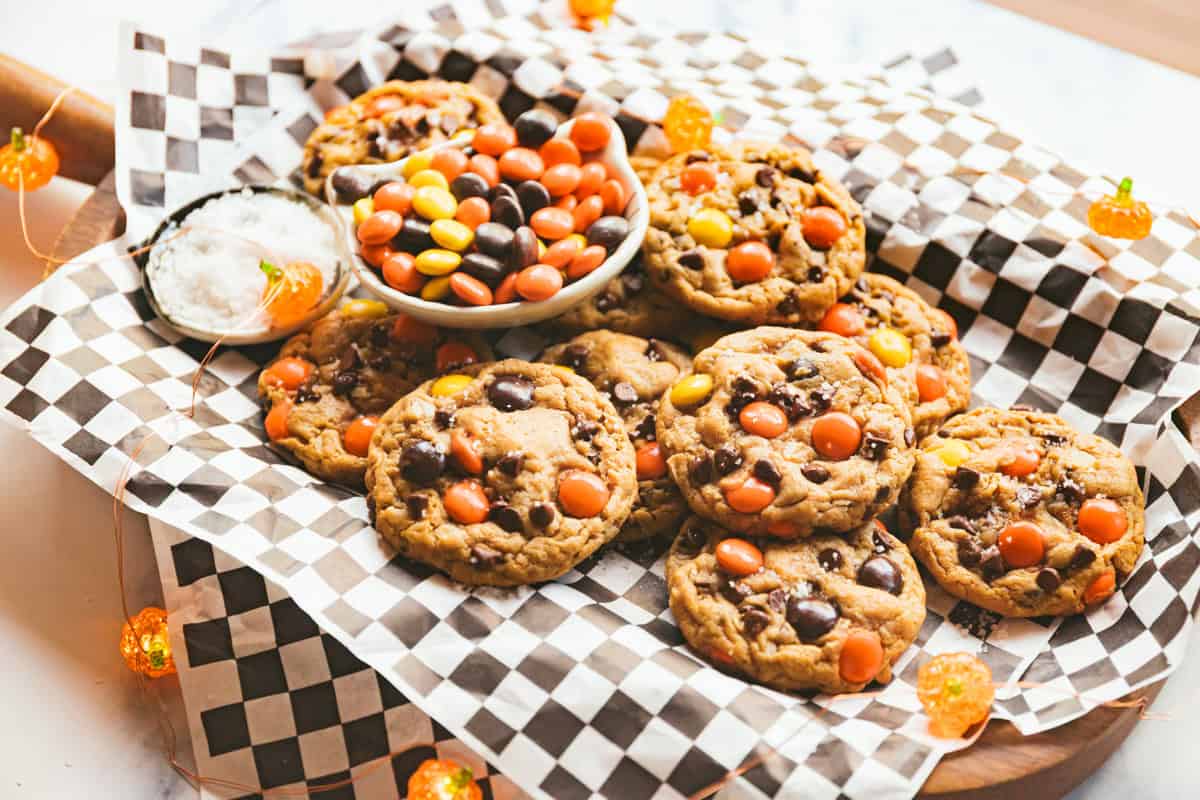
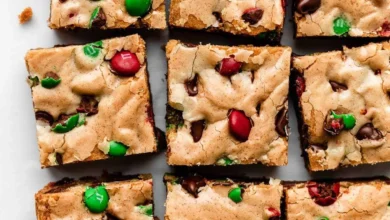
The term "monster cookie" has historically referred to the "everything-but-the-kitchen-sink" philosophy of baking. The moniker implies an abundance of inclusions, typically involving peanut butter, oats, chocolate chips, and candy-coated chocolates. While the origins of the cookie are somewhat obscured by home-baking folklore, food historians often trace the recipe’s widespread popularity to the late 20th century, when convenience baking and high-protein, energy-dense snacks became staples of the American diet.
Structural Chemistry and Ingredient Selection
The chemistry behind a successful flourless cookie is precise. Because the recipe excludes traditional wheat flour, the proteins found in eggs and the natural emulsifiers in commercial peanut butter are the primary binding agents.

Industry standards for home baking emphasize the use of conventional, shelf-stable creamy peanut butter (such as brands like Jif or Skippy) over natural varieties. This is due to the presence of stabilizers in conventional peanut butter that ensure the fat and protein content remain consistent throughout the baking process. Natural peanut butter, which often separates into oil and solid matter, poses a significant risk of causing the cookies to spread excessively or lose their structural integrity in the oven.
The inclusion of old-fashioned rolled oats provides a coarse fiber structure that holds the dough together. When combined with light brown sugar—which introduces moisture through its molasses content—and granulated sugar, the resulting dough develops a crisp, caramelized exterior while maintaining a soft, chewy interior. The addition of baking soda provides the necessary leavening, while a measured amount of kosher salt serves as a flavor enhancer, balancing the sweetness of the chocolate chips and candy inclusions.

Chronology and Preparation Methodology
For professional and home bakers alike, the preparation of these cookies follows a strict sequence to ensure the best results. The process begins with the whisking of eggs, a step that introduces air into the mixture and creates a frothy base. The subsequent incorporation of peanut butter and sugars results in a dense, glossy emulsion.
Following the initial mixture, the addition of oats, baking soda, and salt must be handled with care to ensure even coating. The "monster" element—the addition of mini semisweet chocolate chips and peanut butter-flavored candy pieces—is the final step. Experts in culinary technique recommend a chilling period of at least 20 minutes before baking. This resting phase is critical; it allows the oats to hydrate, absorbing moisture from the eggs and peanut butter. Without this pause, the cookies may spread too thin on the baking sheet.

Baking temperatures typically range between 350°F and 375°F. The most vital aspect of the baking process is the timing. Because these cookies lack flour, they do not undergo the same structural setting as traditional drop cookies. Removing them from the oven while the centers appear slightly underbaked—typically after 10 to 12 minutes—allows the residual heat to finish the cooking process on the pan. This technique, known as carry-over cooking, is responsible for the distinct texture associated with high-quality flourless cookies.
Nutritional and Market Context
From a nutritional standpoint, the flourless monster cookie is often categorized as a high-calorie, energy-dense food. The reliance on peanut butter provides a significant amount of plant-based protein and healthy fats, while the oats contribute complex carbohydrates and dietary fiber. However, the high sugar content—derived from both the sugars used in the dough and the candy inclusions—places these items firmly in the "dessert" category rather than the "nutritional supplement" category, despite their hearty appearance.

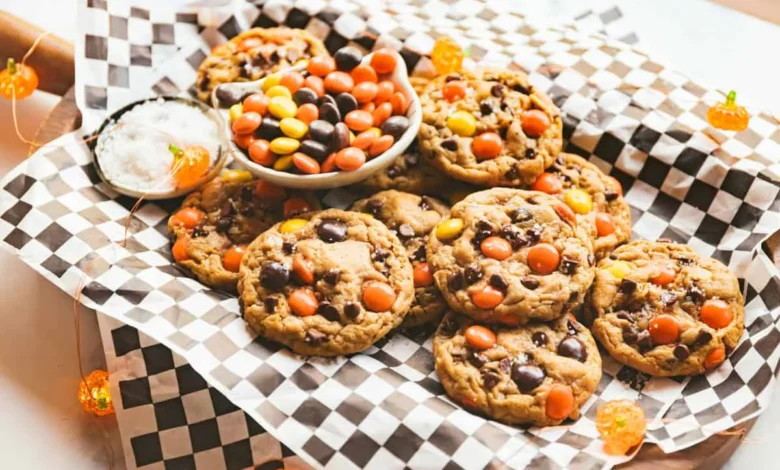
The versatility of the recipe has made it a favorite for seasonal marketing and holiday events. By simply swapping the colors of the candy inclusions—using orange and black for Halloween, red and green for Christmas, or pastels for Easter—the cookie acts as a "blank canvas" for holiday-themed baking. This versatility has been a key factor in the recipe’s longevity, as it allows for minor aesthetic adjustments without requiring changes to the fundamental baking science or ingredient list.
Broader Impact on Home Baking Trends
The rise of the flourless monster cookie reflects a broader trend in the culinary world: the democratization of gluten-free baking. In the past, gluten-free recipes were often viewed as "alternative" or specialized, frequently requiring expensive, difficult-to-source flours like almond or coconut. The flourless monster cookie, by contrast, relies on pantry staples found in nearly every supermarket, effectively lowering the barrier to entry for consumers with celiac disease or gluten sensitivities.

Furthermore, the "one-bowl" method of preparation appeals to a demographic of time-constrained home cooks. By minimizing the number of dishes used, the recipe aligns with modern kitchen efficiency trends. According to recent data from consumer culinary surveys, recipes that reduce prep time by more than 20% while maintaining a high perceived value are significantly more likely to be saved and shared on digital platforms.
Expert Analysis and Future Outlook
Food scientists note that as consumer awareness regarding food processing continues to climb, the shift toward simple, recognizable ingredients—such as oats, peanut butter, and eggs—is expected to gain momentum. The flourless monster cookie is a prime example of a "clean label" approach to indulgence.

Looking forward, the potential for innovation within this specific recipe niche remains high. There is growing interest in substituting traditional chocolate chips with lower-sugar or dairy-free alternatives, as well as incorporating ancient grains or seeds to further increase the nutritional profile of the cookie. While the core recipe remains anchored in tradition, its ability to adapt to changing dietary preferences suggests that it will remain a staple in the American dessert repertoire for years to come.
Ultimately, the enduring appeal of the monster cookie lies in its balance. It is a confection that satisfies the psychological need for comfort through its nostalgic, candy-laden profile, while simultaneously satisfying the practical needs of the modern, gluten-conscious consumer. Whether served with a glass of milk or packaged for a holiday gift, its structural reliability and consistent texture make it a standard-bearer for flourless baking techniques. As the industry continues to evolve, the principles established by this simple, hearty, and intentionally excessive cookie will continue to influence how we approach the intersection of flavor, accessibility, and classic home baking.