Raspberry Honey Chantilly Cake: A Culinary Deep Dive into the Evolution of Modern Celebration Baking


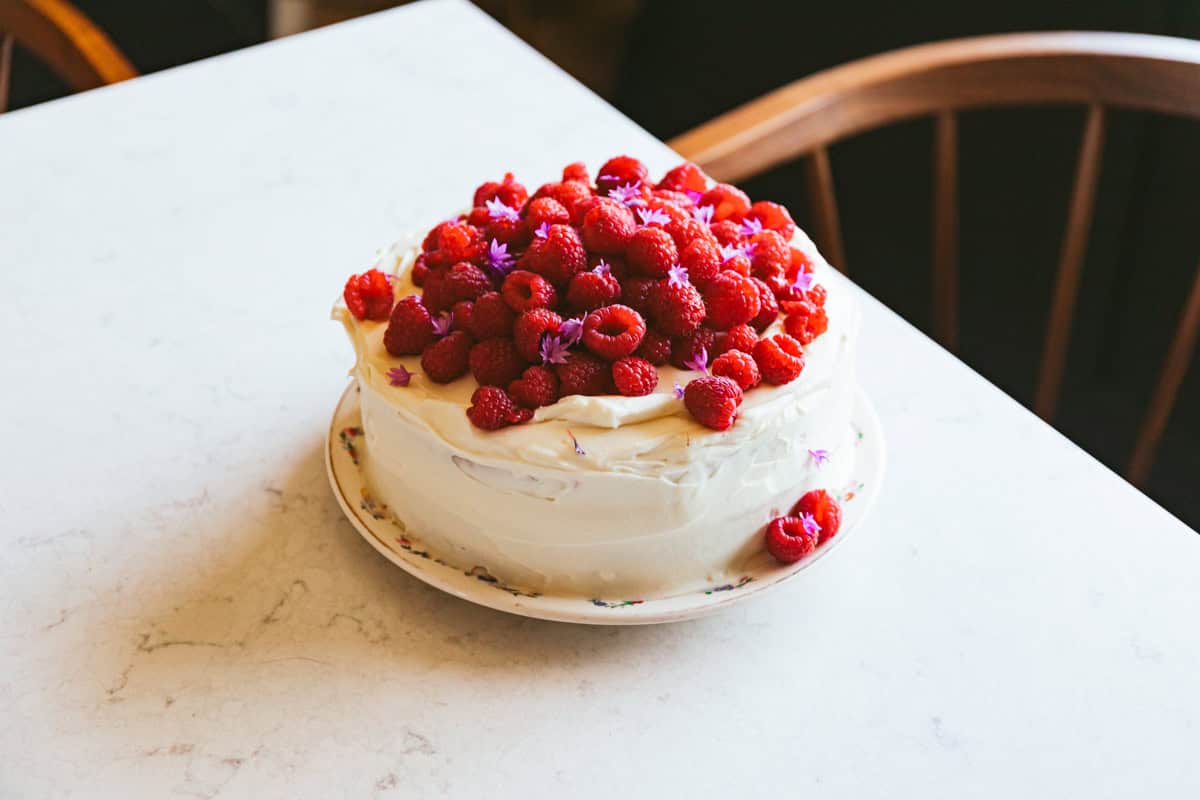
The evolution of contemporary baking has seen a significant shift toward desserts that prioritize textural complexity and the integration of fresh, seasonal produce over the traditional heavy, butter-cream-laden sponges of the mid-20th century. A prime example of this transition is the emergence of the Raspberry Honey Chantilly Cake, a three-layered confection that has recently gained traction in professional and home kitchens alike. This specific dessert represents a sophisticated synthesis of European-style pastry techniques and modern American preferences for lighter, fruit-forward flavor profiles. By examining the components of this cake—specifically the use of a honeyed milk soak and a hybrid mascarpone-cream cheese frosting—culinary analysts can observe a broader trend in the baking industry: the rejection of cloying sweetness in favor of balanced, nuanced flavor architecture.
Historical Context and Culinary Evolution
The term "Chantilly" refers to a classic French preparation of whipped cream, typically sweetened with sugar and flavored with vanilla. Historically, Chantilly cream was a staple of French patisserie, often used to garnish delicate pastries or as a filling for choux buns. The modern American iteration, which incorporates cream cheese and mascarpone, represents a "stability upgrade." Traditional Chantilly cream is highly perishable and lacks the structural integrity required for high-stack, multi-layer cakes.
By introducing cream cheese and mascarpone, bakers have created a "stabilized" Chantilly that retains the airy, cloud-like mouthfeel of the original while gaining the structural strength necessary for modern cake design. This innovation reflects a timeline of culinary development that began in the early 2000s, as bakers sought ways to combine the visual grandeur of American layer cakes with the refined, less-sugary profiles of European desserts. The addition of a honey-based soak further characterizes this shift, as honey acts not only as a sweetener but as a hygroscopic agent, ensuring the sponge remains moist for extended periods—a crucial requirement for cakes that are assembled and chilled before service.

Technical Composition and Ingredient Analysis
The architectural integrity of the Raspberry Honey Chantilly Cake relies on a precise balance of fats and proteins. The cake layers utilize a combination of unsalted butter and neutral oil, such as avocado oil. From a biochemical perspective, this dual-fat approach is significant. Butter provides the primary flavor profile and creates a tender crumb through the incorporation of air during the creaming process, while the neutral oil ensures that the crumb remains "plush" and moist even after refrigeration, as oil remains liquid at temperatures where butter would solidify.
The soaking syrup—a simple emulsion of whole milk and honey—serves as the primary mechanism for flavor distribution. The glucose and fructose present in honey contribute to the Maillard reaction during baking, but when used as a soak, they serve to soften the cellular structure of the flour-based crumb. This is followed by a thin application of raspberry preserves. Using seedless preserves provides a concentrated burst of pectin-set fruit flavor that acts as a moisture barrier between the cake and the frosting, preventing the latter from compromising the structural integrity of the sponge.

The frosting itself is the defining feature of this dessert. The ratio of mascarpone to cream cheese is critical; mascarpone provides the luxurious, velvety mouthfeel, while the cream cheese provides a slight acidic tang that cuts through the richness of the heavy cream. Almond extract, used in minimal quantities, is a classic pairing with stone fruits and berries, as it contains benzaldehyde, a compound that enhances the perception of fruitiness in raspberries.
The Role of Fresh Produce in Modern Baking
In the current gastronomic climate, the inclusion of fresh, raw fruit—specifically raspberries—is not merely an aesthetic choice but a functional one. The tart, acidic profile of fresh raspberries provides the necessary palate cleansing required when consuming a rich, dairy-heavy cake. Culinary experts have noted that the "pop" of a raw berry provides a textural contrast to the soft crumb and the smooth, whipped texture of the frosting.

Data from the recent surge in "celebration baking" trends suggests that consumers are increasingly favoring desserts that feel "homemade" and "wild" rather than mass-produced and overly geometric. This preference has led to a rise in popularity for cakes that prioritize visible fruit layers and "swoopy," unrefined frosting applications. This aesthetic, often termed "rustic elegance," signals a rejection of the high-precision fondant work that dominated the industry in the 2010s.
Chronology of Assembly and Preparation
For professional pastry chefs and home bakers, the assembly of this cake follows a strict chronological order designed to maximize the shelf-life and stability of the product. The process typically spans two days to allow for proper chilling:

- Phase 1 (Day 1): The production of the three cake layers. These must be baked and cooled completely. Rapid cooling is discouraged to prevent moisture loss.
- Phase 2 (Day 1): The preparation of the soak and the frosting. The frosting, which relies on the stability of whipped heavy cream and chilled cheeses, must be prepared just before assembly to ensure the air bubbles remain intact.
- Phase 3 (Day 2): The assembly. The layers are brushed with the honey-milk syrup. The jam is applied as a "glue." The Chantilly cream is then applied in layers, with fresh raspberries pressed into the cream. This ensures that the berries are encased, which prevents them from rolling or destabilizing the structure.
- Phase 4 (Storage): The cake must be refrigerated for at least four hours to allow the soak to distribute evenly throughout the crumb and for the frosting to set.
Economic and Industry Implications
The rise of cakes like the Raspberry Honey Chantilly has direct implications for the commercial bakery sector. As supply chain costs for high-quality mascarpone and fresh berries remain elevated, the pricing of such items in high-end bakeries has seen an upward trend. Furthermore, the reliance on fresh, highly perishable ingredients means that bakeries must adopt a "just-in-time" production model, which increases labor costs but reduces waste compared to cakes that rely on shelf-stable, synthetic buttercream.
From an environmental standpoint, the move toward using fresh, seasonal fruit reflects a growing consumer demand for ingredients with shorter supply chains. While the production of dairy (butter, milk, cream, cheese) remains a significant carbon contributor in the food industry, the shift toward higher-quality, locally sourced ingredients is a trend that many industry analysts expect to continue as climate awareness influences consumer purchasing power.

Conclusion and Future Outlook
The Raspberry Honey Chantilly Cake is more than a fleeting food trend; it is a synthesis of modern scientific understanding of texture and flavor balance. By prioritizing high-quality fats, natural sweeteners, and fresh produce, the baking industry is moving toward a more sustainable and palate-conscious future. As bakers continue to refine the ratio of mascarpone to cream and experiment with different fruit-syrup pairings, it is likely that the "Chantilly style" of cake will remain a permanent fixture in the repertoire of celebratory desserts. For the home baker, the recipe offers a lesson in the importance of temperature control and the benefits of a well-applied soak, demonstrating that the most successful desserts are often those that balance structural stability with a light, airy, and nuanced flavor profile. As we look toward the future of pastry, the emphasis will undoubtedly remain on the interplay between the "springy" crumb and the "swoopy," cloud-like frosting that defines this contemporary classic.