California Factory Farms and the Dangerous Illusion of Carbon-Negative Gas

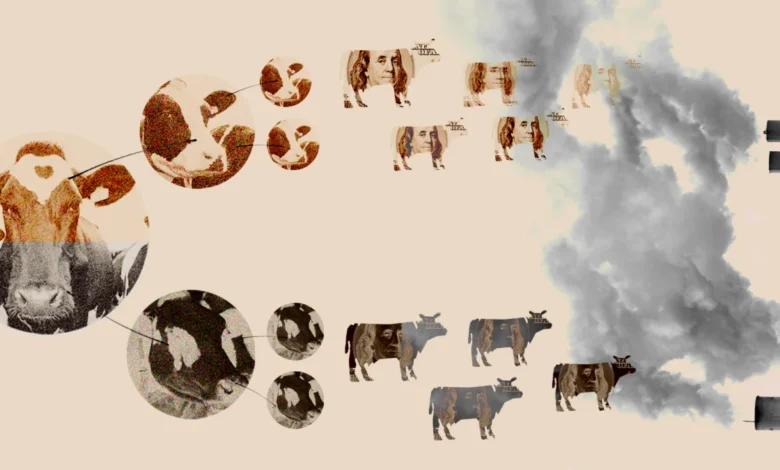
California stands at the forefront of the global climate movement, boasting aggressive legislative mandates designed to slash greenhouse gas emissions and transition the state toward a carbon-neutral economy. Among its most ambitious targets is a mandate to cut livestock-related methane emissions by 40 percent below 2013 levels by the end of the decade. To achieve this, the state has funneled tens of millions of dollars into agricultural subsidies, heavily encouraging the dairy industry to install massive methane digesters. These tall, silo-like structures capture harmful greenhouse gases bubbling up from open-air manure lagoons before they can escape into the atmosphere.
However, a complex web of overlapping regulatory frameworks and accounting practices has created a deeply controversial phenomenon: the state is crediting the exact same emissions reductions multiple times. By treating factory farm gas systems as devices that effectively pull carbon directly out of the air, California regulators have inadvertently established a system of institutional double counting. This practice threatens to overstate the state’s actual progress in combating climate change, blur the lines of corporate accountability, and create perverse financial incentives that could inadvertently encourage the generation of even more agricultural waste.
The Mechanics of Methane Capture and Regulatory Overlap
Dairy operations are notorious contributors to climate change. Every year, massive industrial dairy farms across regions like the San Joaquin Valley emit hundreds of thousands of tons of methane—a greenhouse gas roughly 28 to 36 times more potent than carbon dioxide over a 100-year timescale, and significantly more destructive in the short term. When manure pools in large open-air lagoons, anaerobic bacteria break down organic matter, releasing massive plumes of methane directly into the atmosphere.
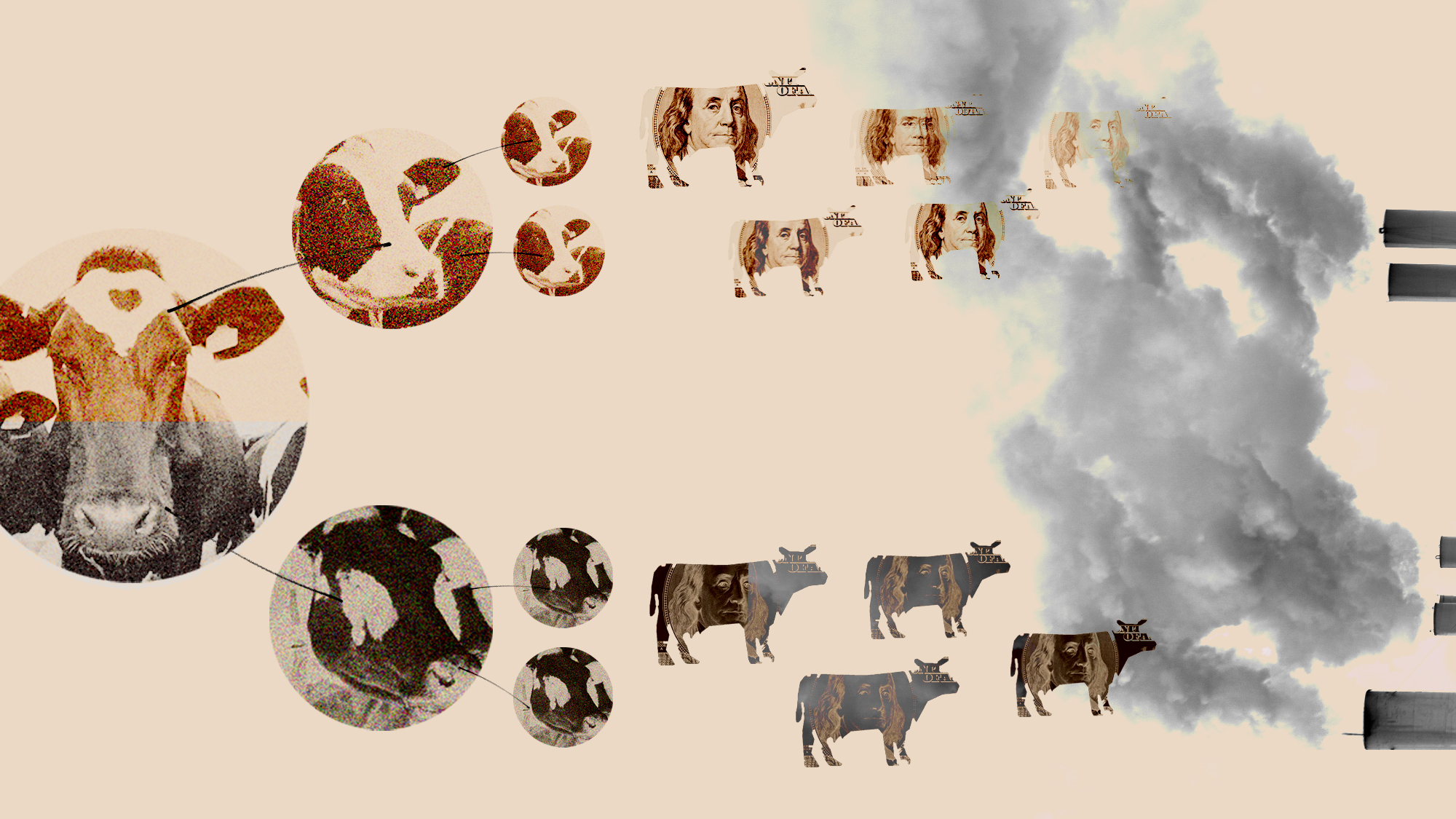
To mitigate this, California has deployed a three-pronged approach involving agricultural grants, industry-funded mitigation settlements, and the state’s flagship transportation policy: the Low Carbon Fuel Standard (LCFS).
Established in 2011 by the California Air Resources Board (CARB), the LCFS program is designed to steadily lower the average carbon intensity of the state’s transportation fuel pool over time. The program sets a declining carbon intensity target each year. Producers of high-carbon fossil fuels, such as conventional gasoline and diesel, routinely exceed these targets and accumulate compliance deficits. Conversely, renewable fuel producers whose products fall below the annual target generate lucrative LCFS credits. These credits can then be sold on an open market to fossil fuel companies needing to offset their regulatory deficits.
The controversy arises because of how CARB calculates the carbon intensity of natural gas derived from dairy manure. Through a "well-to-wheel" lifecycle analysis, the agency factors in not just the emissions generated by the fuel’s final combustion in a vehicle, but also the emissions avoided during its production. Because capturing methane from a manure lagoon prevents it from venting into the atmosphere, CARB assigns dairy-derived natural gas a heavily negative carbon score. In the eyes of the LCFS program, this gas does not merely contribute zero emissions; it is treated as a carbon-negative fuel that actively scrubs pollution from the sky.
A Timeline of Compounding Mandates and Mitigation Agreements
The overlapping policies governing California’s agricultural and energy sectors did not emerge overnight; rather, they evolved through a series of distinct legislative and administrative actions over the past decade.
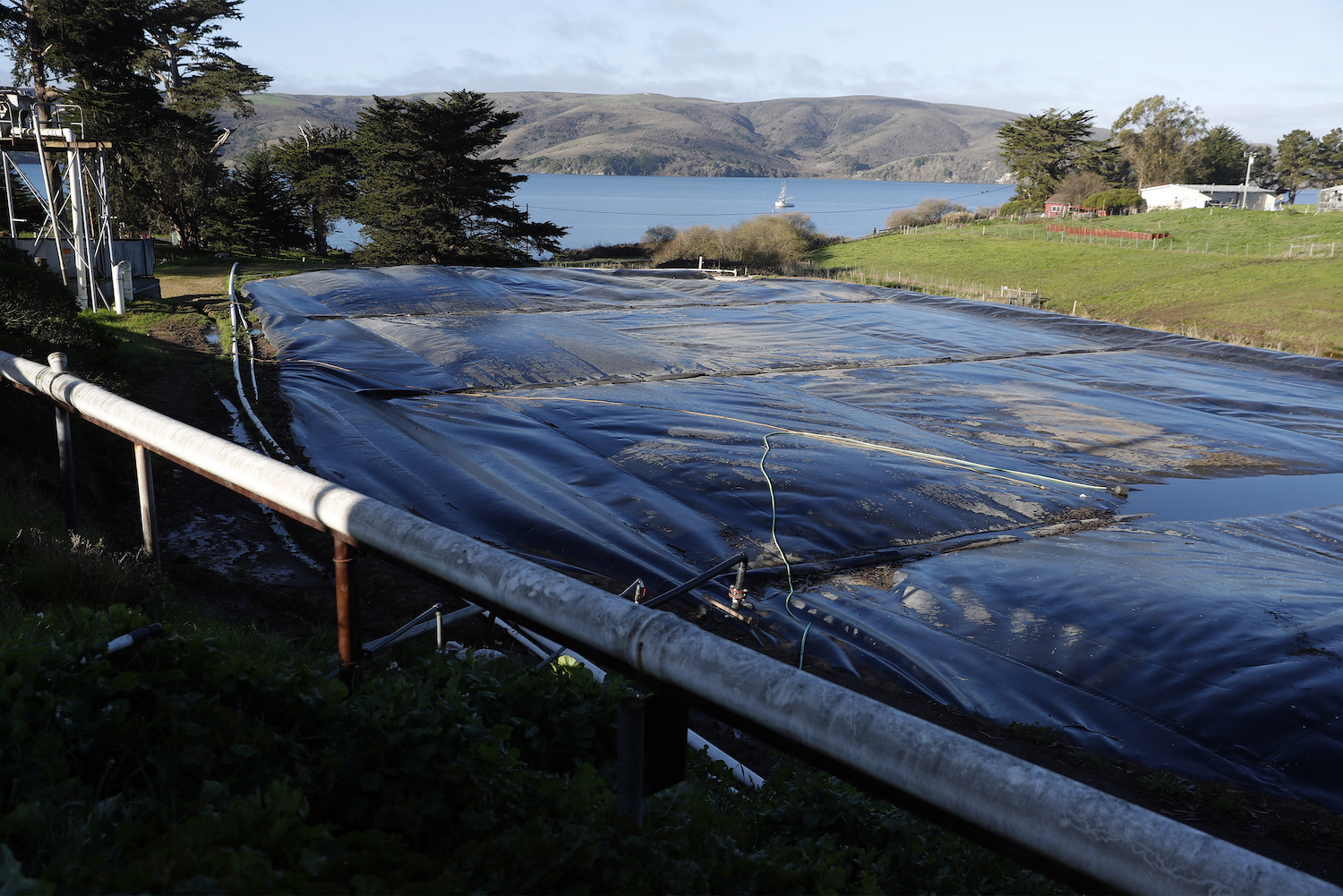
In 2011, CARB officially implemented the Low Carbon Fuel Standard to decarbonize the transportation sector, laying the groundwork for alternative fuel crediting. Over the next several years, the California Department of Food and Agriculture (CDFA) began issuing direct grants to individual mega-dairies to fund the installation of manure digesters, recognizing the urgent need to address agricultural methane.
A major turning point occurred between late 2015 and early 2016, following one of the worst environmental disasters in U.S. history: the Aliso Canyon natural gas leak in Los Angeles County. A fractured well owned by Southern California Gas Company (SoCalGas) spewed an estimated 109,000 metric tons of methane into the atmosphere over the course of 115 days, forcing thousands of residents from their homes. To settle liabilities and mitigate the climate impact of the disaster, CARB negotiated the Aliso Canyon Mitigation Agreement. Under the terms of this agreement, SoCalGas was legally required to fund more than $25 million in loans and investments to construct dairy digesters designed to capture an equivalent amount of agricultural methane over time.
By the late 2010s and early 2020s, energy giants like Chevron and specialized developers such as California Bioenergy began aggressively investing in San Joaquin Valley dairy digesters. These projects were uniquely positioned to benefit from a financial trifecta: direct state agricultural grants, mitigation funds from the Aliso Canyon settlement, and lucrative LCFS credits generated by injecting the captured gas into the commercial pipeline.
Anatomy of Double Counting and the Lack of Additionality
Environmental advocates, legal experts, and climate policy analysts argue that stacking these various revenue streams creates a classic case of double counting.
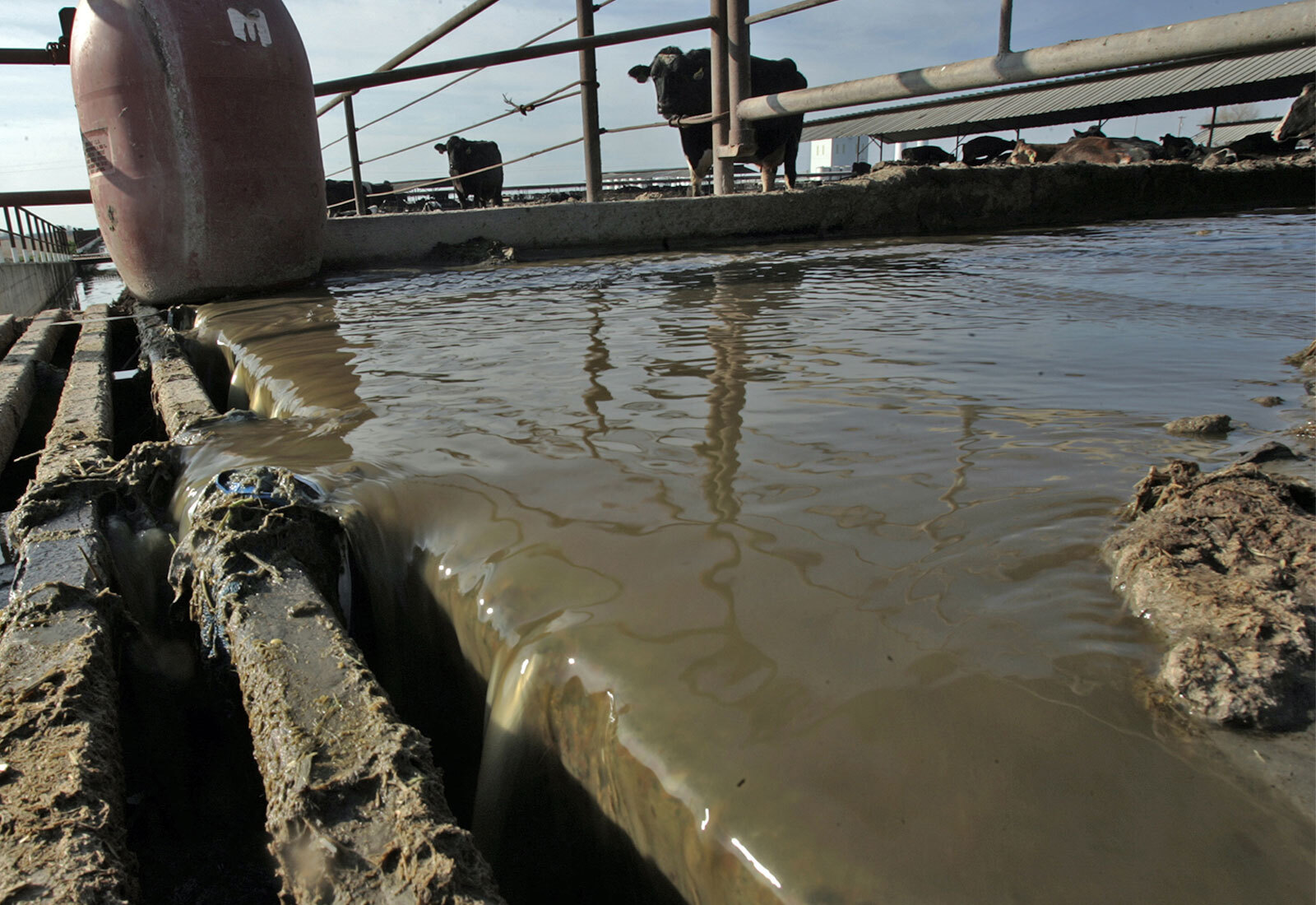
Consider the Vander Poel Dairy in Tulare County, home to approximately 11,000 cattle. In 2018, the CDFA awarded a $1.9 million grant to Calgren Dairy Fuels to install a methane digester at the facility. CARB logged the projected emissions reductions toward the state’s statutory 2030 livestock sector targets. Simultaneously, CARB credited those exact same emissions reductions toward the LCFS program, allowing the project’s operators to generate valuable credits. Furthermore, an investigation by journalism outlets Grist and The Counter identified at least 10 specific dairy operations where the state is simultaneously claiming emissions cuts under agricultural rules, transportation fuel standards, and mitigation agreements.
"That is a classic case of double counting," said Danny Cullenward, policy director at the nonprofit climate organization Carbon Plan. "The exact same ton of emissions reduction is being counted in two distinct places."
Critics emphasize that this framework violates a core principle of effective climate policy: additionality. In carbon accounting, additionality dictates that a project’s emissions reductions must be directly attributable to the incentive program in question—meaning the reductions would not have occurred without that specific policy. If a dairy farm has already built its methane digester using a government grant or a legal settlement from the Aliso Canyon disaster, the LCFS program is not actively incentivizing the installation; it is simply rewarding a project that was already funded and built.
"There is no causal link between the LCFS and those reductions happening," explained Brent Newell, a former senior attorney for the Food Project at Public Justice. Newell and a coalition of environmental groups filed a formal petition with CARB in late 2021, urging the agency to overhaul its methodology and implement strict additionality tests.
The Perverse Results of Financial Stacking
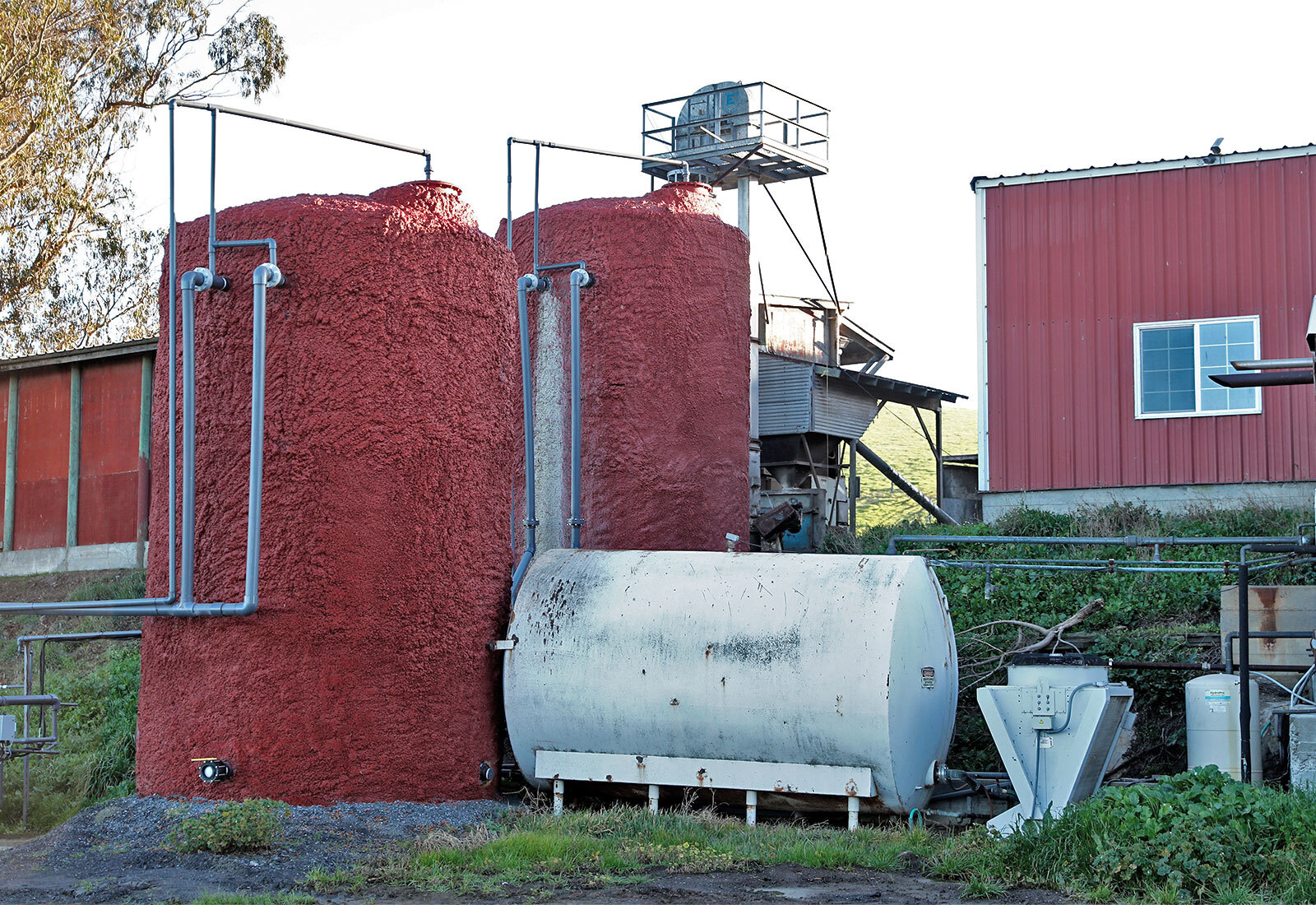
Allowing dairy farms to participate in multiple overlapping climate programs yields what policy analysts call perverse results. When a dairy digester generates and sells an LCFS credit to a petroleum refiner, that credit grants the fossil fuel buyer legal permission to emit more greenhouse gases than standard regulations would otherwise allow.
Consequently, when a facility like an Aliso-funded dairy digester also participates in the LCFS market, the primary mitigation benefit is undermined. The methane captured to offset the 2015 Los Angeles gas leak is simultaneously used to justify continued fossil fuel emissions elsewhere in the transportation sector.
Moreover, the sheer profitability of stacking incentives has transformed the economics of industrial dairy farming. According to corporate disclosures, major investors like Chevron anticipate double-digit returns on their dairy digester ventures due to the heavily negative carbon intensities assigned to the gas. When managing manure waste transitions from a costly environmental burden into a highly lucrative secondary revenue stream, critics warn that industrial farms may face indirect incentives to expand herd sizes and produce more manure, rather than reducing overall agricultural waste at the source.
Michael Boccadoro, executive director of the industry trade group DairyCares, defends the practice of stacking, arguing that building and maintaining complex anaerobic digesters is exceptionally expensive. "It takes the stacking of incentives to make the projects work," Boccadoro asserted, emphasizing that without multiple revenue streams, most independent dairy operators could not afford the technology.
Official Responses and the Road Ahead
Faced with mounting pressure from environmental justice organizations and climate scientists, CARB formally denied the public petition regarding double counting and additionality in January 2022. While agency officials did not dispute that the same emissions reductions are being counted across multiple programs, they defended the administrative strategy.
In a written statement, a CARB spokesperson argued that California’s diverse climate initiatives are intentionally designed to reinforce one another. By encouraging methane capture at dairies and redirecting that gas into the transportation network, the state claims it simultaneously fulfills livestock reduction targets and displaces fossil fuels in the transportation sector. The agency further noted that state law does not explicitly require an additionality test for the LCFS program.
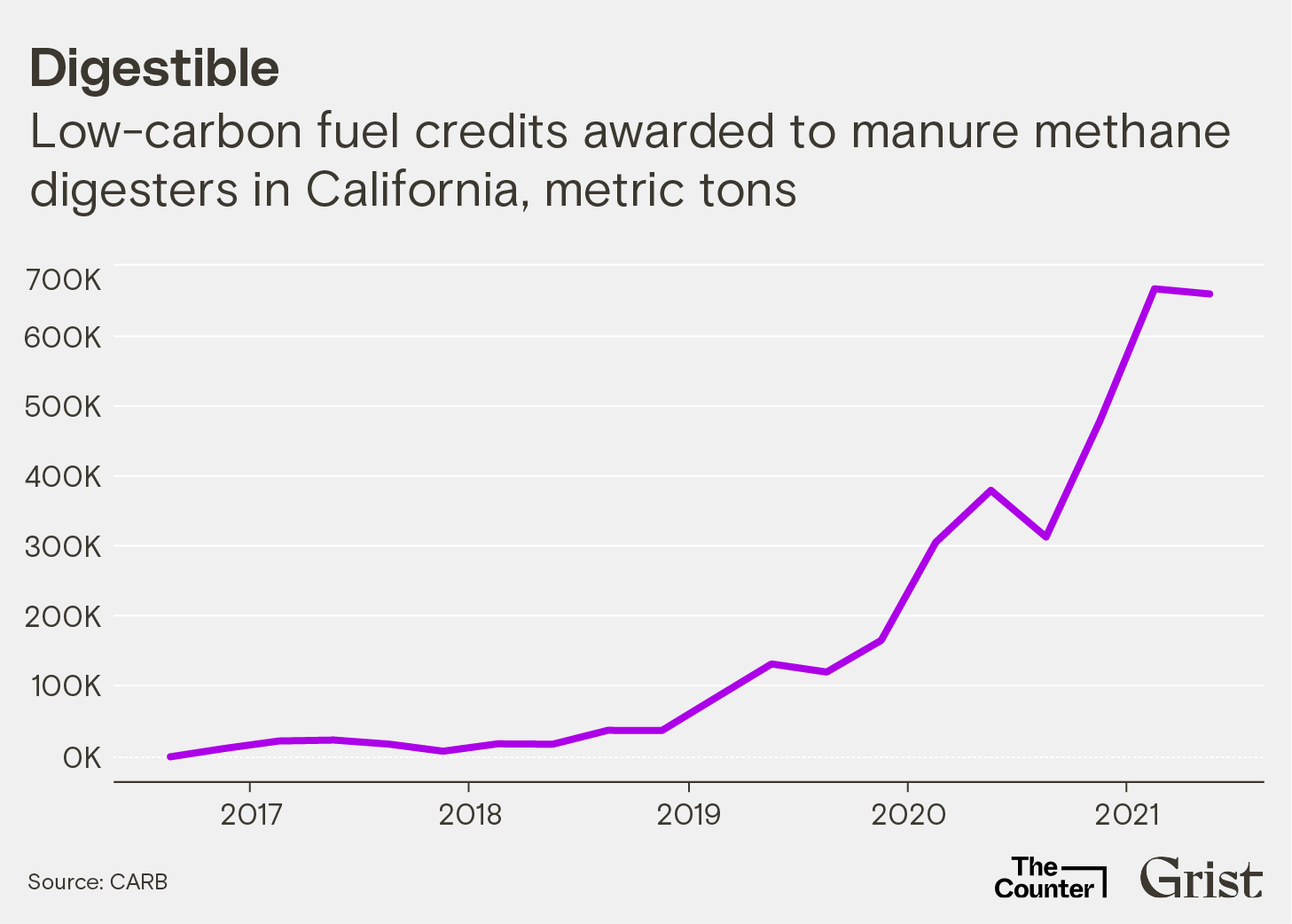
Despite the criticisms, the expansion of factory farm gas systems continues at a rapid pace. In recent progress reports, CARB estimated that nearly 100 additional methane digesters will be completed across California dairies, with most expected to integrate directly into the lucrative LCFS credit market upon completion.
For advocates pushing for rigorous, transparent climate policy, the stakes remain exceptionally high. "We need to have actual reductions, not paper reductions," said Tyler Lobdell, staff attorney at Food and Water Watch. As California moves deeper into the decade, the debate over how the state accounts for its carbon footprint underscores the difficult balance between incentivizing private green technology and maintaining the absolute integrity of science-based climate accounting.