California Lawmakers and Advocates Press Governor Newsom to Remove Immigration and Age Restrictions from State Food Assistance Programs


California stands as the agricultural powerhouse of the United States, producing a vast quarter of the nation’s food supply while boasting one of the largest economies globally. Yet, paradoxically, the state continues to grapple with the highest poverty rate in the country. Deep within this socioeconomic contradiction lies a stark vulnerability: approximately 45 percent of undocumented immigrants in California experience severe food insecurity. Despite their foundational role in sustaining the agricultural sector, these essential workers remain largely locked out of mainstream government nutrition programs.
As Governor Gavin Newsom prepares to finalize the state budget, a coalition of lawmakers, policy advocates, and community organizers is mounting an aggressive push. They are demanding the total elimination of immigration status and age barriers within California’s premier nutrition safety net. Central to this advocacy is Senate Bill 464, introduced by State Senator Melissa Hurtado, alongside the expansive Food4All campaign spearheaded by organizations such as Nourish California and the California Immigrant Policy Center. Together, these groups argue that achieving true food equity requires systemic reform, urging the state to leverage its historic budget surplus to ensure that every resident, regardless of legal status, can put food on the table.
The Roots of Exclusion: Historical Context and Legislative Barriers
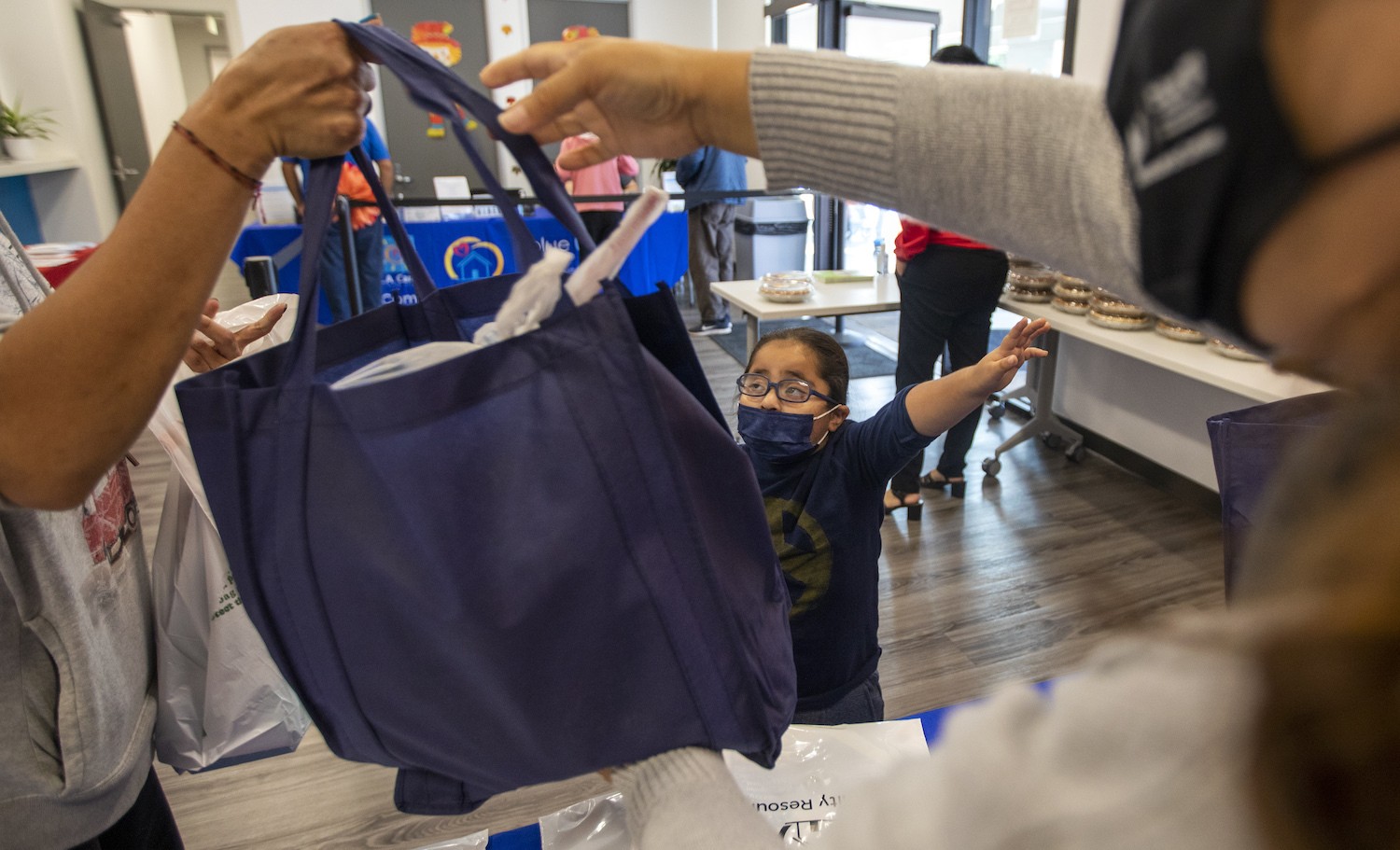
To understand why hundreds of thousands of undocumented Californians remain systematically excluded from state and federal nutrition assistance, analysts point to a legacy of restrictive public policy. Federally, the Supplemental Nutrition Assistance Program (SNAP)—known locally as CalFresh—strictly limits eligibility to U.S. citizens and households featuring at least one member with a "qualified" immigration status for a minimum of five years. Undocumented immigrants have never qualified for these federal food stamps.
The legislative landscape grew significantly more hostile in the mid-1990s. In 1994, California voters overwhelmingly approved Proposition 187, a contentious ballot measure designed to deny undocumented immigrants access to public education, non-emergency healthcare, and social services, while compelling public officials to report suspected undocumented individuals to authorities. Although the proposition was ultimately struck down as unconstitutional, its passage signaled a profound cultural and political rejection.
Shortly thereafter, at the federal level, President Bill Clinton signed the Personal Responsibility and Work Opportunity Reconciliation Act (PRWORA) of 1996. This sweeping welfare reform overhaul forced Lawful Permanent Residents to endure a five-year waiting period before accessing federal safety net programs. Researchers have consistently linked PRWORA to a sharp decline in benefit participation among eligible immigrant populations, driven primarily by administrative confusion, fear, and pervasive social stigma.
Decades later, these historical policies continue to cast a long shadow. Compounding the issue is the federal "public charge" rule, a historical provision weaponized by the Trump administration in 2019. The expanded rule penalized non-citizens for utilizing certain public benefits for more than 12 months, threatening their chances of securing permanent residency. Although the Trump-era expansions were officially repealed, a recent survey revealed that three out of four immigrant families remain unaware of the rollback. Consequently, an atmosphere of deep-seated fear persists, preventing many eligible or mixed-status households from seeking the assistance they desperately need.
The Human Toll in the Golden State
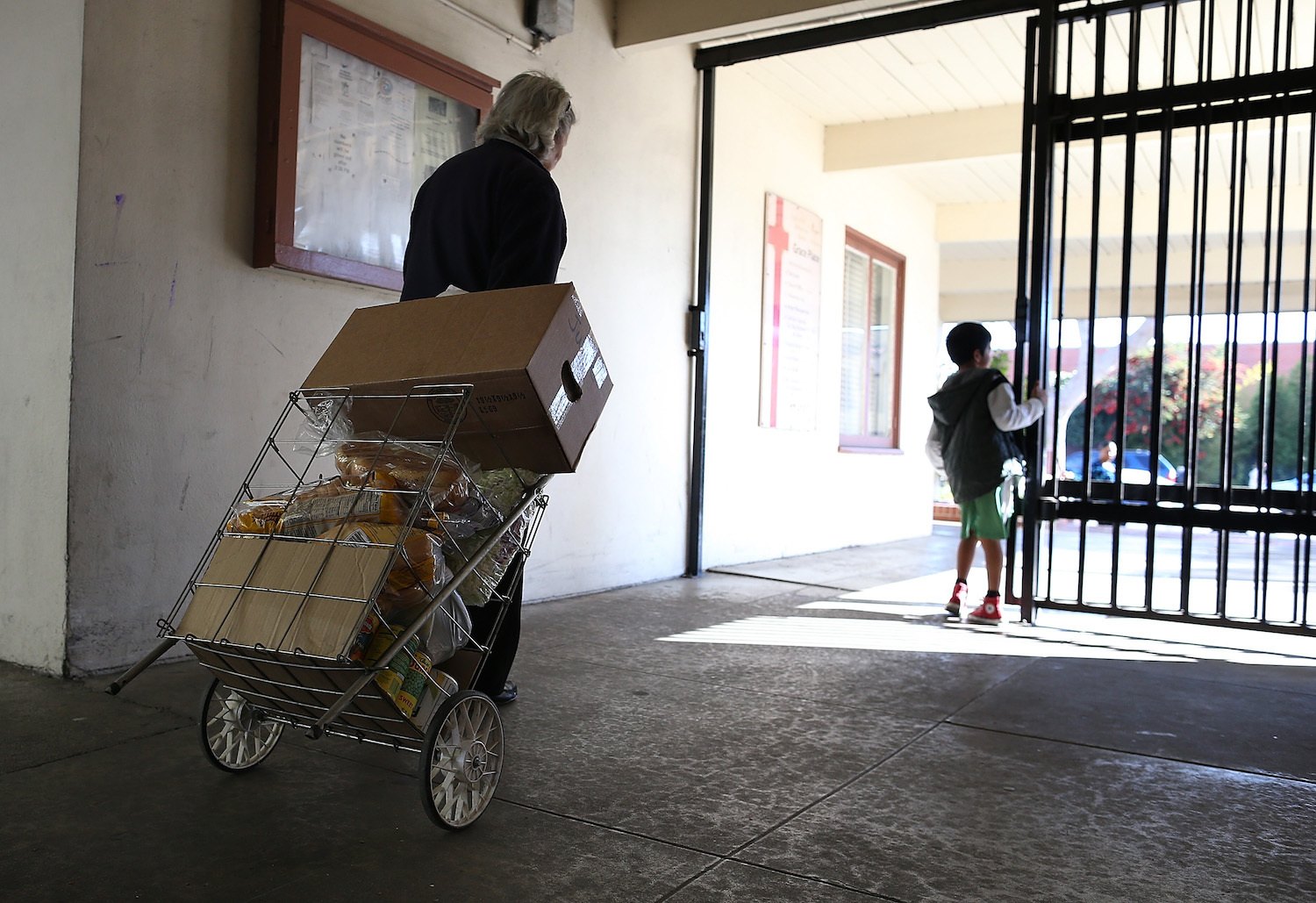
The human cost of these systemic exclusions is acutely visible in California’s Central Valley, often romanticized as the "salad bowl" of America. Here, indigenous farmworkers—many hailing from Mexican states like Oaxaca, Guerrero, and Michoacán—form the backbone of the harvest. Representing distinct indigenous linguistic groups such as the Mixtecs, Zapotecs, and Purépechas, these workers often speak little to no English or Spanish, relying instead on pre-Hispanic native languages.
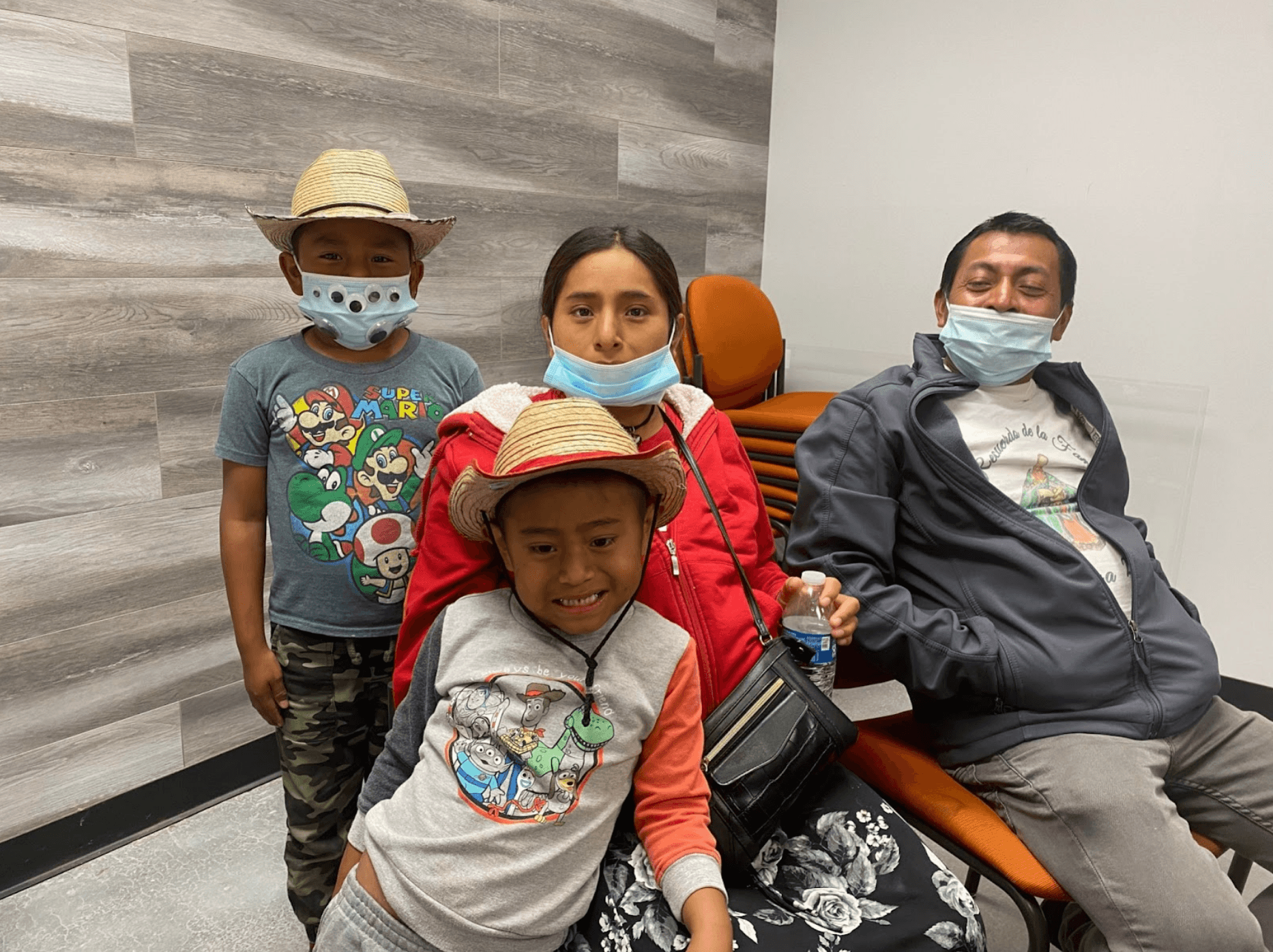
For workers like Guillermo and Augustina, undocumented Mixtec farmworkers who arrived in California in 2019, daily survival is a balancing act. Picking strawberries during peak seasons yields modest, seasonal wages without benefits. During the agricultural off-season, when daily work hours dwindle, purchasing fresh produce becomes an economic impossibility. Instead, families rely on inexpensive, non-perishable staples like beans, rice, and corn flour to survive.
Community organizers emphasize that food insecurity goes beyond mere hunger; it fundamentally compromises childhood development and long-term health. Yet, even when offered pathways to aid, many undocumented workers hesitate out of fear. Guillermo voiced a common community anxiety: the fear that accepting state assistance today might be weaponized by future political administrations, resulting in retroactive debts or legal repercussions for their children.
The Legislative Push: SB 464 and the Food4All Campaign
Recognizing these compounding crises, Senator Melissa Hurtado authored Senate Bill 464 to dismantle immigration-based eligibility rules for the state-funded California Food Assistance Program (CFAP). CFAP was originally established to bridge the gap for qualified legal immigrants subjected to the federal five-year waiting period, but it still explicitly bars undocumented residents.
In January, Governor Newsom’s proposed 2022-2023 budget included funding to remove immigration exclusions from CFAP, but restricted the expansion strictly to undocumented Californians aged 55 and older. Advocates argue this incremental step falls drastically short of addressing the state’s widespread hunger crisis.
The Food4All campaign, championed by groups like Nourish California and the California Immigrant Policy Center, advocates for a universal approach. They point to California’s unprecedented $68 billion budget surplus as a historic opportunity to fund long-term structural solutions rather than temporary stopgaps. Assemblymember Miguel Santiago has similarly urged the administration to allocate funds in the upcoming June budget to fully expand CFAP to undocumented residents of all ages.
Administrative Challenges and Language Equity
Expanding eligibility, however, represents only the first hurdle. Advocates emphasize that administrative barriers—particularly linguistic and digital divides—must be proactively addressed to ensure successful program uptake.
Clarissa Vivian-Petrucci of the Central Valley Immigrant Integration Collaborative notes that many indigenous farmworkers cannot read, write, or navigate digital enrollment portals, and frequently encounter public agency representatives who speak only English or Spanish. Overcoming these obstacles requires innovative cross-sector collaboration. Organizations have begun utilizing live digital workshops and coordinating with consular offices equipped with comprehensive translator databases to bridge the communication gap.
Broader Economic Debates and Official Responses
The push for universal food assistance unfolds amidst intense debate over how California should deploy its massive financial surplus. While lawmakers have floated various short-term relief measures—such as issuing $200 direct payments to help motorists cope with surging gasoline prices—advocates caution against prioritizing fleeting consumer rebates over foundational investments.
Betzabel Estudillo, a senior advocate at Nourish California, distilled the argument bluntly: while gas rebates are appreciated by car owners, they do not address chronic hunger. "You can’t eat a gas rebate," Estudillo noted, emphasizing the necessity of targeting resources toward society’s most marginalized members.
In response to inquiries regarding the budget, a spokesperson for Governor Newsom’s office highlighted the administration’s broader trajectory of historic investments in immigrant communities. These initiatives include expanding Medi-Cal eligibility to all low-income residents regardless of legal status, investing in college savings accounts for immigrant families, funding migrant childcare programs, and implementing universal transitional kindergarten.
Despite these wide-ranging social investments, the Governor’s office has thus far declined to explicitly state whether the final June budget will incorporate the complete expansion of the California Food Assistance Program to undocumented residents of all ages. As negotiations continue, lawmakers and advocacy groups remain steadfast in their message, asserting that food is a fundamental human right that transcends borders, administrative red tape, and legal definitions.