The Evolution and Resurgence of the Pizza Burger A Midwestern Culinary Staple Adapts to Modern Convenience

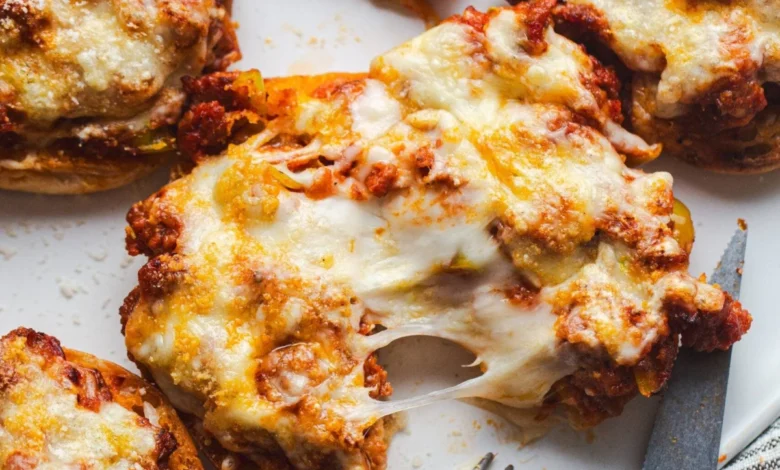
The pizza burger, a distinct hybrid of Italian-American flavors and Midwestern pragmatism, has re-emerged as a focal point of contemporary home cooking, signaling a broader trend toward nostalgic comfort foods that prioritize efficiency and versatility. Historically recognized as a staple of 20th-century American school cafeterias and family dinner tables, the dish has undergone a significant transformation, moving from a heavy, often grease-laden patty to a customizable, open-faced gourmet snack. This transition is driven by a combination of generational recipe sharing, the rise of specialized kitchen appliances like the air fryer, and a growing consumer demand for "freezer-to-table" meal solutions that do not sacrifice flavor for speed.
Historical Context and the Midwestern Roots of the Pizza Burger
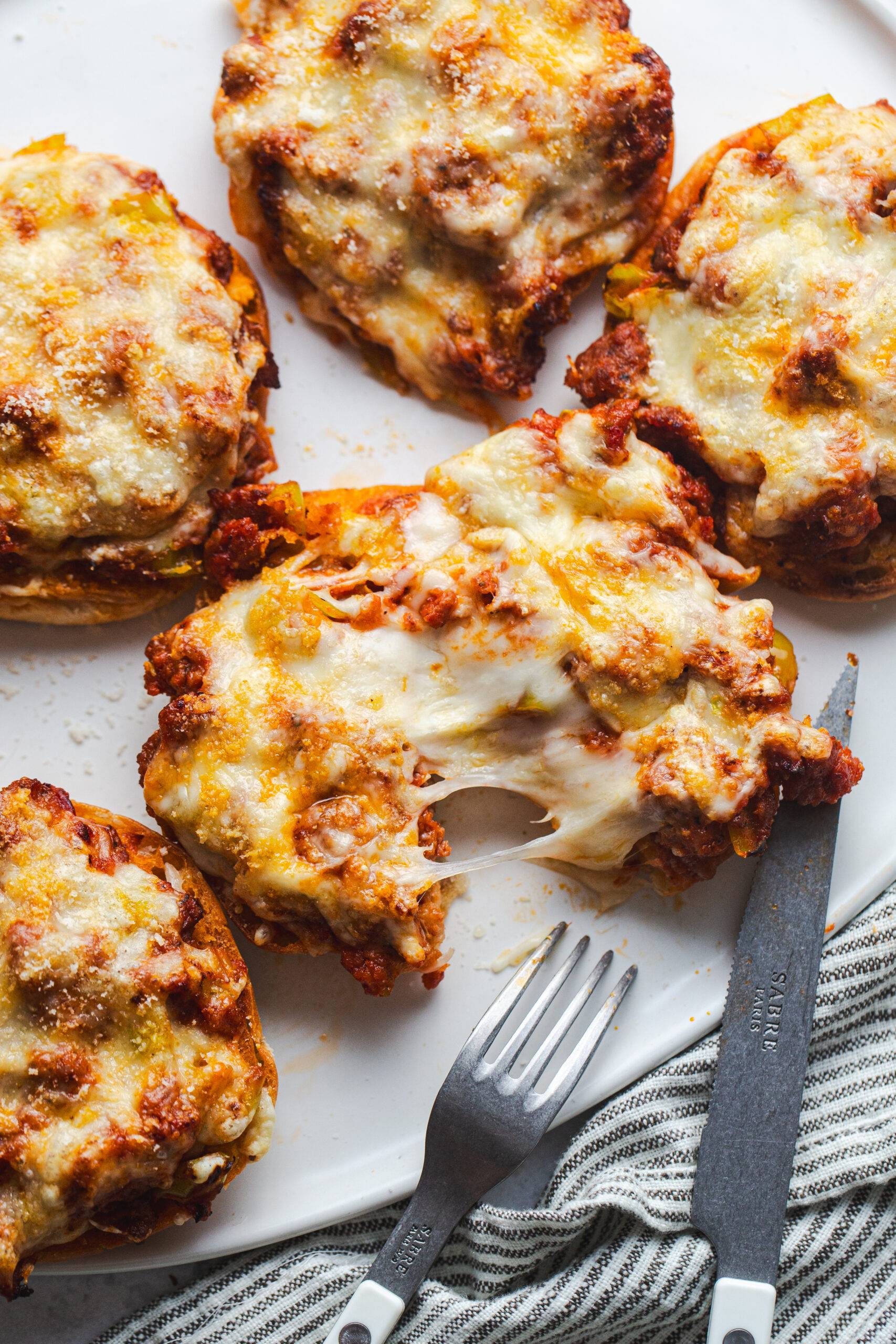
The origins of the pizza burger are deeply rooted in the post-World War II era of American culinary innovation, a time when domestic cooks began experimenting with "fusion" concepts to make international flavors more accessible to the domestic palate. While the traditional hamburger was already an American icon by the 1950s, the infusion of Italian seasonings and tomato-based sauces reflected the growing popularity of pizza in the United States. In the Midwest, particularly in states like Minnesota, Wisconsin, and Iowa, the pizza burger took on several forms: sometimes served as a seasoned patty on a standard bun, and other times as a loose-meat mixture served open-faced on an English muffin or a halved bagel.
The use of the English muffin as a vessel for the pizza burger is a specific sub-genre of the dish that gained traction in the 1970s and 80s. This variation offered a superior textural contrast—the nooks and crannies of the muffin provided a reservoir for sauce and melted cheese, while the exterior developed a distinct crunch when baked. For many Midwestern families, this dish became a symbol of "assembly-line" cooking, where large batches could be prepared, frozen, and reheated by children after school, embodying the era’s shift toward dual-income households and the necessity of self-sufficient meal options.

The Modern Recipe: A Synthesis of Tradition and Technique
The contemporary iteration of the pizza burger, as popularized by modern culinary influencers, represents a collaboration between heirloom techniques and updated ingredient profiles. While the foundational elements remain—a bread base, a meat-based sauce, and a cheese topping—the modern approach introduces several key refinements.
The Meat Component: From Beef to Seasoned Proteins
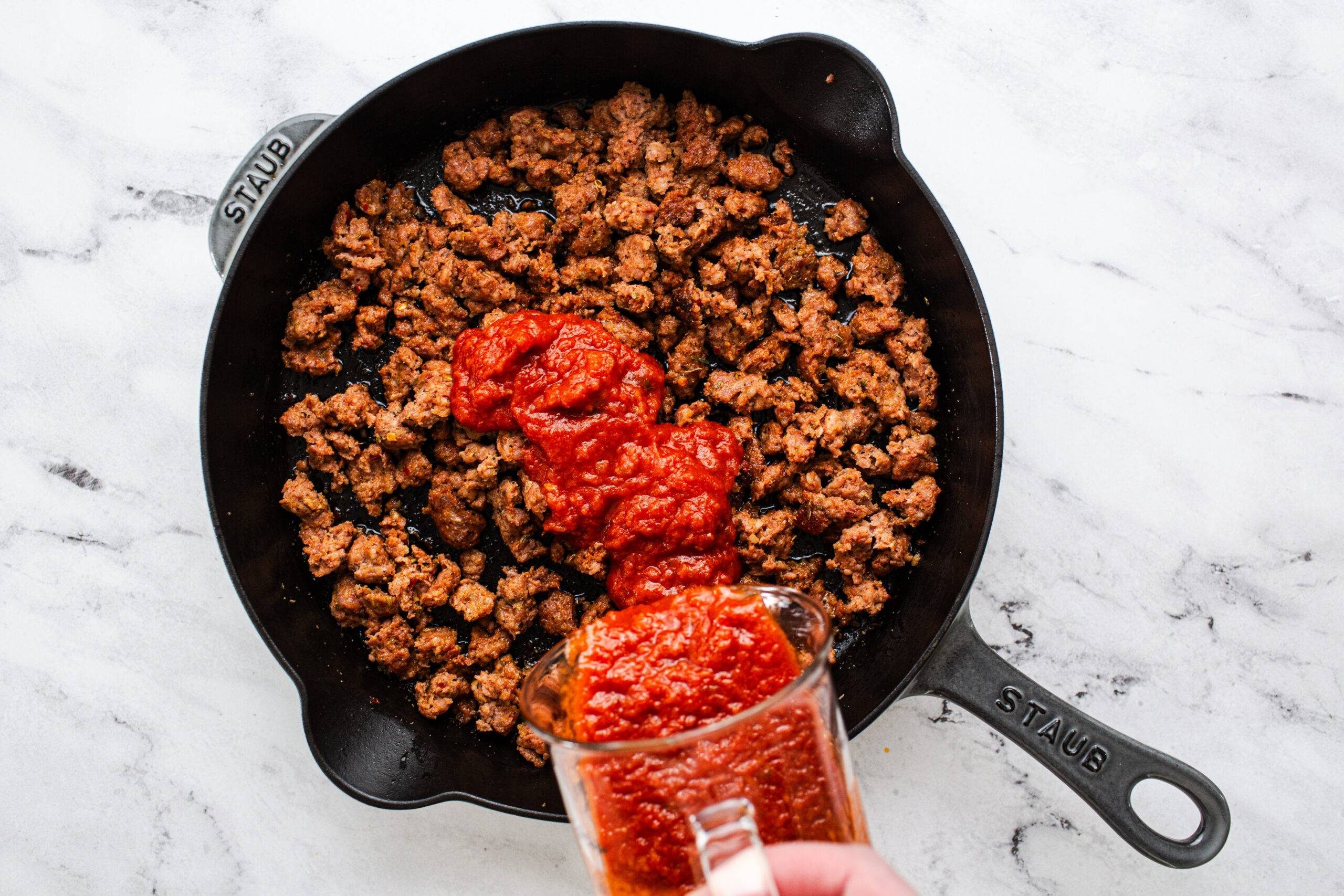
Traditionally, the pizza burger relied on ground beef seasoned with dried oregano and basil. However, current culinary trends favor the use of ground Italian sausage or lean alternatives such as ground turkey and chicken. Italian sausage, in particular, offers a built-in flavor profile of fennel, garlic, and red pepper flakes, which reduces the need for extensive secondary seasoning. When using leaner meats like turkey, chefs emphasize the importance of "re-seasoning" to ensure the protein can stand up to the acidity of the marinara sauce.
The Flavor Foundation: Garlic Butter and Aromatics
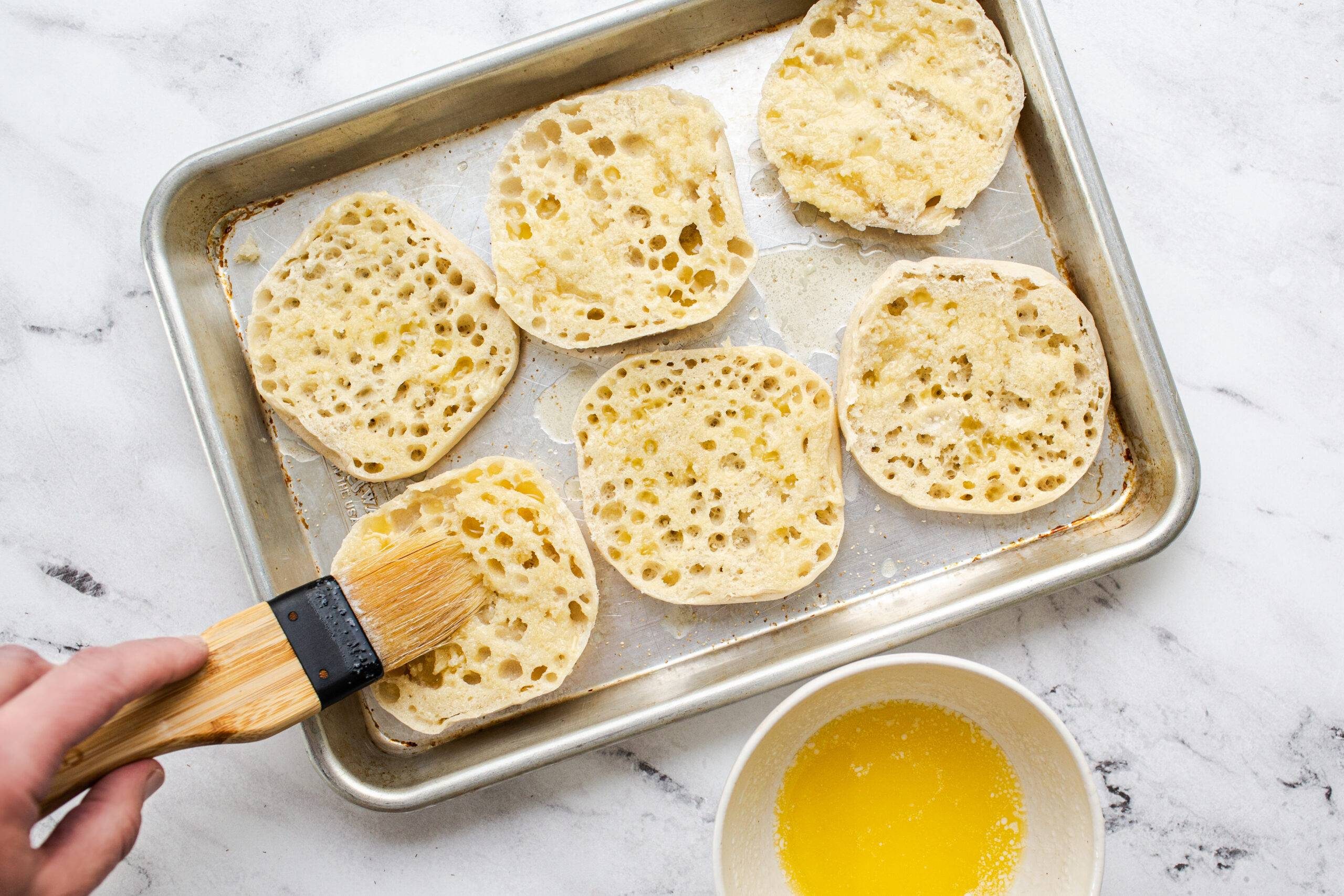
A significant departure from the utilitarian versions of the past is the introduction of garlic butter as a primary seasoning step. By brushing the English muffin with a mixture of melted butter and garlic before adding the toppings, cooks create a moisture barrier that prevents the bread from becoming soggy while simultaneously infusing the base with the characteristics of garlic bread. This "double-flavor" strategy—garlic bread meets pizza—is a hallmark of the modernized dish.
Topping Diversity and Customization
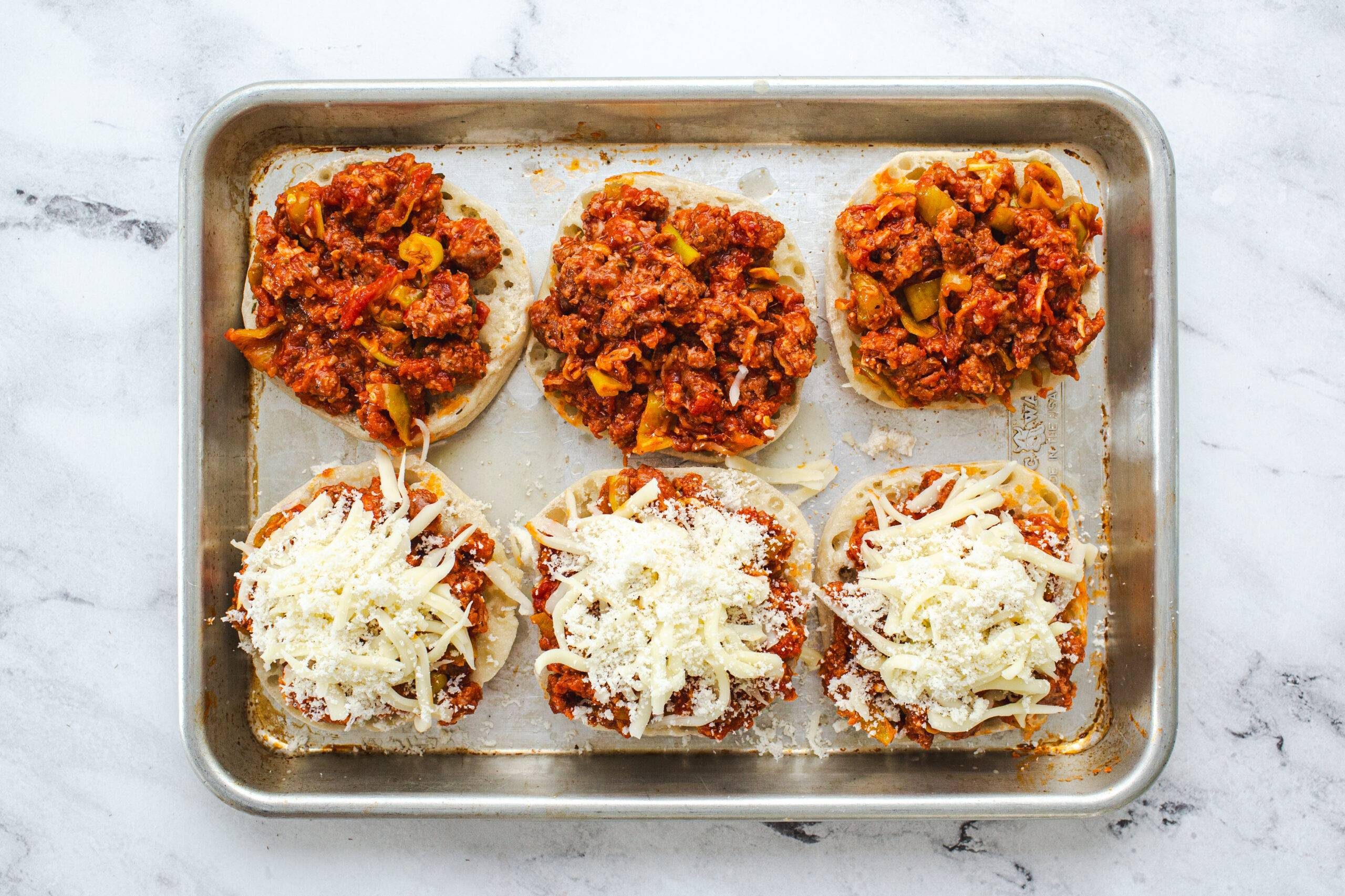
The inclusion of non-traditional toppings, such as pepperoncini, pesto, or high-quality olive oil finishes, reflects a more sophisticated palate. The pepperoncini provides a vinegary brightness that cuts through the richness of the meat and cheese, a technique common in professional Italian-American kitchens but previously rare in home-style pizza burgers.

Technical Analysis: The Impact of Air Fryer Technology
The resurgence of the pizza burger is inextricably linked to the ubiquity of the air fryer. According to market research data, air fryer sales saw a dramatic surge between 2020 and 2023, with over 25 million units sold in the United States alone. The appliance’s ability to circulate high-heat air allows for the rapid crisping of the English muffin base while simultaneously melting the cheese and heating the meat filling in a fraction of the time required by a conventional oven.
In a technical comparison, an air fryer can prepare a pizza burger from a frozen state in approximately eight minutes. A standard oven would require 10 to 15 minutes of preheating followed by 12 to 15 minutes of baking. Furthermore, the air fryer’s concentrated heat source mimics the effects of a commercial pizza oven more effectively than a home oven, resulting in a "blistered" cheese topping and a more pronounced "crunch" on the muffin’s edges. This efficiency has made the dish a premier candidate for meal prepping, where individuals prepare dozens of units in advance to be stored in the freezer.
Economic and Social Drivers of Simple Meal Solutions
The popularity of the pizza burger can also be viewed through an economic lens. As of 2024, food-at-home prices have remained a significant concern for the average consumer due to inflationary pressures. The pizza burger utilizes cost-effective ingredients: English muffins are frequently more affordable than artisanal pizza dough, and ground meats (particularly turkey or sausage blends) offer a lower price-per-ounce than whole cuts of beef or pork.
Socially, the "end-of-school-year madness"—a term used to describe the surge in extracurricular activities and scheduling conflicts in late spring—creates a demand for "mindlessly easy" meals. Culinary analysts observe that parents are increasingly looking for recipes that their children will not only eat but can also participate in making. The assembly of a pizza burger is inherently tactile and low-risk, making it an ideal entry point for teaching children basic kitchen skills.
Chronology of a Culinary Comeback
The timeline of the pizza burger’s return to the cultural zeitgeist can be traced through digital trends:
- Pre-2010s: The dish remained a "hidden" regional favorite, largely confined to family recipe boxes and school lunch menus.
- 2015–2019: The rise of food blogging and Pinterest began to surface "nostalgia recipes," with Midwestern creators sharing versions of their grandmothers’ pizza burgers.
- 2020–2022: The global pandemic forced a return to pantry-stable cooking. English muffins and frozen meats became essential items, and the pizza burger was rediscovered as a versatile "pantry pull" meal.
- 2023–Present: The refinement phase. Influencers and chefs began adding "gourmet" touches—garlic butter, high-quality marinara, and air fryer instructions—transforming the dish from a budget necessity into a viral food trend.
Broader Implications for American Food Culture
The pizza burger’s staying power suggests a permanent shift in how American families approach dinner. There is a moving away from the "all-or-nothing" mentality of cooking, where a meal is either a complex, multi-hour endeavor or a low-quality fast-food purchase. The pizza burger occupies a "middle ground"—it is home-cooked and uses fresh ingredients, yet it respects the time constraints of the modern lifestyle.
Furthermore, the dish highlights the importance of the "grandmother’s kitchen" in shaping current tastes. Many of the most successful digital food trends of the 2020s are not entirely new inventions but are instead "optimized" versions of 20th-century classics. By taking a recipe from a previous generation and applying modern culinary logic—such as improving the fat-to-acid ratio or utilizing better cooking technology—modern cooks are preserving regional food histories while making them relevant for the next generation.
Conclusion: The Future of the Pizza Burger
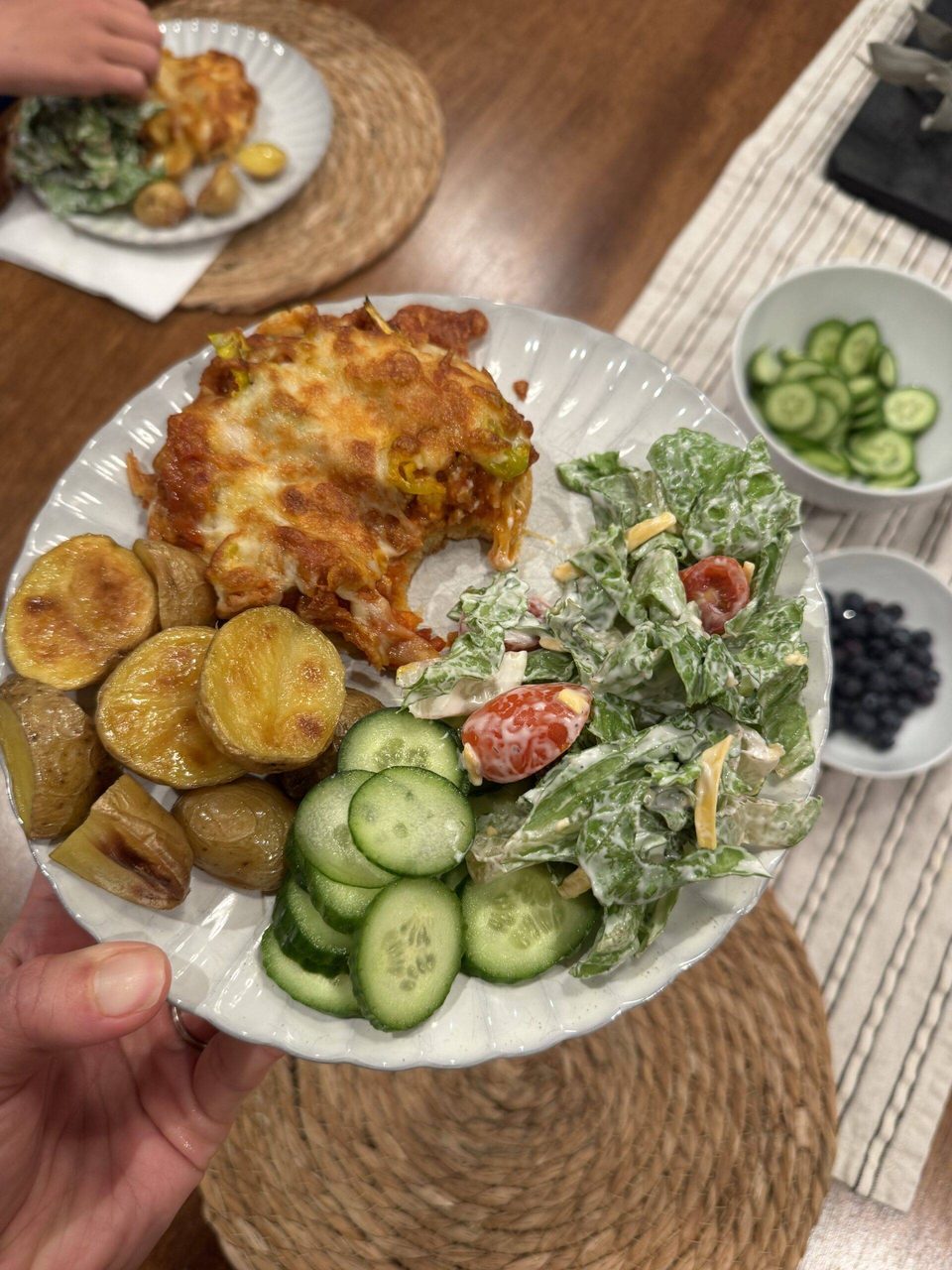
As the culinary landscape continues to evolve, the pizza burger stands as a testament to the enduring appeal of the "sweet spot" in cooking: the intersection of nostalgia, ease, and flavor. Whether it is served with a side of crunchy cucumbers to balance the richness or drizzled with hot honey and pesto for a modern twist, the dish remains a versatile canvas for home cooks. Its ability to transition seamlessly from a fresh dinner to a frozen meal-prep staple ensures that the pizza burger will remain a fixture in the American kitchen for decades to come, proving that sometimes, the best way forward in the kitchen is to look back at what worked for the generations before us.