As the autumn season settles in and households transition into busier schedules marked by school years, professional commitments, and shifting daylight, the demand for efficient domestic management strategies has grown exponentially. In response to these seasonal time constraints, food and lifestyle creators are increasingly turning toward structured batch-cooking and freezer meal preparation as a viable solution to the perennial evening dilemma of weeknight meal planning. Culinary expert Lindsay Ostrom has officially released her October fall freezer meal guide, offering a systematic approach to nutritional meal planning designed to reduce the daily cognitive load associated with cooking. The initiative highlights a broader cultural pivot toward proactive time management in the kitchen, combining economic efficiency with dietary consistency for modern families.
Background Context of the Rise in Batch Cooking
The modern practice of freezer meal prep has roots in historical home economics, but it has undergone a significant digital and practical evolution over the last decade. Rising consumer prices, coupled with the fast-paced nature of contemporary work-life dynamics, have placed immense pressure on household budgets and schedules. According to recent consumer food trends reports, families spend an average of 45 minutes to an hour each evening preparing dinner, a figure that urban professionals and parents frequently find difficult to sustain alongside other responsibilities.
Freezer meal assembly addresses these friction points by consolidating labor into a single, highly efficient window—typically requiring just one hour per month. By organizing ingredients into pre-portioned, freezer-ready bags, households can bypass the daily cycle of grocery shopping, food prep, and intensive cleanup. Culinary platforms and family-focused publications have increasingly championed this method as a form of household logistics optimization, moving away from spontaneous cooking toward structured culinary planning.
Chronology of the October Collection
The development of the October fall freezer meal lineup follows a meticulous testing and curation timeline typical of professional recipe development. During the late summer months, creators evaluate seasonal produce availability, shifting consumer palates toward warmer, heartier comfort foods, and the versatility of specific ingredients across multiple cooking appliances.
By early autumn, the chosen recipes undergo rigorous testing to ensure they maintain structural integrity, texture, and flavor profiles after prolonged freezing. The October collection specifically focuses on versatile dishes adaptable to modern kitchen appliances, including slow cookers, Instant Pots, and traditional stovetops. Once the recipes are finalized, corresponding logistical tools—such as itemized grocery lists, printable bag labels, and step-by-step assembly guides—are generated to eliminate decision fatigue for the consumer at the point of preparation.
Detailed Overview of the October Menu
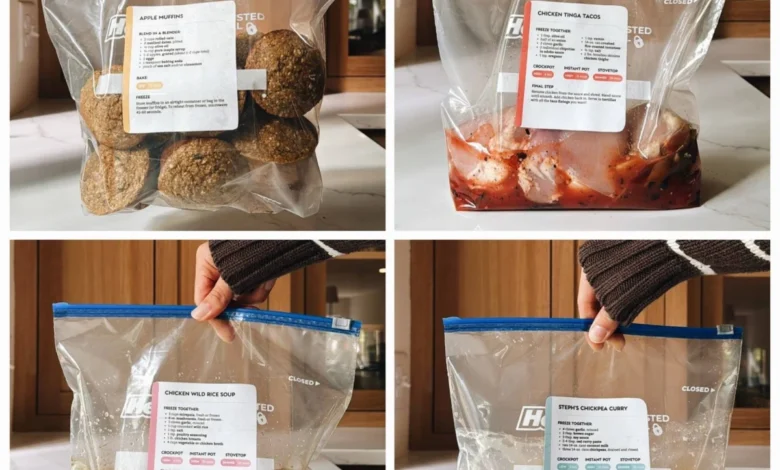
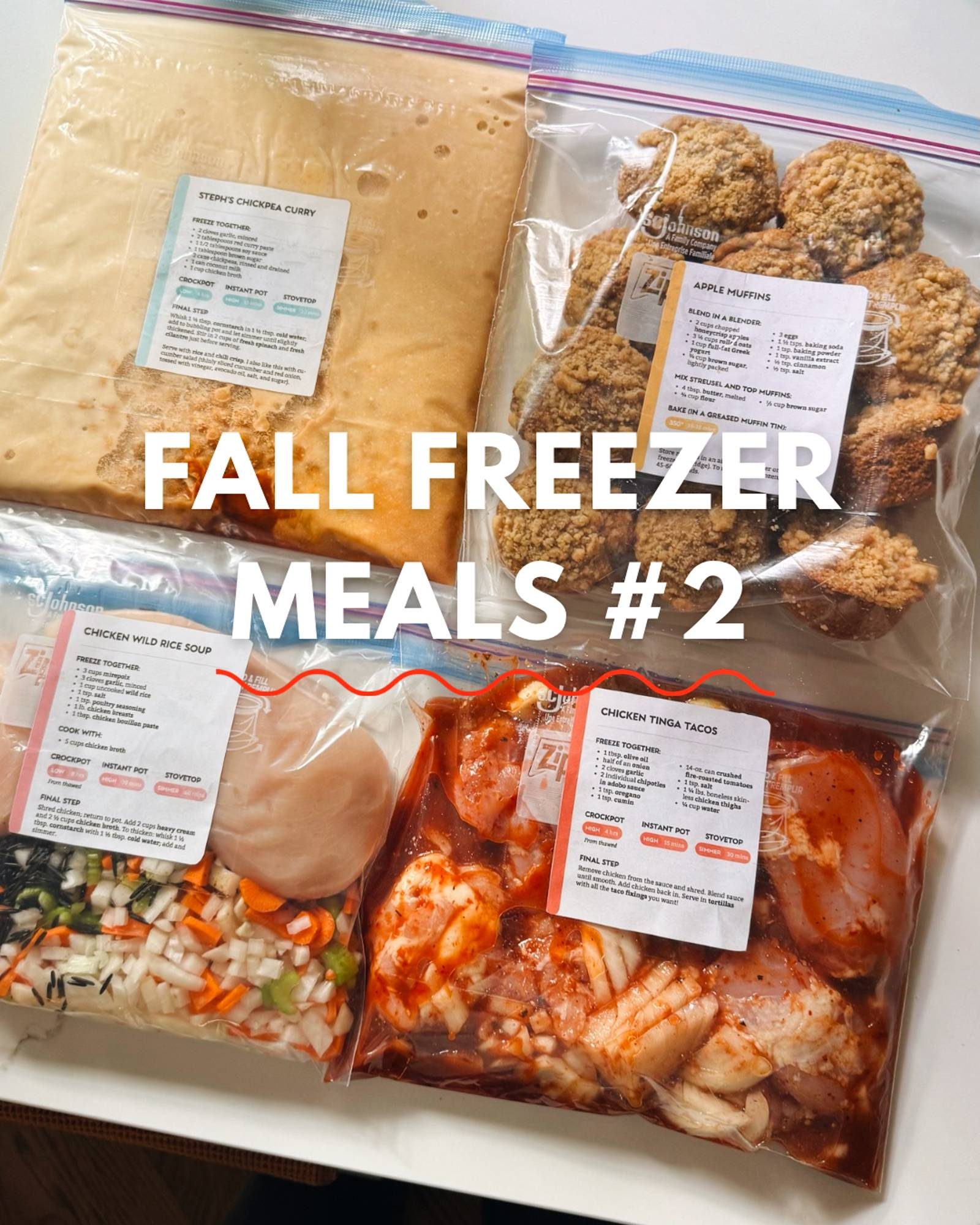
The curated October menu balances nutritional density, seasonal flavor profiles, and preparation efficiency. Designed to cater to varying family sizes and dietary preferences, the lineup features four distinct recipes optimized for long-term cold storage:

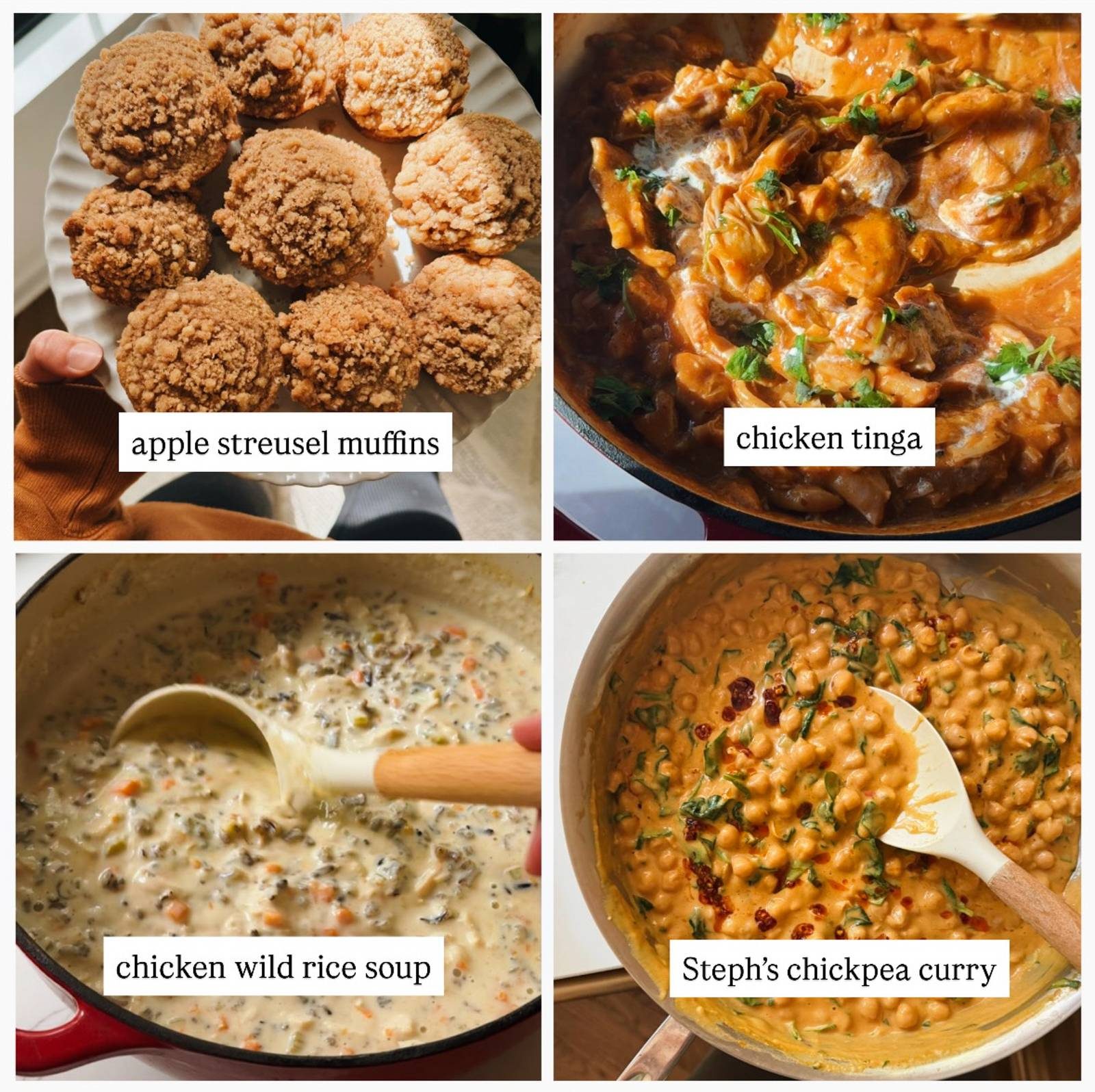
Apple Streusel Muffins
Yielding between 16 and 18 servings, this breakfast or snack item is engineered for quick morning consumption. The preparation involves blending base ingredients, layering the mixture into greased muffin tins, and topping the batter with a crumbly streusel composed of melted butter, brown sugar, and flour. Once baked and cooled, the muffins can be stored in airtight containers within the refrigerator or freezer, requiring merely 45 to 60 seconds of microwave reheating from a frozen state.
Chicken Tinga Tacos
A high-yield protein option designed for four servings, this dish involves freezing raw ingredients together in a single vessel prior to cooking. Depending on the chosen appliance, cooking parameters vary: the Crockpot requires four hours on high heat using thawed ingredients, the Instant Pot cooks in 15 minutes from frozen, and the stovetop method requires a 30-minute simmer from frozen. Post-cooking execution involves separating and shredding the chicken, blending the remaining sauce until smooth, and recombining the ingredients before serving in tortillas with standard accompaniments.
Chicken Wild Rice Soup
Formulated to serve up to 10 individuals, this hearty soup requires the addition of five cups of chicken broth prior to the thermal cooking phase. Cooking timelines span eight hours on low heat in a slow cooker (from thawed), 30 minutes under high pressure in an Instant Pot (from frozen), or a 60-minute simmer on the stovetop (from frozen). Finalizing the dish involves shredding the chicken, returning it to the pot, incorporating heavy cream and additional broth for desired consistency, and thickening the broth using a cornstarch and cold water slurry.
Steph’s Chickpea Curry
Providing four servings, this plant-forward option integrates legumes and aromatic spices suited for cooler weather. Thermal processing requires four hours on low in a slow cooker, 13 minutes under high pressure in an Instant Pot, or a 20-minute simmer on the stovetop from a frozen state. The finishing stage incorporates a cornstarch slurry for viscosity, followed by the folding in of fresh spinach and cilantro immediately prior to service. Standard serving recommendations include steamed rice, chili crisp, and a vinegar-based cucumber and red onion salad.
Logistical Integration and Operational Methodology
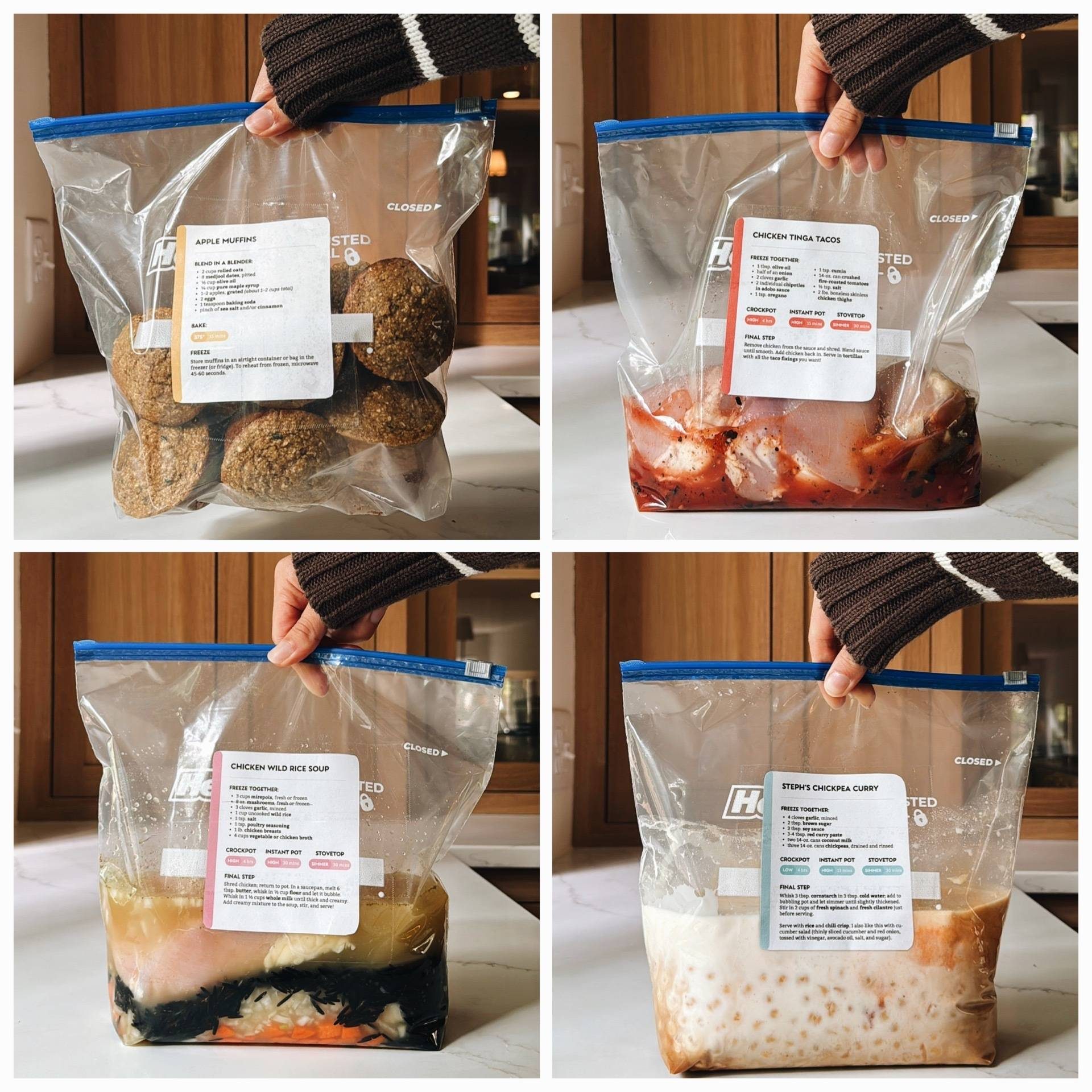
A central innovation of the October meal prep system is the removal of digital devices from the active kitchen workspace through physical documentation. By providing printable bag labels that double as grocery lists and operational instructions, the system minimizes interruptions during the cooking phase. Users attach these cards directly to the storage vessels, ensuring that ingredient quantities, cooking appliance parameters, and finishing instructions are immediately visible.
Data compiled from home management studies indicate that eliminating the need to consult mobile devices or physical cookbooks during meal assembly significantly reduces preparation errors and cross-contamination risks in domestic kitchens. Furthermore, standardized grocery lists integrated into the preparation materials streamline purchasing efficiency, reducing impulse buying and minimizing food waste—a critical consideration amid fluctuating grocery expenditures.
Broader Economic and Nutritional Implications
The adoption of structured freezer meal systems carries notable macroeconomic and public health implications. From a financial perspective, bulk purchasing of raw ingredients such as legumes, root vegetables, poultry, and grains generally yields a lower cost per serving compared to daily convenience food purchases or restaurant dining. By consolidating grocery acquisition into a singular monthly or bi-weekly excursion, households can better monitor food expenditures and adhere to designated household budgets.
Nutritionally, home-prepped freezer meals offer a distinct advantage over commercial frozen convenience foods, which frequently contain elevated levels of sodium, chemical preservatives, and trans fats to maintain shelf stability. By utilizing fresh produce, controlled quantities of oils, and whole grains, consumers maintain complete oversight over the nutritional composition of their meals without sacrificing convenience during peak high-stress periods.
As societal expectations continue to place a premium on time efficiency, methodologies that bridge the gap between scratch cooking and modern convenience will likely remain a staple of household management. The systematization demonstrated in the October fall freezer meal guide reflects an ongoing evolution in domestic culinary practices, emphasizing organization, nutritional mindfulness, and economic pragmatism.