
The Ultimate Onion Scallion Beef A Quick And Flavorful Chinese Stir Fry 3
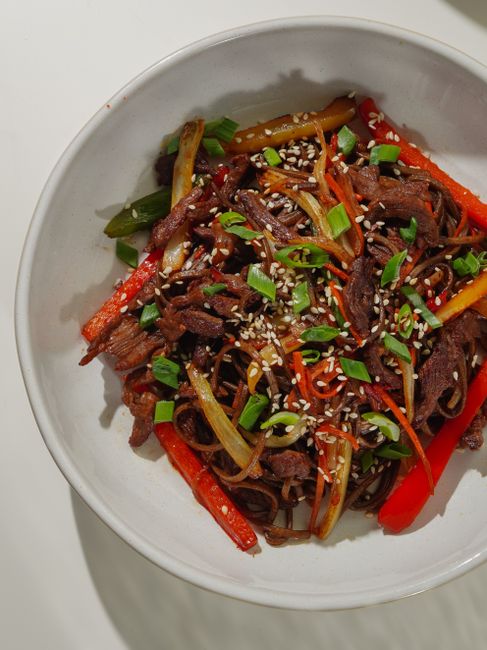
The Ultimate Onion Scallion Beef: A Quick and Flavorful Chinese Stir-Fry
This article delves into the creation and appreciation of Onion Scallion Beef, a cornerstone of Chinese stir-fry cuisine. It’s a dish celebrated for its remarkable speed, accessible ingredients, and profoundly satisfying flavor profile, making it an ideal choice for weeknight meals or when cravings strike for authentic, home-cooked Chinese food. The beauty of Onion Scallion Beef lies in its simplicity and the synergistic interplay of its core components: tender beef, pungent scallions, and aromatic onions. Achieving this culinary harmony requires attention to detail in ingredient selection, preparation, and the crucial stir-frying technique. We will explore each of these facets in depth, providing a comprehensive guide for both novice and experienced home cooks.
The foundation of any great stir-fry is the quality of its ingredients. For Onion Scallion Beef, selecting the right cut of beef is paramount to achieving that coveted tender texture. Flank steak, skirt steak, and sirloin are excellent choices, offering a good balance of flavor and tenderness when thinly sliced against the grain. The "against the grain" slicing is a critical step, as it severs the long muscle fibers, resulting in a more succulent bite. Aim for slices that are about ¼ inch thick or even thinner for optimal cooking speed and tenderness. Marinating the beef is another non-negotiable step for infusing flavor and tenderizing the meat further. A typical marinade for Onion Scallion Beef will include a base of soy sauce for saltiness and umami, Shaoxing wine (Chinese rice wine) for depth and to reduce any gamey odors, and a touch of cornstarch. The cornstarch not only helps to tenderize the beef but also creates a velvety coating that traps juices during the stir-fry, contributing to a richer sauce. Some recipes also incorporate a small amount of sesame oil for its distinct nutty aroma and a pinch of white pepper for a subtle kick. The marination time is typically between 15 to 30 minutes; any longer can make the beef mushy.
The "onion" and "scallion" in Onion Scallion Beef are not merely garnishes; they are integral flavor drivers. The onions, typically yellow or white onions, provide a sweet and pungent foundation. Slicing them into wedges or thick strips allows them to soften and caramelize slightly during the stir-fry, releasing their natural sweetness. Scallions, also known as green onions, are used in two distinct ways, adding layers of flavor and visual appeal. The white and light green parts are often stir-fried with the beef and onions, softening and releasing their oniony bite. The dark green tops, on the other hand, are usually added towards the end of the cooking process, retaining their fresh, bright flavor and vibrant color, offering a pleasant textural contrast. When preparing scallions, it’s important to wash them thoroughly to remove any grit and then cut them into manageable pieces, typically 1-2 inches long. The ratio of beef to aromatics is also crucial for a balanced dish. A generous amount of both onions and scallions ensures that the dish lives up to its name and provides that characteristic pungent sweetness.
The sauce is the unifying element of any stir-fry, bringing together all the individual components into a cohesive and delicious whole. For Onion Scallion Beef, the sauce is typically savory and slightly sweet, designed to coat the ingredients without overwhelming them. A basic stir-fry sauce will likely include soy sauce, oyster sauce, and a touch of sugar. Oyster sauce is a pantry staple in Chinese cooking, providing a rich, savory, and slightly briny flavor that is essential for authentic stir-fry sauces. The sugar balances the saltiness of the soy sauce and oyster sauce, creating a more palatable flavor profile. Some variations might include a splash of dark soy sauce for color and added depth, or a bit of chicken broth or water to adjust the consistency. A small amount of cornstarch mixed with water, known as a slurry, is often added at the end to thicken the sauce, giving it that glossy, appealing finish that clings beautifully to the beef and vegetables. Preparing the sauce mixture beforehand, in a separate bowl, is a critical step in stir-frying. This ensures that once the high-heat cooking begins, all the sauce ingredients are readily available and can be incorporated quickly without interrupting the cooking process.
The technique of stir-frying is central to achieving the desired texture and flavor in Onion Scallion Beef. This method involves cooking ingredients rapidly over high heat in a wok or a large, heavy-bottomed skillet. The high heat sears the meat quickly, locking in its juices and preventing it from becoming tough. It also caramelizes the vegetables, enhancing their natural sweetness and developing complex flavors. Achieving successful stir-frying requires meticulous preparation and organization, a concept known in Chinese cooking as "mise en place" – everything in its place. This means having all your ingredients chopped, marinated, and your sauce mixed before you turn on the heat. Stir-frying is a fast process, and there’s no time to be chopping onions while the beef is burning.
The actual stir-frying process usually begins with heating a small amount of oil in the wok or skillet until it’s shimmering. High smoke point oils like peanut oil, canola oil, or vegetable oil are ideal. Once the oil is hot, the marinated beef is added in a single layer, if possible, to ensure it fries rather than steams. It’s important not to overcrowd the wok, as this will lower the temperature and result in steamed, rubbery beef. Cook the beef in batches if necessary. Sear the beef for about 1-2 minutes per side, just until browned, and then remove it from the wok. Next, add a little more oil if needed, and stir-fry the white and light green parts of the scallions and the sliced onions until they are fragrant and slightly softened, about 1-2 minutes. This is also when garlic and ginger are typically added to the wok for an aromatic boost. Minced garlic and grated ginger release their potent flavors when heated, contributing significantly to the dish’s complexity. Cook for about 30 seconds until fragrant, being careful not to burn them.
Once the aromatics are fragrant, return the partially cooked beef to the wok. Pour in the pre-mixed sauce. Stir and toss everything together rapidly to coat the beef and vegetables. Allow the sauce to bubble and thicken, which should only take about 1-2 minutes. If the sauce is too thick, add a splash of water or broth. If it’s too thin, add a little more cornstarch slurry. Finally, add the dark green parts of the scallions and toss for another 30 seconds just to wilt them slightly and coat them in the sauce. The goal is to have the beef tender, the vegetables tender-crisp, and the sauce glossy and well-distributed.
Serving Onion Scallion Beef is typically done hot, immediately after cooking, to preserve the textures and flavors. It’s most commonly served over steamed white rice, which acts as a perfect neutral canvas to absorb the delicious sauce. The simplicity of the rice allows the robust flavors of the beef and aromatics to shine. Garnishes are minimal, often just a sprinkle of toasted sesame seeds for added texture and nutty flavor, or a few extra slivers of fresh scallion for a pop of color and freshness.
Variations and enhancements to the basic Onion Scallion Beef recipe are numerous, allowing cooks to adapt the dish to their preferences and available ingredients. Some chefs might incorporate a small amount of chili peppers, either fresh or dried, for a spicy kick. Other additions could include thinly sliced bell peppers for color and sweetness, or mushrooms for an earthy depth. For a richer sauce, a tablespoon of dark soy sauce can be added for a deeper color and more pronounced savory flavor. Some regional variations might feature the addition of fermented bean paste or chili bean paste for a more complex and spicy umami profile. For those seeking a healthier option, using leaner cuts of beef and reducing the oil slightly can be beneficial.
The appeal of Onion Scallion Beef extends beyond its deliciousness; it’s also a remarkably efficient dish. The entire process, from marinating to serving, can often be completed in under 30 minutes, making it a perfect solution for busy weeknights. The minimal ingredients list also makes it an economical choice. The core components – beef, onions, scallions, and a few pantry staples for the sauce – are readily available in most supermarkets. This accessibility, combined with its incredible speed and flavor, solidifies Onion Scallion Beef’s status as a beloved staple in Chinese home cooking and a fantastic introduction for anyone looking to explore the world of Chinese stir-fries. Understanding the principles of marinades, sauce balance, and the high-heat stir-frying technique will unlock a universe of delicious possibilities in your kitchen, with Onion Scallion Beef serving as a perfect starting point. The interplay of savory, sweet, and pungent notes, coupled with the tender beef and crisp-tender aromatics, creates a truly satisfying and memorable culinary experience. Mastering this dish provides a strong foundation for tackling other Chinese stir-fry recipes, allowing for creative exploration and adaptation. The adaptability of the dish, from spice levels to vegetable additions, ensures its enduring popularity and relevance in modern home cooking.





