Caldo Verde Portuguese Sausage Kale Soup: A Taste of Portugal
Caldo Verde Portuguese Sausage Kale Soup, a hearty and flavorful dish, is a staple in Portuguese cuisine. This simple yet satisfying soup, with its origins in the Minho region, has become a beloved national dish. It’s not just a meal, but a cultural symbol, representing the warmth and simplicity of Portuguese life.
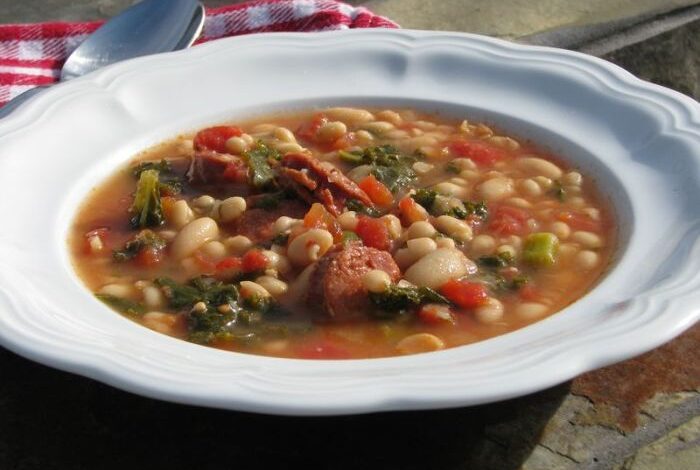
The name itself, “Caldo Verde,” translates to “green broth,” a fitting description for the vibrant green hue of the soup, thanks to the generous amount of kale.
The soup’s rich history dates back centuries, with recipes passed down through generations. The core ingredients remain unchanged: kale, potatoes, olive oil, and chouriço, a spicy Portuguese sausage. This combination creates a symphony of flavors, where the earthy kale and creamy potatoes are perfectly complemented by the savory sausage and the fragrant olive oil.
Introduction to Caldo Verde
Caldo Verde, a simple yet flavorful soup, is a quintessential dish in Portuguese cuisine. It’s a testament to the country’s rich culinary history and its focus on using readily available ingredients.
Origins and History
Caldo Verde’s origins can be traced back to the northern region of Portugal, specifically the Minho region. It is believed to have been created by rural farmers who used readily available ingredients like kale, potatoes, and chouriço sausage. This humble soup became a staple in their diet, providing nourishment and sustenance.
The soup’s name, “Caldo Verde,” translates to “Green Broth,” aptly describing its vibrant green color from the kale.
Significance in Portuguese Cuisine
Caldo Verde holds a significant place in Portuguese cuisine. It is considered a comfort food, often enjoyed during cold weather. Its simple preparation and hearty flavors make it a popular dish across the country. It is often served as a starter or light lunch, and its versatility allows it to be adapted to different tastes and preferences.
Cultural Context and Traditions
Caldo Verde is deeply ingrained in Portuguese culture and traditions. It is often served at family gatherings, special occasions, and even as a simple, everyday meal. The soup’s preparation and consumption are often accompanied by stories and traditions passed down through generations.
Cultural Significance
Caldo Verde is a symbol of Portuguese culinary heritage and the country’s close relationship with its agricultural roots. The soup’s simplicity and availability of ingredients make it a dish that unites people from all walks of life. It is a testament to the ingenuity and resourcefulness of Portuguese people, who have turned humble ingredients into a beloved and enduring dish.
Ingredients and Their Roles
Caldo Verde is a simple yet flavorful soup that showcases the essence of Portuguese cuisine. Its key ingredients work in harmony to create a comforting and satisfying dish.
Caldo verde, with its earthy kale and smoky Portuguese sausage, is a comforting and hearty soup. If you’re looking for another satisfying dish with a similar depth of flavor, you might enjoy penne with pancetta and mushrooms , which boasts a rich sauce made with pancetta and earthy mushrooms.
Both dishes offer a satisfying blend of textures and flavors, making them perfect for a cozy evening meal.
The simplicity of Caldo Verde is one of its greatest strengths. Each ingredient plays a crucial role in the soup’s final flavor and texture, making it a delicious and well-balanced meal.
Caldo verde, with its earthy kale and smoky Portuguese sausage, is a comforting soup that always hits the spot. But sometimes, you crave something sweet and fluffy, like a chef John’s blueberry Dutch baby. The combination of tangy blueberries and the airy pancake batter is a delightful contrast.
After indulging in that sweet treat, though, I always find myself craving the hearty warmth of caldo verde again.
The Essential Ingredients
The key ingredients in Caldo Verde are:
- Potatoes:The base of the soup, potatoes provide a creamy texture and mild flavor. They are usually diced or cubed for even cooking.
- Kale:This leafy green vegetable adds a distinct earthy flavor and vibrant color. Kale is typically chopped coarsely, allowing its flavor to fully develop during cooking.
- Olive Oil:A staple in Portuguese cuisine, olive oil adds richness and depth to the soup. It is used for sautéing the garlic and onions, and also adds a subtle, fruity aroma.
- Garlic:A small amount of garlic adds a pungent and aromatic flavor that complements the kale and potatoes. It is typically minced or finely chopped for maximum flavor infusion.
- Onion:A base ingredient in many soups, onions add a mild sweetness and depth to the flavor profile. They are usually chopped finely for even cooking.
- Chorizo Sausage:A popular ingredient in many Portuguese dishes, chorizo sausage adds a savory and spicy kick to the soup. It is usually sliced or diced for easy cooking and flavor distribution.
- Salt and Pepper:These seasonings are used to enhance the flavors of the soup and adjust its overall taste to personal preference.
- Water:The base of the soup, water is used to cook the potatoes and kale, and to create a light and flavorful broth.
The Importance of Fresh Ingredients
Caldo Verde is a dish that truly benefits from the use of fresh, high-quality ingredients. The flavor of the kale, the sweetness of the onions, and the richness of the olive oil all contribute to the overall taste and texture of the soup.
Fresh ingredients not only enhance the flavor but also add a vibrant color and texture to the soup. The vibrant green color of the kale and the creamy texture of the potatoes are essential to the visual appeal of the dish.
Using fresh ingredients is also important for maintaining the nutritional value of the soup. Fresh produce is packed with vitamins, minerals, and antioxidants, making it a healthy and satisfying meal.
Cooking Methods and Techniques
Caldo Verde is a simple soup to prepare, requiring minimal ingredients and straightforward techniques. However, understanding the nuances of cooking methods and techniques can elevate your Caldo Verde from good to exceptional.
Step-by-Step Guide
This guide Artikels the steps involved in preparing Caldo Verde. It’s important to note that these are general guidelines, and individual preferences may dictate slight variations in the process.
- Sauté the Sausage:Begin by browning the Portuguese sausage in a large pot over medium heat. This step infuses the soup with rich, savory flavors from the sausage. As the sausage cooks, it releases its fat, which will later be used to sauté the kale.
Ensure the sausage is cooked through before proceeding.
- Sauté the Kale:Once the sausage is browned, remove it from the pot and set it aside. In the same pot, add the chopped kale and sauté it until wilted, about 5 minutes. This process softens the kale and releases its flavor.
- Prepare the Broth:While the kale is sautéing, bring the broth to a simmer in a separate pot. This step ensures the broth is warm and ready to be added to the soup.
- Combine the Ingredients:Add the simmering broth to the pot with the wilted kale. Stir in the potatoes and the previously browned sausage. Season with salt and pepper to taste. Allow the soup to simmer for 15-20 minutes, or until the potatoes are tender.
Caldo verde, with its earthy kale and savory Portuguese sausage, is a comforting soup that always hits the spot. It’s a dish that reminds me of cozy nights and hearty meals. But sometimes, I crave something lighter and brighter, like a vibrant italian confetti pasta salad with its mix of colorful vegetables and tangy dressing.
However, when I’m looking for a soul-warming meal, caldo verde always wins me over with its rich flavor and satisfying texture.
- Serve and Enjoy:Before serving, taste the soup and adjust seasoning as needed. Serve the Caldo Verde hot, garnished with chopped cilantro or parsley if desired.
Variations in Cooking Methods and Techniques, Caldo verde portuguese sausage kale soup
While the basic recipe for Caldo Verde remains consistent, variations in cooking methods and techniques exist. These variations are often influenced by regional preferences and personal tastes.
- Cooking the Sausage:Some cooks prefer to remove the sausage from its casing before browning, allowing for more even cooking and easier blending into the soup.
- Sautéing the Kale:Some cooks opt to sauté the kale with a little olive oil instead of using the rendered sausage fat. This adds a different flavor profile to the soup.
- Adding Flavor:Some recipes call for adding additional flavorings, such as garlic, onions, or bay leaves, to the soup. These additions enhance the depth of flavor.
- Blending the Soup:Some cooks partially blend the soup after it has simmered, creating a smoother texture. This technique is particularly popular in regions where a smoother soup is preferred.
Tips and Tricks for Achieving the Best Flavor and Texture
- Use High-Quality Sausage:The choice of sausage is crucial to the flavor of Caldo Verde. Opt for a high-quality Portuguese sausage, such as chouriço, for the best results.
- Don’t Overcook the Kale:Overcooked kale can become bitter. Sauté the kale until wilted but still retains some of its vibrant green color.
- Season Carefully:Salt and pepper are the primary seasonings for Caldo Verde. Taste the soup frequently and adjust the seasoning as needed.
- Serve Hot:Caldo Verde is best served hot, as the flavors are more pronounced when the soup is warm.
Variations and Regional Differences
While Caldo Verde is a beloved national dish, regional variations exist across Portugal, reflecting the diverse culinary traditions and local ingredients. These variations are not merely cosmetic but offer a fascinating glimpse into the cultural tapestry of the country.
Regional Variations in Ingredients
The variations in Caldo Verde primarily stem from the choice of ingredients, particularly the greens used. While kale is the most common choice, other leafy greens like collard greens, chard, or even spinach are used in specific regions.
- Minho:The birthplace of Caldo Verde, the region of Minho uses traditional kale (couve galega) and the ubiquitous chouriço de carne, a pork sausage. This version is considered the quintessential Caldo Verde.
- Alentejo:The Alentejo region, known for its vast plains and olive groves, uses collard greens (couve lombarda) in their Caldo Verde. They also incorporate local flavors like smoked pork or chorizo de porco preto, a black pig sausage.
- Azores:The volcanic Azores Islands, known for their lush vegetation, use a variety of greens in their Caldo Verde, including kale, chard, and even wild greens like “erva-do-conde.” The addition of local seafood like codfish or tuna is a common practice.
Regional Variations in Preparation Methods
Beyond the ingredients, slight variations in preparation methods also exist across regions. These variations primarily involve the cooking technique and the final presentation.
- Northern Portugal:In the north, Caldo Verde is often cooked in a large pot over an open fire, allowing for a more rustic and smoky flavor. The soup is traditionally served in bowls with a generous amount of bread for dipping.
- Southern Portugal:In the south, Caldo Verde is sometimes cooked in a clay pot, which imparts a unique earthy flavor to the soup. The soup is often served with a drizzle of olive oil and a sprinkle of chopped cilantro for added freshness.
Regional Anecdotes and Stories
Caldo Verde is more than just a soup; it’s a part of Portuguese culture, with countless anecdotes and stories woven into its history.
“In the Azores, it is said that the addition of wild greens to Caldo Verde was a necessity during times of scarcity, when people relied on the abundance of nature to survive.”
“In Minho, families often gather around a large pot of Caldo Verde on special occasions, sharing stories and laughter as they savor the hearty and comforting soup.”
Serving and Accompaniments: Caldo Verde Portuguese Sausage Kale Soup
Caldo Verde, with its comforting warmth and hearty flavors, is traditionally served as a main course, enjoyed on its own or accompanied by a variety of sides and toppings. The simple yet satisfying nature of this soup allows for creative additions that enhance its taste and texture.
Traditional Serving
Caldo Verde is typically served in a deep bowl, filled generously with the soup. The broth is often slightly thicker than a traditional soup, with a velvety texture created by the finely chopped kale. The soup is usually served hot, allowing the aromas of garlic, olive oil, and chouriço to fill the air.
Common Accompaniments and Toppings
The versatility of Caldo Verde allows for a range of accompaniments and toppings. These additions provide a contrasting texture or flavor profile, enhancing the overall dining experience.
Serving Suggestions
Serving suggestions can be divided into categories based on their intended effect on the soup’s flavor and texture.
| Category | Description | Examples |
|---|---|---|
| Bread | Provides a contrasting texture and a vehicle for soaking up the flavorful broth. |
|
| Protein | Adds a hearty element and complements the soup’s savory flavors. |
|
| Toppings | Enhance the flavor and visual appeal of the soup. |
Related Articles |