
Peanut Butter Chocolate Chunk Bars

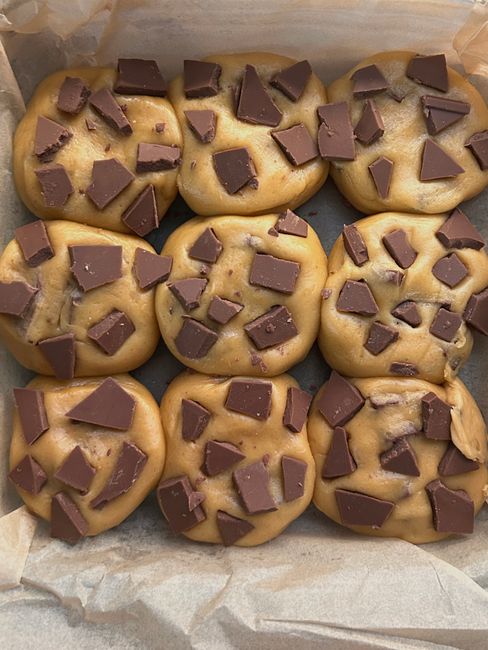
Peanut Butter Chocolate Chunk Bars: A Comprehensive Guide for Home Bakers
The allure of peanut butter and chocolate is a culinary cornerstone, a flavor pairing so universally beloved it borders on perfection. When these two powerhouses converge within the comforting structure of a baked bar, the result is pure indulgence. Peanut butter chocolate chunk bars offer a delightful textural contrast: a slightly chewy, sometimes cakey base infused with the rich, nutty essence of peanut butter, studded with generous chunks of melty, decadent chocolate. This article delves deep into the world of these irresistible treats, exploring their components, variations, baking techniques, troubleshooting tips, and SEO strategies to ensure your recipes and content reach the widest audience.
The foundational elements of a superior peanut butter chocolate chunk bar recipe are key. The peanut butter itself is paramount. Opt for a good quality, creamy or crunchy peanut butter. Natural peanut butter, with its pure peanut flavor and often slightly looser consistency, can lend a wonderfully authentic taste. However, conventional peanut butter, with added sugar and oil, can contribute to a sweeter, more tender bar. The fat content in the peanut butter also plays a role in the bar’s texture; higher fat content generally leads to a softer, richer crumb. For those seeking an even deeper peanut flavor, consider using a mix of creamy and crunchy peanut butter, or even incorporating a spoonful of peanut butter powder for an intensified nuttiness without additional oil. The chocolate component is equally crucial. While semi-sweet chocolate chips are a classic choice, using chopped chocolate bars offers larger, more molten pockets of chocolate, creating a truly luxurious experience. Dark chocolate chunks provide a sophisticated bitter contrast to the sweet peanut butter, while milk chocolate chips offer a sweeter, creamier meld. For a truly decadent bar, consider a blend of different chocolate types. High-quality cocoa powder, incorporated into the batter, can also amplify the chocolate flavor and add a subtle chewiness.
The structure and texture of the bar are achieved through a careful balance of dry and wet ingredients. The flour, typically all-purpose, provides the framework. Some recipes might incorporate a small amount of whole wheat flour for a slightly nuttier flavor and denser texture, but this is a stylistic choice. Leavening agents, such as baking soda and baking powder, are essential for achieving the desired lift and tenderness. Baking soda, activated by acidic ingredients like brown sugar or buttermilk, contributes to spread and a chewier texture, while baking powder provides a more consistent lift. Sugar plays a dual role: sweetening and contributing to tenderness and chewiness. A combination of granulated sugar and brown sugar is often ideal. Granulated sugar promotes crisp edges, while brown sugar, with its molasses content, adds moisture, chewiness, and a caramel-like depth of flavor. Eggs act as binders and contribute to richness and structure. The fat source, whether it’s butter or oil, significantly impacts texture. Melted butter provides a rich flavor and a slightly chewier texture, while softened butter, creamed with sugar, creates a lighter, more cake-like crumb. Oil, on the other hand, can result in a moister, more tender bar. Vanilla extract is a standard flavor enhancer, but other extracts, like almond extract, can complement the peanut butter beautifully.
Variations on the classic peanut butter chocolate chunk bar are abundant, catering to diverse palates and dietary needs. For a gluten-free version, almond flour, oat flour, or a gluten-free all-purpose blend can be substituted for wheat flour. Ensure any oat flour used is certified gluten-free to avoid cross-contamination. For a vegan adaptation, replace eggs with flax eggs (1 tablespoon flaxseed meal mixed with 3 tablespoons water, let sit for 5-10 minutes), use a vegan butter or a neutral oil like canola or melted coconut oil, and ensure the chocolate chunks are dairy-free. Adding rolled oats to the batter can introduce a delightful chewy texture and a nutty, wholesome flavor. Toasted nuts, such as chopped peanuts or pecans, can further enhance the nutty profile and add an extra layer of crunch. Swirls of caramel or a sprinkle of sea salt on top before baking can elevate the flavor complexity, offering a delightful sweet-and-salty interplay. For a double chocolate experience, incorporate cocoa powder into the batter and use dark chocolate chunks for maximum intensity. White chocolate chunks offer a sweeter, creamier alternative for those who prefer a milder chocolate flavor.
Achieving the perfect bake is a combination of precise ingredient ratios and controlled oven temperatures. Preheat your oven to the temperature specified in your chosen recipe, typically between 325°F and 375°F (160°C and 190°C). Lower temperatures often lead to chewier bars, while higher temperatures can result in crispier edges. Prepare your baking pan by greasing and flouring it, or lining it with parchment paper. Parchment paper is particularly useful for easy removal and clean-up. Overfilling the pan can lead to uneven baking; fill it to about two-thirds to three-quarters full. The baking time will vary depending on the size of your pan and your oven, but generally ranges from 20 to 35 minutes. The bars are ready when the edges are lightly golden brown and a toothpick inserted into the center comes out with moist crumbs attached, not wet batter. Avoid overbaking, which will result in dry, crumbly bars. Allow the bars to cool completely in the pan on a wire rack before cutting them. This is a crucial step for achieving clean cuts and preventing the bars from falling apart. For even cleaner cuts, chill the cooled bars in the refrigerator for a short period before slicing.
Troubleshooting common issues ensures a consistent and delicious outcome every time. If your bars are too dry, it’s likely due to overbaking or an imbalance of wet to dry ingredients. Consider reducing the baking time in future attempts or adding a touch more liquid, like milk or buttermilk. If the bars are too greasy, it could be from an excess of fat or the type of peanut butter used; natural peanut butter can sometimes lead to greasier results due to its higher oil content. Ensure you’re not using a lower oven temperature for an extended period, as this can sometimes render out more fat. If the bars are too crumbly, it often indicates insufficient binding agents (eggs) or too much flour. Properly measuring flour by spooning it into the measuring cup and leveling off the top is essential; scooping directly from the bag can result in too much flour. Underbaking can also lead to a crumbly texture as the structure hasn’t fully set. If your bars spread too much, it might be due to a melted butter-heavy recipe, an overabundance of sugar, or a lower oven temperature. Ensuring your baking soda is fresh and active is also important, as expired leavening agents can lead to poor spread and dense results.
Optimizing recipes and content for search engines, or SEO, is vital for reaching home bakers searching for "peanut butter chocolate chunk bars." This involves strategic keyword placement and compelling content. Use variations of your primary keyword naturally throughout the title, headings, and body of the article. Examples include "best peanut butter chocolate chunk bars," "easy peanut butter chocolate chunk bar recipe," "chewy peanut butter chocolate chunk bars," "homemade peanut butter chocolate chunk bars," and "gluten-free peanut butter chocolate chunk bars." Incorporate long-tail keywords, such as "how to make fudgy peanut butter chocolate chunk bars" or "peanut butter chocolate chunk bar recipe with browned butter." High-quality images of the finished product are essential; these not only entice readers but also provide opportunities for image SEO through descriptive alt text. Structured data, such as recipe schema markup, can help search engines understand your content as a recipe, displaying key information like ingredients, cooking time, and ratings in search results. Encourage user engagement through comments and social sharing; these signals can positively impact your SEO ranking. Creating variations of the recipe, such as "vegan peanut butter chocolate chunk bars" or "keto peanut butter chocolate chunk bars," will attract a wider audience and cater to specific dietary searches. Regularly updating and refreshing content with new tips, variations, or ingredient insights can also improve your search engine visibility. The goal is to become a comprehensive and authoritative resource for anyone seeking to bake these delightful treats. The timeless appeal of peanut butter and chocolate chunk bars guarantees their continued popularity, and a well-optimized approach to recipe creation and dissemination will ensure these delicious bars find their way into kitchens everywhere.


