
French Onion Soup With Port Wine

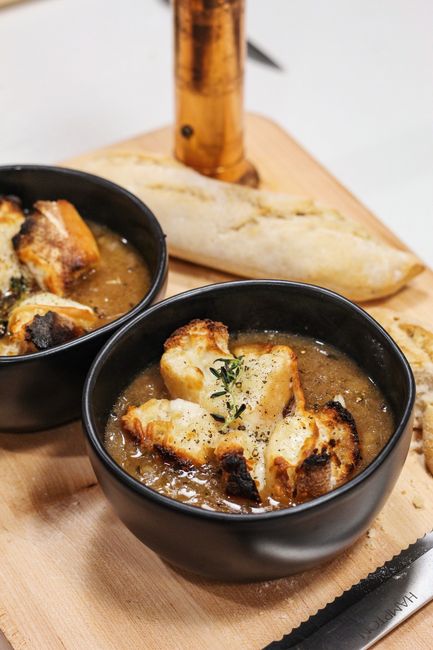
French Onion Soup with Port Wine: A Deep Dive into Flavor and Technique
French onion soup, a timeless classic, transcends its humble origins to become a culinary masterpiece. Its rich, deeply caramelized onions, bathing in a savory broth and crowned with a toasted crouton and melty Gruyère cheese, offer an unparalleled depth of flavor and comforting texture. However, for those seeking an elevated experience, a judicious addition of port wine transforms this beloved soup into something truly extraordinary. This article delves into the intricate world of French onion soup with port wine, exploring its history, the science behind its flavor development, the essential ingredients and their roles, expert techniques for achieving perfection, and variations that push the boundaries of this classic. Understanding and mastering this dish offers a gateway to truly sophisticated home cooking.
The foundational element of exceptional French onion soup, and indeed any superlative onion soup, lies in the meticulous caramelization of the onions. This process is not merely browning; it is a complex chemical transformation where the natural sugars within the onions are broken down and reformed into complex flavor compounds. This occurs through the Maillard reaction and caramelization, both heat-dependent processes. The Maillard reaction, a non-enzymatic browning reaction between amino acids and reducing sugars, is responsible for the savory, nutty, and roasted notes. Caramelization, the browning of sugars when heated, contributes a sweet, slightly bitter, and complex aroma. The slow and low heat application is crucial. Rushing this stage results in burnt, bitter onions rather than deeply sweet, complexly flavored ones. The onions should be sliced thinly and consistently to ensure even cooking and browning. The fat used, typically butter or a combination of butter and oil, plays a vital role in facilitating heat transfer and adding richness. As the onions cook, they release moisture, which evaporates, concentrating their sugars and intensifying their flavors. This stage can take anywhere from 45 minutes to over an hour, depending on the quantity of onions and the heat applied. Patience is paramount; the depth of flavor in the finished soup is directly proportional to the diligence applied during this initial onion-cooking phase.
The broth is the soul of French onion soup. Traditionally, a robust beef broth forms the base, providing a rich, savory foundation. High-quality beef stock, preferably homemade from roasted beef bones and mirepoix (carrots, celery, and onions), offers superior depth and complexity. The marrow from the bones contributes a luxurious mouthfeel and a nuanced, meaty flavor. When using store-bought broth, opt for low-sodium, high-quality versions and consider simmering them with additional aromatics like bay leaves, peppercorns, and thyme for an extra layer of flavor. The addition of port wine introduces a crucial new dimension. Port, a fortified wine from Portugal, is characterized by its sweetness, concentrated fruit flavors (often dark berries, plum, or cherry), and a certain richness imparted by the fortification process. Dry red ports, such as a Ruby or a basic Vintage Port, are ideal for French onion soup. Their inherent fruitiness complements the sweetness of the caramelized onions, while their tannins add a subtle astringency that cuts through the richness. The alcohol in the port also acts as a solvent, extracting and carrying flavor compounds from the onions and broth. The port is typically added after the onions have achieved their deep caramelization, allowing the alcohol to cook off and the wine’s complex flavors to meld with the other ingredients. The quantity of port used is a matter of preference and balance; too little will be imperceptible, while too much can overpower the delicate balance of the soup. A common starting point is 1/2 cup to 1 cup of port for a large batch of soup.
Beyond the onions and broth, several supporting ingredients contribute to the symphony of flavors in French onion soup with port wine. Aromatics like garlic, thyme, and bay leaves are indispensable. Garlic, sautéed gently with the onions in their final stages of caramelization, adds a pungent, savory counterpoint. Fresh thyme sprigs, added to the simmering broth, impart an earthy, slightly floral note that is intrinsically linked to French cuisine. A bay leaf, used sparingly, provides a subtle, almost imperceptible herbaceousness that ties the other flavors together. A touch of brandy or cognac can also be added alongside the port for an additional layer of warmth and complexity, though it is not strictly essential. The salt and pepper should be adjusted judiciously throughout the cooking process, especially after the port and any other liquids have been added, as their flavors will concentrate.
The crouton and cheese topping is the iconic crown of French onion soup, and its execution is critical. A sturdy baguette, sliced about an inch thick, is the preferred bread. It should be slightly stale, which helps it absorb the broth without becoming completely soggy. Toasting or grilling the baguette slices until golden brown and crisp is essential. This provides a textural contrast to the soup and a sturdy platform for the cheese. The cheese, traditionally Gruyère, is a semi-hard Swiss cheese with a nutty, slightly sweet, and earthy flavor. Its excellent melting properties make it ideal for achieving that coveted gooey, stringy topping. Other good melting cheeses that can be used include Emmental, Comté, or even a sharp cheddar for a bolder flavor. Some chefs advocate for a blend of cheeses to achieve a more complex flavor profile. The cheese is typically grated and piled generously onto the toasted baguette slices, which are then broiled until the cheese is melted, bubbly, and slightly browned. The broiling process should be monitored closely to prevent burning.
The technique for making exceptional French onion soup with port wine is a layered process, demanding attention to detail at each stage. Begin with the onions. Slice them uniformly, aiming for thin, consistent pieces. Use a heavy-bottomed pot or Dutch oven to ensure even heat distribution. Melt butter and/or heat oil over medium-low heat. Add the onions and stir to coat. Cook slowly, stirring frequently, for at least 45 minutes to an hour, or until deeply golden brown and caramelized. Do not rush this process. If the onions begin to brown too quickly, reduce the heat. Once caramelized, add minced garlic and cook for another minute until fragrant. Deglaze the pot with a splash of water or broth to scrape up any browned bits from the bottom, which are packed with flavor. Add the beef broth and bring to a simmer. Incorporate the port wine, thyme sprigs, and bay leaf. Season with salt and freshly ground black pepper. Simmer gently for at least 30 minutes, allowing the flavors to meld and the soup to deepen. Taste and adjust seasoning as needed. While the soup simmers, prepare the croutons. Toast or grill the baguette slices until golden. Grate the Gruyère cheese. Ladle the hot soup into oven-safe bowls. Top each bowl with one or two toasted baguette slices, ensuring they fit comfortably. Pile a generous amount of grated Gruyère over the bread. Place the bowls on a baking sheet (for stability and ease of transport) and broil until the cheese is melted and golden brown. Serve immediately, warning guests that the bowls are extremely hot.
Variations on this classic theme can elevate the experience further. Incorporating a splash of balsamic vinegar in the final stages of onion caramelization can add a delightful tang and further intensify the sweetness. A small amount of sherry vinegar can also be used for a similar effect. Some chefs experiment with different types of fortified wines, such as a dry sherry or a Madeira, though port remains the quintessential choice for its distinct flavor profile. For a vegetarian or vegan version, a rich vegetable broth or mushroom broth can be used, and the cheese topping can be replaced with a dairy-free alternative or omitted entirely, focusing instead on perfectly toasted bread and flavorful aromatics. The key to any successful variation lies in maintaining the balance of sweetness, savoriness, and richness.
The sensory experience of French onion soup with port wine is multi-faceted. The aroma is intoxicating: the sweet, roasted scent of caramelized onions mingling with the fruity notes of the port and the savory depth of the beef broth. Visually, the deep, amber hue of the soup, contrasted with the golden-brown cheese crust, is incredibly appealing. The first spoonful offers a complex interplay of textures and flavors. The broth is rich and deeply savory, with a subtle sweetness from the onions and a fruity undertone from the port. The caramelized onions are meltingly tender and intensely flavorful. The toasted baguette provides a satisfying crunch, yielding to a soft, soup-soaked center. Finally, the melted Gruyère adds a luxurious, gooey richness that coats the palate. The port wine, rather than being a distinct flavor, acts as a harmonizer, weaving together the other elements and adding a subtle, sophisticated layer of complexity that distinguishes it from a standard French onion soup. The warmth of the broth, the richness of the cheese, and the deep, comforting flavors combine to create a truly unforgettable culinary experience.
In conclusion, French onion soup with port wine is more than just a soup; it is a testament to the transformative power of slow cooking, quality ingredients, and thoughtful technique. The deliberate caramelization of onions, the judicious addition of port wine, and the classic pairing of baguette and Gruyère create a dish that is both profoundly comforting and elegantly refined. Mastering this soup allows home cooks to unlock a new level of culinary expression, transforming a beloved classic into an unforgettable epicurean delight. The synergy of flavors, the textural contrasts, and the sheer depth of taste make this dish a perennial favorite for good reason, with the port wine offering a sophisticated edge that elevates it to truly special occasion status.


