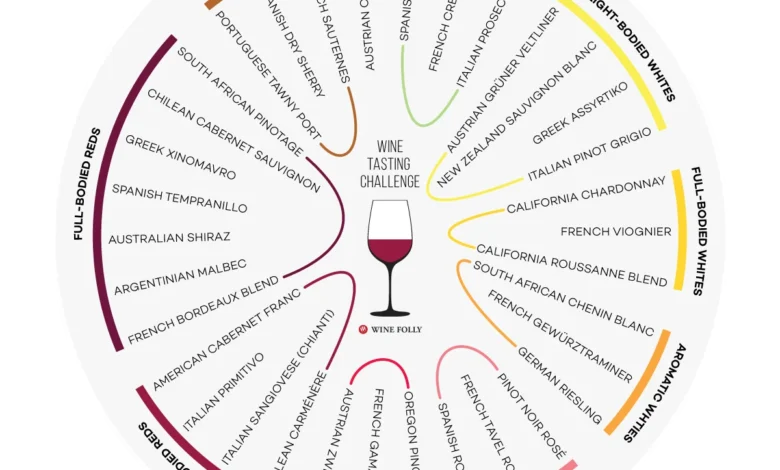
The global wine industry has seen a significant shift toward formalized consumer education, a movement exemplified by the structured 34-week curriculum known as the Wine Tasting Challenge. Designed to bridge the gap between casual consumption and professional-level oenology, the program provides a systematic framework for individuals to develop their sensory evaluation skills. Whether a participant is an entry-level enthusiast or a Wine & Spirit Education Trust (WSET) certified professional, the challenge serves as a rigorous exercise in palate sharpening, requiring the disciplined analysis of a new wine every seven days for more than half a year.
The Educational Framework of Sensory Analysis
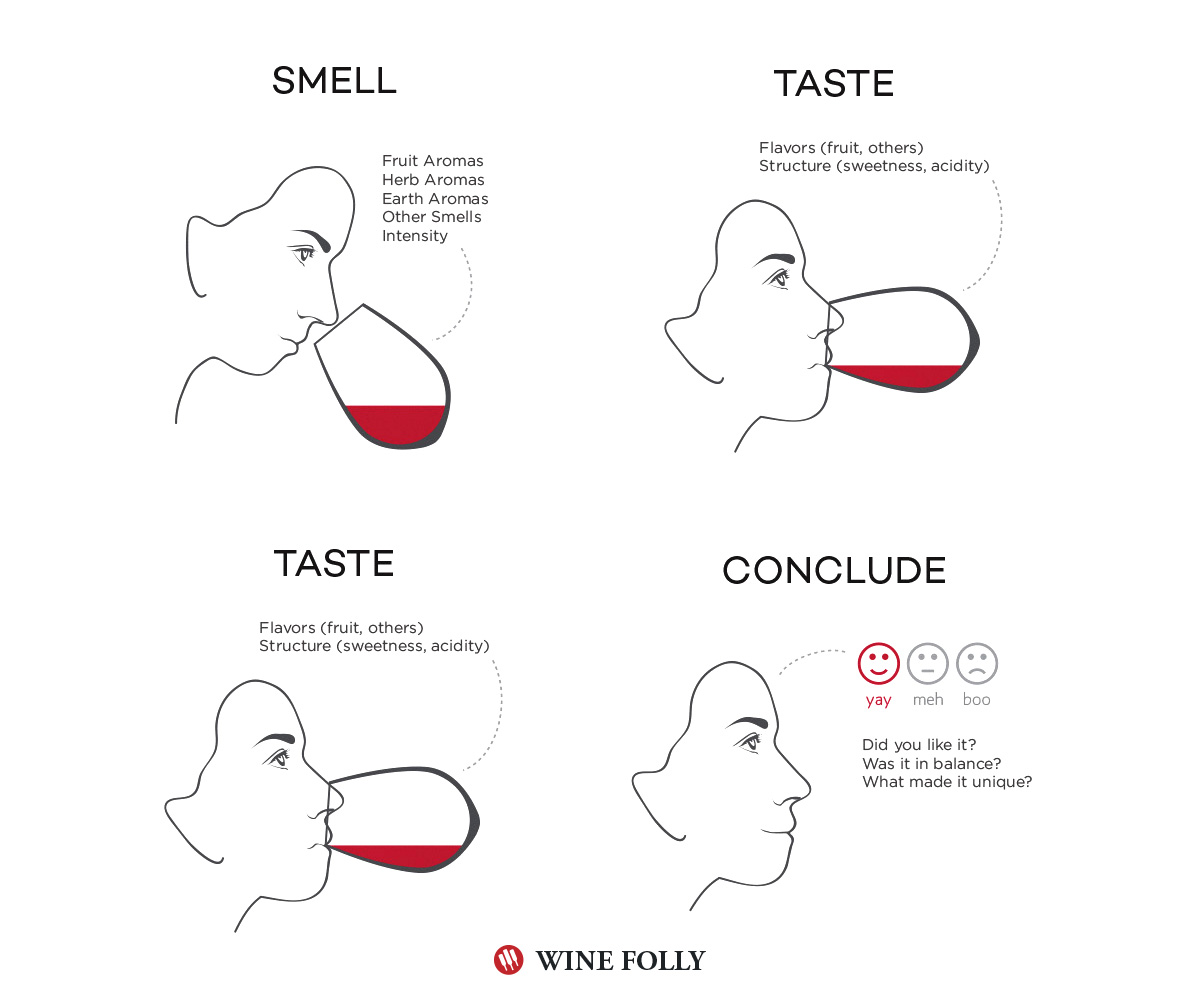
The Wine Tasting Challenge is built upon the foundation of the four-step tasting method, a standard pedagogical tool in the wine industry. This methodology requires tasters to engage in a sequential analysis: visual inspection, olfaction (smelling), gustation (tasting), and final conclusion. By isolating these steps, participants can more accurately identify structural components such as acidity, tannin levels, alcohol content, and residual sugar, as well as the complex aromatic profiles derived from different grape varieties and winemaking techniques.
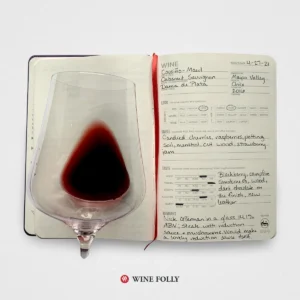
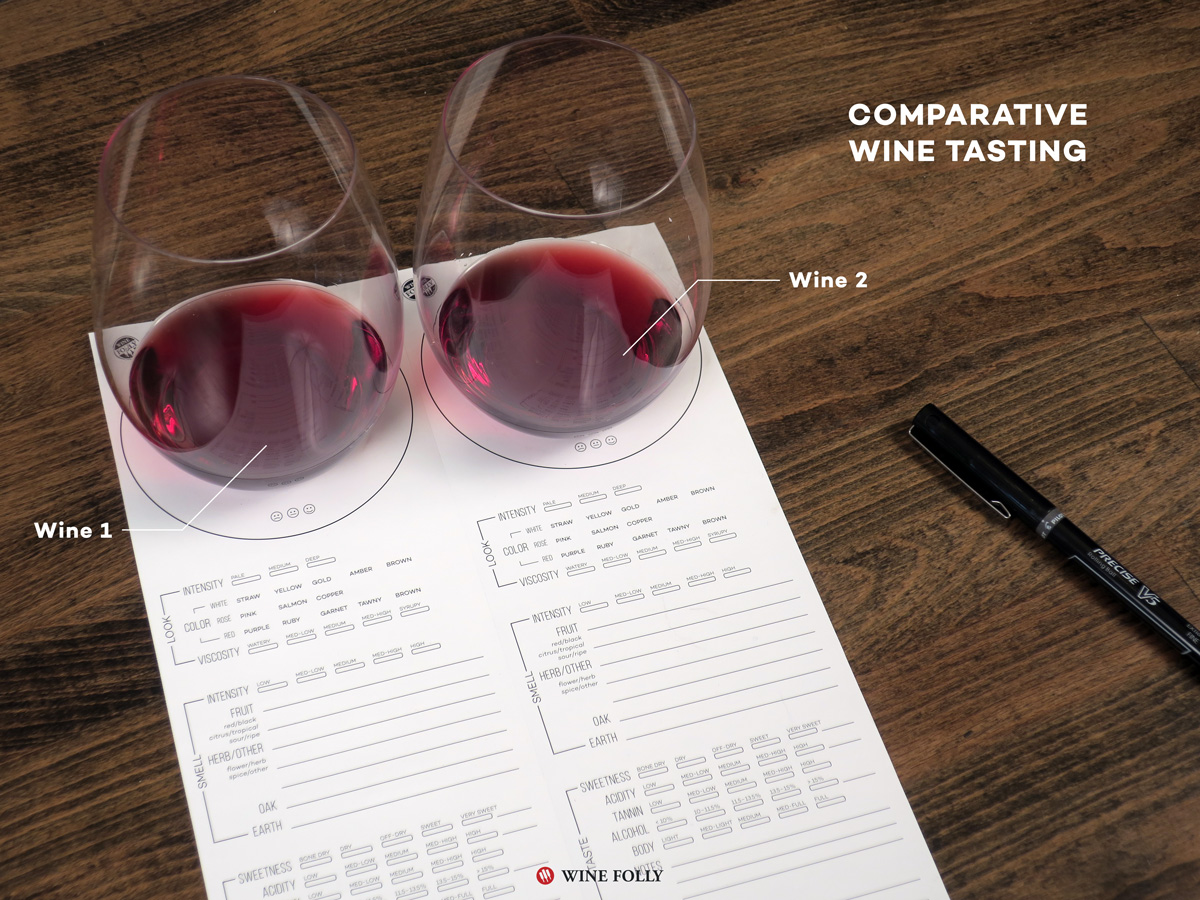
A central requirement of the challenge is the maintenance of a comprehensive wine journal. Educators and industry experts emphasize that the act of writing tasting notes facilitates the transition of sensory experiences from short-term memory to long-term cognitive recognition. Professional-grade documentation includes not only the flavor profile but also data regarding the vintage, region, producer, and price point, allowing for a holistic understanding of the bottle in a global market context.
A Chronological Curriculum: 34 Weeks of Global Exploration
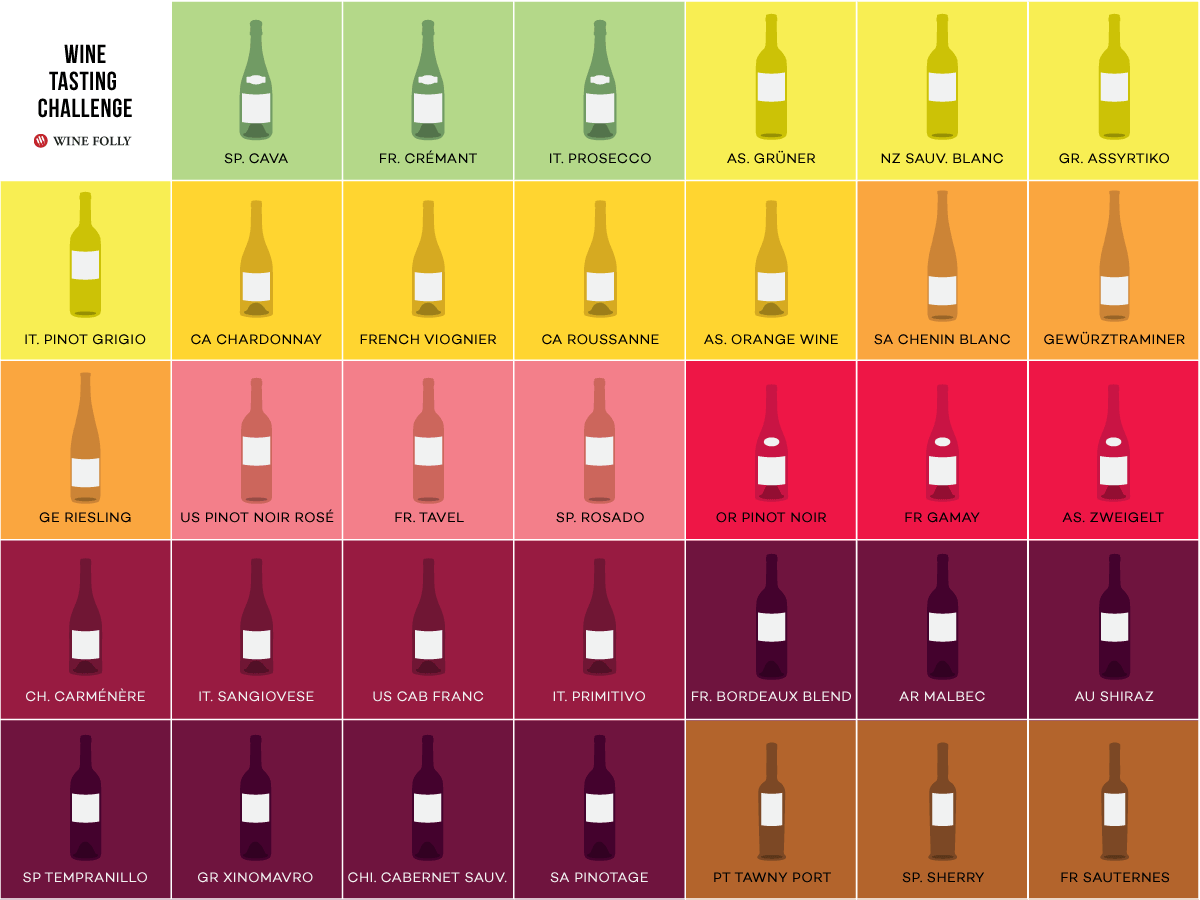
The 34-week timeline is meticulously curated to represent the diversity of the international wine landscape, covering major styles, regions, and varietals. The curriculum is divided into thematic segments, ensuring that participants encounter the full spectrum of the "wine map."
The Initial Phase: Foundations and Classic Profiles
The challenge commences with accessible yet character-defining styles. Week 1 begins with Spanish Cava, introducing the traditional method of sparkling wine production. This is followed by French Beaujolais (Gamay) and Italian Sangiovese (Chianti), which establish the benchmarks for light-to-medium-bodied reds with high acidity. The early weeks also introduce the concept of "terroir" through German Riesling and the structural complexity of a French Bordeaux Blend.
The Mid-Challenge: Regional Diversity and Comparative Styles
As participants progress into the second and third months, the focus shifts toward specific regional expressions. This includes the high-acidity profiles of New Zealand Sauvignon Blanc, the robust tannins of Argentinian Malbec, and the oak-influenced textures of California Chardonnay. The inclusion of French Crémant in Week 10 provides a comparative look at sparkling wines produced outside the Champagne region, further refining the taster’s ability to distinguish subtle stylistic nuances.
The Advanced Phase: Rare Varietals and Technical Deviations
The latter half of the challenge introduces more obscure or technically unique wines. Participants explore Chilean Carménère, South African Pinotage, and Greek Xinomavro. A notable inclusion in the curriculum is Austrian Orange Wine in Week 22. While traditionally classified as a full-bodied white, orange wine involves extended skin contact, a technique that challenges conventional classification boundaries. The challenge concludes with fortified and dessert wines, such as Spanish Dry Sherry, Portuguese Tawny Port, and French Sauternes, before ending on Week 34 with Chilean Cabernet Sauvignon.
Comparative Tasting and Technical Rigor
To maximize the educational impact, the program encourages comparative tasting—sampling two to four wines of a similar style side-by-side. This method is a staple of sommelier training, as it highlights the subtle differences that might be missed when a wine is tasted in isolation. For example, comparing a cool-climate Oregon Pinot Noir with a warmer-climate California Pinot Noir can illustrate the profound impact of temperature and sunlight on fruit ripeness and alcohol levels.
The challenge also operates under a set of "rules of thumb" designed to maintain the integrity of the learning process. These include selecting wines that are representative of their region (typicity) and avoiding flavored or highly manipulated commercial products that might obscure the natural characteristics of the grape.
Industry Context and the Rise of At-Home Education
The Wine Tasting Challenge arrives at a time when the wine education sector is experiencing rapid digital transformation. According to market analysis, the global wine market is increasingly driven by "knowledge-based purchasing." Modern consumers are moving away from generic labels in favor of specific varietals and regions, a trend accelerated by the availability of online resources and structured challenges like those provided by Wine Folly.
The program is supported by the "Wine Folly: Magnum Edition, The Master Guide," which serves as the primary textbook for the challenge. This integration of literature and practical application mirrors the curriculum of professional certification bodies. By providing a clear list of 34 wines, the organizers have lowered the barrier to entry for structured study, allowing consumers to "freestyle" their learning or follow the synchronized weekly schedule alongside a global community.
Data and Implications of Structured Tasting
Data from educational psychology suggests that sensory learning is most effective when it is consistent and iterative. By stretching the challenge over 34 weeks, the program leverages the "spacing effect," a psychological phenomenon where information is better retained when learning sessions are spread out over time.
The social implications of the challenge are also significant. The use of the hashtag #34Wines34Weeks on social media platforms has created a decentralized classroom. This allows for real-time peer review of tasting notes and provides a platform for participants to discuss the availability and pricing of specific bottles in different global markets. For the retail sector, such challenges create predictable demand for specific categories, such as Austrian Grüner Veltliner or French Viognier, which might otherwise see lower turnover in general liquor stores.
Expert Perspectives and Classification Debates
The inclusion of certain wines has sparked minor debates among traditionalists, particularly regarding the classification of orange wines as "full-bodied whites." However, industry experts argue that such deviations are necessary in a modern curriculum to reflect the evolving nature of winemaking. The "orange wine" movement represents a return to ancient techniques that are currently seeing a resurgence in the natural wine market.
Inferred reactions from wine educators suggest that the 34-week format is an ideal duration. It is long enough to cover the "noble grapes" and major styles but short enough to remain achievable for a dedicated hobbyist. It addresses a common criticism of weekend seminars or one-off tastings, which often provide too much information in too short a window for meaningful palate development.
Broader Impact on the Global Wine Market
The Wine Tasting Challenge is more than a personal hobby; it is a contributor to the professionalization of the consumer base. As more individuals complete these types of structured programs, the demand for transparency in labeling and higher quality in viticulture increases.
The challenge covers the following primary categories, ensuring a holistic education:
- Sparkling Wines: Focusing on carbonation methods and lees aging.
- Light to Full-Bodied Whites: Exploring the impact of oak, malolactic fermentation, and skin contact.
- Aromatic Whites: Highlighting terpenes and floral compounds.
- Rosé Wines: Examining regional styles from Provence to Spain.
- Red Wine Spectrum: Tracking the progression from thin-skinned, low-tannin grapes (Pinot Noir) to thick-skinned, high-tannin varieties (Cabernet Sauvignon).
- Dessert and Fortified: Understanding oxidation, noble rot (Botrytis), and fortification.
As the wine world becomes increasingly complex with the emergence of new regions in China, England, and Eastern Europe, the foundational knowledge provided by the 34-week challenge offers participants a compass. By the end of the 34 weeks, a participant will have moved through nearly every major wine-producing country, creating a mental library of flavors that serves as a permanent asset in both social and professional settings.
The Wine Tasting Challenge represents a significant step in the democratization of wine expertise. It proves that with a journal, a guide, and a disciplined weekly schedule, the complexities of the world’s vineyards can be decoded one glass at a time. The program continues to update its weekly notes and links, providing a living resource for anyone looking to transition from a casual drinker to a connoisseur.