
Linguine With Clam Sauce

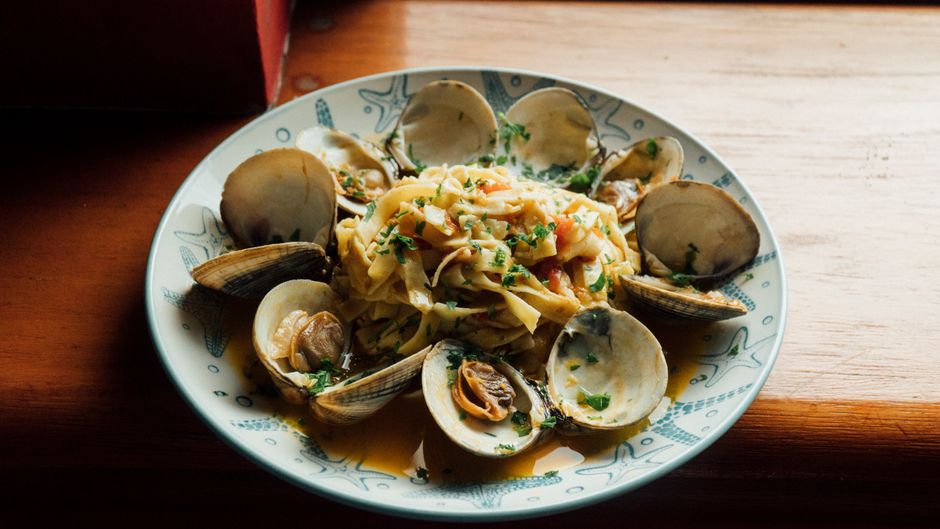
Linguine with Clam Sauce: A Culinary Masterpiece Explored
Linguine with clam sauce, or linguine alle vongole in its native Italian, represents a cornerstone of Italian-American coastal cuisine and holds a revered status in many Italian households. This deceptively simple dish, characterized by its delicate balance of briny clams, fragrant garlic, and perfectly cooked pasta, is a testament to the power of fresh, high-quality ingredients. Its appeal lies not only in its exquisite flavor profile but also in its relative ease of preparation, making it a popular choice for weeknight dinners and elegant entertaining alike. Understanding the nuances of this classic pasta dish, from the selection of ingredients to the precise cooking techniques, is crucial for achieving its authentic and satisfying taste. This article delves into the heart of linguine with clam sauce, exploring its history, variations, key ingredients, preparation methods, and tips for maximizing its culinary potential, offering a comprehensive guide for home cooks and food enthusiasts.
The historical roots of linguine with clam sauce are deeply intertwined with the maritime traditions of Italy, particularly the coastal regions of Campania and Lazio. Clams, readily available and abundant in the Mediterranean Sea, have been a staple food for centuries. The earliest iterations of pasta with seafood likely involved simple preparations, with garlic, olive oil, and herbs being the primary flavorings. The evolution to the specific linguine alle vongole that we recognize today can be attributed to the ingenuity of Italian cooks who mastered the art of extracting the briny juices from the clams and emulsifying them with olive oil and pasta water to create a light, yet flavorful sauce. While the exact origin story is debated, it is undeniable that this dish has traveled from the Italian peninsula to kitchens worldwide, adapting and evolving while retaining its core essence. Its migration to America, particularly along the East Coast with its significant Italian immigrant population, solidified its place in the culinary landscape, leading to its widespread popularity and numerous regional interpretations.
The success of linguine with clam sauce hinges on the quality and type of clams used. Two primary categories dominate: "little neck" clams and "cherrystone" clams. Little necks are the smallest and most tender, offering a delicate sweetness and a less intense brininess. They cook quickly and are ideal for a lighter sauce. Cherrystones, as their name suggests, are larger and more robust. They possess a more pronounced clam flavor and a slightly chewier texture, making them suitable for those who prefer a bolder taste. Beyond these common varieties, vongole veraci (true clams) are highly prized in Italy for their exceptional sweetness and delicate texture. When selecting clams, it is paramount to choose those that are alive and fresh. Live clams will have their shells tightly closed or will close when tapped. Avoid any with cracked shells or that remain open, as these are likely dead and unsafe for consumption. Thoroughly rinsing clams under cold running water is essential to remove any grit or sand. Some chefs advocate for a purging process, soaking the clams in salted water for a few hours or overnight to further expel sand, a crucial step for avoiding a gritty sauce.
Beyond the star ingredient, the clams, other components play equally vital roles. Linguine, with its flat, elongated shape, is the traditional pasta choice, offering an ideal surface area for the sauce to cling to. Its name, derived from the Italian word for "little tongues," hints at its elegant form. While linguine is canonical, other long pasta shapes like spaghetti, fettuccine, or even bucatini can be substituted, though they may alter the sauce’s distribution. High-quality extra virgin olive oil forms the flavorful base of the sauce. Its fruity notes and smooth texture are indispensable. Fresh garlic, minced or thinly sliced, provides a pungent aroma and a subtle sweetness that complements the clams beautifully. The debate between using raw garlic, minced very finely and added at the end, versus sautéing it gently in olive oil to mellow its bite, is a recurring theme among chefs. Red pepper flakes, though not always traditional, add a welcome hint of heat that cuts through the richness of the oil and enhances the overall flavor profile. Fresh parsley, finely chopped, is the quintessential herb garnish, providing a burst of freshness and visual appeal. White wine, typically a dry variety like Pinot Grigio or Sauvignon Blanc, is crucial for deglazing the pan, adding acidity, and building the sauce’s complexity. Some variations omit wine and rely solely on clam juice and pasta water.
The preparation of linguine with clam sauce can be broadly categorized into two main styles: red and white. The white clam sauce, or linguine alle vongole in bianco, is the more traditional and widely recognized version. It relies solely on olive oil, garlic, white wine, parsley, and the natural juices released from the clams. The red clam sauce, or linguine alle vongole in rosso, incorporates crushed tomatoes or tomato paste, lending a vibrant color and a slightly sweeter, more robust flavor. While delicious, it deviates from the pristine simplicity of the white sauce. Within the white sauce, further distinctions emerge, particularly concerning the addition of butter and the inclusion of clam juice from a can. Some recipes advocate for a small amount of butter to enrich the sauce, while others strictly adhere to olive oil. Canned clam juice, while convenient, can sometimes impart a metallic or less fresh flavor compared to the pure liquid extracted from freshly cooked clams. Purists often argue for the exclusive use of fresh clam liquor, supplemented by pasta water.
The cooking process for linguine with clam sauce is a delicate dance that requires timing and attention. The pasta is cooked separately in a large pot of generously salted boiling water until al dente, meaning it has a slight bite. It is crucial to reserve a generous amount of this starchy pasta water before draining, as it is an indispensable emulsifier for the sauce. While the pasta cooks, the sauce is prepared in a large, shallow pan or skillet. The process begins with gently warming the extra virgin olive oil over medium heat. Minced garlic is added, and it is sautéed until fragrant and just beginning to turn golden, being careful not to burn it, which would result in a bitter taste. Red pepper flakes, if using, are often added at this stage to bloom their flavor. The cleaned clams are then added to the pan, followed by the white wine. The pan is covered, and the clams are steamed until they open. This typically takes 5-7 minutes for little necks and slightly longer for cherrystones. Discard any clams that do not open. Once the clams have opened, the cooked linguine is added directly to the pan with the clams and sauce. The reserved pasta water is gradually ladled in, and the mixture is tossed vigorously. The starch from the pasta water, combined with the olive oil and clam juices, creates a luscious, emulsified sauce that coats the linguine beautifully. Freshly chopped parsley is stirred in at the very end, providing a final burst of freshness.
Tips for elevating linguine with clam sauce abound. The adage "fresh is best" holds true for every ingredient. Using high-quality, fresh clams is non-negotiable. Similarly, a good extra virgin olive oil makes a significant difference. Don’t be shy with the garlic; it’s a key flavor component. Similarly, a generous amount of fresh parsley is essential for brightness. Mastering the al dente pasta is crucial; overcooked pasta will result in a mushy dish. Reserving plenty of pasta water is a golden rule for achieving a perfect sauce consistency. Some chefs advocate for adding a splash of lemon juice at the very end for an extra layer of brightness, although this is a departure from strict tradition. For an even richer flavor, some recipes suggest adding a small knob of cold butter at the end, whisked into the sauce until emulsified, though this is a matter of personal preference. For those seeking a more intense clam flavor, using a combination of fresh clams and a high-quality canned clam broth can be an option, but fresh is always preferred for purity.
Variations on the classic linguine with clam sauce are as diverse as the cooks who prepare them. The aforementioned red sauce variation, incorporating tomatoes, offers a hearty and colorful alternative. Some Italian-American families add pancetta or prosciutto to the red sauce for added depth of flavor and a salty counterpoint to the tomatoes. Seafood additions are also common. Shrimp, mussels, or scallops can be incorporated alongside the clams, transforming the dish into a mixed seafood pasta. For a spicier rendition, a more generous hand with the red pepper flakes or the addition of fresh chili peppers can be employed. Some adventurous cooks have even experimented with adding a touch of cream or a sprinkle of Pecorino Romano cheese, though purists would likely frown upon these additions, as the delicate flavor of the clams is best allowed to shine on its own without overpowering elements.
Serving linguine with clam sauce is an experience in itself. It is traditionally served immediately, hot from the pan, to best appreciate the textures and flavors. A simple side salad with a light vinaigrette is the perfect accompaniment, providing a refreshing contrast to the richness of the pasta. Crusty bread, ideal for sopping up any lingering sauce, is a welcome addition. The wine pairing is equally important. A crisp, dry white wine, such as the one used in the sauce itself, is the classic choice. Vermentino, Fiano, or a dry Riesling can also complement the briny notes of the clams beautifully.
The SEO appeal of linguine with clam sauce lies in its universal recognition and frequent search queries. Keywords such as "linguine clam sauce recipe," "linguine alle vongole," "easy clam pasta," "white clam sauce," "how to make clam sauce," "fresh clams pasta," and "Italian seafood pasta" are highly relevant. Optimizing content with these terms, along with related phrases like "garlic butter clam sauce," "linguine with fresh clams," and "authentic linguine alle vongole," will enhance search engine visibility. High-quality images and clear, step-by-step instructions are also crucial for user engagement and search engine rankings. The comprehensiveness of this article, covering history, ingredients, variations, and preparation, aims to provide valuable, in-depth information that users are actively seeking, thus boosting its discoverability and authority in search results.
In conclusion, linguine with clam sauce is more than just a dish; it is a celebration of fresh ingredients, simple techniques, and a culinary tradition that spans generations. Its enduring popularity is a testament to its exquisite flavor and its ability to evoke feelings of comfort and sophistication. By understanding and respecting the core principles of its preparation, from the meticulous selection of clams to the artful emulsification of the sauce, home cooks can recreate this beloved Italian classic with confidence and flair, bringing a taste of the Italian coast to their own tables. The journey from the simple bounty of the sea to a perfectly plated bowl of linguine with clam sauce is a culinary adventure worth embarking on.


