
Chinese Sticky Rice Cake

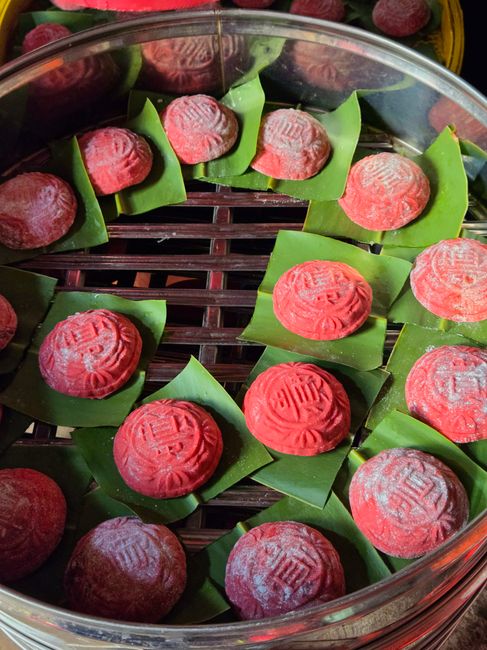
Chinese Sticky Rice Cake: A Deep Dive into Nian Gao’s Culinary Significance, Preparation, and Cultural Resonance
Chinese sticky rice cake, commonly known as nian gao (年糕), is a quintessential delicacy deeply interwoven with Chinese culinary traditions, particularly around the Lunar New Year. Its name, nian gao, is a homophone for "higher year," symbolizing aspirations for advancement and prosperity in the coming year. This layered meaning elevates the humble rice cake from a mere dessert to a potent cultural emblem. The foundational ingredient is glutinous rice flour, which, when cooked, imparts the characteristic chewy, sticky texture that gives nian gao its name and its enduring appeal. The preparation methods are as diverse as the regions of China themselves, ranging from simple steaming to intricate frying and baking techniques. Understanding nian gao requires exploring its rich history, the varied regional interpretations, the fundamental cooking processes, and the symbolic significance that makes it an indispensable part of Chinese celebrations.
The origins of nian gao can be traced back over two thousand years, to the Zhou Dynasty. Historical records suggest that sticky rice cakes were offered as sacrifices to ancestors during the autumn harvest festival. Over centuries, the practice evolved, and nian gao became more prominently associated with the Lunar New Year, a time for family reunions and wishing for good fortune. The exact evolution of its form and flavor is difficult to pinpoint definitively, but it’s understood that regional adaptations and the availability of different ingredients played a significant role. Early versions likely involved simpler preparations, focusing on the natural sweetness and texture of glutinous rice. As trade and culinary knowledge expanded, so did the complexity of nian gao, with the introduction of sweeteners like brown sugar, honey, and later, white sugar, as well as flavorings and fillings. The practice of gifting nian gao during the New Year also emerged, solidifying its role as a symbol of good wishes and shared prosperity. The continuous adaptation and regionalization of nian gao ensure its relevance and popularity across diverse Chinese communities.
Regional variations in Chinese sticky rice cake are vast and contribute to its multifaceted identity. In Northern China, nian gao often leans towards a more savory profile, sometimes incorporating ingredients like red beans, dates, or even pork. The texture in these regions can be firmer, designed for slicing and pan-frying, resulting in a crispy exterior and a soft, chewy interior. Shanghai, for instance, is renowned for its sweet nian gao, often flavored with brown sugar and sesame seeds, and can be found in both white and brown varieties. The white version is typically steamed, while the brown sugar variant is often pan-fried or braised. Southern China, particularly regions like Guangdong, presents a sweeter and often more elaborate rendition. Here, nian gao is frequently infused with coconut milk, adorned with candied fruits, and sometimes prepared as a steamed pudding. The Cantonese style of nian gao is often made with both glutinous rice flour and rice flour, creating a lighter, less intensely chewy texture compared to pure glutinous rice versions. These regional differences are not merely stylistic; they reflect local agricultural produce, historical influences, and distinct culinary philosophies. Exploring these variations offers a fascinating glimpse into the diverse tapestry of Chinese food culture, with each region adding its unique stamp to this beloved cake.
The fundamental preparation of Chinese sticky rice cake hinges on the properties of glutinous rice flour. This flour, derived from milled short-grain glutinous rice, is characterized by a high amylopectin content, which is responsible for its signature sticky and elastic texture when cooked. The basic process typically involves mixing the glutinous rice flour with a liquid, usually water or coconut milk, to form a thick batter or dough. The ratio of flour to liquid is critical and influences the final texture. Too much liquid results in a mushy cake, while too little can lead to a dry and brittle texture. Sweeteners, such as sugar (white, brown, or rock sugar), are almost always incorporated to enhance flavor and also contribute to the cake’s texture and browning when fried. Flavorings, like sesame oil, vanilla extract, or fruit purees, can be added at this stage to impart specific tastes.
Steaming is a ubiquitous and foundational cooking method for nian gao. The batter or dough is typically placed in a greased mold, often lined with parchment paper or banana leaves to prevent sticking and impart subtle aromas. The mold is then placed in a steamer basket over boiling water and cooked until the cake is firm and cooked through. The steaming process ensures that the glutinous rice grains hydrate fully, resulting in the characteristic chewy and yielding texture. The cooking time can vary depending on the thickness of the cake and the steaming apparatus. Undercooked nian gao will have a raw, floury taste and a pasty texture, while overcooked versions can become tough and rubbery. Successful steaming yields a cake that is tender, cohesive, and possesses a satisfying chew.
Frying is another popular method, especially for certain regional variations and for preparing leftover nian gao. Slices of pre-steamed nian gao are pan-fried in oil, often with a small amount of water to create steam, which helps to soften the interior while the exterior crisps up. This method is particularly favored in areas where a slightly firmer, more resilient nian gao is preferred. The high heat of frying caramelizes the sugars in the cake, leading to a golden-brown crust and a delightful contrast between the crispy exterior and the soft, chewy interior. The type of oil used can also influence the flavor, with neutral oils like vegetable oil or peanut oil being common choices. The skill in frying lies in achieving an even crispness without burning the cake or making it excessively greasy.
Baking is less common than steaming or frying but is employed in some contexts, particularly for incorporating nian gao into other dishes or for creating specific textures. Baked nian gao might have a slightly drier and more cake-like consistency compared to steamed or fried versions, and it can serve as a base for other toppings or be incorporated into savory dishes. Some recipes might involve baking a nian gao mixture directly, while others might involve baking pre-formed shapes. The oven temperature and baking time need to be carefully controlled to ensure the glutinous rice flour cooks thoroughly without drying out excessively.
The symbolic significance of Chinese sticky rice cake, particularly during the Lunar New Year, is profound and deeply rooted in Chinese culture. The name nian gao (年糕) is a homophone for "higher year" (年高), a linguistic play that imbues the cake with the aspiration for progress and improvement in the coming year. This symbolism is not merely superficial; it reflects a core cultural value of continuous advancement in all aspects of life, including career, education, and personal well-being. The act of eating nian gao during this festive period is thus an act of wishing and manifesting good fortune and prosperity for oneself and one’s family. The layered nature of some nian gao preparations can also symbolize ascending to higher levels, further reinforcing this theme of progress.
Beyond the general theme of advancement, specific ingredients and shapes of nian gao carry their own auspicious meanings. Red beans, often incorporated into nian gao, are believed to ward off evil spirits. Dates symbolize fertility and the wish for children. Lotus seeds represent fertility and offspring. The use of specific molds, often shaped like fish or ingots, further amplifies these auspicious connotations. The fish, a common motif, symbolizes abundance and surplus, as the word for fish (鱼, yú) is a homophone for "abundance" (余, yú). Ingots, resembling ancient Chinese currency, directly represent wealth and prosperity. The tradition of gifting nian gao during the Lunar New Year reinforces its role as a tangible expression of good wishes and blessings for the recipient’s future.
The sweet variations of nian gao are perhaps the most widely recognized and consumed, especially outside of China. These often feature a subtle sweetness that complements the chewy texture of the glutinous rice. Brown sugar nian gao is a classic, offering a richer, molasses-like flavor and a beautiful amber hue. This type is particularly popular in Shanghai and is often enjoyed pan-fried, which enhances its caramel notes. Coconut milk is another common addition to sweet nian gao, especially in southern China and Southeast Asian Chinese communities. Coconut milk imparts a creamy richness and a delicate tropical aroma, creating a luscious and fragrant cake. These sweet versions are often enjoyed on their own as a dessert or snack, though they can also be incorporated into more elaborate sweet dishes.
Savory applications of Chinese sticky rice cake highlight its versatility. In many northern Chinese cuisines, nian gao is treated as a staple ingredient rather than just a dessert. It can be sliced thinly and stir-fried with vegetables, meat, and sauces, becoming a hearty and satisfying dish. A popular example is nian gao stir-fried with pork and kimchi, a dish that blends Chinese and Korean influences. The firm texture of nian gao allows it to hold its shape during stir-frying, absorbing the flavors of the other ingredients while retaining its signature chew. This adaptation demonstrates how nian gao can be integrated into everyday meals, showcasing its adaptability beyond festive occasions.
The role of nian gao as a gift item cannot be overstated. During the Lunar New Year, it is customary for families to exchange gifts, and nian gao is a perennial favorite. Its auspicious name and symbolism make it an ideal present, conveying wishes for a prosperous and successful year ahead. Elaborate gift boxes containing beautifully crafted nian gao are common, often featuring intricate designs and premium packaging. The act of giving and receiving nian gao strengthens familial and social bonds, reinforcing community ties during this important festival. The inclusion of different flavors and varieties in gift sets allows for a personalized touch, catering to the recipient’s preferences.
The nutritional profile of Chinese sticky rice cake is important to consider. Primarily composed of glutinous rice flour, it is a source of carbohydrates, providing energy. However, it is also relatively low in protein and fat, unless specific ingredients like nuts or oils are added. The sugar content can vary significantly depending on the recipe, with sweeter versions contributing more to daily sugar intake. Due to its high carbohydrate content and chewy texture, it can be quite filling. Individuals with dietary restrictions, such as those managing diabetes, should consume nian gao in moderation and be mindful of the added sugars. Regional variations in ingredients, such as the inclusion of red beans or dates, can slightly alter the nutritional composition, adding fiber and some micronutrients.
The consumer market for nian gao is robust, particularly during the Lunar New Year season. Supermarkets, specialty Asian grocery stores, and online retailers offer a wide array of nian gao products, catering to diverse preferences. Consumers can find pre-packaged nian gao in various flavors and forms, as well as ingredients for home preparation. The demand for authentic and high-quality nian gao is consistently strong, driving innovation in product development and marketing. Food manufacturers often introduce limited-edition flavors and packaging for the festive period, further stimulating consumer interest. The global diaspora of Chinese communities also contributes to a significant international market for nian gao.
In conclusion, Chinese sticky rice cake, or nian gao, is far more than just a simple confection. It is a culinary artifact steeped in history, imbued with profound cultural significance, and celebrated for its diverse regional interpretations and preparation methods. From its ancient origins as a harvest offering to its modern-day status as an indispensable Lunar New Year delicacy, nian gao embodies the Chinese aspirations for progress, prosperity, and good fortune. The chewy texture, derived from glutinous rice flour, serves as the canvas for a spectrum of flavors and regional adaptations, whether steamed, fried, or baked. Its symbolic resonance, particularly the homophonic connection to "higher year," solidifies its place as a cherished emblem of hope and advancement. As a gift, a staple, or a dessert, nian gao continues to nourish bodies and spirits, connecting generations through the enduring legacy of Chinese culinary tradition. Its multifaceted appeal ensures its continued relevance and popularity, both within China and across the global Chinese diaspora.


