
Chicken And Broccoli Curry

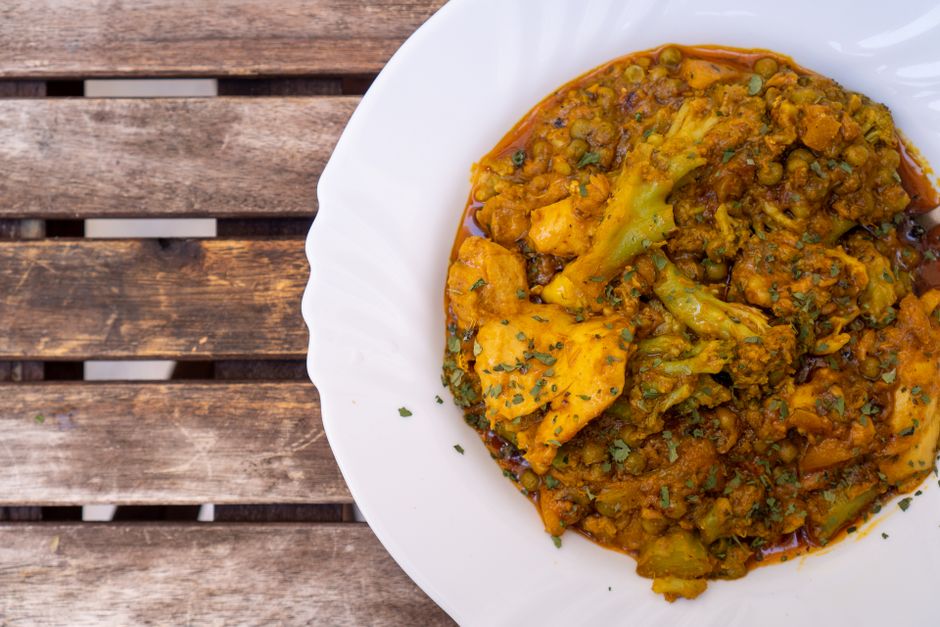
The Ultimate Guide to Chicken and Broccoli Curry: Flavor, Nutrition, and Culinary Mastery
Chicken and broccoli curry represents a harmonious fusion of tender chicken, crisp-tender broccoli florets, and a rich, aromatic curry sauce, delivering a dish that is both incredibly flavorful and remarkably nutritious. This culinary creation transcends simple weeknight meals, offering a sophisticated yet accessible option for home cooks seeking to explore the vibrant world of Indian-inspired cuisine. The inherent versatility of chicken and broccoli curry allows for endless customization, catering to diverse palates and dietary preferences. At its core, the dish leverages the mild, adaptable nature of chicken, which readily absorbs the complex spices and seasonings of the curry base. Broccoli, with its slightly earthy notes and satisfying texture, provides a healthy counterpoint, offering a significant source of vitamins C and K, fiber, and antioxidants. The magic truly happens in the sauce, where a carefully curated blend of aromatic spices, creamy coconut milk or yogurt, and a touch of acidity creates a symphony of tastes and aromas. From the initial sizzle of ginger and garlic to the final simmer that melds the ingredients, the preparation of chicken and broccoli curry is a rewarding culinary journey. Understanding the foundational elements – the proteins, vegetables, aromatics, and the curry base – is crucial for achieving exceptional results.
The foundation of any great chicken and broccoli curry begins with the quality of its primary ingredients. Chicken, being a lean protein source, is an excellent choice, offering satiety and essential amino acids. Boneless, skinless chicken thighs are often preferred for their richer flavor and moisture retention, ensuring a more succulent end product. However, chicken breast can also be used, though care must be taken to avoid overcooking, which can lead to dryness. Uniformity in chicken piece size is paramount for even cooking. Bite-sized cubes or strips, roughly 1-1.5 inches, ensure that each piece cooks through at the same rate, preventing some pieces from being overdone while others remain undercooked. Broccoli, the vibrant green partner in this dish, should be fresh and firm, with tightly packed florets and unblemished stalks. While florets are the most common application, tender broccoli stems, peeled and sliced, can also contribute to the texture and flavor profile. The preparation of broccoli is key; it should be blanched or steamed separately until crisp-tender before being added to the curry. This technique preserves its bright green color, prevents it from becoming mushy in the sauce, and ensures it retains its nutritional integrity. Overcooking broccoli can result in a loss of its vibrant color and a less appealing texture.
The soul of chicken and broccoli curry lies in its aromatic base and the intricate spice blend that defines its flavor. This aromatic foundation typically starts with a sauté of finely minced garlic, ginger, and onions. Garlic and ginger, integral to many global cuisines, impart a pungent, slightly sweet, and deeply savory character. Their release of volatile oils during sautéing forms the aromatic bedrock upon which the curry is built. Onions, when caramelized, contribute sweetness and depth, rounding out the initial flavor profile. The choice of fat for this initial sauté is also significant. Ghee, clarified butter, is traditional in many Indian curries and imparts a nutty richness. Neutral oils like vegetable, canola, or coconut oil are also excellent options, depending on the desired flavor nuances. The spice blend is where the true artistry of curry creation unfolds. Common components include turmeric for its vibrant color and earthy notes, cumin for its warm, slightly smoky flavor, coriander for its citrusy, floral aroma, and garam masala, a complex blend that typically includes cinnamon, cardamom, cloves, and black pepper, added towards the end of cooking for a burst of fragrance. Heat can be introduced through red chili powder or fresh chilies, like green or red serranos or jalapeños, their intensity adjusted to personal preference. Other optional, yet impactful, spices include mustard seeds, fenugreek seeds, and curry leaves, each contributing unique layers of flavor. The precise ratio of these spices dictates the final character of the curry, from mild and creamy to intensely spiced and zesty.
The liquid component of the curry sauce provides both body and a vehicle for the flavors to meld and develop. Coconut milk, derived from the flesh of ripe coconuts, is a ubiquitous choice for its rich, creamy texture and subtle sweetness. Full-fat coconut milk yields the most luxurious sauce, while light coconut milk offers a lower-fat alternative. The natural fats in coconut milk also help to emulsify the sauce, creating a smooth, cohesive consistency. Alternatively, yogurt, particularly full-fat plain yogurt, can be used to achieve a creamy sauce. However, yogurt requires careful tempering to prevent curdling, a process where a small amount of the hot liquid from the pot is gradually whisked into the yogurt before it’s added to the main sauce. This gradual warming prevents the proteins in the yogurt from denaturing too quickly when exposed to high heat. Tomatoes, either as crushed tomatoes, tomato paste, or fresh diced tomatoes, add acidity and a touch of sweetness, balancing the richness of the coconut milk or yogurt and the intensity of the spices. The acidity also helps to tenderize the chicken and meld the flavors. Broth, such as chicken or vegetable broth, can be used to adjust the consistency of the sauce if it becomes too thick, adding a subtle savory note without overpowering the other ingredients. A squeeze of fresh lime or lemon juice added at the very end of cooking provides a bright, refreshing counterpoint that awakens all the flavors.
The cooking process for chicken and broccoli curry is a deliberate sequence designed to maximize flavor development and achieve optimal texture. The process begins with heating the chosen fat in a large pot or Dutch oven over medium heat. The aromatics – onions, garlic, and ginger – are then added and sautéed until softened and fragrant, with the onions achieving a light golden hue, indicating caramelization. Next, the ground spices are added and toasted for about a minute until their aromas are released. This "blooming" of the spices in hot oil intensifies their flavor and fragrance. The chicken pieces are then introduced and browned on all sides. This searing step locks in juices and adds a layer of savory flavor through the Maillard reaction. Once the chicken is partially cooked, the liquid components – coconut milk, tomatoes, and broth if using – are added. The mixture is brought to a simmer, and the heat is reduced to low. The curry is then left to gently simmer, allowing the flavors to meld and the chicken to become fully tender. This simmering period can range from 15 to 30 minutes, depending on the cut of chicken used. During this time, the broccoli is typically prepared. If blanched, it should be cooked in boiling water for 2-3 minutes until bright green and crisp-tender, then immediately plunged into ice water to stop the cooking process and preserve its color. Finally, the prepared broccoli is added to the simmering curry for the last 5-10 minutes of cooking, just long enough to heat through and absorb some of the sauce’s flavor without becoming overcooked. Seasoning with salt and pepper, and a final squeeze of citrus, completes the dish.
Nutritionally, chicken and broccoli curry is a power player, offering a well-rounded profile of essential macronutrients and micronutrients. Chicken provides a lean source of protein, vital for muscle repair and growth, as well as for maintaining satiety. Broccoli is a nutritional heavyweight, packed with Vitamin C, a potent antioxidant that supports immune function and collagen production. It’s also a good source of Vitamin K, essential for blood clotting and bone health. The fiber content in broccoli aids digestion and contributes to feelings of fullness, making this dish a satisfying option for weight management. If using coconut milk, it provides healthy fats, which are important for hormone production and nutrient absorption. The spices themselves are not merely flavor enhancers; many possess their own health benefits. Turmeric, for instance, contains curcumin, a compound with powerful anti-inflammatory and antioxidant properties. Cumin and coriander also offer various phytonutrients. When served with whole grains like brown rice or quinoa, chicken and broccoli curry becomes a complete meal, providing complex carbohydrates for sustained energy. The balance of protein, healthy fats, fiber, and a rich array of vitamins and minerals makes this curry a truly wholesome and guilt-free indulgence.
The SEO potential of "chicken and broccoli curry" is significant, driven by its popularity as a search term for both recipe inspiration and healthy meal ideas. Keywords such as "easy chicken curry recipe," "healthy broccoli chicken," "coconut milk curry," "spicy chicken curry," and "quick dinner ideas" can be strategically incorporated to capture a wider audience. Targeting long-tail keywords like "best chicken and broccoli curry with coconut milk" or "low-carb chicken and broccoli curry" can attract users with specific culinary interests. The inherent health benefits associated with chicken and broccoli, coupled with the growing interest in plant-based and nutrient-dense diets, further enhance the searchability of this dish. Discussions around authentic curry spices, different regional curry variations, and the benefits of specific ingredients like ginger, garlic, and turmeric can also be woven into content to improve search engine rankings. The visual appeal of a vibrant chicken and broccoli curry is also a powerful driver for online engagement, making high-quality imagery and video content crucial for attracting clicks and shares.
Customization and variation are key strengths of chicken and broccoli curry, allowing it to adapt to various dietary needs and flavor preferences. For a spicier rendition, increasing the quantity of chili powder or adding fresh jalapeños or bird’s eye chilies will elevate the heat level. For a milder version, reducing the chili elements and focusing on the aromatic spices and creamy base will yield a more subdued flavor. Vegetarians can easily adapt this dish by substituting chicken with firm tofu, paneer (Indian cottage cheese), or a medley of other vegetables like cauliflower, bell peppers, and snap peas. For those seeking a gluten-free option, ensuring that all spices and any added broth are certified gluten-free is essential, as many pre-made curry pastes can contain gluten. A dairy-free version is readily achieved by exclusively using coconut milk and avoiding yogurt. Some culinary enthusiasts enjoy adding a tablespoon of peanut butter or almond butter to the sauce for an extra layer of creaminess and nutty depth. A splash of soy sauce or tamari can introduce a savory umami element, while a pinch of sugar can help to balance the acidity of the tomatoes. The addition of fresh herbs like cilantro or mint as a garnish adds a burst of freshness and visual appeal. The possibilities are truly endless, making chicken and broccoli curry a dish that can be revisited and reinvented time and time again.
Serving chicken and broccoli curry is as crucial to the overall dining experience as its preparation. The classic accompaniment is steamed rice, which serves as a neutral canvas to soak up the flavorful sauce. Basmati rice, with its delicate aroma and fluffy texture, is a traditional choice. For a healthier alternative, brown rice or quinoa can be served, offering additional fiber and complex carbohydrates. Naan bread, a soft, leavened flatbread, is another popular accompaniment, perfect for scooping up every last drop of the delicious curry. Roti or chapati, unleavened whole wheat flatbreads, are also excellent options. A cooling raita, a yogurt-based condiment often mixed with cucumber, mint, or other vegetables, provides a refreshing contrast to the heat of the curry. A simple side salad or some pickled onions can also offer a welcome textural and flavor contrast. The garnishes play a vital role in both presentation and flavor enhancement. A generous sprinkle of fresh cilantro, chopped parsley, or a scattering of toasted slivered almonds adds visual appeal and a burst of freshness. A final squeeze of lime or lemon juice just before serving brightens all the flavors.
In conclusion, chicken and broccoli curry is a culinary masterpiece that masterfully combines savory protein, nutrient-rich vegetables, and a complex tapestry of aromatic spices. Its inherent versatility, combined with its impressive nutritional profile, makes it an ideal dish for both everyday meals and more elaborate gatherings. By understanding the fundamental principles of ingredient selection, aromatic layering, and balanced sauce construction, home cooks can confidently recreate this beloved curry with exceptional results. The ongoing interest in healthy eating, global flavors, and adaptable recipes ensures that chicken and broccoli curry will remain a popular and highly searchable dish for years to come, offering a delicious and satisfying experience for palates of all kinds.


