
Korean Fried Chicken Sauce

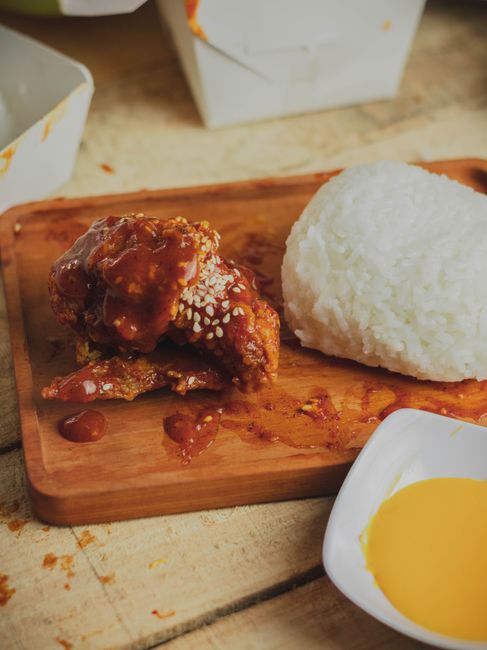
The Ultimate Guide to Korean Fried Chicken Sauces: Flavor Profiles, Recipes, and Culinary Secrets
Korean fried chicken, or chikin, is a global phenomenon, and its iconic status is intrinsically linked to its sensational sauces. Beyond a simple crunchy coating, the true magic of K-fried chicken lies in the vibrant, complex, and often addictive sauces that are slathered, dipped, or tossed onto the crispy pieces. These sauces elevate the humble chicken to an art form, offering a symphony of sweet, savory, spicy, and umami flavors that tantalize the taste buds. Understanding the nuances of these sauces is key to appreciating and replicating the authentic K-fried chicken experience. This comprehensive guide delves deep into the world of Korean fried chicken sauces, exploring their core components, popular variations, essential recipes, and the culinary techniques that make them so irresistible.
At the heart of most Korean fried chicken sauces lies a foundation of potent, flavor-packed ingredients. Soy sauce, ganjang (간장), is a cornerstone, providing the essential salty and umami base. Its depth of flavor is crucial for balancing sweetness and spice. Next, sweetness is often introduced through honey, corn syrup, or sugar. Honey imparts a delicate floral sweetness and a beautiful sheen, while corn syrup provides a smooth, glossy texture and consistent sweetness. Sugar, in its various forms, offers a more direct sweetness that can be easily manipulated. Garlic and ginger are indispensable aromatics, providing pungent depth and a warm, spicy kick. Freshly minced garlic and grated ginger release their oils and fragrances readily, infusing the sauce with their characteristic zest. Gochujang (고추장), the iconic Korean chili paste, is the primary source of heat and a crucial element for many K-fried chicken sauces. Its fermented soybean and chili pepper base delivers a unique blend of spicy, savory, and slightly sweet notes, along with a rich umami. Gochugaru (고춧가루), Korean chili flakes, further amplifies the heat and introduces a more direct chili flavor. The type of gochugaru – whether fine or coarse, sun-dried or machine-ground – can subtly influence the heat level and visual appeal of the sauce. Rice vinegar or mirin (sweet rice wine) often feature to add a touch of acidity, cutting through richness and brightening the overall flavor profile. Mirin also contributes a subtle sweetness and gloss. Sesame oil, a finishing touch for many, imparts a nutty, toasty aroma that is quintessentially Korean.
The spectrum of Korean fried chicken sauces is vast, but several popular flavor profiles dominate. The most ubiquitous is undoubtedly the Sweet and Spicy sauce, often referred to as yangnyeom (양념). This is the quintessential K-fried chicken sauce, a harmonious blend that perfectly balances intense sweetness with a fiery chili kick. The yangnyeom sauce typically incorporates a generous amount of gochujang, soy sauce, honey or corn syrup, garlic, and sometimes a touch of vinegar. The resulting glaze is thick, sticky, and incredibly addictive, clinging to the crispy chicken in a delightful embrace. Its vibrant red hue is instantly recognizable and promises an explosion of flavor with every bite.
Another beloved variation is the Savory Garlic Soy sauce. This sauce offers a more nuanced and less overtly spicy profile, focusing on the umami-rich combination of soy sauce and pungent garlic. Often, this sauce will feature a higher ratio of soy sauce to other ingredients, enhanced by copious amounts of minced garlic, a hint of ginger, and sometimes a touch of mirin or brown sugar for subtle sweetness and gloss. This sauce appeals to those who prefer a deep, savory experience without overwhelming heat. It’s also a fantastic option for those who find yangnyeom too spicy.
The Honey Butter chicken is a more recent but wildly popular addition to the K-fried chicken scene. This decadent sauce offers a rich, buttery sweetness with a hint of salt. The primary components are butter, honey, and often milk or cream for a smoother consistency. A touch of garlic powder or onion powder might be included to add a savory undertone, preventing it from becoming cloyingly sweet. The melted butter creates a luscious, emulsified sauce that coats the chicken in a luxurious, golden sheen. The contrast between the sweet, creamy sauce and the crispy chicken is simply divine.
For those who crave an extra punch of flavor and heat, the Spicy Garlic or Volcano sauce is the answer. This variation amps up the spice significantly, often using a combination of gochujang, gochugaru, and fresh chilies. The garlic element remains strong, providing a robust savory counterpoint to the intense heat. These sauces are not for the faint of heart, but for chili enthusiasts, they offer an exhilarating taste experience.
A more refined and slightly less common, yet equally delicious, option is the Black Pepper Soy sauce. This sauce leans into the peppery notes, utilizing freshly cracked black pepper as a prominent flavor. Soy sauce forms the base, with black pepper, garlic, ginger, and often a touch of oyster sauce for added umami and richness. The subtle heat and aroma of black pepper create a sophisticated and complex flavor profile.
Now, let’s dive into some essential recipes to help you recreate these iconic sauces at home.
Classic Yangnyeom (Sweet and Spicy) Sauce Recipe:
This recipe aims for a balanced, crowd-pleasing yangnyeom sauce.
Ingredients:
- 1/4 cup gochujang (Korean chili paste)
- 1/4 cup soy sauce
- 1/4 cup honey or corn syrup
- 2 tablespoons rice vinegar or mirin
- 2 tablespoons minced garlic
- 1 tablespoon grated ginger
- 1 tablespoon sugar (optional, for extra sweetness)
- 1 teaspoon sesame oil
Instructions:
- In a medium saucepan, combine gochujang, soy sauce, honey (or corn syrup), rice vinegar (or mirin), minced garlic, grated ginger, and sugar (if using).
- Whisk all ingredients together until well combined.
- Place the saucepan over medium heat. Bring the mixture to a gentle simmer, stirring constantly.
- Cook for 5-7 minutes, or until the sauce thickens slightly and becomes glossy. Be careful not to boil it vigorously, as this can burn the sugars.
- Remove from heat and stir in the sesame oil.
- Allow the sauce to cool slightly before tossing with your fried chicken. For a thicker, more glaze-like consistency, you can cook it for a few more minutes, but watch closely to prevent burning.
Savory Garlic Soy Sauce Recipe:
This recipe focuses on deep, savory flavors with a pleasant garlic punch.
Ingredients:
- 1/3 cup soy sauce
- 3 tablespoons mirin or honey
- 2 tablespoons minced garlic
- 1 tablespoon grated ginger
- 1 teaspoon brown sugar
- 1/2 teaspoon sesame oil
Instructions:
- In a small saucepan, combine soy sauce, mirin (or honey), minced garlic, grated ginger, and brown sugar.
- Whisk together until well combined.
- Place over medium heat and bring to a gentle simmer.
- Cook for 3-5 minutes, stirring frequently, until the sauce has slightly reduced and the flavors have melded.
- Remove from heat and stir in the sesame oil.
- Let cool slightly before using.
Honey Butter Sauce Recipe:
This indulgent sauce is rich, creamy, and wonderfully sweet.
Ingredients:
- 1/2 cup unsalted butter
- 1/4 cup honey
- 1 tablespoon milk
- 1/2 teaspoon garlic powder
- 1/4 teaspoon salt
Instructions:
- In a saucepan over medium-low heat, melt the unsalted butter.
- Once melted, stir in the honey, milk, garlic powder, and salt.
- Whisk continuously until the ingredients are well combined and the sauce is smooth and slightly emulsified.
- Cook for 1-2 minutes, just until heated through. Do not boil.
- Remove from heat and use immediately, or let it cool slightly. The sauce will thicken as it cools.
Spicy Garlic (Volcano) Sauce Recipe:
For those who love intense heat and bold flavors.
Ingredients:
- 3 tablespoons gochujang
- 2 tablespoons gochugaru (adjust to your spice preference)
- 3 tablespoons soy sauce
- 2 tablespoons honey or corn syrup
- 2 tablespoons minced garlic
- 1 tablespoon rice vinegar
- 1 teaspoon grated ginger
- 1/4 cup water (or more, for desired consistency)
- Optional: 1 finely chopped fresh chili pepper (e.g., serrano or jalapeño)
Instructions:
- In a saucepan, combine gochujang, gochugaru, soy sauce, honey (or corn syrup), minced garlic, rice vinegar, grated ginger, and water. Add the chopped fresh chili pepper if using.
- Whisk everything together thoroughly.
- Place over medium heat and bring to a simmer.
- Cook for 7-10 minutes, stirring frequently, allowing the sauce to thicken and the flavors to meld. Add more water if it becomes too thick.
- Be cautious when tasting, as this sauce can be quite spicy.
- Cool slightly before coating your chicken.
Beyond the specific ingredients and measurements, several culinary secrets contribute to the perfection of Korean fried chicken sauces. The Maillard reaction is crucial for the development of deep flavors and rich colors in both the chicken and the sauce. Properly frying the chicken to a crisp, golden-brown exterior is essential. When it comes to the sauces themselves, reducing them is a key technique. Simmering the sauces allows excess water to evaporate, concentrating the flavors and creating a thicker, more viscous consistency that adheres well to the chicken. Emulsification is also important, particularly for sauces like honey butter, where butter and liquids are combined to create a smooth, stable sauce.
The order of operations matters. For yangnyeom and other glaze-style sauces, it’s generally recommended to fry the chicken first, then toss it in the warm sauce immediately. This allows the residual heat from the chicken to help the sauce coat evenly and become slightly sticky. For dipping sauces, they can be served at room temperature or slightly warm.
Garnishes play a role in both flavor and presentation. Toasted sesame seeds add a nutty crunch and visual appeal. Finely chopped scallions (green onions) provide a fresh, slightly pungent counterpoint. A sprinkle of gochugaru can enhance the visual cue of heat.
Understanding the balance of flavors is paramount. Korean cuisine emphasizes a harmonious interplay of sweet, salty, sour, bitter, and umami. When crafting or adapting a Korean fried chicken sauce, always consider how each ingredient contributes to this balance. A sauce that is too sweet can be corrected with a touch more vinegar or soy sauce. A sauce that is too salty can be mellowed with honey or a bit of water. Too much spice can sometimes be tempered with a touch of dairy or a sweeter element.
The quality of your base ingredients will significantly impact the final outcome. Using high-quality soy sauce, fresh garlic and ginger, and authentic gochujang will make a noticeable difference. Experimenting with different types of gochujang – some are spicier, some sweeter, some smokier – can lead to unique and personalized sauce variations.
Finally, practice and experimentation are key. Don’t be afraid to tweak these recipes to your own preferences. The beauty of Korean fried chicken sauces lies in their versatility and the endless possibilities for customization. Whether you prefer a mild, savory glaze or a fiery, sweet explosion, the world of K-fried chicken sauces offers a delicious adventure for every palate. Mastering these sauces is not just about following a recipe; it’s about understanding the principles of Korean flavor profiles and applying them with creativity and passion.


