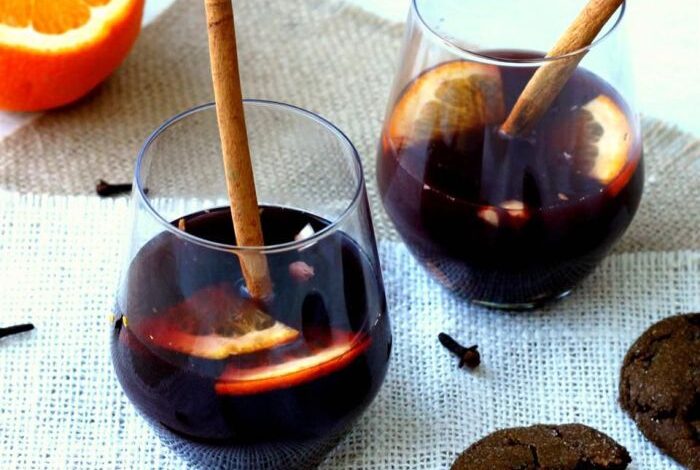
Old Fashioned Swedish Glogg: A Warm & Festive Tradition
Old fashioned Swedish glogg sets the stage for this enthralling narrative, offering readers a glimpse into a story that is rich in detail and brimming with originality from the outset. This warming, spiced wine beverage has been a beloved part of Swedish culture for centuries, and its history is as fascinating as its flavor.
From its origins in the medieval era to its evolution into a modern-day holiday staple, glogg has a rich and complex story to tell.
We’ll explore the traditional recipe, the essential ingredients that create its unique flavor profile, and the cultural significance of glogg in Swedish society. We’ll also delve into modern interpretations and innovations, showcasing how this beloved beverage continues to evolve and inspire new culinary creations.
Get ready to warm up your senses and embrace the spirit of Swedish tradition with every sip of this delicious drink.
History and Origins
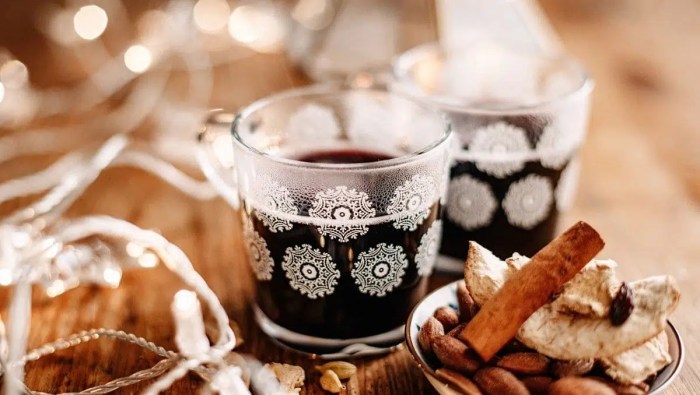
Swedish glogg, a warm, spiced wine beverage, has a rich history intertwined with Scandinavian traditions and celebrations. Its origins can be traced back to medieval times, evolving over centuries to become the beloved holiday drink it is today.
Evolution of Swedish Glogg
The origins of glogg can be traced back to the medieval period, where spiced wines were popular in Europe. During this time, wine was often mixed with spices such as cinnamon, cloves, and ginger to preserve it and enhance its flavor.
These spiced wines were often consumed during the winter months, particularly during religious festivals and celebrations. In Sweden, the tradition of spiced wine became particularly popular during the 17th and 18th centuries. This was a time of increased trade with other countries, which introduced new spices and ingredients to Sweden.
During this period, the addition of raisins and almonds to spiced wine became increasingly common. This practice led to the development of the modern Swedish glogg, which typically includes these ingredients.
Cultural Significance
Swedish glogg holds a significant place in Swedish culture, particularly during the Christmas season. It is a beloved tradition to serve glogg warm on cold winter evenings, often accompanied by gingerbread cookies, pepparkakor, and other holiday treats. The aroma of cinnamon, cloves, and orange peel fills the air, creating a warm and festive atmosphere.
Glogg is also a popular drink at Christmas markets, where it is served from traditional wooden mugs.
Old-fashioned Swedish glogg is a warm, comforting drink perfect for chilly evenings. It’s a blend of red wine, spices, and citrus, often served with almonds and raisins. For a lighter, more refreshing option, I love making a simple easy Italian pasta salad with cherry tomatoes, fresh basil, and a tangy vinaigrette.
It’s a delicious contrast to the rich flavors of the glogg, and the two make a wonderful pairing for a festive gathering.
Timeline of Key Milestones
- Medieval Period:Spiced wines were common in Europe, including Sweden, and served as a way to preserve wine and enhance its flavor.
- 17th and 18th Centuries:Increased trade brought new spices and ingredients to Sweden, influencing the development of Swedish glogg. The addition of raisins and almonds to spiced wine became popular during this period.
- 19th Century:Glogg became increasingly popular in Sweden, particularly during the Christmas season. It was often served warm in homes and at social gatherings.
- 20th Century:Glogg became a staple of Swedish Christmas traditions. It was also introduced to other countries, where it gained popularity as a festive drink.
- 21st Century:Glogg continues to be a beloved tradition in Sweden and around the world, enjoyed by people of all ages during the Christmas season.
Traditional Recipe and Ingredients
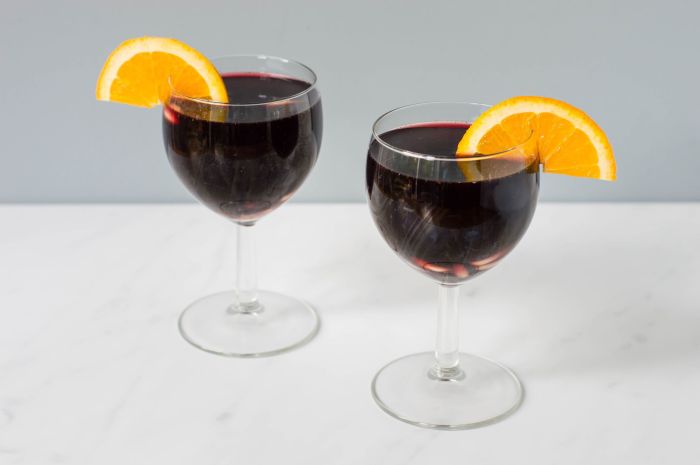
The traditional Swedish glogg recipe is a cherished tradition passed down through generations, and its rich history is reflected in the unique blend of spices and flavors. This warming beverage is a quintessential part of Swedish Christmas celebrations, bringing families and friends together to enjoy its comforting warmth and festive aroma.
The warmth of old fashioned Swedish glogg, with its spiced notes of cinnamon and cloves, is a perfect wintertime treat. And while the glogg simmers, I’m already planning a decadent dinner pairing – perhaps some sous vide butter poached lobster tails , their delicate sweetness a lovely contrast to the glogg’s warming spice.
I can almost taste the combination now, a perfect marriage of flavors for a cozy evening.
The traditional recipe is a symphony of flavors, with each ingredient playing a vital role in creating the signature glogg experience.
Old fashioned Swedish glogg is a warm, spiced drink perfect for chilly winter evenings. The rich, fruity flavors are enhanced by the addition of a touch of something savory, like a sprinkle of cardamom or a few slices of orange.
For a truly hearty breakfast, I like to pair my glogg with a plate of homemade beef breakfast sausage patties. The combination of sweet and savory is truly irresistible, and the sausage’s warm spices complement the glogg’s notes of cinnamon and clove beautifully.
Ingredients and Their Roles
- Red Wine:The base of the glogg, providing the backbone of the beverage and contributing its deep, fruity notes.
- Sugar:Sweetens the glogg and balances the tartness of the wine and spices.
- Spices:The heart and soul of the glogg, creating a warm and aromatic experience. Common spices include:
- Cinnamon:Adds a warm and comforting aroma and flavor.
- Cloves:Contributes a pungent and slightly bitter note.
- Cardamom:Provides a warm, sweet, and slightly citrusy flavor.
- Allspice:Offers a complex flavor profile with notes of nutmeg, cinnamon, and cloves.
- Ginger:Adds a spicy kick and warmth.
- Citrus:Adds a bright and refreshing touch, balancing the sweetness and spices. Common citrus fruits include:
- Orange:Provides a vibrant citrus flavor and aroma.
- Lemon:Adds a tart and tangy note.
- Other Ingredients:
- Brandy or Rum:Optional, but often added for an extra kick and warmth.
- Almonds:Sometimes added for texture and a nutty flavor.
- Raisins:Can be added for a sweet and chewy texture.
Regional Variations, Old fashioned swedish glogg
The traditional Swedish glogg recipe is not set in stone and can vary slightly depending on the region and family tradition. Some variations include:
- Using different types of wine:Some families prefer using dry red wine, while others opt for sweeter varieties.
- Adding additional spices:Some recipes might include star anise, nutmeg, or even a touch of chili pepper for an extra kick.
- Using different citrus fruits:Some recipes might call for grapefruit or even tangerines instead of orange or lemon.
- Adding other ingredients:Some families might add a splash of orange juice, a pinch of salt, or even a few drops of vanilla extract.
Modern Interpretations and Innovations
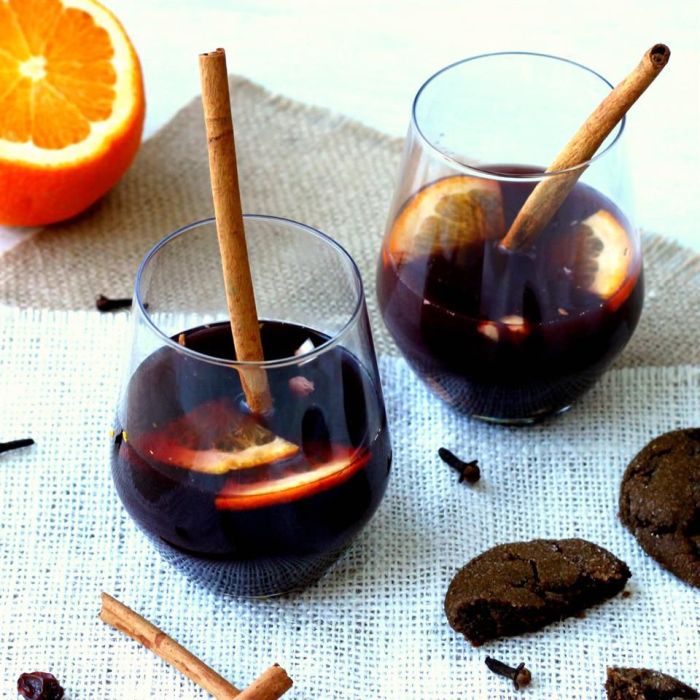
While traditional Swedish glogg remains cherished, modern interpretations are pushing the boundaries of this classic beverage, incorporating new flavors, techniques, and ingredients to create unique and exciting variations. These innovative approaches reflect a growing interest in exploring new culinary horizons and experimenting with familiar flavors in fresh and unexpected ways.
Emerging Trends in Glogg Preparation and Consumption
Contemporary glogg preparation reflects a shift towards personalization and experimentation. The traditional recipe, often passed down through generations, serves as a foundation for individual creativity. Home cooks and professional bartenders alike are embracing the freedom to tailor glogg to their preferences, using a wider range of spices, fruits, and even alcoholic additions.
- Spice Blends:Beyond the traditional cinnamon, cloves, and cardamom, modern glogg makers are incorporating spices like star anise, ginger, and even chili peppers for a touch of heat. This allows for a more complex flavor profile and caters to diverse palates.
- Fruit Variations:While dried fruits like raisins and prunes remain staples, modern glogg often features fresh fruits like oranges, cranberries, and even apples, adding a vibrant and seasonal touch. The use of fresh fruits also introduces a brighter acidity that balances the sweetness of the drink.
- Alcoholic Enhancements:Traditional glogg typically uses red wine as the base, but modern interpretations are experimenting with other spirits like brandy, rum, or even aquavit, adding a distinct flavor profile and higher alcohol content. This caters to those seeking a more robust and complex drinking experience.
- Non-Alcoholic Options:Recognizing the growing demand for alcohol-free beverages, some modern glogg recipes have emerged that omit the wine or spirits altogether, using fruit juice or even non-alcoholic wine as a base. This allows individuals who abstain from alcohol to enjoy the warm and comforting flavors of glogg.
Innovative Glogg Recipes
Beyond the traditional recipe, innovative glogg recipes are pushing the boundaries of flavor, using unique ingredients and flavor combinations.
- Citrus-Infused Glogg:This variation uses fresh orange and grapefruit peels for a citrusy twist. The addition of a touch of orange liqueur adds a complex and refreshing dimension to the traditional glogg flavors.
- Spiced Apple Glogg:This recipe incorporates a blend of cinnamon, nutmeg, and cloves with diced apples for a warm and comforting flavor. The addition of a splash of apple cider vinegar adds a touch of acidity that balances the sweetness of the apples.
- Gingerbread Glogg:This recipe combines the warmth of ginger, cinnamon, and cloves with a hint of molasses for a gingerbread-inspired flavor. The addition of a touch of rum adds a complex and festive note.
Serving and Enjoyment: Old Fashioned Swedish Glogg
Swedish glogg is a festive drink meant to be shared and enjoyed with friends and family. The traditional serving methods, occasions, and pairings all contribute to its warm and inviting atmosphere.
Traditional Serving Methods
Traditionally, glogg is served hot, often in a small, heat-resistant glass, such as a mug or a heatproof wine glass. The ideal temperature for serving is around 160-180°F (71-82°C). This allows the aromas and flavors of the spices to fully develop and create a comforting warmth.
- Garnishes:Glogg is typically garnished with a variety of ingredients to enhance its visual appeal and flavor profile. Common garnishes include:
- Sliced citrus fruits:Orange, lemon, or lime slices add a bright and refreshing touch, complementing the spice notes of the glogg.
- Cinnamon sticks:A classic garnish that further intensifies the warming cinnamon flavor of the drink.
- Star anise:This fragrant spice adds a subtle licorice flavor and beautiful star-shaped garnish.
- Cloves:Whole cloves, often studded in orange or lemon slices, contribute to the warming and aromatic profile of the glogg.
- Almonds:Toasted almonds, either whole or sliced, provide a nutty and crunchy element to the glogg.
- Raisins:A traditional addition, raisins soak up the sweet and spicy flavors of the glogg and add a chewy texture.
Occasions and Settings
Swedish glogg is a beloved drink enjoyed during various occasions throughout the year, particularly during the festive season. It is a staple at Christmas gatherings, parties, and celebrations, adding a touch of warmth and cheer to the festivities.
- Christmas Markets:Glogg is a popular beverage sold at Christmas markets across Sweden, offering a comforting treat for visitors browsing the stalls and enjoying the festive atmosphere.
- Home gatherings:Glogg is often prepared and served at home during Christmas and other celebrations, creating a cozy and inviting ambiance for family and friends to gather around.
- Winter holidays:Glogg is a quintessential winter drink, offering a warm and comforting escape from the cold weather. It is enjoyed during holidays such as Advent, St. Lucia’s Day, and New Year’s Eve.
Serving Suggestions
Glogg can be enjoyed on its own or paired with a variety of foods and beverages to enhance the overall dining experience.