
Grandma Omas Pickled Okra

Grandma Oma’s Pickled Okra: A Southern Culinary Tradition
The vibrant green pods of okra, often misunderstood or maligned for their mucilaginous texture when cooked conventionally, find their true culinary calling when transformed by the art of pickling, especially when prepared using Grandma Oma’s time-honored recipe. This Southern staple, steeped in tradition and bursting with tangy, savory flavor, is far more than just a preserved vegetable; it’s a testament to resourceful preservation, a versatile ingredient, and a cherished culinary heirloom. Understanding the elements that make Grandma Oma’s pickled okra so exceptional—from the quality of the okra itself to the precise brine composition and the meticulous pickling process—is key to appreciating its enduring appeal and unlocking its full gastronomic potential.
The Essence of Okra: Selecting the Perfect Pod
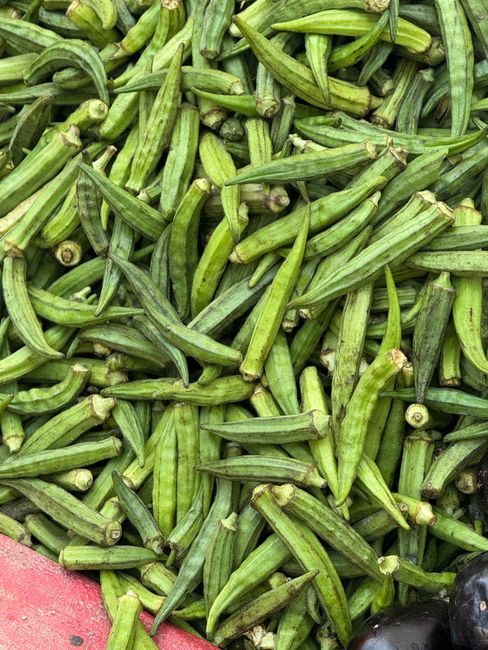
The journey to outstanding pickled okra begins with the fundamental ingredient: the okra pod. Not all okra is created equal when it comes to pickling. For optimal results, opt for fresh, young, and tender okra pods. These pods are typically smaller, measuring between 2 to 4 inches in length, and possess a firm, smooth exterior. Overly mature okra tends to be woody, tough, and may develop an unpleasantly fibrous texture even after pickling. The vibrant green color should be consistent, free from blemishes, yellowing, or significant bruising. Harvesting okra in the early morning after the dew has evaporated ensures the pods are dry, a crucial step to prevent spoilage and maintain the integrity of the brine. Many Southern gardeners and farmers markets offer the ideal varieties for pickling, often referred to as "pickle okra." These cultivars are bred for tenderness and a more manageable size, minimizing the risk of fibrousness. The visual appeal of the okra also plays a role; the bright, unblemished pods promise a superior end product.
The Brine: A Symphony of Flavors and Preservation
The soul of any pickled delicacy lies within its brine, and Grandma Oma’s recipe is a masterclass in balancing flavor and preservation. The core components of a classic pickled okra brine include vinegar, water, salt, and sugar. The type of vinegar is critical. White distilled vinegar, with its clean, sharp acidity, is the standard for its reliable pH levels, essential for safe preservation. Apple cider vinegar can also be used, imparting a slightly fruitier note, but its acidity can vary, requiring careful measurement. The ratio of vinegar to water is paramount. A common ratio for safe canning is 1:1, ensuring sufficient acidity to inhibit microbial growth. Grandma Oma’s recipe, however, might subtly adjust this ratio to achieve a specific tanginess without compromising safety, often leaning towards a higher vinegar concentration for a crisper, more pronounced pickle.
Salt is another indispensable element, contributing not only to flavor but also to the firming of the okra. Non-iodized salt, such as pickling salt or kosher salt, is preferred. Iodine can impart a cloudy appearance to the brine and potentially affect the flavor profile. The amount of salt dictates the salinity and also plays a role in drawing out moisture from the okra, contributing to its crisp texture. Sugar, while seemingly counterintuitive for a savory pickle, plays a vital role in balancing the acidity of the vinegar and enhancing the overall flavor. It adds a subtle sweetness that rounds out the tartness, creating a more complex and palatable profile. Grandma Oma’s judicious use of sugar ensures the pickle is neither too sharp nor cloyingly sweet, hitting a perfect equilibrium. Beyond these foundational ingredients, Grandma Oma’s recipe likely incorporates aromatic spices that elevate the pickled okra from simple preservation to a gourmet treat. Whole peppercorns, dill seeds, mustard seeds, and garlic cloves are common additions, infusing the brine with layers of warm, pungent, and savory notes. Red pepper flakes can be added for a touch of heat, appealing to those who enjoy a spicier pickle. Coriander seeds, bay leaves, and even a touch of celery seed can further enhance the complexity. The specific combination and proportions of these spices are what distinguish Grandma Oma’s creation, offering a signature aroma and taste that is both familiar and uniquely her own.
The Preservation Process: Achieving Crispness and Flavor Infusion
The method of pickling is as crucial as the ingredients. Grandma Oma’s approach likely emphasizes achieving a crisp texture while allowing the brine’s flavors to fully penetrate the okra pods. The okra is typically prepared by trimming off the stem and blossom ends. Some prefer to leave the stem intact for easier handling, while others remove it entirely for a more uniform pickle. Washing the okra thoroughly is essential to remove any dirt or debris.
There are two primary methods for pickling: refrigerator pickles and water bath canning. Refrigerator pickles, while quicker to make and requiring no special equipment beyond jars, have a shorter shelf life and must be kept chilled. Water bath canning, on the other hand, provides a shelf-stable product that can be stored at room temperature for extended periods. Grandma Oma’s tradition likely leans towards water bath canning for its ability to preserve a larger bounty and ensure year-round enjoyment.
For water bath canning, the prepared okra is packed tightly into sterilized jars. The hot brine is then poured over the okra, ensuring the pods are fully submerged and leaving adequate headspace at the top of the jar (typically ½ inch). Air bubbles are removed by gently tapping the jars on the counter or running a non-metallic utensil along the inside walls. The jars are then sealed with sterilized lids and rings and processed in a boiling water bath for a specific duration, usually 10 to 15 minutes, depending on altitude and jar size. This process not only seals the jars but also further cooks the okra to a tender-crisp consistency and ensures the acidity is sufficient for safe preservation.
The waiting period after pickling is a critical stage for flavor development. During this time, the okra absorbs the brine’s flavors, and the textures meld. It’s recommended to let the pickles sit for at least a few days, and ideally a week or two, before consuming them. This allows the true character of Grandma Oma’s pickled okra to emerge, transforming the humble vegetable into a complex and delicious condiment. The visual transformation is also notable; the okra pods deepen in color, and the brine becomes infused with their essence.
Versatility Beyond the Jar: Culinary Applications
Grandma Oma’s pickled okra transcends its role as a mere side dish or snack; it is a remarkably versatile ingredient that can elevate a wide array of culinary creations. Its distinctive tangy, briny, and often subtly spiced profile adds a zesty counterpoint to rich and savory dishes.
As a classic accompaniment, pickled okra shines alongside barbecue, fried chicken, and other Southern comfort foods. Its crisp texture and acidic bite cut through the richness of these dishes, providing a refreshing contrast. It’s an essential component of a Southern charcuterie board, pairing beautifully with cheeses, cured meats, and other pickled vegetables.
Beyond its traditional role, pickled okra can be diced and incorporated into salads, potato salads, and pasta salads, adding a burst of tangy flavor and a delightful crunch. It can be finely chopped and mixed into dips and spreads, such as cream cheese-based dips or tartar sauce, providing a unique textural and flavor dimension.
The brine itself is a culinary treasure. It can be used as a base for salad dressings, marinades for meats and vegetables, or even as a flavorful addition to cocktails. A splash of pickled okra brine in a Bloody Mary or a martini offers an unexpected and sophisticated twist.
When fried, pickled okra becomes an irresistible appetizer. The pods, coated in a seasoned batter and deep-fried until golden and crispy, offer a delightful contrast between the crunchy exterior and the tender, tangy interior. This preparation method is a popular staple at Southern gatherings and festivals, showcasing the adaptability of this preserved delicacy.
Furthermore, pickled okra can be creatively incorporated into more elaborate dishes. Consider adding chopped pickled okra to cornbread batter for an extra savory and tangy dimension, or using it as a pizza topping for an adventurous flavor combination. It can also be a flavorful addition to seafood dishes, such as shrimp and grits, or incorporated into a robust stew or chili. The possibilities are virtually limitless, inviting culinary exploration and adaptation based on personal preference and the occasion. The enduring popularity of Grandma Oma’s pickled okra is a testament not only to its exceptional taste but also to its remarkable ability to enhance and transform a diverse range of dishes.
Nostalgia and Heritage: The Enduring Legacy of Grandma Oma’s Pickled Okra
The enduring appeal of Grandma Oma’s pickled okra extends beyond its culinary merits; it is deeply intertwined with nostalgia, family heritage, and the comforting embrace of tradition. For many, the taste of her pickled okra evokes vivid memories of childhood kitchens, summer gatherings, and the love and care poured into every jar. This connection to the past imbues the pickle with an emotional resonance, transforming it from a simple food item into a cherished symbol of family and belonging.
Grandma Oma’s recipe, passed down through generations, represents a living link to the past. Each jar is a tangible representation of her culinary wisdom, her resourcefulness, and her dedication to feeding and nurturing her family. The act of preparing and sharing pickled okra becomes a ritual, a way of preserving not just a vegetable but also cherished memories and family traditions.
The “secret” to Grandma Oma’s pickled okra is not a singular, magical ingredient, but rather the culmination of thoughtful choices: the selection of the freshest okra, the carefully balanced brine, the meticulous canning process, and, perhaps most importantly, the intention and love with which it is made. This intangible element, often referred to as the "love ingredient," is what truly elevates a good pickle to an exceptional one.
In a world increasingly dominated by mass production and convenience, the handmade, time-honored approach of Grandma Oma’s pickled okra offers a refreshing return to authenticity. It celebrates the value of slow food, the satisfaction of preserving one’s own bounty, and the profound connection between food and memory. As families continue to share and adapt her recipe, her legacy lives on, ensuring that the tangy, crisp, and utterly delicious taste of Grandma Oma’s pickled okra remains a beloved staple for generations to come. It stands as a delicious and tangible reminder that some traditions, like a well-made pickle, only get better with age.


