The Ultimate Guide to Rioja Through the Seasons Discovering Spain’s Iconic Wine Region Beyond the Summer Harvest

While the majority of international travelers prioritize the sun-drenched months of July and August for their Spanish excursions, the northern province of La Rioja presents a compelling case for year-round visitation. As Spain’s premier wine-producing territory, Rioja transcends its reputation as a mere agricultural hub, offering a sophisticated tapestry of viticulture, outdoor recreation, and deep-seated cultural traditions that shift with the turning of the calendar. From the snow-capped peaks of the Iberian System to the festive viticultural "battles" of the Ebro River valley, the region provides a multifaceted experience that caters to oenophiles, adventure seekers, and gourmands alike.
The Denominación de Origen Calificada (DOCa) Rioja, which encompasses parts of the La Rioja, Basque Country, and Navarre autonomous communities, is strategically positioned between the Sierra de Cantabria to the north and the Sierra de la Demanda to the south. This unique geography creates a microclimate where Atlantic and Mediterranean influences converge, dictating not only the rhythm of the vineyards but also the seasonal lifestyle of the local population. Understanding the region’s appeal requires a chronological examination of its seasonal offerings, supported by the economic and cultural data that define this corner of the Iberian Peninsula.
Winter: High Altitudes and the Silence of the Cellars
The winter months in Rioja, spanning from December to February, offer a stark contrast to the bustling activity of the harvest season. During this period, the vines enter a state of dormancy, and the landscape is often dusted with snow, particularly in the higher elevations of Rioja Alta and the surrounding mountain ranges. For many visitors, the primary draw during this season is the Valdezcaray ski resort. Situated on the slopes of San Lorenzo, the highest peak in the region, Valdezcaray provides an accessible winter sports destination within a short drive of world-class wineries.
Beyond the slopes, winter is the optimal time for "cellar tourism." With fewer crowds, the historic bodegas of Haro and Logroño offer a more intimate atmosphere. This is the season of trasiego (racking), where winemakers move wine from one barrel to another to clarify it and allow it to breathe. The cooler temperatures are also ideal for exploring the subterranean "calados"—ancient tunnels carved into the bedrock beneath towns like Laguardia and San Vicente de la Sonsierra. These tunnels maintain a constant temperature and humidity, providing the perfect environment for aging the region’s famed Gran Reservas.
Spring: The Awakening of the Ebro Valley
As the frost thaws in March and April, Rioja undergoes a visual transformation. This period marks the "lloro" or the "weeping of the vines," where sap begins to rise and drip from the pruning cuts, signaling the start of a new growth cycle. By May, the valley is a vibrant green, making it the preferred season for active tourism. The "Barrio de la Estación" in Haro, which houses the highest concentration of century-old wineries in the world, becomes a focal point for spring tastings and outdoor events.
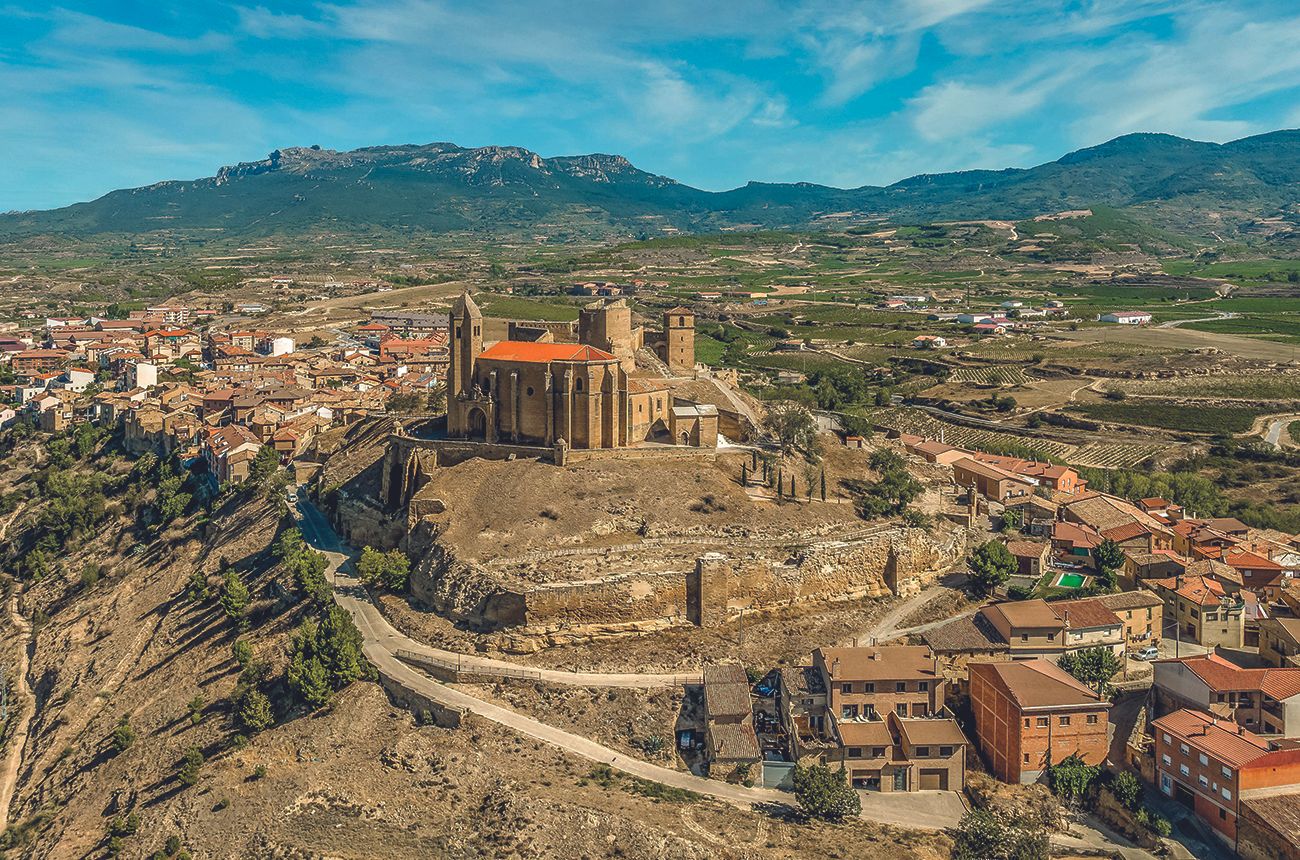
Spring is also a critical period for the local economy. According to data from the Consejo Regulador de la DOCa Rioja, the success of the spring budding (brote) sets the tone for the year’s production volume. Tourism boards report a steady increase in hikers and cyclists during these months, many of whom traverse the "Wine and Way" route, a section of the Camino de Santiago that passes through the heart of the region. The mild temperatures allow for extensive exploration of medieval fortresses and Romanesque churches without the intense heat of the Spanish summer.
Summer: The Heat of Tradition and the Haro Wine Battle
Summer in Rioja is synonymous with "Las Fiestas de San Juan y San Pedro," culminating in one of Spain’s most eccentric and celebrated events: the Batalla del Vino (Battle of Wine). Held every June 29th in the town of Haro, the event sees thousands of participants dressed in white, armed with buckets, sprayers, and wineskins. The objective is to soak every other participant in red wine until the entire crowd is stained purple.
Historically, this tradition stems from a 13th-century land dispute between the residents of Haro and the neighboring town of Miranda de Ebro. Today, it serves as a massive draw for international tourism, injecting millions of euros into the local hospitality sector. Following the battle, the summer months focus on outdoor gastronomy. This is the season for terrazas—open-air wine bars—where locals and visitors enjoy crisp Rioja Blanco and Rosado, styles that have seen a significant resurgence in production and international demand over the last decade.
Autumn: The Harvest and the San Mateo Festivities
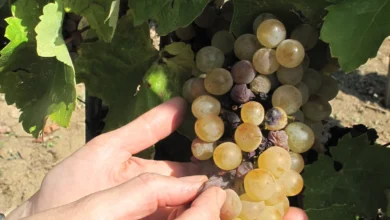
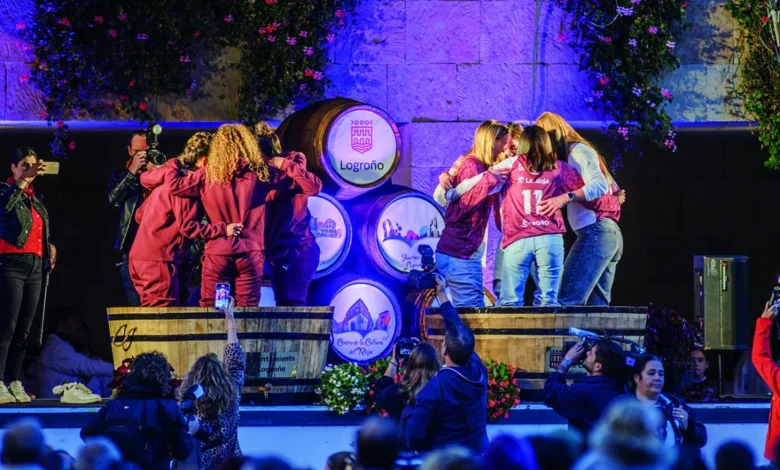
Autumn is arguably the most significant season for Rioja, as it encompasses the "Vendimia" or grape harvest. Between September and October, the region is a hive of industrial and celebratory activity. The city of Logroño hosts the Fiestas de San Mateo, also known as the Rioja Wine Harvest Festival. This event features the traditional treading of the first grapes, which are then offered to the Virgin of Valvanera.
The visual appeal of Rioja in autumn is unparalleled. The vineyards of Tempranillo, Garnacha, and Graciano turn various shades of gold, ochre, and deep red, creating a mosaic that has become a primary target for "leaf-peeping" tourism. Data from the Rioja Wine Board suggests that the region sees its highest influx of domestic and international visitors during the harvest weeks. It is a period of high stakes; the timing of the pick is determined by a delicate balance of sugar levels and phenolic ripeness, often requiring 24-hour operations in the wineries to process the incoming fruit.
Gastronomy: The Art of the Riojan Table
Regardless of the season, the culinary traditions of Rioja remain a central pillar of the visitor experience. The region is famous for chuletillas al sarmiento—lamb chops grilled over dried vine shoots. The use of vine shoots as fuel imparts a distinct, smoky flavor to the meat that cannot be replicated with charcoal or wood. This dish is a staple of the "merenderos," private social clubs or picnic areas where families gather to share food and wine.
In the capital of Logroño, the Calle Laurel serves as a gastronomic laboratory. This narrow street is home to over 60 tapas bars, each typically specializing in a single "pincho" or small snack. From the "matrimonio" (an anchovy and green pepper sandwich) to the "champi" (grilled mushrooms with a secret garlic sauce), the food culture of Rioja is designed to complement its viticultural output. Economically, the synergy between the wine industry and the culinary sector accounts for a substantial portion of the region’s Gross Domestic Product (GDP).
Economic Profile and Global Market Standing
Rioja is not only a cultural icon but an economic powerhouse for Spain. The DOCa Rioja was the first Spanish wine region to receive "Calificada" (Qualified) status in 1991, the highest tier of quality regulation. Currently, the region boasts over 65,000 hectares of vineyards and approximately 600 wineries.
The international impact of Rioja is reflected in its export data. The United Kingdom remains the largest foreign market for Rioja wines, followed by Germany, the United States, and Switzerland. In recent years, there has been a strategic shift toward "Singular Vineyard" designations (Viñedos Singulares), a move by the Consejo Regulador to emphasize terroir and specific plots of land, similar to the Burgundian model. This shift is intended to elevate the brand’s premium status and attract high-net-worth wine collectors and tourists.
Strategic Evolution and Future Outlook
As climate change poses a threat to traditional viticultural practices, Rioja has been proactive in its adaptation strategies. The region has seen a move toward planting at higher altitudes to maintain acidity in the grapes and a renewed interest in ancient, heat-resistant varieties like Maturana Tinta. Furthermore, the "Rioja 2030" strategic plan emphasizes sustainability, aiming to reduce the carbon footprint of wine production while increasing the digital visibility of the region’s tourism offerings.
Official responses from the regional government suggest that the future of Rioja lies in "desestacionalización"—the effort to spread tourism throughout the year rather than concentrating it in the summer. By highlighting the ski slopes of winter, the hiking trails of spring, and the dramatic landscapes of autumn, Rioja is positioning itself as a perennial destination.
The enduring appeal of Rioja lies in its ability to balance modernity with tradition. Whether it is a high-tech winery designed by a Pritzker Prize-winning architect or a centuries-old cellar where wine is still moved by gravity, the region offers a continuum of history. For the traveler, this means that any time of year is the right time to visit. The seasons of Rioja do not just change the weather; they change the very flavor of the experience, ensuring that Spain’s most famous wine region remains a dynamic and essential destination on the global stage.