
The landscape of home bartending has undergone a seismic shift over the past decade, evolving from a simple collection of base spirits into a sophisticated culinary pursuit. As the lines between professional mixology and domestic drink-making continue to blur, the demand for high-quality, specialized barware and ingredients has reached an all-time high. Whether one is a devotee of the precise, spirit-forward Martini or a fan of the layered, complex Negroni, the tools one utilizes are just as important as the recipe itself. This comprehensive guide serves as an analysis of the essential gear and specialty ingredients that define the modern home bar, informed by industry experts and the latest trends in global cocktail culture.
The Evolution of the Home Bar Experience
In the early 2000s, the typical home bar was often limited to a generic shaker, a jigger of dubious accuracy, and a handful of basic spirits. Today, however, the home bartender is increasingly likely to possess a dedicated space for glassware, precise measuring tools, and a collection of artisanal bitters and syrups. This shift is largely attributed to the "cocktail renaissance," a movement that prioritized fresh ingredients, historical reverence, and technical precision. According to recent market analysis, the home barware market is projected to grow significantly as consumers prioritize at-home hosting, a trend accelerated by the global events of 2020 that forced a change in social consumption habits.

Precision and Elegance: The Martini Enthusiast’s Toolkit
For the Martini purist, the vessel is as critical as the chill of the gin. The traditional V-shaped glass, while iconic, is increasingly being challenged by modern, functional alternatives. The "Nick & Nora" glass, once a staple of the late 2000s, has been superseded by updated, ergonomically superior designs that emphasize balance and temperature retention.
Spain’s Wine Route to the World Cup Final A Journey of Viticultural Excellence and Sporting Triumph
Professional bartenders, such as Josh Conley of Memphis-based Bar Limina, argue that the aesthetic experience of a cocktail is inextricably linked to the glass’s weight and rim thickness. For the host, investing in a high-quality Martini mixer—such as the classic designs favored by mid-century Danish architects—allows for the preparation of multiple servings without compromising the dilution or temperature of the batch. For the minimalist, the current trend leans toward "tiny-tinis," or cordial coupes, which accommodate smaller, more frequent pours, perfect for a refined, after-dinner digestif.
The Agave Revolution: Elevating the Margarita
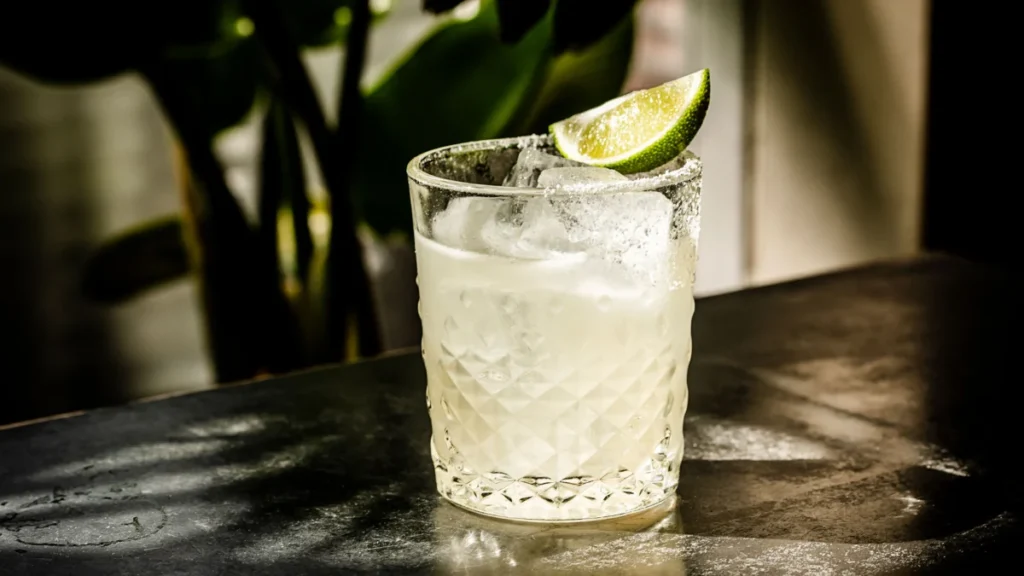
The perception of the Margarita has been transformed by a renewed focus on the quality of agave spirits. The rise of additive-free tequila and artisanal agave syrups has enabled home bartenders to recreate the nuanced profiles found in Mexico’s best distilleries. Innovations like Respeto Agave Syrup, developed in collaboration with traditional maguey farmers, represent a departure from the overly sweet, industrial syrups that historically defined the drink.

This movement is supported by groups like Agave Matchmaker, which provide transparency in an industry often clouded by marketing buzzwords. For the home bartender, utilizing a weighted shaking tin, such as the Koriko model, is essential. These tools provide the mechanical advantage and thermal conductivity necessary to properly aerate a cocktail, a requirement for the emulsification of lime juice and agave.
Technical Mastery: The Old-Fashioned and the Art of Infusion
The Old-Fashioned remains the bedrock of American cocktail culture. However, the modern iteration is defined by the quality of the sugar and the spirit-to-bitter ratio. Replacing standard simple syrup with high-quality ingredients like Okinawan kokuto cubes introduces a depth of flavor that is often lost in mass-produced alternatives.
Furthermore, the infusion of teas—such as creamy jinxuan or earthy oolong—into base spirits has opened a new avenue for experimentation. This technique allows for a sophisticated flavor profile that appeals even to those who do not consume alcohol. When paired with hand-blown, ultra-thin glassware from producers like Kimura, the sensory experience of the drink is elevated to a professional standard.

The Negroni and the Shift Toward Batching
The Negroni, perhaps the most iconic aperitivo, is increasingly being utilized as a canvas for seasonal expression. By moving beyond standard Campari and experimenting with new-school bitter liqueurs—such as Bruto Americano, which features distinct notes of pine and rosemary—bartenders can adapt the drink for different climates.
The logistical challenge of batching drinks for groups has been solved by modern, leakproof polymer bottles. These vessels allow for the pre-mixing of ingredients, ensuring that even a large party can be served with the same precision as a single, carefully crafted drink. This practice, common in professional settings, is now an essential skill for the accomplished home host.
Carbonation and the Highball Renaissance
The Japanese-style Highball has set a new standard for simplicity and technical execution. The secret lies in the quality of the carbonation and the temperature of the liquid. The introduction of the iSi whipper for at-home carbonation has been a game-changer, allowing enthusiasts to achieve a level of fizz that was previously only possible with expensive draft systems.

Academic interest in this field is growing, as evidenced by specialized literature such as "Bubbles: A Guide to Carbonated Cocktails" by Bart Miedeksza and Valentino Girotto. This book has become a seminal text for those seeking to understand the physics of gas dissolution in spirits. For the home enthusiast, the ability to control carbonation levels is the final frontier in mastering the Highball, the Gin and Tonic, and other sparkling classics.
The Manhattan: A Study in Refinement
The Manhattan represents the pinnacle of stirred, spirit-forward cocktails. The choice of garnish—be it a classic Luxardo cherry or an amaro-soaked variety—can dictate the entire character of the drink. Pairing these ingredients with high-quality cocktail picks and sophisticated glassware completes the presentation.
Furthermore, the "Brooklyn Family Tree" of cocktails—including the Red Hook and the Carroll Gardens—offers a gateway for the Manhattan lover to explore variations that incorporate regional Italian liqueurs like Punt e Mes or Nardini. This progression from a classic drink to its derivatives is the natural path for any home bartender seeking to deepen their understanding of historical flavor pairings.

Looking Toward the Future of Home Mixology
As the boundaries of the home bar continue to expand, the importance of education and quality tools cannot be overstated. From the mechanical precision of a Birdy shaker to the artisanal beauty of hand-woven bottle baskets, the items selected for a home bar are reflections of the host’s commitment to craft.
The current trends suggest a move toward smaller, more focused collections rather than expansive, cluttered bars. By investing in a few, high-utility tools and high-quality, transparently sourced ingredients, the home bartender can achieve results that rival the output of the world’s most prestigious establishments. Whether one is a seasoned mixologist or a curious beginner, the key to a successful home bar lies in the balance between rigorous technique and the freedom to experiment. As the industry continues to innovate, the tools for success are more accessible than ever, ensuring that the next great cocktail experience is just one pour away.







0 Komentar
Sampaikan opini dan diskusi yang membangun dengan bahasa yang santun.
No Comments Yet
Be the first to share your thoughts on this story.