
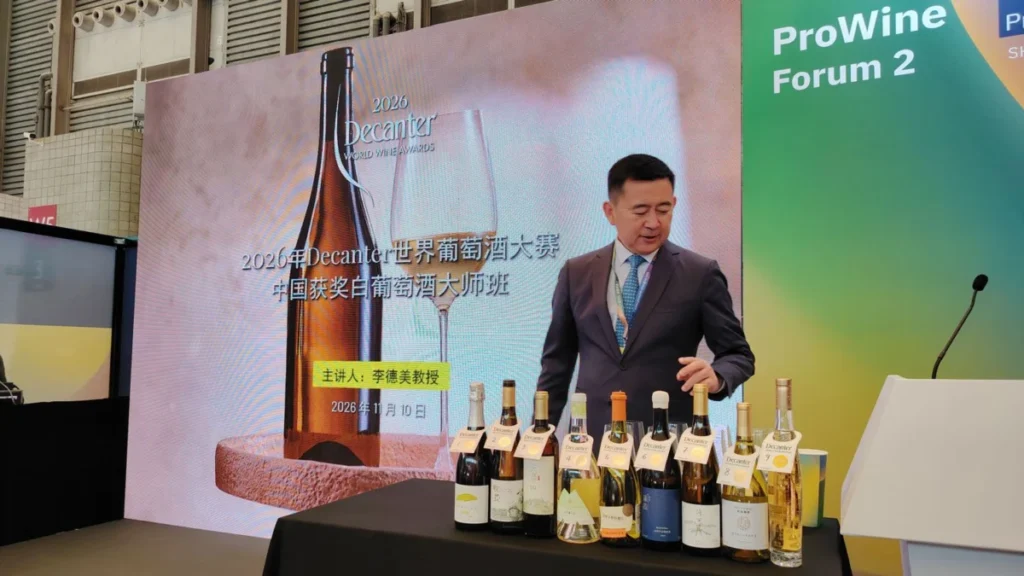
The international wine community converged in China this November as ProWine Shanghai 2026 concluded a highly successful three-day run from November 10 to 12. As a cornerstone event in the global trade calendar, the exhibition once again served as a vital bridge between international producers and the rapidly evolving Chinese market. Among the most prominent features of this year’s installment was the dedicated Decanter showcase, which highlighted a curated selection of medal-winning wines from the 2026 Decanter World Wine Awards (DWWA), emphasizing the growing sophistication of both established global regions and the burgeoning domestic Chinese wine industry.
A Confluence of Global Trade
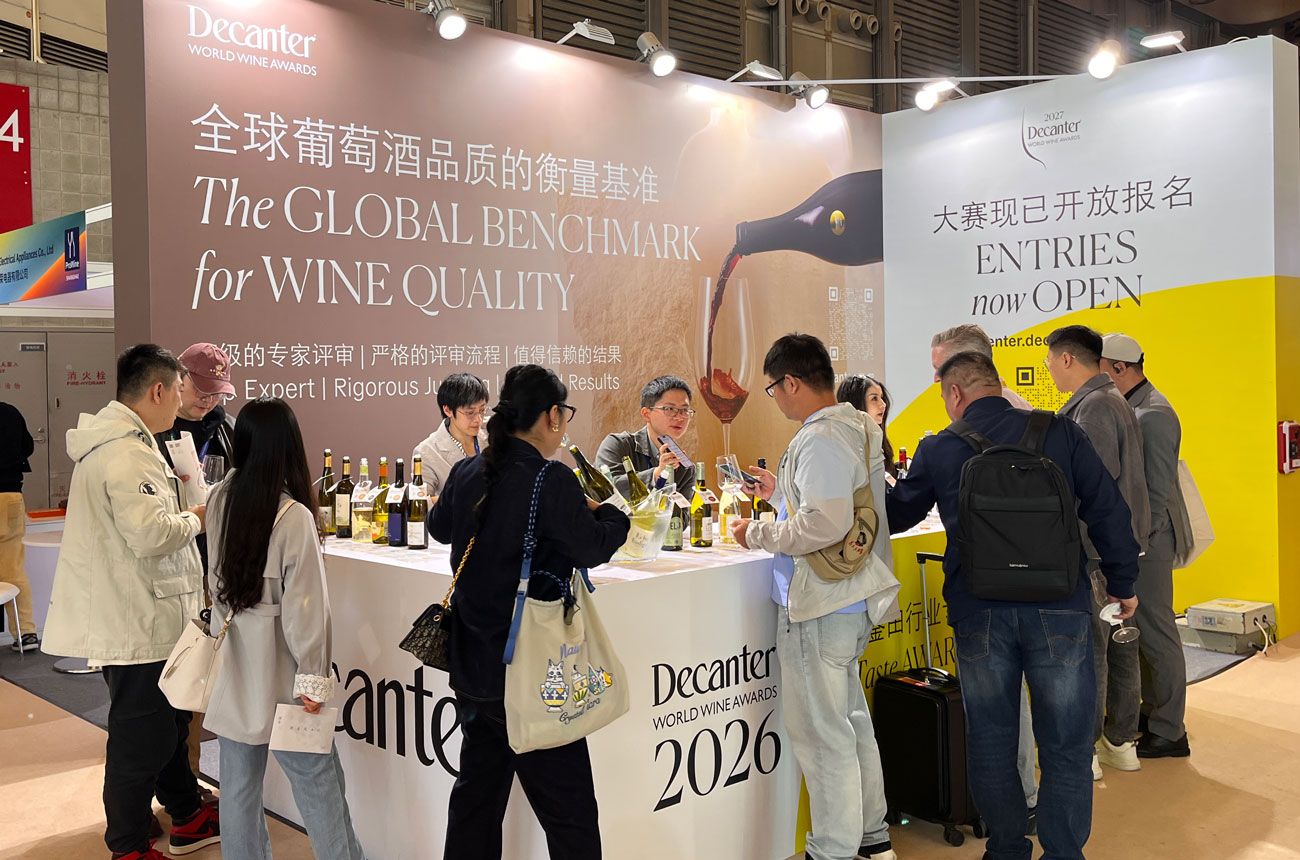
ProWine Shanghai has long established itself as a barometer for the health and direction of the Asian wine trade. The 2026 edition underscored this reputation, hosting 21,800 trade visitors and over 620 exhibitors representing 34 distinct countries and regions. For importers, distributors, and sommeliers, the event acted as an essential nexus for exploring market trends, sourcing new portfolios, and participating in high-level technical discussions.
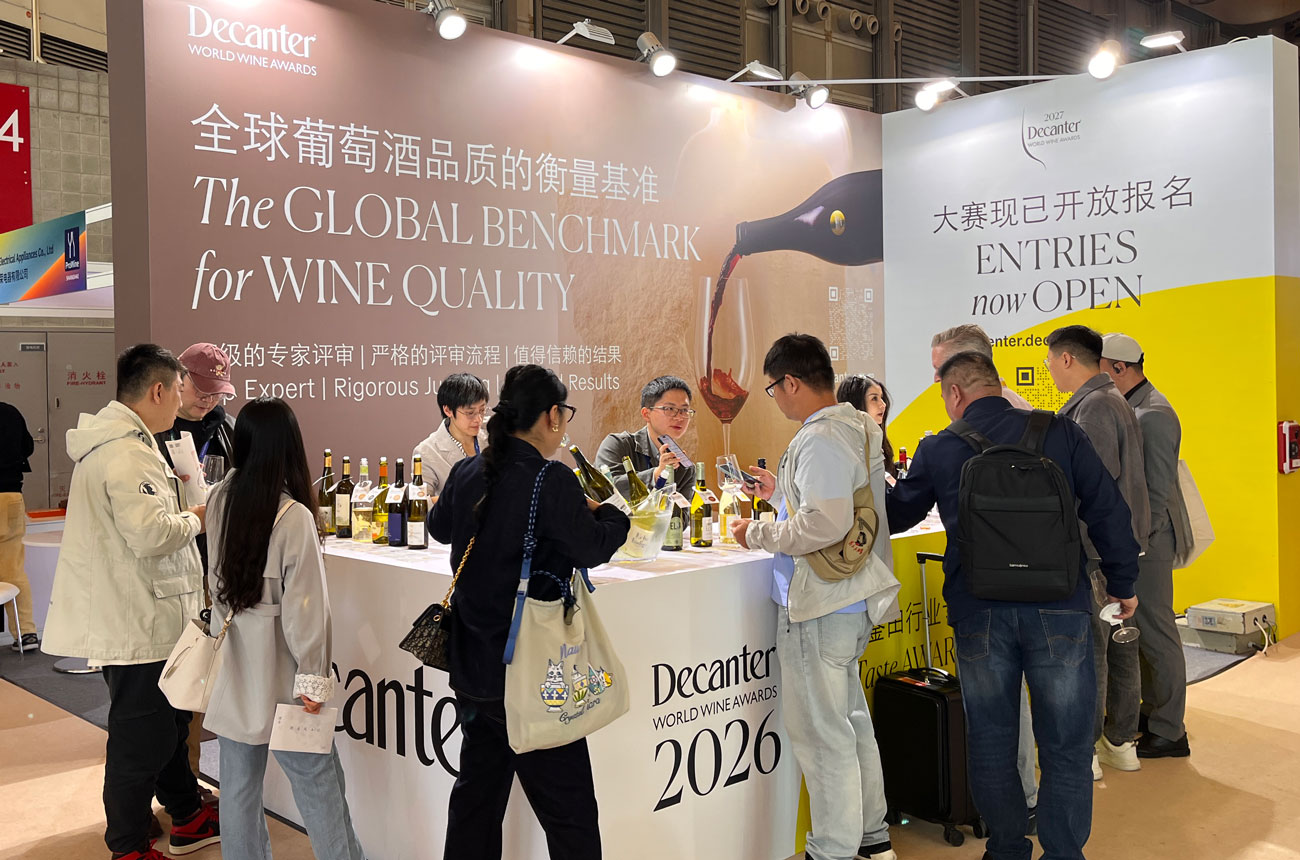
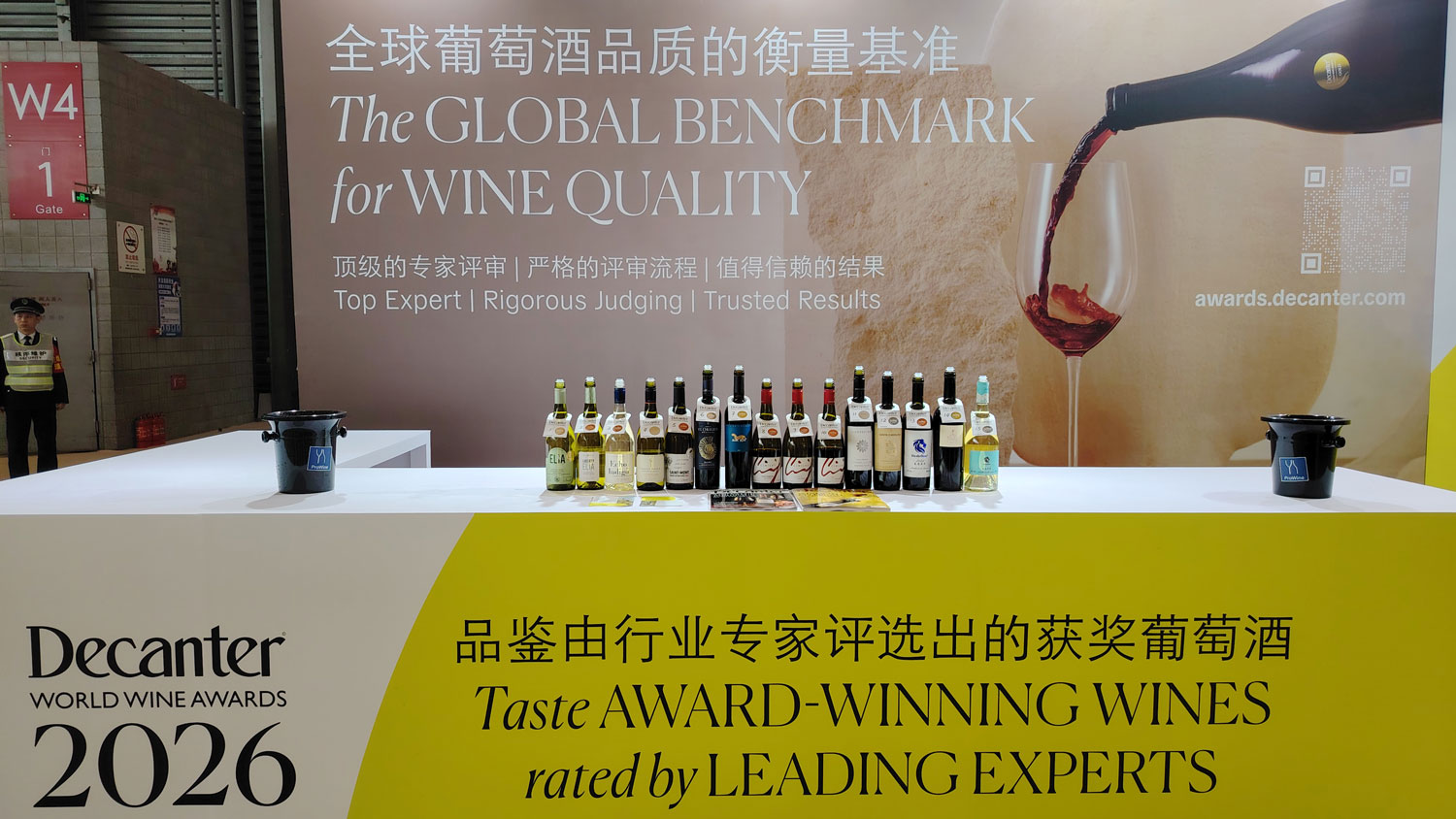
The Decanter stand functioned as a focal point for these professionals, offering a rare opportunity to taste 24 specific wines that had been rigorously evaluated and awarded by the DWWA 2026 panel. The selection was intentionally diverse, featuring two Platinum, three Gold, 12 Silver, and seven Bronze medal winners. This variety served a strategic purpose: to provide trade visitors with a comprehensive overview of quality benchmarks across Argentina, Australia, Chile, China, France, and New Zealand.
Chronology of the Showcase
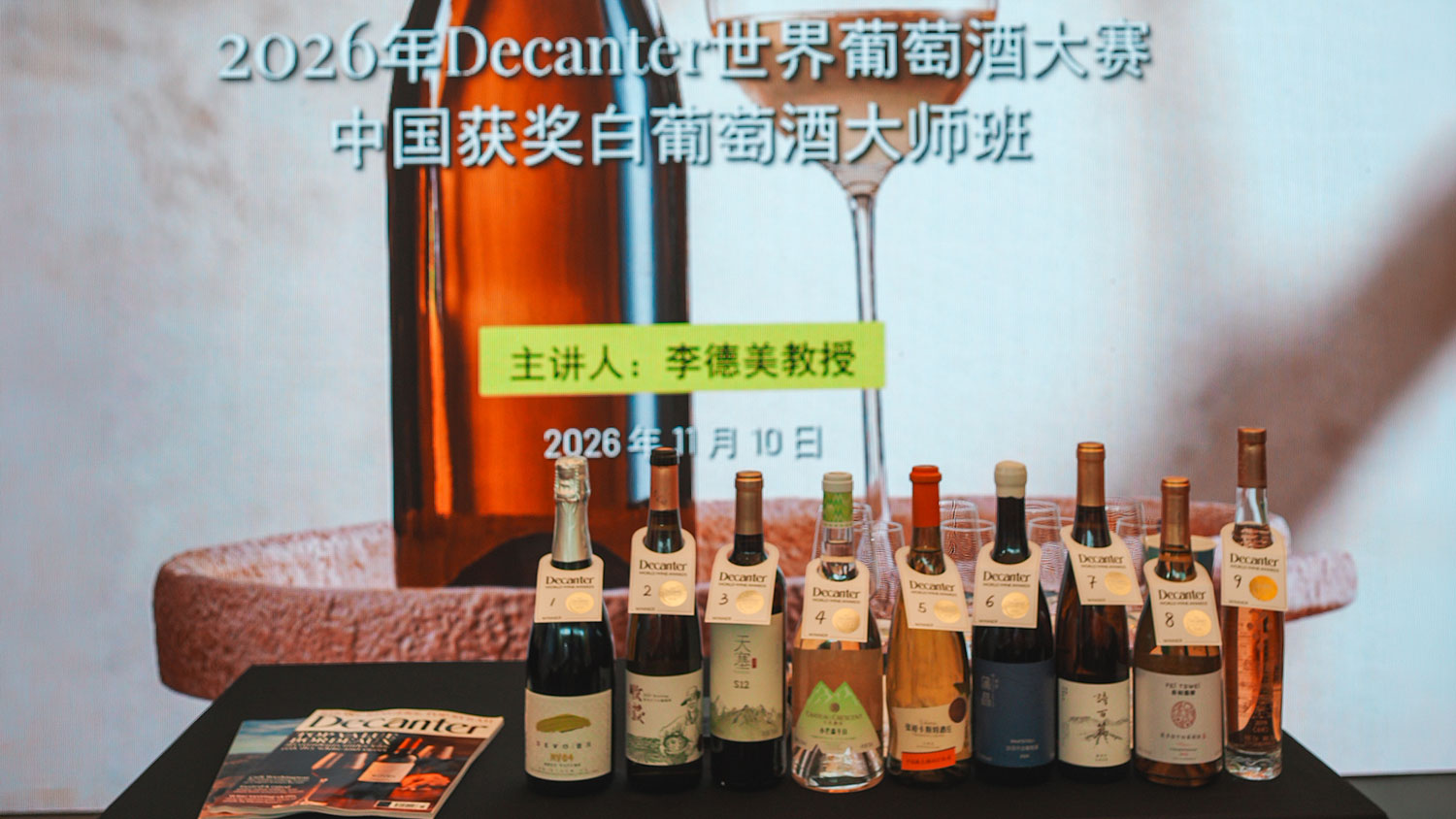
The exhibition’s programming followed a structured progression, designed to maximize professional engagement. On November 10, the opening day, the focus was firmly placed on the evolution of domestic production, headlined by the masterclass, "Award-winning Chinese White Wines from Decanter World Wine Awards 2026."
The session, conducted by Professor Li Demei—a highly regarded DWWA judge, columnist for DecanterChina.com, and director of enology engineering at the Beijing University of Agriculture—provided a deep dive into the technical advancements of Chinese winemaking. The presence of Edward Ragg MW, the DWWA Asia Regional Chair, served to underscore the institutional importance of the tasting. Ragg’s opening remarks framed the session not merely as a tasting, but as a recognition of the significant strides China has made in refining its white wine production. The following two days of the exhibition focused on continuous tastings and networking opportunities at the Decanter stand, where visitors could compare regional expressions, such as the distinct Shiraz styles from Australian vineyards or the niche, historic varietals emerging from Southwest France.
The Rise of Chinese White Wine: A Technical Analysis
While red wine has traditionally dominated the Chinese consumer market, the 2026 masterclass highlighted a strategic shift toward white wine production. The guided tasting featured nine DWWA 2026 medal-winning wines, including a sparkling wine, seven dry whites, and one ice wine.
The selection was noteworthy for its geographic and varietal breadth. By including wines from Ningxia, Xinjiang, Shandong, Hebei, and Liaoning, the showcase demonstrated that China’s terroir is far more varied than historically perceived. The inclusion of grape varieties such as Riesling, Sauvignon Blanc, Chardonnay, Welschriesling, Rkatsiteli, and the increasingly prominent Petit Manseng indicated a concerted effort by Chinese producers to move beyond volume and toward stylistic precision.
Professor Li’s session emphasized that these wines are no longer "experiments" but are consistent, high-quality products that can hold their own on an international stage. For the 60 trade professionals in attendance, the tasting served as a professional validation of these regions. The inclusion of Vidal ice wine from the colder northern climates of Liaoning particularly highlighted the ability of Chinese producers to leverage climatic diversity to create high-end dessert wines that rival those of Canada or Germany.
Economic and Market Implications
The implications of this year’s ProWine Shanghai extend beyond the immediate sales transactions that occur on the exhibition floor. The event highlights a maturation in the Chinese wine trade, where domestic buyers are becoming increasingly discerning. The demand for detailed, objective, and independent evaluations—such as those provided by the DWWA—is at an all-time high.
Data from the event suggests that there is a significant appetite for "discovery" wines. While French and Australian wines remain staple imports, there is a clear trend toward exploring lesser-known regions and indigenous grape varieties. The Decanter showcase acted as a filter for this demand, providing trade professionals with the assurance of a medal-winning pedigree, which in turn reduces the risk for distributors looking to introduce new products into a competitive retail environment.
Furthermore, the integration of Chinese domestic wines into the same showcase as established international heavyweights is a significant development. It signals a shift in market perception where Chinese labels are increasingly positioned as premium, rather than budget-friendly, alternatives. This alignment with international quality standards is likely to foster greater confidence among high-end retailers and restaurant groups in major Chinese urban centers.
Institutional Perspectives
The success of the Decanter presence at ProWine Shanghai is underpinned by a long-term strategy of education and professional development. By maintaining a continuous presence at the event, the organization has effectively positioned itself as a central authority in the Chinese market.
"The positive response from participants reflects a growing interest in discovering Chinese wine regions and exploring the quality and diversity of domestic wine production," noted industry observers at the event. This sentiment is echoed by the ongoing work of the DWWA, which, by inviting global experts to judge alongside local professionals, ensures that the criteria for excellence remain harmonized across borders.
The role of the educator is critical in this context. Experts like Professor Li Demei bridge the gap between academic enology and market-facing trade, translating complex viticultural data into actionable insights for importers. As the Chinese wine industry continues to professionalize, this educational component will remain the most vital tool for sustaining growth.
Looking Forward
As the industry reflects on the outcomes of ProWine Shanghai 2026, several key takeaways emerge. First, the resilience of the international wine trade remains strong despite broader global economic fluctuations, as evidenced by the robust attendance numbers. Second, the "medal effect"—the influence of independent, rigorous judging on consumer and trade confidence—continues to be a primary driver of market interest.
For producers, the challenge moving forward will be maintaining this upward trajectory in quality. For the Chinese market, the focus will likely remain on consumer education, as the palate of the average Chinese wine drinker becomes increasingly sophisticated. The success of the 2026 showcase suggests that the industry is well-prepared to meet this demand.
The Decanter World Wine Awards, through its annual presence in Shanghai, provides a stable, reliable framework for this progress. By connecting medal-winning producers with the most influential voices in the Asian trade, the initiative ensures that the global wine map continues to expand, inclusive of both the historic vineyards of Europe and the innovative, emerging frontiers of East Asia. As the wine trade looks toward 2027, the lessons learned in Shanghai this November will undoubtedly influence procurement decisions, marketing strategies, and, ultimately, the bottles that appear on shelves across the continent.








0 Komentar
Sampaikan opini dan diskusi yang membangun dengan bahasa yang santun.
No Comments Yet
Be the first to share your thoughts on this story.