
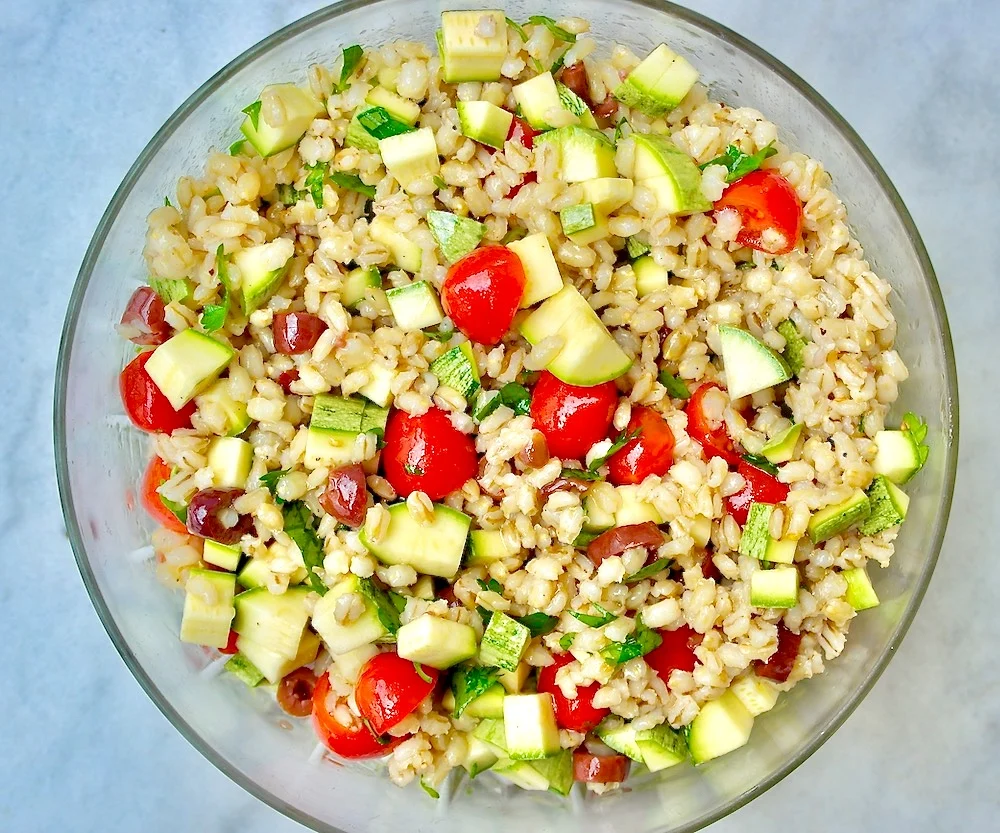
The search for a balanced and healthy lifestyle often leads consumers down a labyrinth of restrictive eating habits, modern wellness fads, and short-lived dietary experiments. Yet, for decades, public health researchers, nutritional scientists, and clinical dietitians have continuously pointed toward a time-tested regional dietary pattern as the gold standard for long-term health: the Mediterranean diet. Rather than relying on elimination or strict calorie counting, this traditional approach emphasizes abundance, cultural heritage, and the integration of wholesome, minimally processed ingredients that have sustained Mediterranean populations for generations.
Elena Paravantes, a registered dietitian nutritionist, author, and wellness expert with over 25 years of experience studying and practicing this nutritional framework, emphasizes that the true essence of the Mediterranean diet is rooted in pleasure rather than deprivation. Having been raised within the cultural traditions of Greece, Paravantes notes that the architecture of this diet revolves around simple, high-quality foods and the social ritual of communal dining. Far from a contemporary corporate wellness invention, the authentic Mediterranean lifestyle is an organic product of history, geography, and agricultural heritage.
A Historical and Cultural Context of the Mediterranean Diet
To understand the enduring viability of the Mediterranean diet, one must examine its historical roots. The dietary patterns observed across nations bordering the Mediterranean Sea—such as Greece, Southern Italy, Spain, and parts of North Africa—grew out of agrarian economies shaped by local geography, climate, and historical scarcity. Traditionally, populations in these regions relied heavily on seasonal agriculture, coastal fishing, and livestock management focused primarily on sheep and goats rather than industrial cattle production.
The modern scientific recognition of this diet began in the mid-20th century, most notably through the pioneering epidemiological research of American physiologist Ancel Keys. The Seven Countries Study, initiated in the late 1950s, systematically investigated the relationship between lifestyle, diet, and cardiovascular disease across diverse populations in the United States, Europe, and Japan. Keys and his colleagues observed that populations in Crete and Southern Italy experienced remarkably low rates of coronary heart disease and enjoyed greater longevity compared to their counterparts in other industrialized nations, despite having comparable or even higher fat intakes.
Subsequent decades of clinical research have consistently corroborated these early findings. The prevailing consensus within nutritional epidemiology attributes these health benefits not to a single nutrient or isolated food item, but to the synergistic effect of the entire dietary matrix, characterized by high consumption of plant foods, moderate intake of fish and dairy, low consumption of red meat, and the generous use of extra virgin olive oil as the primary source of dietary fat.
The Five Essential Pillars of the Mediterranean Kitchen
An examination of a traditional Mediterranean pantry reveals a core set of staples that serve as the foundation for daily meal preparation. Far from exotic or inaccessible, these ingredients are remarkably versatile and scientifically validated for their health-promoting properties.
- Whole Grains: The Satiating Foundation
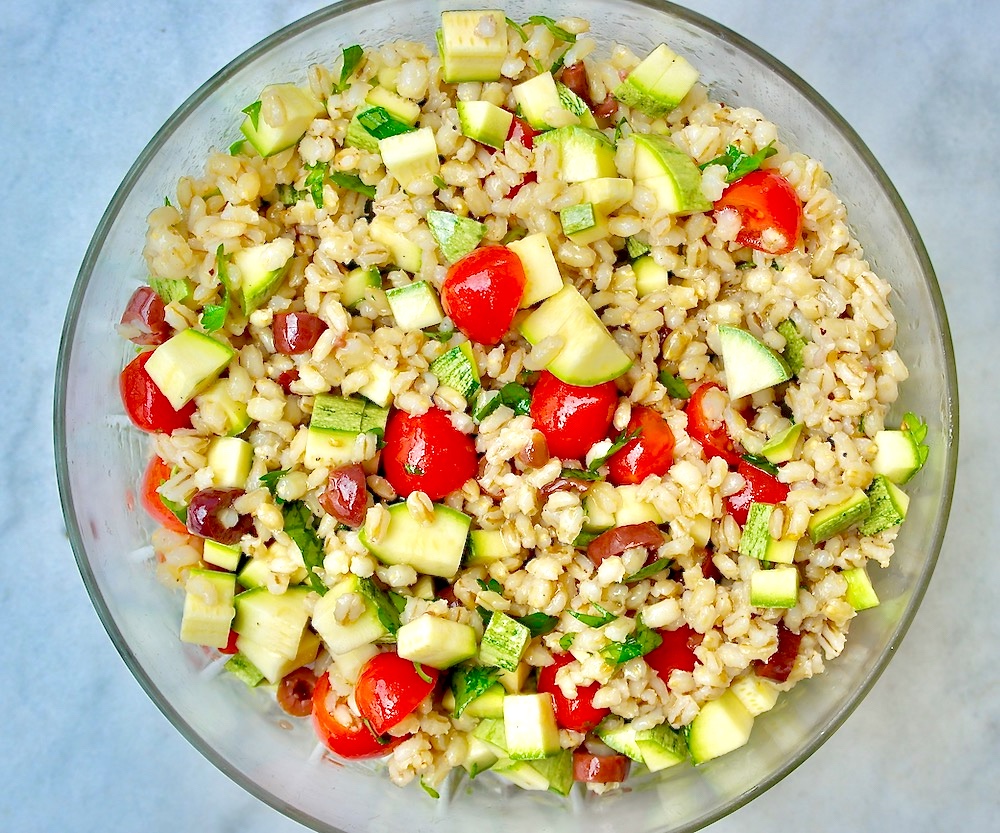
Whole grains have occupied a central place in Mediterranean culinary traditions for millennia. Depending on the specific micro-region, traditional tables feature grains such as barley, bulgur, farro, whole-grain flatbreads, and spelt. Unlike refined grains, which are stripped of their nutrient-dense outer layers during milling, whole grains retain the bran, germ, and endosperm.
From a nutritional perspective, this retention provides a robust matrix of dietary fiber, B vitamins, trace minerals, and complex carbohydrates. Epidemiological studies link regular consumption of whole grains to a reduced risk of type 2 diabetes, cardiovascular disease, and colorectal cancer. In traditional Mediterranean cooking, these grains are rarely consumed in isolation; instead, they are combined with seasonal vegetables, legumes, fresh herbs, and olive oil to create cohesive, nutrient-dense dishes that promote sustained glycemic control and satiety.
- Oregano: More Than a Culinary Garnish
Herbs and spices are frequently overlooked in discussions of major dietary patterns, yet they play a critical role in Mediterranean cuisine. Greek oregano, in particular, transcends the traditional definition of a mere garnish. Widely cultivated across the rocky soils of the Mediterranean basin, dried Greek oregano yields a potent, highly aromatic profile capable of elevating simple components such as tomatoes, root vegetables, legumes, and fish.
Beyond its sensory contributions, oregano possesses significant concentrations of antioxidant and antimicrobial phytochemicals, including carvacrol and thymol. In public health nutrition, the strategic use of herbs and spices serves a vital behavioral function: by enhancing the natural flavors of plant-based foods, they reduce the reliance on excessive sodium, heavy cream sauces, and saturated fats, thereby making nutrient-dense foods inherently more palatable to consumers.
- Cultured Dairy: The Everyday Role of Greek Yogurt
While strained yogurt has experienced a meteoric rise in global commercial markets over the last two decades—frequently marketed as a high-protein functional food—it has long functioned as a standard, everyday dietary staple in Greece and neighboring regions. Traditionally consumed on its own, sweetened with local honey, or incorporated into savory applications like the garlic-and-cucumber dip tzatziki, yogurt represents a cornerstone of Mediterranean dairy consumption.
From a nutritional standpoint, authentic strained yogurt provides a significant matrix of high-biological-value protein, bioavailable calcium, and phosphorus. Furthermore, varieties containing live and active bacterial cultures contribute beneficial probiotics to the gastrointestinal microbiome. Research increasingly indicates that fermented dairy products support gut barrier integrity, immune function, and metabolic health without the adverse inflammatory profiles sometimes associated with high-fat, non-fermented dairy sources.
- Extra Virgin Olive Oil: The Uncompromised Lipid Foundation
It is impossible to discuss the Mediterranean diet without addressing extra virgin olive oil, which serves as the undeniable cornerstone of the cuisine. In Greece, per capita consumption of olive oil remains the highest in the world, where it is utilized across nearly every culinary application—from sautéing and roasting to dressing raw salads, enhancing greens, and even featuring in traditional baked goods and desserts.
Nutritionally, extra virgin olive oil is distinguished by its high monounsaturated fatty acid content, primarily oleic acid, alongside a complex profile of minor bioactive components such as polyphenols, tocopherols, and oleocanthal. These compounds exhibit potent anti-inflammatory and antioxidant properties that protect low-density lipoprotein (LDL) cholesterol from oxidation, improve endothelial function, and support overall cardiovascular health. Nutritional scientists emphasize that a low-fat Mediterranean diet is a contradiction in terms; generous quantities of extra virgin olive oil are essential not only for physiological health, but also for enhancing the bioavailability of fat-soluble vitamins found in the accompanying vegetables.
- Seasonal Vegetables: The Vibrant Core of the Plate
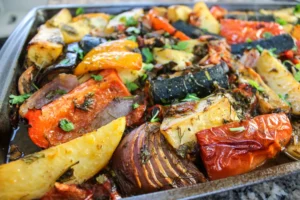
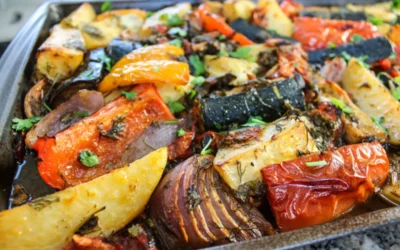
Vegetables occupy the largest physical space on the traditional Mediterranean plate. Tomatoes, eggplants, zucchini, bell peppers, leafy greens, onions, and cruciferous vegetables are prepared in ways that highlight their natural flavors rather than masking them. Cooking methods often involve roasting with olive oil and herbs, slow-simmering in aromatic tomato bases, or stuffing with rice and wild greens.
The health implications of a plant-rich diet are extensively documented. Vegetables provide an abundance of dietary fiber, essential micronutrients, and thousands of bioactive phytochemicals that reduce systemic inflammation and oxidative stress. Traditional Mediterranean culinary techniques excel at bridging the gap between nutritional recommendation and consumer compliance by making vegetable-centric dishes deeply satisfying and sensorially appealing.
Broader Public Health Implications and Global Adoption
As non-communicable chronic diseases—such as cardiovascular disorders, obesity, and metabolic syndrome—continue to place unprecedented burdens on global healthcare systems, public health authorities increasingly look toward dietary prevention models. The World Health Organization and various international cardiology associations frequently cite the Mediterranean diet as a premier non-pharmacological intervention for reducing chronic disease morbidity and mortality.
Recent clinical trials, such as the PREDIMED (Prevención con Dieta Mediterránea) study conducted in Spain, provided robust randomized controlled trial data demonstrating that a Mediterranean diet supplemented with extra virgin olive oil or mixed nuts reduced the incidence of major cardiovascular events by approximately 30 percent compared to a control diet. These findings shifted the scientific perception of the diet from observational correlation to proven causal efficacy.
However, nutritionists and public health experts caution against viewing the diet through a reductionist lens. Replicating the health benefits of the Mediterranean lifestyle requires looking beyond isolated superfoods to embrace the broader behavioral pattern. This includes prioritizing culinary literacy, emphasizing seasonal and locally sourced ingredients, minimizing ultra-processed foods, and restoring the social dimension of shared meals.
Ultimately, the enduring relevance of the Mediterranean approach lies in its sustainability. By framing healthy eating as an act of culinary pleasure and cultural connection rather than a medical prescription, it offers a realistic, lifelong framework capable of addressing modern global health challenges while honoring centuries of human tradition.




0 Komentar
Sampaikan opini dan diskusi yang membangun dengan bahasa yang santun.
No Comments Yet
Be the first to share your thoughts on this story.