
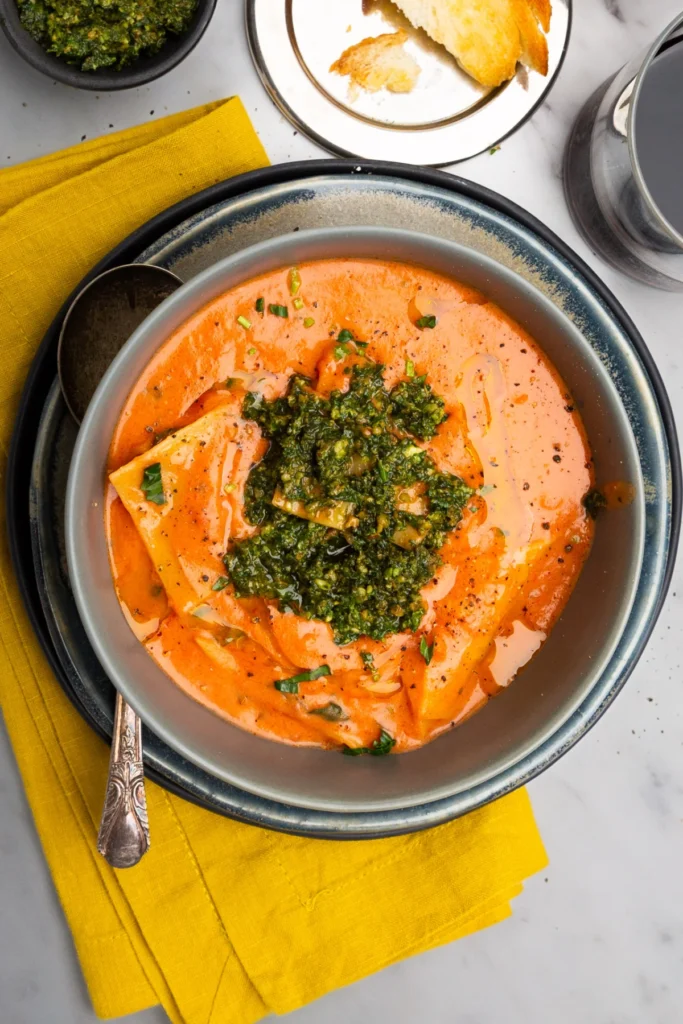
The modern culinary landscape has undergone a dramatic shift over the past decade, heavily influenced by the demands of contemporary lifestyles, digital recipe sharing, and an enduring consumer appetite for comfort food. Among the myriad trends to emerge from home-kitchen innovators and food blogging platforms is a dish that cleverly deconstructs a traditional Italian-American staple: creamy lasagna soup. Developed by culinary writer Alejandra Graf of Piloncillo y Vainilla, this single-pot dish encapsulates a broader movement in home cooking—the desire to achieve complex, long-simmering flavors within a compressed 30-minute timeframe. As families navigate increasingly busy schedules, the demand for streamlined, accessible, and adaptable recipes has surged, turning innovative weeknight dinners into global internet phenomena.
Anatomical Breakdown of a Modern Comfort Food Phenomenon

At its core, creamy lasagna soup reimagines the layered complexity of a classic baked lasagna. Traditional lasagna requires multiple phases of preparation: boiling sheets of pasta, concocting a rich Bolognese or marinara sauce, preparing a separate béchamel or ricotta mixture, and carefully assembling the layers before a lengthy bake in the oven. In contrast, the soup variant condenses these steps into a singular culinary vessel.
The preparation begins with the foundational aromatic base, known in traditional Italian cooking as a soffritto. Finely diced onions, celery, and carrots are gently sautéed in olive oil until translucent and lightly caramelized, releasing natural sugars that form the flavor bedrock of the broth. Minced garlic and tomato paste are subsequently introduced, toasted briefly in the fat to neutralize the raw pungency of the garlic and deepen the umami profile of the paste.
The primary liquid and body of the soup rely on crushed tomatoes, vegetable broth, or water, which are brought to a steady simmer. Rather than pre-boiling pasta separately, broken lasagna sheets are added directly into the bubbling broth. As the pasta cooks al dente, it releases vital starches into the liquid, naturally thickening the soup and creating a cohesive texture that mimics the heartiness of a traditional slice of lasagna. The dish reaches its sensory climax with the addition of cream—either heavy dairy cream or a velvety, plant-based cashew cream alternative—which softens the acidity of the tomatoes and imparts a luxurious mouthfeel.

Historical Context and the Evolution of Weeknight Cooking
To understand the popularity of dishes like creamy lasagna soup, one must examine the evolution of home cooking over the last century. Throughout the mid-20th century, convenience foods dominated the market, often at the expense of fresh ingredients and complex flavor profiles. However, the 21st century brought a renaissance of home gastronomy, largely driven by culinary blogs, social media video platforms, and cooking shows. Home cooks increasingly sought meals that bridged the gap between scratch-made quality and time efficiency.
The concept of "soupifying" complex pasta dishes gained significant traction during the economic shifts of the late 2000s and early 2010s. During periods of economic uncertainty, consumers frequently return to comfort foods that utilize pantry staples—such as canned tomatoes, dried pasta, and aromatic vegetables—while offering high caloric and psychological satisfaction. Deconstructed pasta soups emerged as a logical evolution, minimizing dishwashing labor (a major deterrent for home cooks) while maximizing flavor concentration.

Nutritional Profile and Dietary Adaptability
In an era where health consciousness and dietary restrictions dictate grocery purchasing patterns, recipes that offer built-in flexibility hold immense value. According to nutritional data associated with Graf’s recipe, a standard single-portion serving of the basic creamy lasagna soup contains approximately 117 kilocalories, 5 grams of carbohydrates, 7 grams of protein, and 8 grams of fat. While modest in its base caloric footprint, the soup functions as a blank canvas capable of accommodating diverse nutritional needs.
Dietary versatility is a defining characteristic of modern viral recipes. The dish can be easily tailored to fit vegetarian, vegan, and omnivorous diets:

- Plant-Based Variations: By substituting dairy cream with cashew cream—made by blending soaked cashews with water—and utilizing vegetable broth, the soup achieves an identical creamy texture without animal products. Proteins can be boosted via the addition of cooked lentils, white beans, or vegan sausage crumbles.
- Omnivorous Enrichments: Traditionalists can integrate ground beef, Italian pork sausage, or shredded chicken during the initial soffritto phase, significantly increasing the protein and fat content.
- Dairy Finishes: Standard ricotta, vegan tofu ricotta, freshly grated Parmesan, or aromatic basil-parsley pesto can be swirled in at the moment of serving, allowing individual diners to customize their bowls according to personal preference and dietary requirements.
The Role of Digital Food Media in Recipe Popularity
The trajectory of creamy lasagna soup highlights the symbiotic relationship between digital content creators and modern consumers. Recipes published on independent culinary websites no longer exist in a vacuum; they are optimized for search engines, shared across visual platforms like Pinterest and Instagram, and adapted into short-form video content on TikTok and YouTube Shorts.
Food industry analysts note that recipes featuring visual transformations—such as raw ingredients merging into a bubbling, cohesive soup in a single pot—perform exceptionally well in digital spaces. The tactile appeal of breaking dry lasagna sheets into a pot of simmering tomatoes taps into sensory engagement, a key driver of user interaction and recipe sharing. Furthermore, the explicit inclusion of both traditional and plant-based pathways broadens the potential audience, ensuring inclusivity for flexitarians, vegans, and meat-lovers alike.

Broader Implications for the Culinary Industry
The widespread adoption of simplified comfort food recipes signals a broader shift in consumer behavior toward home economics and stress reduction. Culinary psychologists point out that the act of preparing warm, aromatic foods serves as a psychological anchor, particularly during colder winter months when seasonal affective challenges peak. Dishes that evoke nostalgic flavors—such as the rich, comforting profile of baked lasagna—provide emotional reassurance alongside physical nourishment.
Moreover, the emphasis on single-pot cooking reflects a growing intolerance for labor-intensive kitchen chores among working professionals and families. As time poverty becomes a pervasive metric of modern life, recipes that promise gourmet results in under 30 minutes with minimal cleanup are prioritized not merely as trends, but as practical survival tools for the contemporary household.

Conclusion: A Timeless Concept for a Fast-Paced World
Creamy lasagna soup represents more than a fleeting internet recipe; it is a masterclass in culinary adaptation. By distilling the multi-step tradition of lasagna into an accessible, rapid, and flexible 30-minute meal, home cooks can enjoy complex, layered Italian-inspired flavors without the traditional time investment. Whether prepared with rich dairy cream or velvety cashew emulsion, loaded with meat or kept entirely plant-based, the dish underscores the enduring power of comfort food to adapt, evolve, and bring warmth to the modern table.









0 Komentar
Sampaikan opini dan diskusi yang membangun dengan bahasa yang santun.
No Comments Yet
Be the first to share your thoughts on this story.