Baked Ham with Pineapple Mustard Glaze: A Sweet and Savory Feast
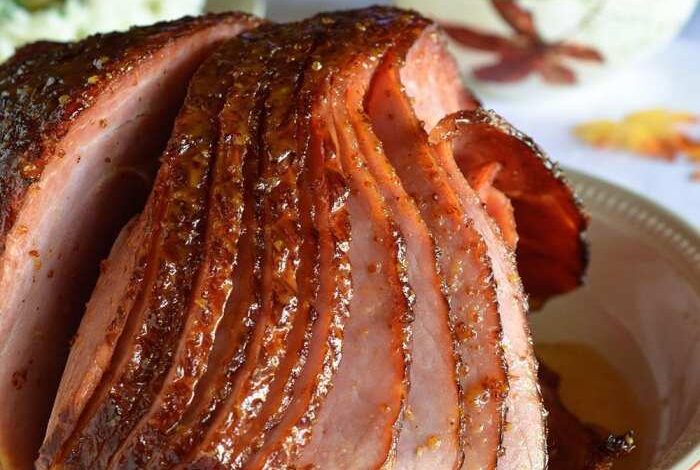
Baked ham with pineapple mustard glaze takes center stage, a culinary masterpiece that marries the savory richness of ham with the sweet and tangy notes of a pineapple mustard glaze. This classic dish is a crowd-pleaser, perfect for holidays, family gatherings, or any occasion that calls for a delicious and impressive meal.
The sweet and savory flavors of the glaze perfectly complement the ham, creating a symphony of taste that will leave your guests wanting more.
The origins of baked ham can be traced back centuries, with variations enjoyed in different cultures and regions. Pineapple mustard glaze, however, is a more recent addition, emerging as a popular pairing in the 20th century. Its sweet and tangy profile adds a touch of brightness to the savory ham, creating a harmonious balance of flavors.
The glaze itself can be customized with different spices, herbs, and even a touch of heat for those who prefer a kick.
Baked Ham with Pineapple Mustard Glaze
Baked ham is a culinary staple that has been enjoyed for centuries. Its popularity stems from its versatility, affordability, and ability to serve as a centerpiece for various gatherings. Whether it’s a holiday feast, a casual family dinner, or a potluck, baked ham offers a satisfying and flavorful experience.Pineapple mustard glaze adds a unique twist to the traditional baked ham experience, combining the sweetness of pineapple with the tangy zest of mustard.
This harmonious blend of flavors complements the savory richness of the ham, creating a delightful culinary fusion.
Variations and Regional Differences
Baked ham preparations vary widely across different regions and cultures. These variations often reflect local ingredients, culinary traditions, and personal preferences.
- Glazes:While pineapple mustard glaze is popular, other glazes are used, including brown sugar, honey, maple syrup, and even fruit preserves. Some regions favor spicy glazes with ingredients like chili powder or chipotle peppers.
- Seasonings:The ham itself can be seasoned with various herbs and spices, such as cloves, rosemary, thyme, and garlic. Some recipes call for a dry rub, while others use a marinade for added flavor.
- Accompaniments:Baked ham is often served with a variety of side dishes, including mashed potatoes, green beans, sweet potatoes, and cranberry sauce. The specific accompaniments vary depending on the occasion and regional preferences.
Ingredients and Preparation
Baking a ham with a pineapple mustard glaze is a delicious and relatively simple process. The glaze adds a sweet and tangy flavor to the ham, while the baking process ensures a tender and juicy result. This recipe provides a basic Artikel for a successful baked ham.
That sweet and tangy pineapple mustard glaze on baked ham is always a crowd-pleaser, but sometimes I crave something a little more savory. For those nights, I turn to a classic comfort food like pan fried cube steaks with simple pan sauce.
The crispy edges and juicy interior of the cube steaks, paired with the rich and flavorful sauce, make for a satisfying meal that’s perfect with mashed potatoes and a side of green beans. But, no matter what I’m cooking, I always find myself drawn back to the irresistible combination of pineapple and mustard on my baked ham.
Ingredients
The following ingredients are essential for a basic baked ham recipe with pineapple mustard glaze.
The sweet and tangy pineapple mustard glaze on the baked ham is a perfect complement to the smoky flavor of grilled vegetables. If you’re looking for a side dish that can stand up to the bold flavors of the ham, I highly recommend trying baked potatoes on the grill.
The smoky char adds a unique depth to the potatoes, and they’re incredibly easy to make. You can even top them with a dollop of sour cream and chives for a delicious and satisfying meal.
| Ingredient | Quantity | Preparation |
|---|---|---|
| Ham | 1 (8-10 pound) bone-in ham | Remove from packaging and pat dry with paper towels. Score the fat with a sharp knife in a diamond pattern. |
| Pineapple Mustard Glaze | 1 cup | Combine pineapple preserves, Dijon mustard, brown sugar, and orange juice in a saucepan. Bring to a simmer over medium heat, stirring constantly until the sugar is dissolved and the glaze thickens slightly. |
| Pineapple Preserves | 1/2 cup | Use good quality pineapple preserves for a richer flavor. |
| Dijon Mustard | 1/4 cup | Dijon mustard adds a tangy flavor to the glaze. |
| Brown Sugar | 1/4 cup | Brown sugar adds sweetness and depth of flavor to the glaze. |
| Orange Juice | 1/4 cup | Orange juice adds a citrusy note to the glaze. |
| Cloves | 4-6 whole cloves | Insert whole cloves into the fat of the ham, spacing them evenly. |
| Water | 1/2 cup | Pour water into the bottom of the roasting pan to prevent the ham from drying out during baking. |
Preparation
The preparation process for a baked ham with pineapple mustard glaze involves several steps.
- Preheat the oven to 325 degrees Fahrenheit (165 degrees Celsius). This ensures that the ham cooks evenly and thoroughly.
- Place the ham in a roasting pan. The roasting pan should be large enough to accommodate the ham comfortably.
- Pour 1/2 cup of water into the bottom of the roasting pan. This will create steam, which will help keep the ham moist during baking.
- Insert whole cloves into the fat of the ham, spacing them evenly. This will add a subtle flavor to the ham.
- Bake the ham for 15-20 minutes per pound, or until the internal temperature reaches 140 degrees Fahrenheit (60 degrees Celsius).
- Remove the ham from the oven and let it rest for 10-15 minutes before carving. This allows the juices to redistribute, resulting in a more tender and flavorful ham.
- While the ham is resting, prepare the pineapple mustard glaze. Combine pineapple preserves, Dijon mustard, brown sugar, and orange juice in a saucepan. Bring to a simmer over medium heat, stirring constantly until the sugar is dissolved and the glaze thickens slightly.
- Brush the glaze over the ham, making sure to cover the entire surface.
- Return the ham to the oven and bake for an additional 15-20 minutes, or until the glaze is bubbly and caramelized.
- Remove the ham from the oven and let it rest for 10-15 minutes before carving.
Glazing the Ham
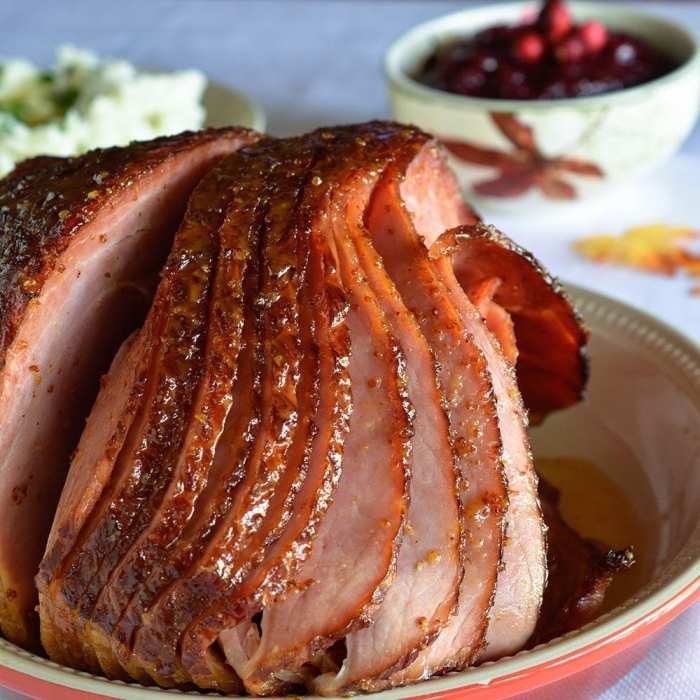
Imagine a glistening, golden-brown ham resting in a roasting pan. The surface is covered in a luscious, sticky pineapple mustard glaze, glistening under the oven light. The glaze is bubbling gently, releasing a tantalizing aroma of sweet pineapple and tangy mustard.
Baked ham with pineapple mustard glaze is a classic for a reason – it’s sweet, savory, and always a crowd-pleaser. But sometimes, you want something a little more decadent, and that’s where a truly amazing dessert comes in. I’m talking about a rich and intensely chocolatey flourless chocolate cake, like the one you can find on this website , which pairs perfectly with the tangy sweetness of the ham glaze.
After all, a meal isn’t complete without a sweet ending, and this combination is simply irresistible.
As the ham continues to bake, the glaze caramelizes, creating a crispy, flavorful crust that complements the tender ham.
Cooking Techniques
The key to a perfectly cooked baked ham is understanding the right combination of time and temperature. This ensures the ham is cooked through while retaining its juicy texture and flavorful glaze. Different cooking methods have their own nuances, so let’s explore them in detail.
Cooking Time and Temperature
The recommended cooking time and temperature for a baked ham depend on its weight and whether it is bone-in or boneless. Generally, a bone-in ham requires a longer cooking time than a boneless ham of the same weight. For a bone-in ham, the general rule of thumb is to bake it at 325°F (165°C) for 15-20 minutes per pound.
For a boneless ham, the cooking time is slightly shorter, typically 12-15 minutes per pound. However, it’s always best to use a meat thermometer to ensure the ham reaches an internal temperature of 145°F (63°C) to ensure safety.
Cooking Methods
Oven Baking
Oven baking is the most common method for cooking ham. It allows for even heat distribution, resulting in a tender and flavorful ham.
Slow Cooking
Slow cooking is a great option for a hands-off approach. It’s perfect for a busy day, as the ham cooks low and slow, resulting in a succulent and flavorful ham.
Grilling
Grilling is a great way to add a smoky flavor to your ham. It’s important to use a low heat and to keep the ham away from direct flames to prevent burning.
Common Mistakes to Avoid
Overcooking
Overcooking a ham can lead to a dry and tough texture. Use a meat thermometer to ensure the ham reaches the recommended internal temperature and avoid overcooking.
Undercooking
Undercooked ham can be dangerous to eat. Always ensure the ham reaches an internal temperature of 145°F (63°C) to kill any harmful bacteria.
Uneven Cooking
Uneven cooking can result in some parts of the ham being overcooked while others are undercooked. To avoid this, rotate the ham halfway through the cooking time and ensure the ham is placed in the center of the oven.
Not Glazing
Glazing the ham during the last 30 minutes of cooking adds a delicious flavor and a beautiful golden-brown finish.
Serving Suggestions and Accompaniments
A baked ham with pineapple mustard glaze is a delicious and versatile dish that can be enjoyed with a variety of side dishes. The sweet and savory flavors of the ham pair well with a range of accompaniments, from classic favorites to more adventurous options.
Side Dishes
Here are some side dishes that complement the sweet and savory flavors of baked ham with pineapple mustard glaze:
- Classic Sides:Baked sweet potatoes, green bean casserole, mashed potatoes, and macaroni and cheese are classic side dishes that pair well with baked ham.
- Fruity and Sweet:The pineapple mustard glaze adds a sweet element to the ham, so you can balance it with fruity and sweet sides like cranberry sauce, pineapple rings, or a fruit salad with berries and citrus fruits.
- Savory and Earthy:To contrast the sweetness of the glaze, consider savory and earthy sides like roasted vegetables (such as Brussels sprouts, asparagus, or carrots), a simple green salad with a vinaigrette dressing, or a hearty potato salad.
- Hearty and Comforting:For a more substantial meal, serve the ham with a side of bread stuffing, cornbread, or a baked potato.
Decorative Garnishes and Presentation Techniques
Presentation plays a crucial role in enhancing the dining experience. Here are some decorative garnishes and presentation techniques to elevate the appeal of your baked ham:
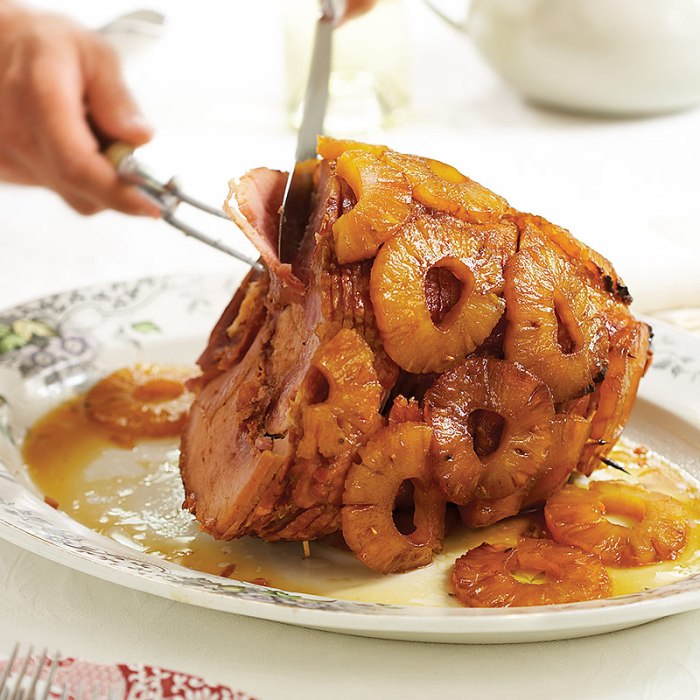
- Pineapple Slices:Arrange pineapple slices around the ham to create a visually appealing centerpiece and add a touch of sweetness to the dish.
- Fresh Herbs:Garnish the ham with fresh herbs like rosemary, thyme, or parsley for a fragrant and aromatic touch.
- Citrus Zest:A sprinkle of orange or lemon zest adds a bright and refreshing flavor to the ham.
- Glaze Drizzle:Drizzle some of the leftover pineapple mustard glaze over the ham for an extra layer of flavor and a glossy finish.
- Carving Station:Present the ham on a carving station or platter with a carving knife and serving utensils for a more formal presentation.
Beverages
Choosing the right beverages is essential for complementing the flavors of the meal. Here are some drink options that pair well with baked ham with pineapple mustard glaze:
- White Wine:A crisp and dry white wine, such as Sauvignon Blanc or Pinot Grigio, cuts through the richness of the ham and balances the sweetness of the glaze.
- Sparkling Wine:A sparkling wine, like Champagne or Prosecco, adds a festive touch and complements the fruity notes of the glaze.
- Beer:A light and refreshing beer, such as a pale ale or a lager, pairs well with the savory flavors of the ham.
- Juice:Apple juice, cranberry juice, or pineapple juice are refreshing and complement the sweet and fruity notes of the dish.
Variations and Experimentation: Baked Ham With Pineapple Mustard Glaze
This recipe is a great foundation for experimentation, allowing you to tailor the flavors and ingredients to your liking. You can play with different types of ham, glazes, and even substitutions to create a dish that suits your preferences and dietary needs.
Types of Ham, Baked ham with pineapple mustard glaze
The type of ham you choose will significantly impact the flavor and texture of your final dish. Here are a few popular options to consider:
- Spiral-Sliced Ham:This is a convenient option, often pre-cooked and ready to glaze. The spiral slicing makes it easy to carve and serve.
- Bone-in Ham:Bone-in hams are typically more flavorful and tender than boneless hams, as the bone helps to retain moisture during cooking.
- City Ham:This type of ham is cured and smoked, giving it a distinctive, salty flavor. It’s often dry-cured and can be quite salty.
- Country Ham:Country ham is a dry-cured ham with a strong, salty, and smoky flavor. It’s usually aged for a long period, resulting in a hard, dense texture. Soaking it in water before cooking is recommended.
Alternative Glazes
While the pineapple mustard glaze is delicious, you can easily explore other flavor combinations. Here are some ideas:
- Honey-Mustard Glaze:Combine honey, Dijon mustard, and a touch of brown sugar for a sweet and tangy glaze.
- Maple-Brown Sugar Glaze:Maple syrup, brown sugar, and a hint of cinnamon create a rich and caramelized glaze.
- Bourbon-Cherry Glaze:Bourbon, cherry preserves, and a touch of orange zest offer a sophisticated and complex flavor profile.
- Spicy Mango Glaze:Mango chutney, chili powder, and a touch of lime juice create a sweet and spicy glaze.
Ingredient Substitutions
For those with dietary restrictions or preferences, there are several substitutions you can make:
- Gluten-Free:Use gluten-free mustard and bread crumbs (if used) to ensure the recipe is gluten-free.
- Dairy-Free:Replace the butter with dairy-free alternatives such as coconut oil or vegan butter.
- Sugar-Free:Use a sugar substitute like stevia or erythritol in the glaze.
- Vegan:Use a vegan ham alternative, such as a plant-based roast, and adjust the glaze accordingly.