
Fresh Tomato Marinara Sauce

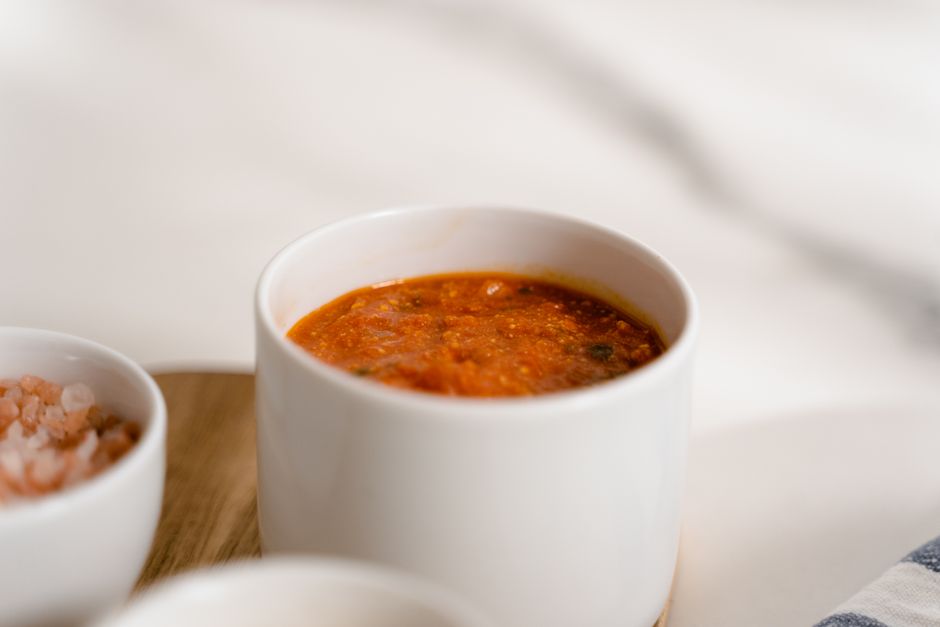
The Ultimate Guide to Fresh Tomato Marinara Sauce: From Garden to Gourmet
Fresh tomato marinara sauce transcends the ordinary, offering a vibrant, nuanced flavor profile that canned sauces simply cannot replicate. This article will delve into every aspect of creating exceptional marinara using peak-season, garden-fresh tomatoes, covering ingredient selection, preparation techniques, cooking methods, and storage. Achieving the perfect balance of sweetness, acidity, and savory depth is attainable with a deep understanding of the core components and a willingness to embrace the natural bounty of ripe tomatoes.
The foundation of any superior marinara sauce is the quality of its tomatoes. For the most authentic and flavorful result, prioritize vine-ripened, in-season tomatoes. Heirloom varieties like San Marzano, Roma, and Plum tomatoes are ideal due to their lower water content and higher sugar-to-acidity ratio, which translate to a richer, more concentrated sauce. While other tomatoes can be used, they may require longer simmering times to achieve the desired thickness and intensity. When selecting tomatoes, look for firm, unblemished fruit with a uniform color. Gently squeeze them; they should yield slightly, indicating ripeness. Avoid tomatoes that are bruised, soft, or have green shoulders, as these can impart a bitter or watery quality to the sauce. The aroma is also a good indicator; ripe tomatoes possess a sweet, earthy fragrance. If you’re sourcing from a farmers’ market, don’t hesitate to ask about the varietals and their suitability for sauces.
Proper tomato preparation is paramount. The most common method for skinning and seeding tomatoes for marinara is blanching. This involves scoring a small "X" on the bottom of each tomato with a sharp knife. Then, plunge them into boiling water for 30-60 seconds, until the skins begin to loosen and peel back. Immediately transfer the blanched tomatoes to an ice bath to halt the cooking process. Once cool enough to handle, the skins should slip off effortlessly. Next, quarter the tomatoes and gently squeeze out the excess seeds and watery pulp. While some purists advocate for seeding meticulously, a small amount of pulp can contribute to the sauce’s texture. For a smoother sauce, you can press the tomatoes through a food mill or sieve after blanching and seeding. Alternatively, a high-powered blender or food processor can be used, but this can sometimes aerate the sauce, leading to oxidation and a less desirable flavor. The key is to achieve a consistency that is neither watery nor overly pasty.
Beyond tomatoes, the supporting cast of ingredients plays a crucial role in developing complex marinara flavor. Garlic is indispensable. Use fresh garlic cloves, minced or thinly sliced. The amount of garlic is a matter of personal preference, but a good starting point is 3-4 cloves per pound of tomatoes. Sautéing the garlic in good quality olive oil is essential for mellowing its raw pungency and releasing its sweet, aromatic compounds. Avoid burning the garlic, as this will impart a bitter, acrid taste. Olive oil itself contributes significantly. Extra virgin olive oil is the preferred choice for its fruity notes and health benefits. Use a generous amount to sauté the aromatics and to enrich the finished sauce. Onions, particularly sweet varieties like Vidalia or yellow onions, are another foundational aromatic. Finely diced onions, when slowly caramelized, add a layer of sweetness and depth that complements the tomatoes beautifully.
Herbs are the soul of Italian cooking, and marinara is no exception. Fresh basil is perhaps the most iconic herb for marinara, its sweet, peppery notes singing against the acidity of the tomatoes. Add fresh basil leaves towards the end of the cooking process to preserve their delicate flavor. Dried oregano, with its earthier, more pungent profile, is also a valuable addition. A pinch of red pepper flakes can introduce a subtle warmth and a hint of spice that awakens the palate. Other herbs that can elevate marinara include fresh thyme, rosemary, and marjoram, though these should be used sparingly to avoid overpowering the tomato flavor. Salt and freshly ground black pepper are non-negotiable for seasoning. Salt enhances all the other flavors and balances the acidity, while black pepper adds a subtle sharpness. Taste and adjust seasoning frequently throughout the cooking process.
The cooking process for fresh tomato marinara is a dance of slow simmering and flavor development. While some recipes advocate for a very brief cooking time, allowing the fresh ingredients to shine, a longer, slower simmer can deepen the flavors and meld the ingredients harmoniously. Start by sautéing your aromatics – onions and garlic – in olive oil over medium-low heat until softened and translucent. This slow caramelization is critical for building a rich flavor base. Add your prepared tomatoes (crushed, pulsed, or milled) to the pot. Bring the sauce to a gentle simmer, then reduce the heat to low, cover partially, and let it cook. The simmering time can vary significantly, from 30 minutes to several hours, depending on your desired consistency and flavor intensity. Stir the sauce occasionally to prevent sticking. If the sauce becomes too thick, you can add a splash of water, vegetable broth, or even a dry red wine to thin it.
Achieving the right consistency is a key determinant of a successful marinara. A sauce that is too thin will be watery and lack depth, while a sauce that is too thick can become gummy and pasty. As the sauce simmers, the water from the tomatoes evaporates, concentrating the flavors and naturally thickening the sauce. If you’re aiming for a quicker sauce, using Roma or San Marzano tomatoes, which are naturally drier, will expedite the process. For a thicker sauce, you can uncover the pot during the last 30 minutes of simmering to allow more moisture to evaporate. Alternatively, a small amount of tomato paste, judiciously added, can also contribute to thickness and intensity, but use it sparingly to avoid a dominant paste flavor. Some recipes also incorporate a touch of sugar to balance the acidity, but this should be a subtle enhancement, not a dominant sweetness. A small amount of butter or a swirl of olive oil at the end of cooking can add a luxurious sheen and further enrich the sauce.
Storing fresh tomato marinara sauce is straightforward, but proper cooling and containment are essential for food safety and quality. Once the sauce has finished cooking and has cooled slightly, it can be stored in airtight containers in the refrigerator for up to 3-4 days. Ensure the containers are clean and dry before filling. For longer-term storage, freezing is an excellent option. Allow the sauce to cool completely before portioning it into freezer-safe containers or heavy-duty freezer bags. Leave a little headspace in the containers to allow for expansion during freezing. Frozen marinara sauce will retain its quality for up to 6 months. When ready to use, thaw frozen sauce in the refrigerator overnight or gently reheat it on the stovetop over low heat.
Beyond its role as a pasta sauce, fresh tomato marinara is incredibly versatile. It forms the base for countless dishes. Consider using it as a dipping sauce for mozzarella sticks or fried ravioli. It’s the essential component in dishes like Chicken Parmesan, Eggplant Parmesan, and Lasagna. It can be spooned over grilled chicken or fish, or used as a base for shakshuka, a flavorful egg dish. Think of it as a foundation upon which you can build a multitude of culinary creations. The natural sweetness and acidity of fresh marinara make it an ideal pairing for a wide range of flavors.
The nutritional benefits of fresh tomato marinara are significant. Tomatoes are rich in lycopene, a powerful antioxidant that has been linked to various health benefits, including reduced risk of certain cancers and heart disease. Lycopene is more bioavailable when tomatoes are cooked, making marinara a delicious way to incorporate this nutrient into your diet. Tomatoes also provide vitamin C, potassium, and dietary fiber. The use of olive oil adds healthy monounsaturated fats, and fresh herbs contribute additional vitamins and minerals. When made from scratch, you have complete control over the sodium and sugar content, allowing you to create a healthier version than many commercially produced sauces.
Experimentation is key to mastering marinara. While classic recipes provide a solid framework, don’t be afraid to personalize. Consider adding a splash of balsamic vinegar for an extra layer of acidity and sweetness. A touch of anchovy paste, dissolved in the olive oil, can impart a deep umami richness without an overtly fishy taste. Some chefs add a small amount of sugar or honey to balance the acidity, but this should be done gradually and to taste. The type of chili used for red pepper flakes can also influence the flavor; a smoky chipotle flake will yield a different result than a bright cayenne. The texture of your tomato preparation will also impact the final product. A marinara made with roughly chopped tomatoes will have a chunkier texture, while one made with puréed tomatoes will be smoother.
The seasonality of tomatoes is the driving force behind the distinction between good and exceptional marinara. When tomatoes are at their peak ripeness, their natural sugars are at their highest, and their acidity is perfectly balanced. This means less need for added sugar or other flavor enhancers. The bright, sun-kissed flavor of a perfectly ripe tomato will shine through, creating a sauce that is both vibrant and deeply satisfying. The commitment to using fresh, seasonal ingredients elevates marinara from a simple condiment to a culinary centerpiece.
In conclusion, crafting a superior fresh tomato marinara sauce is an art form that rewards patience and attention to detail. From selecting the finest vine-ripened tomatoes to understanding the subtle interplay of aromatics, herbs, and cooking techniques, each step contributes to the final masterpiece. By embracing the principles outlined in this guide, home cooks can consistently produce marinara that rivals, and often surpasses, any store-bought alternative, bringing the authentic taste of fresh, homemade Italian flavor to their tables. The journey from garden to gourmet is a delicious and rewarding one.


