
Maple Garlic Marinated Pork Tenderloin

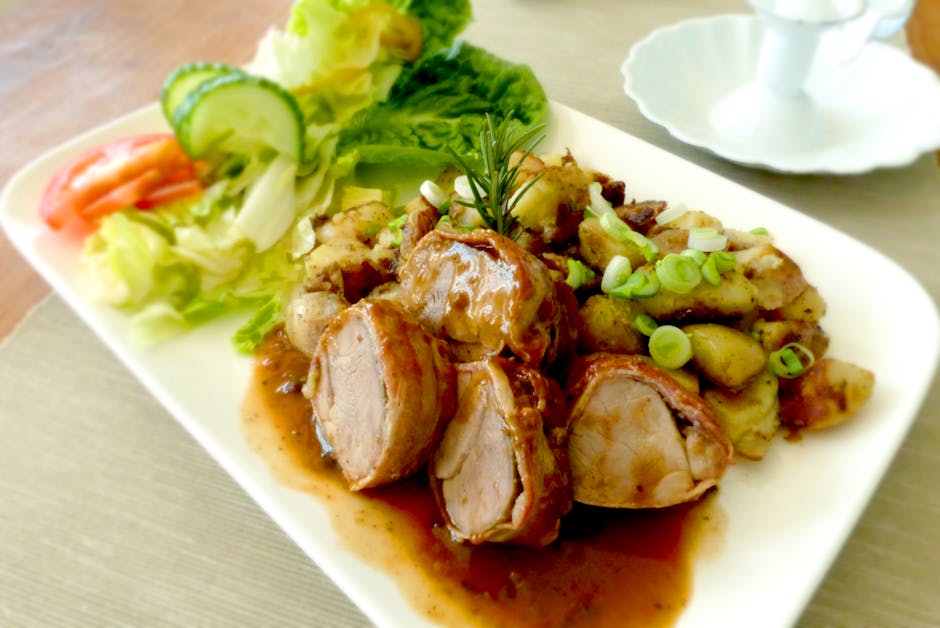
Maple Garlic Marinated Pork Tenderloin: A Savory and Sweet Culinary Masterpiece
The allure of maple garlic marinated pork tenderloin lies in its harmonious balance of sweet, savory, and aromatic notes. This dish is more than just a meal; it’s an accessible gateway to gourmet flavors, achievable even for novice home cooks. Pork tenderloin, a lean and tender cut, readily absorbs marinades, making it the ideal canvas for this flavor profile. The maple syrup, with its inherent sweetness and subtle caramel undertones, acts as a natural tenderizer and imparts a beautiful glaze during cooking. Complementing this sweetness are the pungent, earthy notes of garlic, which provide depth and complexity. The interplay between these core ingredients, often enhanced by subtle additions like soy sauce for umami, Dijon mustard for a tangy bite, and herbs for freshness, creates a truly memorable culinary experience. This article will delve deep into the science and art of creating the perfect maple garlic marinated pork tenderloin, covering ingredient selection, marinade preparation, optimal cooking techniques for various methods, and essential tips for achieving restaurant-quality results. Understanding the nuances of each step ensures that every execution of this recipe yields a succulent, flavorful, and visually appealing dish, making it a go-to for weeknight dinners and special occasions alike.
Understanding the Core Ingredients: Pork Tenderloin and the Maple-Garlic Foundation
The success of maple garlic marinated pork tenderloin begins with the quality of its primary components. Pork tenderloin, also known as pork fillet, is prized for its leanness and tenderness. It’s a long, cylindrical muscle that runs along the spine of the pig. When selecting pork tenderloin, look for a cut that is firm to the touch, has a pinkish-red hue, and a minimal amount of visible fat. Typically, a pork tenderloin weighs between one and two pounds. It’s crucial to trim any excess silver skin – a tough, iridescent membrane that can remain on the tenderloin – as it will not break down during cooking and can make the meat chewy. A sharp knife is essential for this meticulous process.
The maple-garlic flavor profile is built upon two fundamental ingredients: maple syrup and garlic. For maple syrup, the grade significantly impacts flavor. While all grades offer sweetness, darker grades (Grade B or Dark Robust, formerly Grade C) possess a richer, more robust maple flavor that stands up better to the other marinade components and contributes a deeper caramelization when cooked. Pure maple syrup is non-negotiable; imitation syrups lack the complexity and are often high in artificial sweeteners and corn syrup, which can alter the texture and flavor of the final dish.
Garlic, the other cornerstone, should be fresh and fragrant. While pre-minced garlic from a jar can be a convenience, its flavor is often diminished and can sometimes have a slightly metallic or bitter edge. Fresh garlic cloves, finely minced or pressed, offer a vibrant, pungent aroma that infuses the marinade most effectively. The quantity of garlic can be adjusted to personal preference, but a general guideline of 3-6 cloves per tenderloin provides a noticeable but not overpowering garlic presence.
Crafting the Perfect Marinade: Balancing Sweetness, Savory Notes, and Acidity
A well-constructed marinade for pork tenderloin serves multiple purposes: tenderizing the meat, infusing it with flavor, and contributing to browning and glaze formation during cooking. The maple garlic marinade is a testament to this principle, achieving its delightful balance through a careful combination of ingredients. The base sweetness comes from the maple syrup. To counter the inherent sweetness and add depth, savory elements are introduced. Soy sauce, a readily available pantry staple, provides essential umami, a deeply satisfying savory taste. It also contributes saltiness, which is crucial for enhancing the overall flavor of the pork. For those mindful of sodium intake, low-sodium soy sauce is a suitable alternative, though it may require a slight adjustment in other salt-containing ingredients if used.
Acidity is a vital component of any effective marinade, as it helps to break down the connective tissues in the meat, thus tenderizing it. In this maple garlic marinade, Dijon mustard often plays a dual role. Its inherent acidity, derived from vinegar, contributes to tenderization, while its distinct tangy and slightly spicy flavor profile adds another layer of complexity that beautifully complements the maple and garlic. White wine vinegar or apple cider vinegar can also be used to provide acidity, often in conjunction with Dijon mustard, further enhancing the marinade’s complexity.
The inclusion of aromatics beyond garlic is also highly recommended. Freshly ground black pepper is essential for providing a subtle warmth and counterpoint to the sweetness. Other common additions include onion powder for a mellow onion essence, or a pinch of red pepper flakes for a touch of heat that can be very appealing. Fresh herbs, such as rosemary or thyme, can be finely chopped and added to the marinade, their aromatic oils infusing the pork with herbaceous notes. The marination time is also critical. For pork tenderloin, due to its tenderness, marination of 30 minutes to 4 hours is generally sufficient. Over-marinating, especially with acidic ingredients, can lead to a mushy texture. Overnight marination is generally not recommended for pork tenderloin.
Optimal Cooking Methods for Maple Garlic Marinated Pork Tenderloin
The versatility of maple garlic marinated pork tenderloin extends to its cooking methods. Each technique offers unique advantages in achieving a perfectly cooked and flavorful result.
1. Pan-Searing and Oven-Finishing: This is arguably the most popular and accessible method for achieving a beautiful sear and a perfectly cooked interior.
- Process: Begin by preheating your oven to 400°F (200°C). Pat the marinated pork tenderloin dry with paper towels; this is crucial for achieving a good sear. Heat a cast-iron skillet or oven-safe pan over medium-high heat. Add a tablespoon or two of high-smoke-point oil, such as canola or grapeseed oil. Once the oil is shimmering, carefully place the pork tenderloin in the hot pan. Sear for 2-3 minutes per side, until a deep golden-brown crust forms. Transfer the skillet to the preheated oven.
- Cooking Time: Continue cooking in the oven for approximately 10-20 minutes, or until an instant-read thermometer inserted into the thickest part of the tenderloin registers an internal temperature of 145°F (63°C) for medium-rare, or slightly higher for a more well-done finish, keeping in mind carryover cooking.
- Benefits: This method provides superior caramelization and a flavorful crust, while the oven ensures even cooking throughout the tenderloin.
2. Roasting: A straightforward method that allows for hands-off cooking and excellent results, especially for larger quantities.
- Process: Preheat your oven to 400°F (200°C). Place the marinated pork tenderloin on a baking sheet lined with parchment paper or foil, or in a roasting pan. You can optionally add some aromatics like garlic cloves or sprigs of rosemary to the pan.
- Cooking Time: Roast for approximately 20-25 minutes, or until an internal temperature of 145°F (63°C) is reached.
- Benefits: Simple, minimal cleanup, and allows for cooking multiple tenderloins simultaneously.
3. Grilling: Imparts a smoky flavor and excellent char marks, perfect for warmer weather.
- Process: Preheat your grill to medium-high heat. Clean and oil the grill grates to prevent sticking. Place the marinated pork tenderloin directly on the hot grill.
- Cooking Time: Grill for approximately 6-8 minutes per side, turning occasionally, until the internal temperature reaches 145°F (63°C). For thicker tenderloins, you may need to move them to a cooler part of the grill to finish cooking without burning the exterior.
- Benefits: Adds a desirable smoky flavor and appealing char. Requires careful monitoring to prevent overcooking.
4. Slow Cooker (Crock-Pot): Ideal for a hands-off approach and exceptionally tender results.
- Process: Place the marinated pork tenderloin in your slow cooker. You can add any remaining marinade to the slow cooker. Cover and cook.
- Cooking Time: Cook on low for 3-4 hours or on high for 1.5-2.5 hours, or until tender and easily shreddable. While this method yields incredibly tender pork, it won’t develop the same seared crust as other methods unless you finish it under the broiler or with a quick pan-sear after cooking.
- Benefits: Extremely convenient and produces very moist, tender pork.
5. Sous Vide: For unparalleled precision and consistency.
- Process: Seal the marinated pork tenderloin in a vacuum-seal bag. Cook in a water bath at 140-145°F (60-63°C) for 1-4 hours. After the sous vide bath, sear the tenderloin in a hot skillet or on a grill for a few minutes per side to develop a crust.
- Benefits: Guarantees perfect doneness throughout the tenderloin, eliminating the risk of overcooking. Requires specialized equipment.
Essential Techniques for Flavor Infusion and Juiciness
Beyond selecting the right ingredients and cooking method, several techniques elevate the maple garlic marinated pork tenderloin from good to exceptional.
Marinating Time: As previously mentioned, pork tenderloin does not require lengthy marination. Aim for a minimum of 30 minutes to allow the flavors to penetrate. For a more pronounced flavor, up to 4 hours is ideal. Avoid marinating for more than 8 hours, especially with acidic components, as this can degrade the meat’s texture.
Patting Dry: Before searing or cooking, thoroughly pat the marinated pork tenderloin dry with paper towels. Moisture on the surface will steam the meat rather than sear it, preventing the formation of a beautiful, flavorful crust. This step is critical for pan-searing and grilling.
Resting the Meat: This is a non-negotiable step for any cooked meat, especially tender cuts like pork tenderloin. After cooking, allow the tenderloin to rest for at least 5-10 minutes before slicing. This allows the muscle fibers to relax and reabsorb the juices, resulting in a moister and more flavorful final product. Tent loosely with foil to keep it warm during resting.
Internal Temperature: Utilizing an instant-read thermometer is the most reliable way to ensure your pork tenderloin is cooked to perfection. The USDA recommends a minimum internal temperature of 145°F (63°C) for pork, followed by a 3-minute rest, which will result in a slightly pink and very juicy interior. Cooking beyond this temperature will lead to dry, overcooked pork.
Glaze Development: The maple syrup in the marinade will caramelize beautifully during cooking. Basting the pork with pan juices or reserved marinade (if it hasn’t touched raw meat and is boiled to kill any bacteria) during the final stages of cooking can further enhance this glaze. Be mindful not to over-caramelize, as maple syrup can burn quickly.
Slicing: For the most appealing presentation and texture, slice the rested pork tenderloin against the grain. This shortens the muscle fibers, making each bite more tender. A sharp knife is essential for clean, even slices.
Flavor Variations and Pairings
While the classic maple garlic combination is highly satisfying, this recipe is a fantastic foundation for creative flavor variations. Consider incorporating:
- Herbal Notes: Fresh rosemary, thyme, or sage can be finely chopped and added to the marinade for an earthy, aromatic dimension.
- Spicy Kick: A pinch of cayenne pepper, smoked paprika, or a dash of your favorite hot sauce can introduce a pleasant heat.
- Citrus Zest: Lemon or orange zest adds brightness and cuts through the richness of the pork.
- Umami Boosters: A teaspoon of Worcestershire sauce or a finely minced shallot can add further depth.
Maple garlic marinated pork tenderloin pairs exceptionally well with a variety of side dishes that complement its sweet and savory profile.
- Starchy Sides: Roasted root vegetables (carrots, parsnips, sweet potatoes), mashed potatoes, creamy polenta, or a wild rice pilaf are excellent choices.
- Green Vegetables: Asparagus, green beans, broccoli, or a simple arugula salad with a light vinaigrette provide a fresh counterpoint.
- Fruity Accompaniments: A baked apple or a cranberry relish can echo the sweetness and add a tart contrast.
Troubleshooting Common Issues
- Dry Pork: The most common issue. This is usually a result of overcooking or insufficient resting. Always use a thermometer and rest the meat.
- Tough Pork: Can be due to over-marinating, not trimming silver skin, or slicing with the grain. Ensure these steps are addressed.
- Lack of Flavor: Insufficient marinating time or a weak marinade can lead to bland pork. Ensure adequate marinating and a well-balanced marinade.
- Burning: High heat and excessive sugar content in the marinade can lead to burning. Monitor cooking closely, especially during searing and grilling. Adjust heat as needed.
By understanding the fundamental principles of ingredient selection, marinade composition, and cooking techniques, you can confidently create a stunning and delicious maple garlic marinated pork tenderloin that will impress any palate. This dish is a testament to the power of simple, high-quality ingredients combined with thoughtful preparation, proving that gourmet dining can be an accessible and rewarding endeavor for any home cook.


