Beli Jadi Takut Nggak Murni? Begini Cara Mengolah Daun Stevia Segar Jadi Pemanis

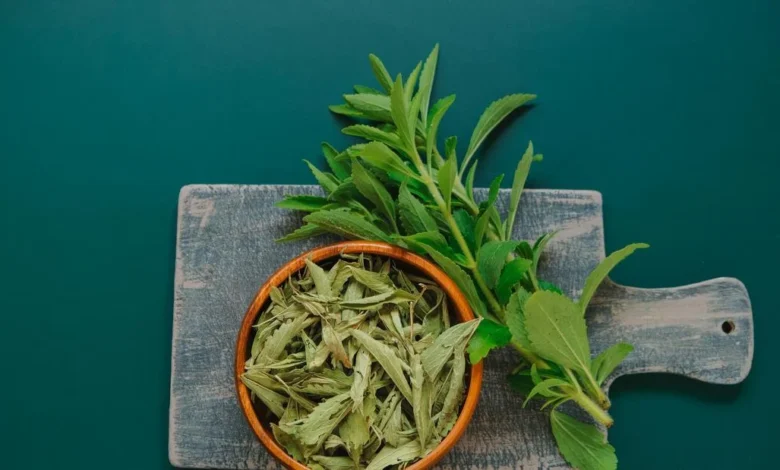
The rising concerns regarding the purity of commercial sweeteners have triggered a growing trend toward self-sufficiency in the kitchen, particularly among health-conscious consumers. Stevia rebaudiana, a plant native to South America, has emerged as the frontrunner for those seeking a natural alternative to refined sugars. However, as skepticism grows over additives and processing methods in store-bought liquid or powdered stevia, many are turning to the raw plant itself. Experts suggest that with proper handling, raw stevia leaves can serve as a viable, natural sweetener, provided one understands the nuances of extraction and personal dosage.
The Growing Skepticism Toward Commercial Sweeteners
In recent months, public discourse surrounding food safety and the integrity of artificial and even "natural" sweeteners has intensified. Viral reports questioning the chemical composition of mass-produced stevia extracts—which often include bulking agents like erythritol or dextrose—have prompted a shift in consumer behavior. For individuals managing metabolic conditions such as diabetes or those simply adhering to a "clean label" diet, the ambiguity of processing labels has become a significant deterrent.
Daniel Damaz, a practitioner of medicinal plants and founder of the House of Herbs, suggests that the skepticism is not entirely unfounded. While commercial stevia is designed for consistency and ease of use, the industrial extraction process often strips away the plant’s complexity, leaving only the concentrated steviol glycosides. By contrast, using the leaf in its entirety offers a more holistic, albeit more "earthy," experience.
Understanding the Properties of Stevia Rebaudiana
Stevia rebaudiana belongs to the Asteraceae family and contains steviol glycosides, which are responsible for its intense sweetness—estimated to be 200 to 300 times sweeter than sucrose. Unlike sugar, stevia has a negligible impact on blood glucose levels, making it a critical tool in modern dietary management for glycemic control.
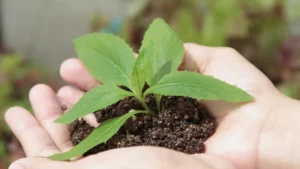
The cultivation of stevia has moved from its native Paraguayan and Brazilian habitats to various tropical and subtropical regions globally. In Indonesia, the climate is particularly conducive to growing this plant in home gardens or small-scale farms. However, the transition from harvesting a leaf to utilizing it as a sugar substitute requires a basic understanding of botanical chemistry.
Practical Methods for Home Processing
For those interested in processing their own stevia, Damaz outlines two primary methods: direct use and the infusion method. The direct method involves using fresh leaves, while the infusion method relies on drying the leaves to create a shelf-stable sweetener.
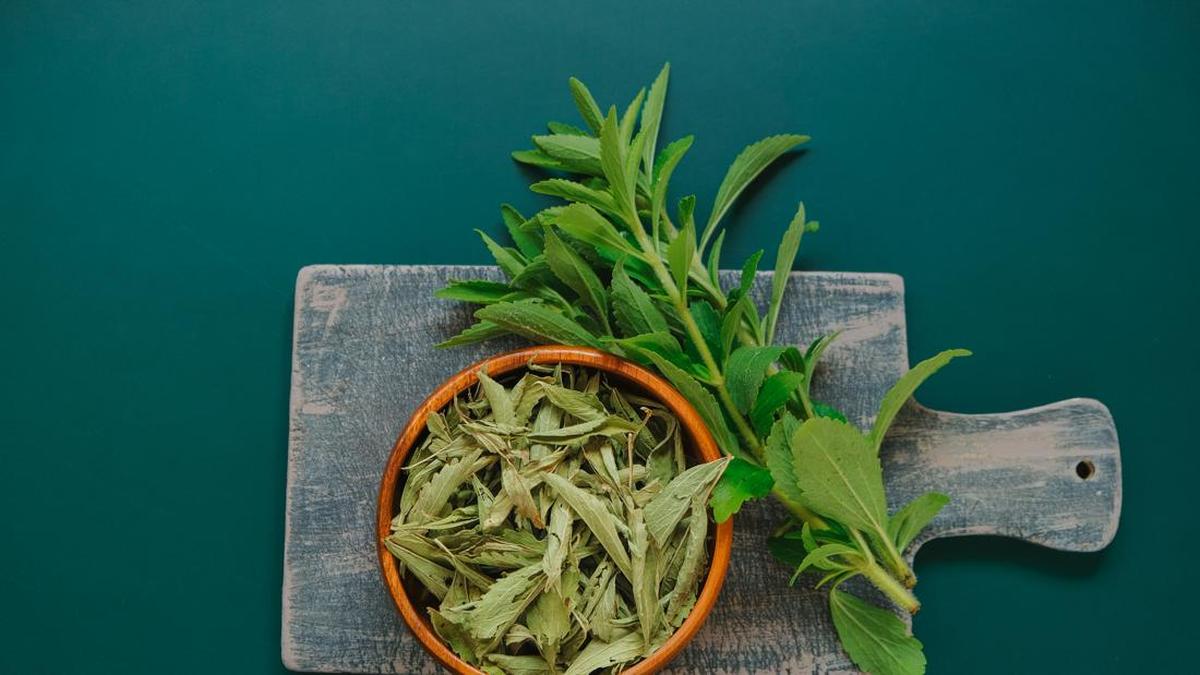
- Direct Utilization: Fresh leaves can be added directly to beverages like tea or coffee. The heat from the liquid helps extract the glycosides. Users should note, however, that fresh leaves impart a distinct herbal aroma and a slight chlorophyll-heavy profile that is absent in refined white powder.
- The Drying Process: To create a more versatile sweetener, leaves can be air-dried or dehydrated. Once brittle, they can be ground into a fine green powder. This powder can be measured and stored in airtight containers, protected from moisture and direct sunlight to preserve the potency of the sweet compounds.
Determining the Optimal Dosage
One of the most frequently asked questions regarding raw stevia is the determination of an appropriate serving size. Because the concentration of steviol glycosides can vary depending on the plant’s age, soil quality, and sunlight exposure, there is no "one-size-fits-all" measurement.
Damaz emphasizes that palate sensitivity is highly subjective. "Each human body, and each individual’s preference, dictates the necessary dosage," he notes. As a baseline for those transitioning from conventional sweeteners, Damaz suggests using 2 grams of dried stevia leaf—roughly the weight of a standard commercial tea bag—as a starting point for a single cup of liquid. If the resulting sweetness is too intense or, conversely, insufficient, the user should adjust the quantity in subsequent batches.
This trial-and-error approach is a departure from the precision of commercial packets, but it allows for a more personalized culinary experience. It is a process of learning the "threshold of sweetness" for one’s own taste buds.
Sensory Differences: Raw Leaf vs. Commercial Extract
A common point of friction for newcomers to raw stevia is the flavor profile. Commercial stevia products undergo extensive refining, which includes the removal of plant pigments, tannins, and other organic compounds that contribute to bitter or "grassy" notes.
Raw stevia, when used at home, retains these secondary compounds. Consumers often report an "aftertaste" that is slightly bitter or reminiscent of raw greens. While the sweetness is dominant, it is not as "clean" as the refined version found on supermarket shelves. This sensory nuance is the primary trade-off for the purity of the product. Damaz clarifies that while the bitterness exists, it is rarely overwhelming if the leaves are harvested and used correctly, as the intense sweetness of the glycosides remains the defining characteristic of the plant.
The Broader Implications of Botanical Self-Sufficiency
The movement toward home-grown sweeteners reflects a broader shift in food sovereignty. By taking control of the supply chain—from seed to cup—consumers eliminate the risk of adulteration or the inclusion of undisclosed chemical additives.
From an economic perspective, this shift also represents a modest move toward reducing reliance on processed global commodities. As urban farming gains traction, the ability to cultivate high-value medicinal and culinary plants in limited spaces provides a sustainable solution for those concerned about food transparency.
However, health experts caution that while stevia is generally recognized as safe (GRAS), it should still be consumed in moderation. The transition to natural sweeteners is often paired with an overall reduction in total sugar intake, which is the ultimate goal for improving metabolic health.
Regulatory and Scientific Context
While the DIY approach is growing in popularity, it is worth noting that international food safety agencies, including the FDA and the European Food Safety Authority (EFSA), establish strict guidelines for the commercial sale of stevia. These guidelines ensure that products meet specific purity standards. When individuals produce their own sweeteners, they essentially assume the role of the processor. Consequently, practitioners like Damaz emphasize the importance of hygiene—ensuring leaves are thoroughly washed, dried in a clean environment, and free from pests or chemical fertilizers—to ensure the final product is safe for consumption.
A Path Forward for Consumers
For those wary of the "hidden ingredients" in store-bought packets, the path of the home gardener is increasingly attractive. It requires patience and a willingness to accept a slightly different flavor profile, but it offers unparalleled peace of mind.
The process is not merely about finding a substitute for sugar; it is about reclaiming the connection between the plant and the plate. As more people share their experiences in cultivating and processing stevia, a community-based knowledge pool is forming, helping to standardize best practices for home extraction.
Whether one is motivated by cost, health, or the desire for transparency, the ability to turn a simple leaf into a sweetener is a practical skill that underscores the potential of home-grown solutions in an era of complex food systems. As the trend continues to grow, it is likely that more resources, community workshops, and refined home-processing techniques will emerge, further democratizing the access to natural, unadulterated sweeteners.
Ultimately, the choice to use raw stevia is a personal commitment to a more informed way of eating. By moving away from the "black box" of industrial food processing and toward the transparent, albeit complex, nature of the garden, consumers are taking a significant step toward healthier, more intentional living.