Beyond the Bird: 30 Seafood Starters Redefining the Modern Thanksgiving Table

While the roasted turkey has historically anchored the American Thanksgiving table, contemporary holiday hosting is increasingly defined by culinary flexibility and global flavor profiles. Culinary trends heading into the late-autumn holiday season indicate a significant departure from heavy, traditional heavy-cream casseroles and predictable meat-centric starters. Instead, professional kitchens and home cooks alike are incorporating diverse seafood appetizers—ranging from delicate Japanese-inspired kimbap to rustic Spanish croquetas—to elevate the beginning of the holiday meal.

This evolution in holiday menu planning reflects broader shifts in American food culture. Consumers are seeking lighter, more complex flavor combinations to balance the richness of traditional main courses, creating a demand for appetizers that offer acidity, umami, and fresh textural contrasts.

Shifting Holiday Menus: The Rise of Seafood Starters
The traditional Thanksgiving starter lineup has long been dominated by heavy cheeses, charcuterie boards, and standard shrimp cocktails. However, culinary market analysts note a growing consumer preference for dynamic, globally inspired starters that serve as a sophisticated prelude to the main feast.
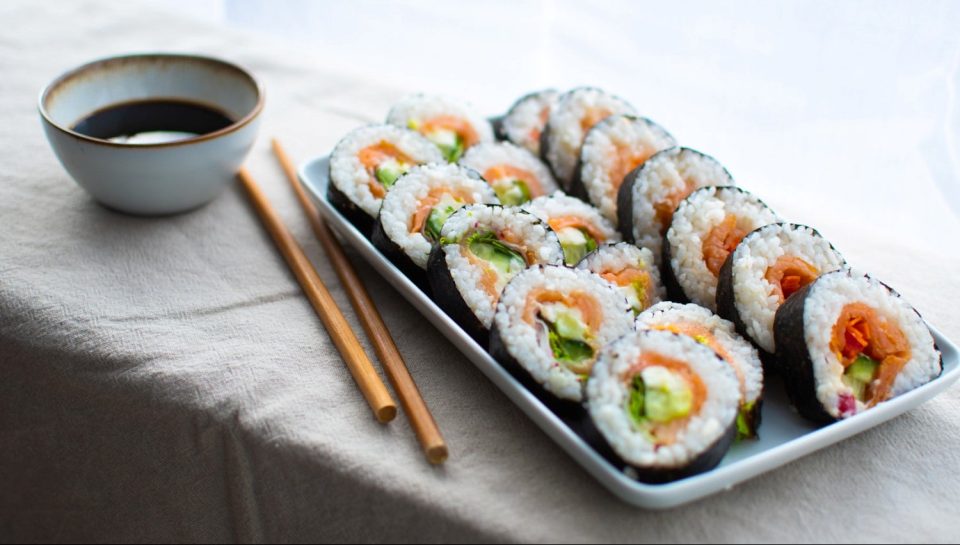
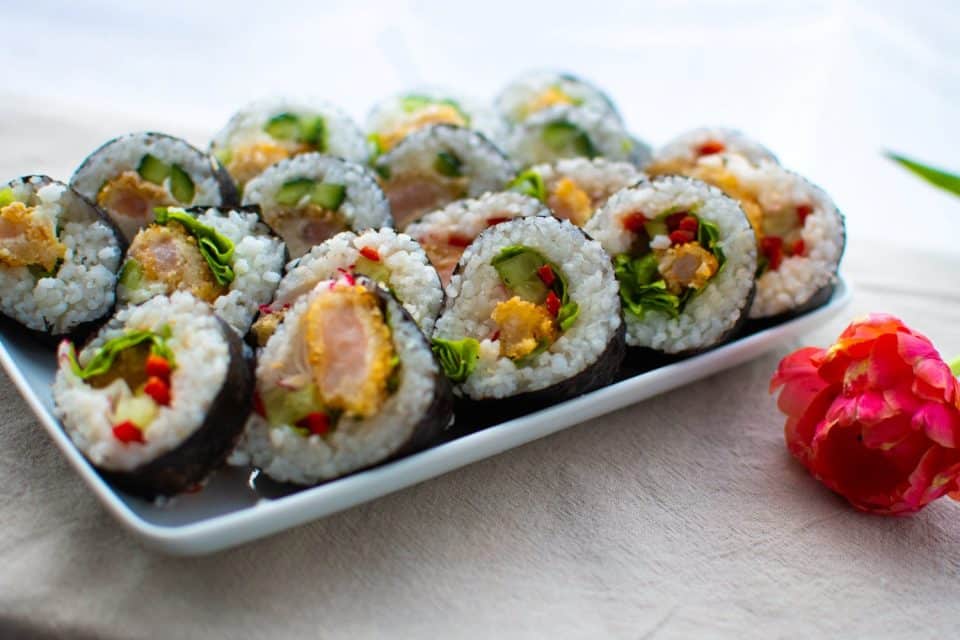
According to culinary historians, the integration of seafood into autumnal American holidays is not entirely unprecedented; coastal regions have historically incorporated local fish and shellfish into holiday meals. What marks the current trend is the globalization of these ingredients. Dishes such as Spanish Galician octopus (pulpo a la gallega), Ecuadorian shrimp ceviche, and Korean smoked salmon kimbap are finding their way onto suburban holiday tables, driven by increased accessibility to international ingredients and a broader appetite for fusion cuisine.
Chefs and culinary educators emphasize that starting a heavy holiday meal with lighter, acid-forward proteins—such as citrus-marinated fish or delicate tartares—prepares the palate for the richer dishes to follow, including roasted turkey, buttered mashed potatoes, and sausage-infused stuffings.

Categorized Culinary Selections: From Bite-Sized to Plated Elegance
To accommodate varying hosting styles, contemporary Thanksgiving menus are categorized into distinct service formats: bite-sized finger foods, warming soups and chowders, plated fresh salads, and shareable spreads.

Bite-Sized and Finger-Food Innovations
For hosts managing large gatherings where mingling precedes the sit-down dinner, bite-sized appetizers offer both convenience and presentation appeal. High-impact options gaining traction include:

- Crispy Rice with Creamy Salmon Tartare: Combining golden, pan-fried rice cakes with cool salmon tartare and a touch of sriracha, this dish provides an essential textural contrast of crunch and creaminess.
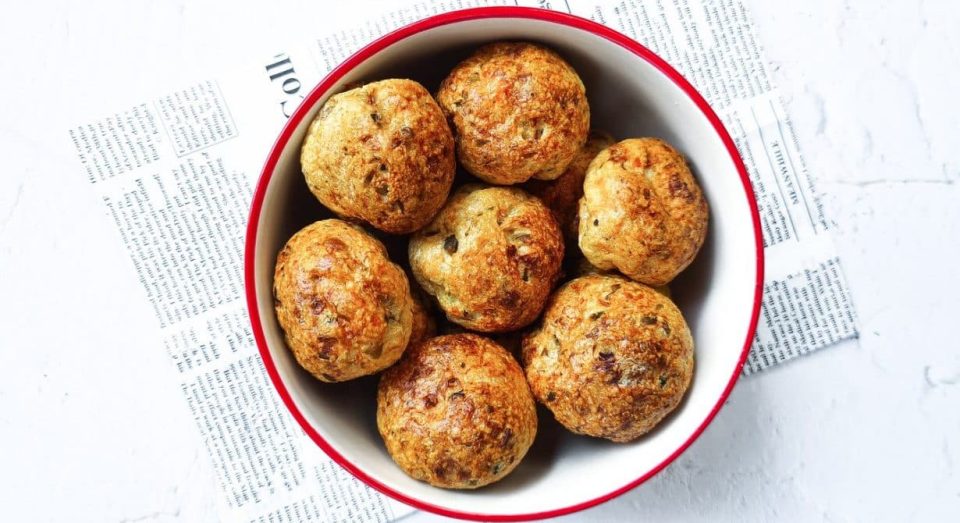
- Spanish Crab and Prawn Croquetas: A labor-intensive yet rewarding tapas classic featuring a crisp exterior shell enclosing a rich, béchamel-based seafood filling.
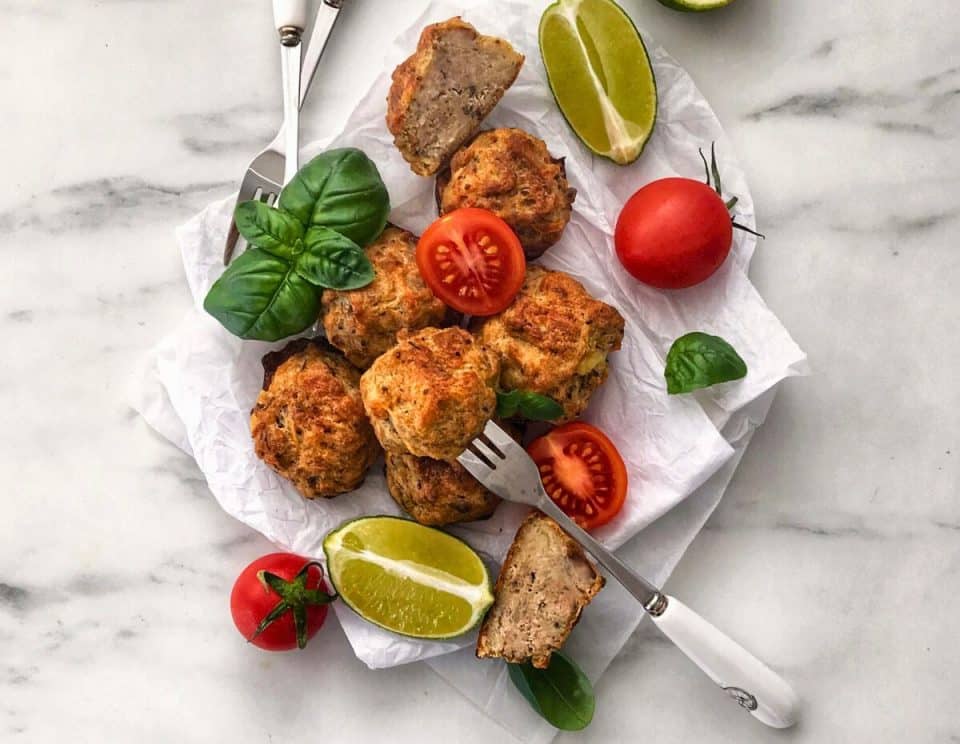
- Baked Salmon and Tuna Meatballs: Offering a lighter alternative to traditional beef or pork meatballs, these oven-baked options reduce active stove time for the host while delivering robust umami flavors via capers and fresh herbs.
Warming Soups, Chowders, and Broths
For formal seated dinners, soup courses provide a measured, elegant transition into the holiday meal.
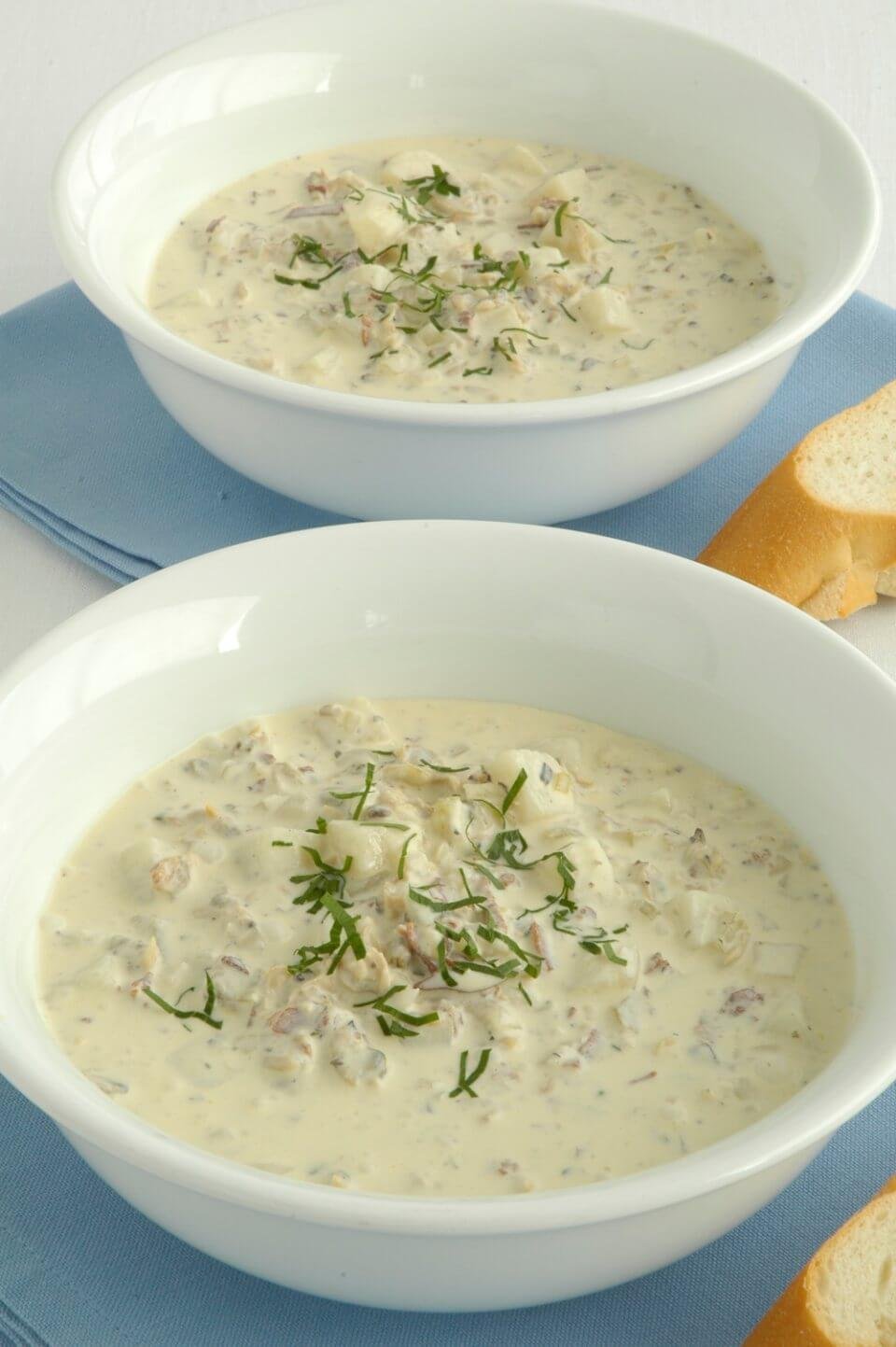
- Seafood and Fennel Chowder: Infused with smoky bacon and the subtle anise notes of fennel, this rich chowder bridges traditional comfort food with coastal ingredients.
- Mediterranean Fish Soup: Built upon a scratch-made fish stock and loaded with mussels, shrimp, and white fish chunks, this dish highlights the aromatic profiles of garlic, tomatoes, and olive oil.
- Ecuadorian Shrimp Ceviche: Unlike citrus-cured raw preparations, the traditional Ecuadorian method utilizes pre-cooked shrimp soaked in a vibrant tomato-citrus broth, classically served with unconventional accompaniments such as crispy plantain chips or popcorn.
Plated Starters, Crudo, and Salads
Raw and cured seafood preparations offer an upscale dining experience that requires minimal active cooking time on Thanksgiving Day, allowing hosts to prep components in advance.

- Tuna Carpaccio and Sashimi: Sliced paper-thin and paired with yuzu dressing, basil oil, or caper berries, these dishes rely on the absolute freshness of the fish to deliver clean, sophisticated flavors.
- Potato Rösti with Smoked Salmon: A northern European-inspired dish pairing crispy grated potato galettes with smoked salmon, dill crème fraîche, and peppery watercress.
Spreads, Dips, and Pâtés
Self-serve spreads remain a Thanksgiving staple due to their make-ahead convenience. Pantry staples such as canned tuna, sardines, and fish roe are being elevated through artisanal preparations.
- Taramosalata and Salată de Icre: Traditional Mediterranean fish roe dips whipped with olive oil, lemon juice, and bread or semolina to create a rich, aerated spread suitable for warm artisanal breads and crackers.
- Salmon Rillettes: A French preservation technique combining poached and smoked salmon with herbs and butter, designed for slow, casual nibbling prior to the main meal.
Economic and Logistical Implications for Holiday Hosts
While incorporating seafood into a Thanksgiving menu introduces culinary excitement, it also presents distinct logistical challenges for home cooks. Sourcing high-quality, fresh seafood during a holiday week requires advance planning, as local fishmongers often face supply chain constraints and closures around Thanksgiving Day.

Food safety is another critical consideration. Raw preparations—such as tuna carpaccio or salmon tartare—demand strict temperature control, requiring hosts to keep ingredients properly chilled until the moment of service. Conversely, baked or fried items like seafood croquetas and meatballs necessitate strategic oven management on a day when oven space is already at a premium due to the roasting turkey and side dishes.
To mitigate these pressures, culinary experts recommend a hybrid preparation strategy: utilizing high-quality canned seafood (such as high-grade Spanish tinned fish) for effortless spreads and dips, while reserving complex, made-from-scratch items for components that can be fully prepared 24 to 48 hours in advance.
Broader Impact on Holiday Food Culture
The growing popularity of seafood-forward Thanksgiving starters illustrates a broader democratization of gourmet cooking. Access to global recipes, specialized cooking fats, and international seasonings has empowered home cooks to experiment beyond regional American comfort food.

Ultimately, the integration of diverse seafood starters does not diminish the traditional significance of the Thanksgiving holiday; rather, it modernizes the ritual of gathering. By expanding the flavor horizons of the meal from the very first course, hosts are transforming Thanksgiving into an inclusive culinary celebration that bridges heritage traditions with contemporary global tastes.