The Culinary Science of Cocoa Intensity
At the core of these cupcakes is the deliberate use of cocoa powder and hot coffee, a technique widely recognized by professional pastry chefs to enhance chocolate flavor. Cocoa powder contains acidic components that, when bloomed in hot liquid, release deeper aromatic compounds. The addition of hot brewed coffee acts as a flavor catalyst; the bitterness of the coffee masks the potential flatness of cocoa powder while simultaneously increasing the perception of richness in the final product.

From a biochemical perspective, the interaction between the acidity of the cocoa and the alkaline nature of baking soda provides the lift necessary for a tender, light crumb. The inclusion of oil rather than butter in the batter ensures that the cupcakes remain moist for longer periods, as oil remains liquid at lower temperatures, preventing the "staling" effect common in butter-based cakes.
Chronology of the Modern "Overload" Dessert Trend
The rise of the "Chocolate Overload" cupcake can be traced back to the early 2010s, a period marked by the proliferation of specialized dessert boutiques and the rise of visual-first social media platforms. Initially, the trend focused on structural complexity—stacked cookies, oversized frosting swirls, and elaborate fondant work.

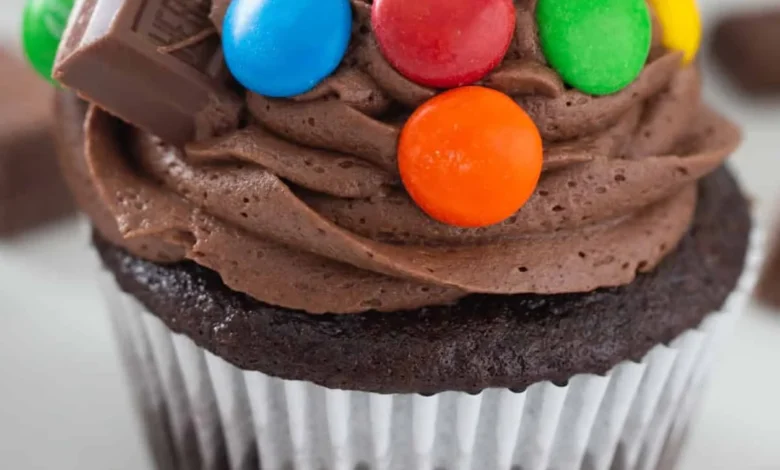
By the mid-2020s, the trend shifted toward "candy integration." This evolution moved away from professional-grade sugar craft toward a more accessible, "fun" style of baking. The use of recognizable commercial candy bars—such as Kit Kats, Hershey’s, and M&M’s—as integral toppings represents a democratization of pastry arts. It allows home bakers to achieve a professional, high-volume aesthetic without the need for specialized culinary training or expensive equipment. This shift has been mirrored in the retail sector, where major confectionery brands have increasingly marketed their products specifically for inclusion in baking recipes.
Nutritional Profile and Consumer Considerations
The indulgence associated with these cupcakes is supported by standard nutritional metrics. A single serving, typically defined as one cupcake, contains approximately 464 kilocalories. The carbohydrate content, measuring roughly 64 grams, is largely attributed to the combination of refined sugars in the frosting and the high-fructose corn syrup or sucrose found in the integrated candy toppings.

For the modern consumer, the "per-serving" calculation is an essential tool for portion control. Because this specific recipe is scaled for a yield of 12 units, it aligns with current trends favoring smaller batch baking. This approach minimizes food waste and allows for higher-quality ingredient selection, as home bakers are more likely to invest in premium cocoa or high-fat-content butter when producing a smaller volume of product.
Structural Integrity and Preparation Methodology
Achieving the correct texture requires strict adherence to preparation protocols. The batter, which is noted for its unusually thin consistency due to the hot liquid, relies on the rapid reaction of leavening agents within the oven. If the batter is over-mixed, the gluten network in the flour may toughen, resulting in a dense, bread-like texture rather than the desired moist crumb.

The frosting—a traditional American-style buttercream—requires a specific ratio of fat (butter) to sugar to ensure it can support the weight of the candy toppings. The inclusion of heavy whipping cream serves as a stabilizer, providing a silky mouthfeel while preventing the buttercream from becoming overly granular. Expert bakers recommend that once the assembly is complete, the cupcakes be stored in a climate-controlled environment. Because the candy toppings are sensitive to temperature and humidity, refrigeration is often required to prevent the structural collapse of the frosting, though the product must be tempered to room temperature before consumption to ensure the buttercream achieves its intended texture.
Broader Culinary and Economic Implications
The popularity of such recipes has had a measurable impact on the baking supply industry. Data from culinary market analysts indicate a sustained increase in the sales of bulk cocoa powder and premium baking extracts. Furthermore, the practice of utilizing "leftover" or secondary market candy as a decorative element has spurred a niche market for pre-chopped or miniature-sized confectionery items, which are now standard inventory in many grocery chains.

Beyond the home kitchen, this trend has influenced the catering and hospitality industries. Many event planners now offer "customizable dessert stations" where guests can select their own toppings, a direct application of the "overload" concept. This interactive element adds value to corporate events and private celebrations, shifting the focus of the dessert from a pre-plated item to an experience-based activity.
Expert Perspectives on Future Trends
Industry analysts and pastry consultants observe that the "more is more" philosophy of dessert design is showing no signs of decline, though the focus is beginning to shift toward sustainability. Future iterations of these recipes are expected to emphasize "cleaner" candy toppings—those without artificial colors or high-fructose corn syrup—while maintaining the same visual impact.

"The consumer of today demands a balance between nostalgia and high-quality ingredients," says a culinary consultant in the field of food product development. "People want the comfort of a Hershey’s bar, but they want it served on a foundation of high-quality, scratch-made chocolate cake. The success of these cupcakes lies in their ability to bridge that gap perfectly."
Strategic Preparation and Storage
To ensure the best outcome for the home baker, consistency in the temperature of ingredients is paramount. Room-temperature eggs and softened butter are non-negotiable for the emulsification process in both the cake batter and the frosting.

Regarding storage, the integration of varied textures—such as the crispness of a Kit Kat wafer versus the softness of the cake—creates a technical challenge. Wafer-based candies absorb moisture from the frosting over time. Consequently, the most professional presentation involves applying the decorative candy elements only minutes before the product is served. This preserves the structural integrity of the components and ensures that the consumer experiences the intended contrast in texture.
In summary, the Chocolate Chocolate Cupcake is more than a simple dessert; it is a synthesis of modern baking efficiency, consumer-driven aesthetic trends, and the timeless appeal of cocoa. As home baking continues to evolve, the ability to adapt professional techniques to accessible, high-reward recipes will remain a significant driver of culinary engagement for enthusiasts and families alike. The ease of production, combined with the versatility of the topping options, ensures that this specific category of "overload" desserts will remain a fixture of American culinary celebrations for years to come.