
The culinary traditions of the global holiday season are deeply intertwined with history, regional identity, and centuries-old symbolism. Among the most culturally resonant of these traditions is Christopsomo, a sacred and elaborately crafted loaf baked throughout Greece to celebrate the Nativity. Translating literally to "Christ’s bread," this centerpiece of the Greek Orthodox Christmas table is far more than a mere seasonal pastry; it is an intricate cultural artifact that brings together theology, agricultural heritage, and communal bonding. In recent years, contemporary culinary figures have sought to preserve this heritage while adapting it for modern kitchens. Notably, renowned Greek celebrity chef Giorgos Tsoulis has introduced a refined yet authentic recipe that bridges ancient customs with contemporary baking techniques, utilizing locally sourced Mediterranean ingredients such as Greek honey, extra virgin olive oil, fragrant anise seeds, and walnuts.
As holiday food tourism and an appreciation for authentic European culinary heritage continue to grow, understanding the cultural significance, chronological preparation, and broader socio-economic impact of dishes like Christopsomo provides valuable insight into how intangible cultural heritage is sustained in the modern era.
Historical Context and Cultural Symbolism of Christopsomo
The origins of Christopsomo are rooted in the agrarian traditions of rural Greece, where bread has historically served as the fundamental sustenance of life—often referred to simply as "the blessing." During the Christmas season, the preparation of bread takes on a deeply religious and ceremonial dimension. According to traditional folklore, the kneading and baking of Christopsomo are approached with reverence, often accompanied by prayers for the household’s prosperity, health, and protection in the coming year.
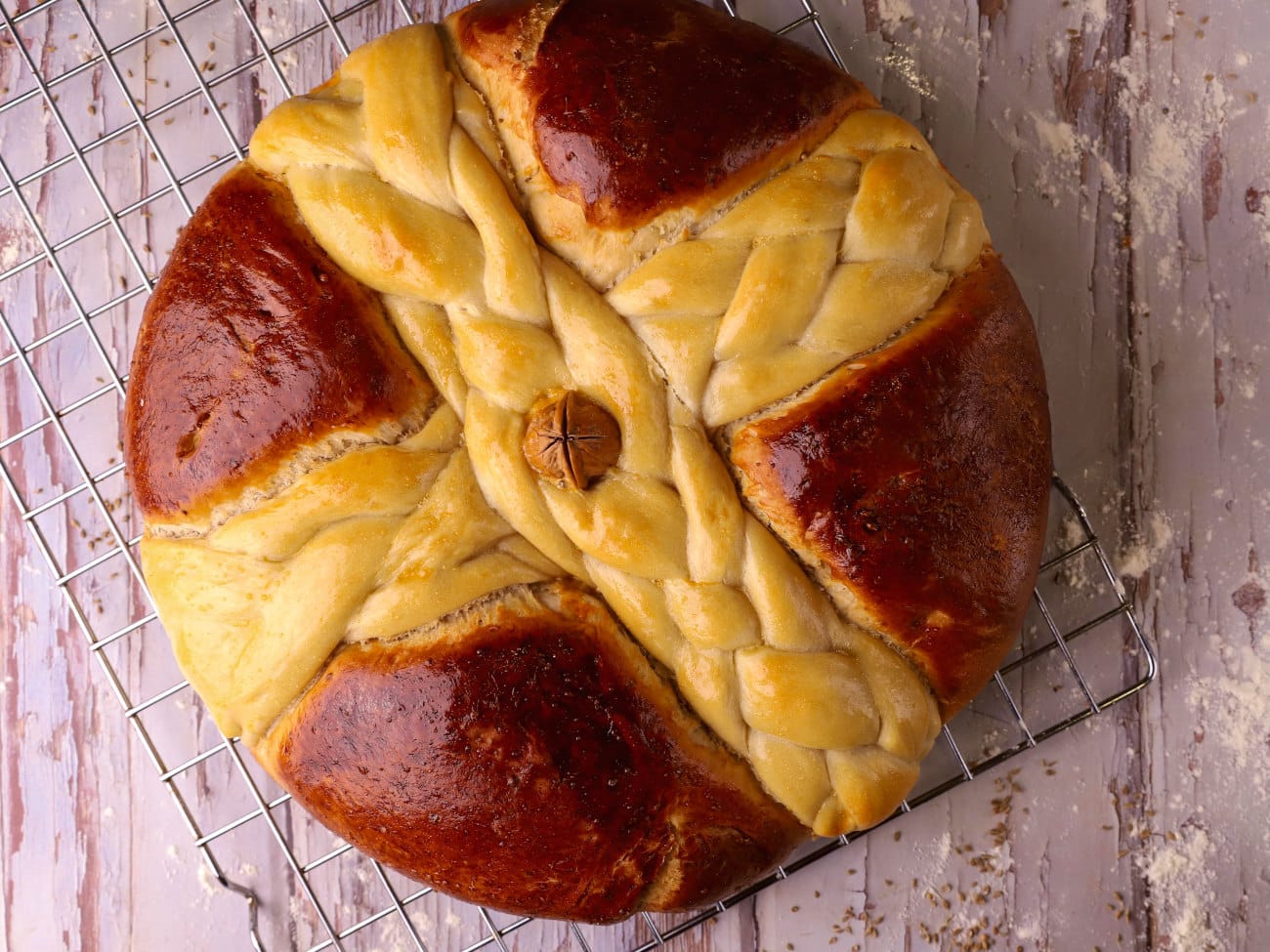
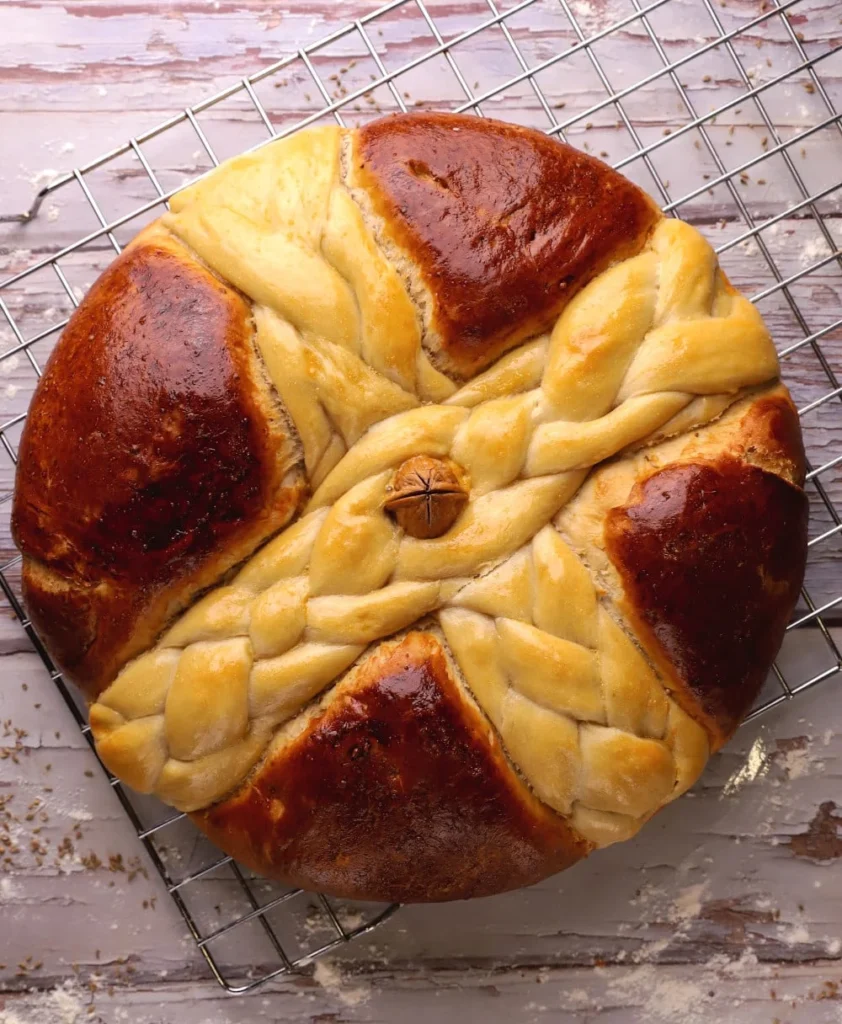
The symbolism of the loaf is explicitly visual. Central to every authentic Christopsomo is a prominent cross, typically formed from braided dough, which represents the Christian faith and the central event of the holiday. Surrounding the cross are various sculptural dough ornaments that reflect the specific livelihood, geography, or familial wishes of the household. In farming communities, these decorations might include depictions of wheat sheaves, ploughs, or livestock. In coastal villages, fishermen’s families might adorn the loaf with dough representations of fish, nets, or boats.
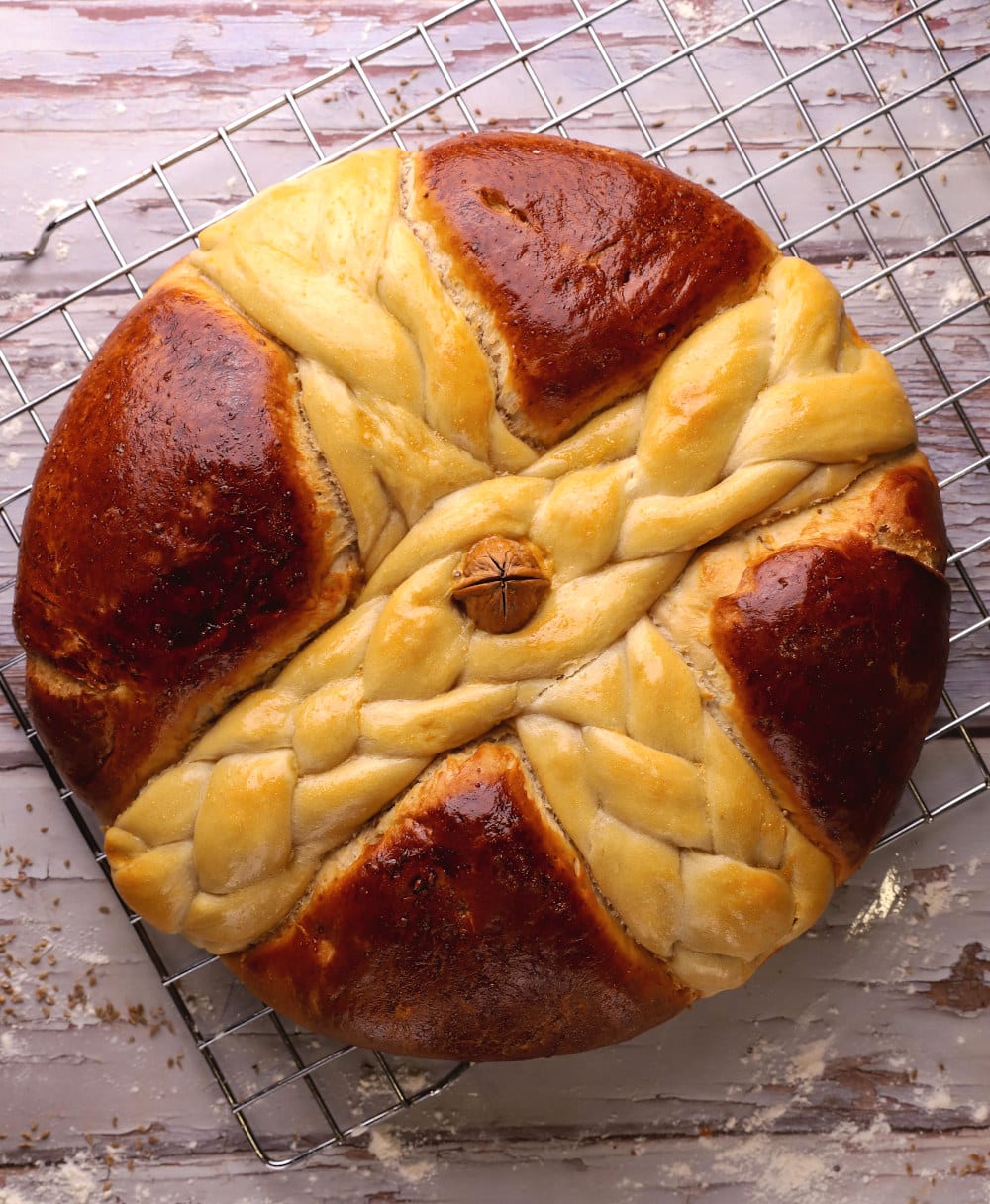
Another defining characteristic of the traditional loaf is the placement of an unpeeled, whole walnut embedded directly in the center, encircled by the dough cross. The walnut serves as a potent symbol of fertility, abundance, and the continuity of life, mirroring the natural harvest of the Greek countryside. While industrialization and urban migration have shifted holiday habits in major metropolitan centers like Athens and Thessaloniki, regional bakeries and domestic households continue to uphold these time-honored decorative arts, ensuring that the legacy of Christopsomo endures across generations.
The Culinary Vision of Chef Giorgos Tsoulis
Chef Giorgos Tsoulis, a prominent figure in modern Mediterranean cuisine and an influential media personality in Greece and Cyprus, has positioned himself as a champion of traditional Greek gastronomy. Tsoulis, who also serves as a sustainable cuisine ambassador for WWF Hellas and actively participates in the European Union’s #Eat4Change and #Farm2Fork initiatives, emphasizes the importance of utilizing seasonal, locally sourced, and sustainable ingredients.
In his widely shared recipe for Christopsomo, Tsoulis honors the historical integrity of the bread while optimizing it for home bakers. The flavor profile of his loaf relies on a delicate balance of aromatic elements. Unlike heavily spiced Northern European Christmas breads, Christopsomo derives its subtle, warming sweetness from Greek pine or flower honey and extra virgin olive oil—staples of the Mediterranean diet. The addition of crushed walnuts inside the crumb structure provides texture, while anise seeds impart a distinct, licorice-like fragrance that permeates the kitchen during the baking process.
The recipe yields an impressive golden-brown loaf designed to serve approximately eleven people, making it ideal for large family gatherings typical of the Greek holiday season. The total preparation and cooking timeline requires careful planning, reflecting the slow, deliberate nature of artisanal bread-making.
Chronology and Preparation Timeline
Preparing traditional Christopsomo is an exercise in patience, requiring a structured timeline to ensure proper fermentation, flavor development, and intricate decoration. A breakdown of the preparation stages highlights the dedication required to achieve the ideal loaf:
-
Preparation and Dough Activation (25 Minutes):
The process begins with the activation of the yeast in lukewarm water or milk, combined with a portion of flour and a touch of sweetness to jump-start fermentation. Once the sponge is active, the remaining ingredients—including high-gluten bread flour, extra virgin olive oil, honey, salt, crushed walnuts, and bruised or ground anise seeds—are incorporated. The dough is kneaded thoroughly until it becomes smooth, elastic, and capable of holding its structural integrity during the shaping phase. -
First Fermentation and Waiting Time (Approx. 2 Hours):
The dough is placed in an oiled bowl, covered, and left to rise in a warm, draft-free environment. This crucial resting period allows the yeast to metabolize the sugars, producing carbon dioxide that aerates the heavy dough, which contains fats from the olive oil and inclusions from the walnuts. The dough must double in volume, a process that typically takes around two hours depending on ambient room temperature.
-
Shaping, Braiding, and Decoration (Included in Total Workflow):
Once fermented, the dough is divided. The primary portion forms the base round loaf (the main body of the Christopsomo). A separate reserve of dough is set aside specifically for creating the elaborate decorative elements. The baker rolls and braids strands of dough to form the signature cross. Additional symbols reflecting personal or familial aspirations are sculpted and affixed to the surface. Finally, a whole, in-shell walnut is pressed firmly into the exact center of the braided cross. -
Secondary Proofing and Baking (1 Hour Cook Time):
After assembly, the decorated loaf undergoes a brief secondary proofing to relax the gluten before entering the oven. It is often brushed with an egg wash or a sugar-water glaze to achieve a glossy, deep golden-brown crust upon baking. The loaf is then baked at a moderate temperature for approximately one hour, allowing the interior to cook thoroughly without burning the delicate exterior braids. Total elapsed time from start to finish is roughly three hours and twenty-five minutes.
Nutritional and Economic Implications of Mediterranean Holiday Baking
From a broader nutritional and economic perspective, traditional baked goods like Christopsomo reflect the core tenets of the Mediterranean diet, which has been widely studied for its cardiovascular and longevity benefits. The incorporation of extra virgin olive oil provides monounsaturated fatty acids and powerful antioxidants, replacing saturated animal fats commonly found in commercial pastries. Furthermore, walnuts contribute significant levels of plant-based omega-3 fatty acids, dietary fiber, and essential minerals.
Economically, the surge in demand for high-quality domestic ingredients during the Christmas season provides a vital boost to local agricultural sectors. Producers of Greek honey, olive oil, and tree nuts experience heightened market activity, reinforcing the short supply chains championed by Farm-to-Fork sustainability models. Chef Tsoulis’s alignment with these programs underscores a growing awareness among culinary professionals that traditional holiday recipes can—and should—support ecological sustainability and local agrarian economies.
Broader Cultural Impact and Global Reception
While Christopsomo remains fundamentally rooted in Greek Orthodox homes and communities across Greece and the diaspora—including large Hellenic populations in the United States, Australia, and Germany—its visibility has expanded globally through digital media and culinary tourism. Food enthusiasts worldwide increasingly seek out authentic ethnic recipes that offer cultural storytelling alongside gustatory pleasure.
Culinary historians note that foods laden with symbolic value, such as Christopsomo, act as cultural touchstones for immigrant communities, preserving identity and transmitting heritage across geographic divides. When families gather around the table on Christmas Day to break the Christopsomo—often sharing the central walnut and offering wishes of "Chronia Polla" (many years)—they participate in a ritual that has spanned centuries.
Through the efforts of chefs like Giorgos Tsoulis, who utilize digital platforms, television broadcasts, and sustainable advocacy to share these recipes, traditional Greek baking is finding a receptive global audience. By demystifying the preparation process while respecting the historical gravity of the dish, contemporary culinary leaders ensure that Christopsomo continues to hold a revered place not only in Greek households, but in the broader tapestry of global holiday culinary traditions.



0 Komentar
Sampaikan opini dan diskusi yang membangun dengan bahasa yang santun.
No Comments Yet
Be the first to share your thoughts on this story.