
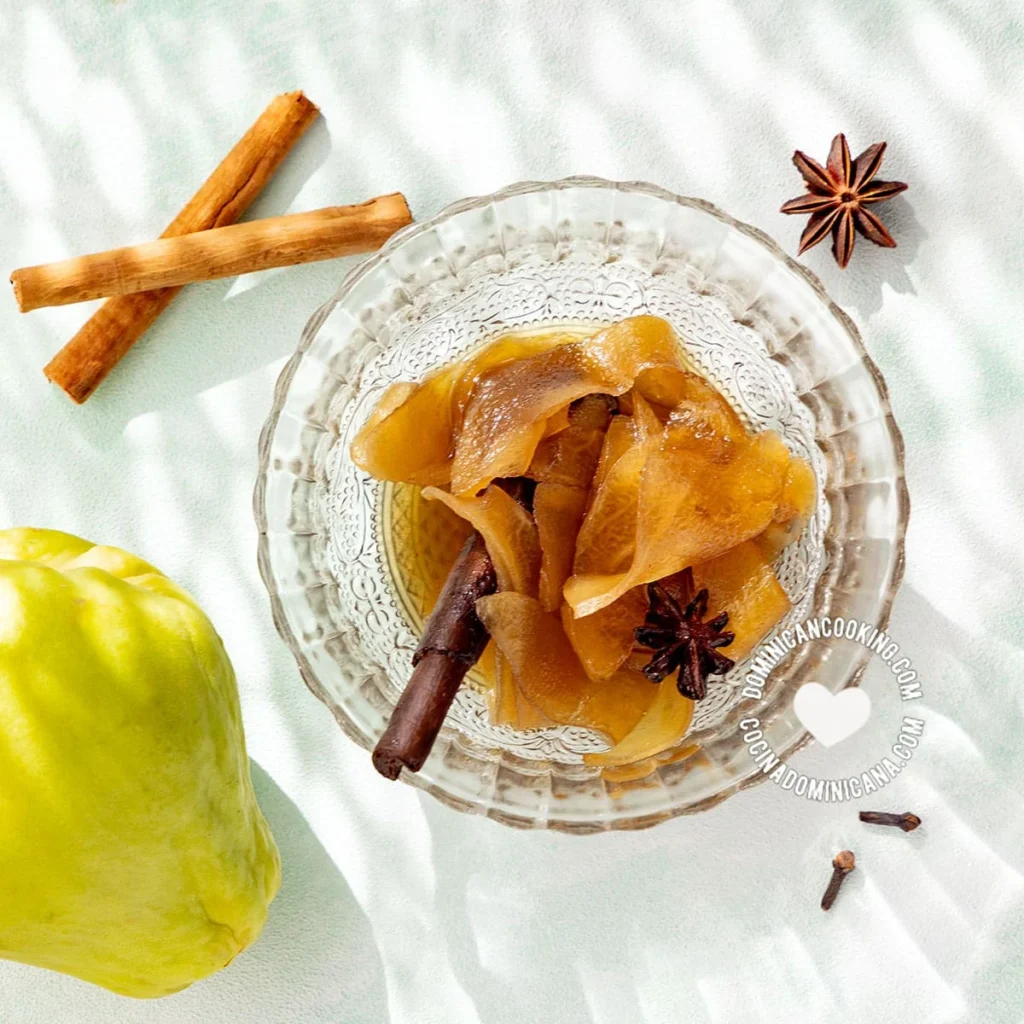
The global culinary landscape is frequently defined by unexpected transformations, where foundational ingredients traditionally reserved for savory applications find new life within the realm of confectionery. In the Dominican Republic, a quiet yet significant culinary evolution has brought the humble tayota—universally recognized in botanical terms as Sechium edule and commonly referred to as chayote, christophine, or mirliton—into the spotlight of traditional dessert making. Spearheaded by culinary traditionalists and home cooks alike, the preparation of Dulce de Tayota (chayote in spiced syrup) represents a fascinating intersection of resourcefulness, flavor adaptation, and Caribbean agricultural heritage. While international gastronomy often segregates vegetables into strict categories of sweet or savory, Dominican cuisine continues to demonstrate that texture and neutrality can serve as blank canvases for rich, aromatic flavor profiles.
Background Context of the Chayote in Caribbean Agriculture
To understand the cultural and culinary weight of Dulce de Tayota, one must first examine the agricultural prominence of the chayote vine across Latin America and the Caribbean. Indigenous to Mesoamerica, Sechium edule has been cultivated for millennia, eventually spreading throughout the tropical and subtropical regions of the world. In the Dominican Republic, the chayote plant thrives in the fertile mountainous regions where cooler temperatures and abundant rainfall provide optimal growing conditions.
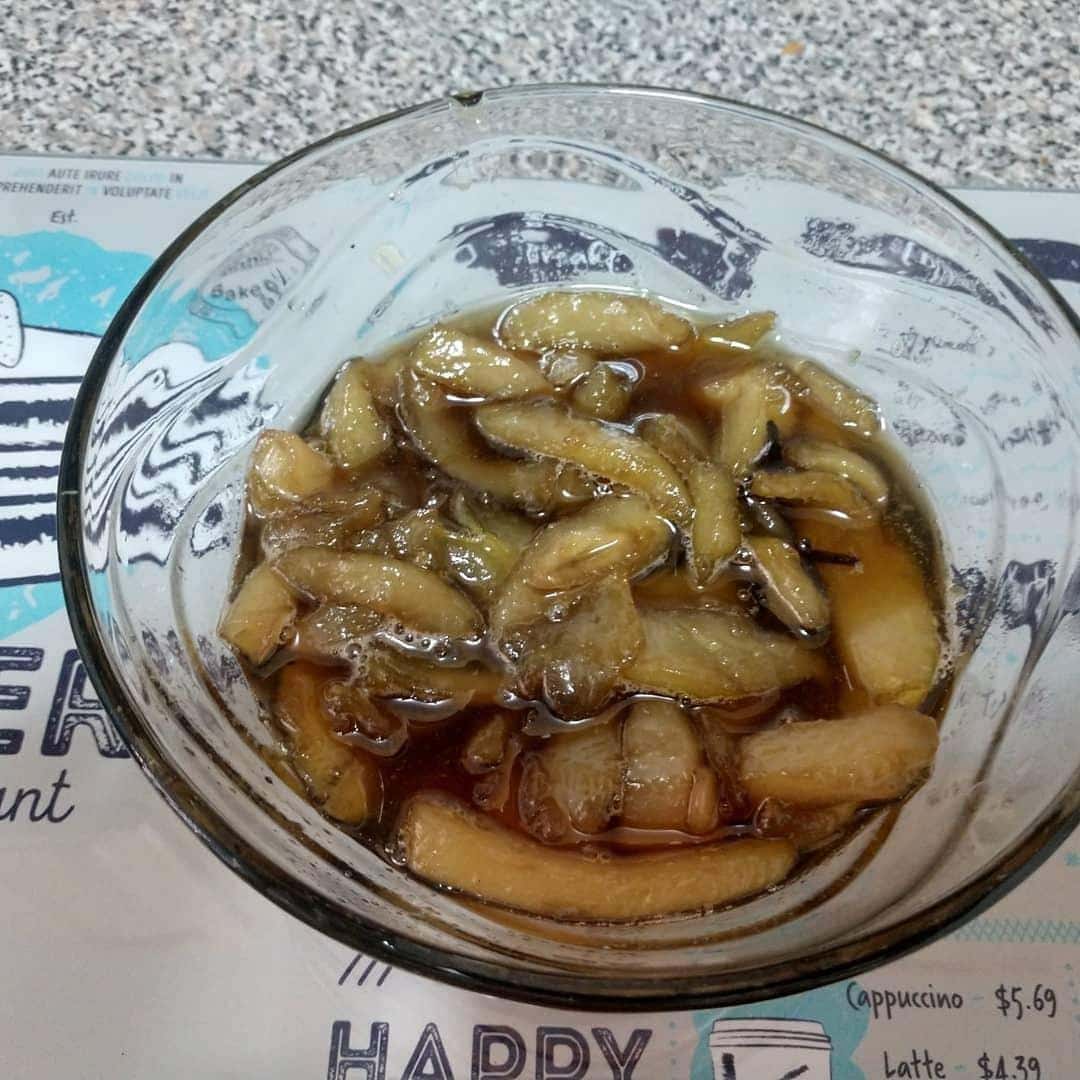
For generations, the tayota has served as a staple of the Dominican kitchen, appearing frequently in midday meals (almuerzos), stews, and side dishes. Despite its nutritional density—offering dietary fiber, vitamin C, potassium, and minimal carbohydrates—the vegetable has long endured affectionate teasing regarding its inherently mild, nearly neutral flavor profile. Culinary historians note that this exact neutrality is precisely what has allowed resourceful cooks to experiment across culinary boundaries. Because the flesh of the chayote readily absorbs surrounding flavors, it acts as a culinary sponge, making it uniquely qualified for translation into a dessert format when simmered in dense sugar syrups infused with warm spices.
Chronology and Evolution of the Traditional Recipe

The tradition of dulces en almíbar (fruits and vegetables preserved or cooked in spiced sugar syrups) is deeply rooted in Caribbean and Latin American culinary history, heavily influenced by Spanish and Moorish confectionery traditions that favored preserved fruits as a means of prolonging shelf life and celebrating harvest abundances.
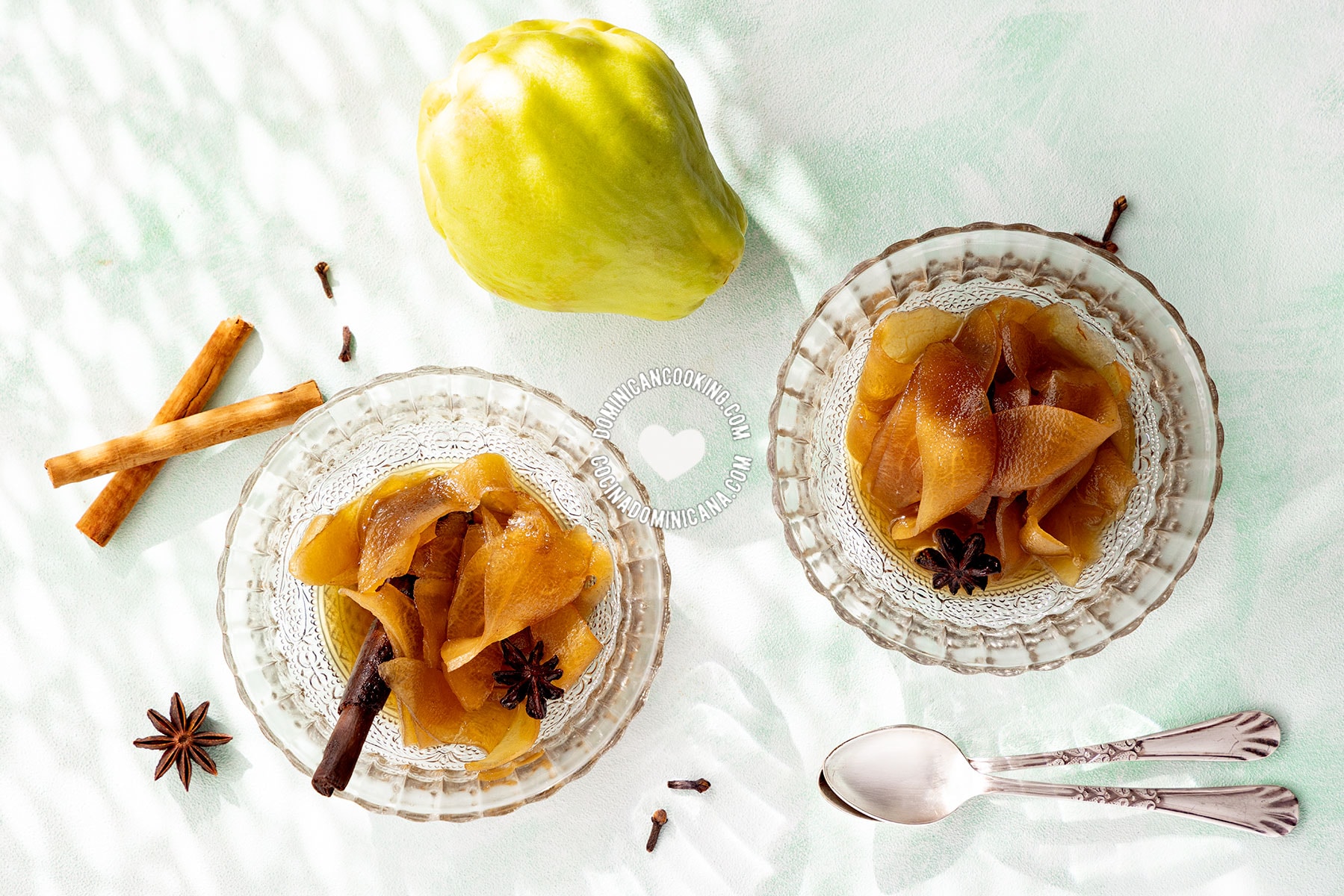
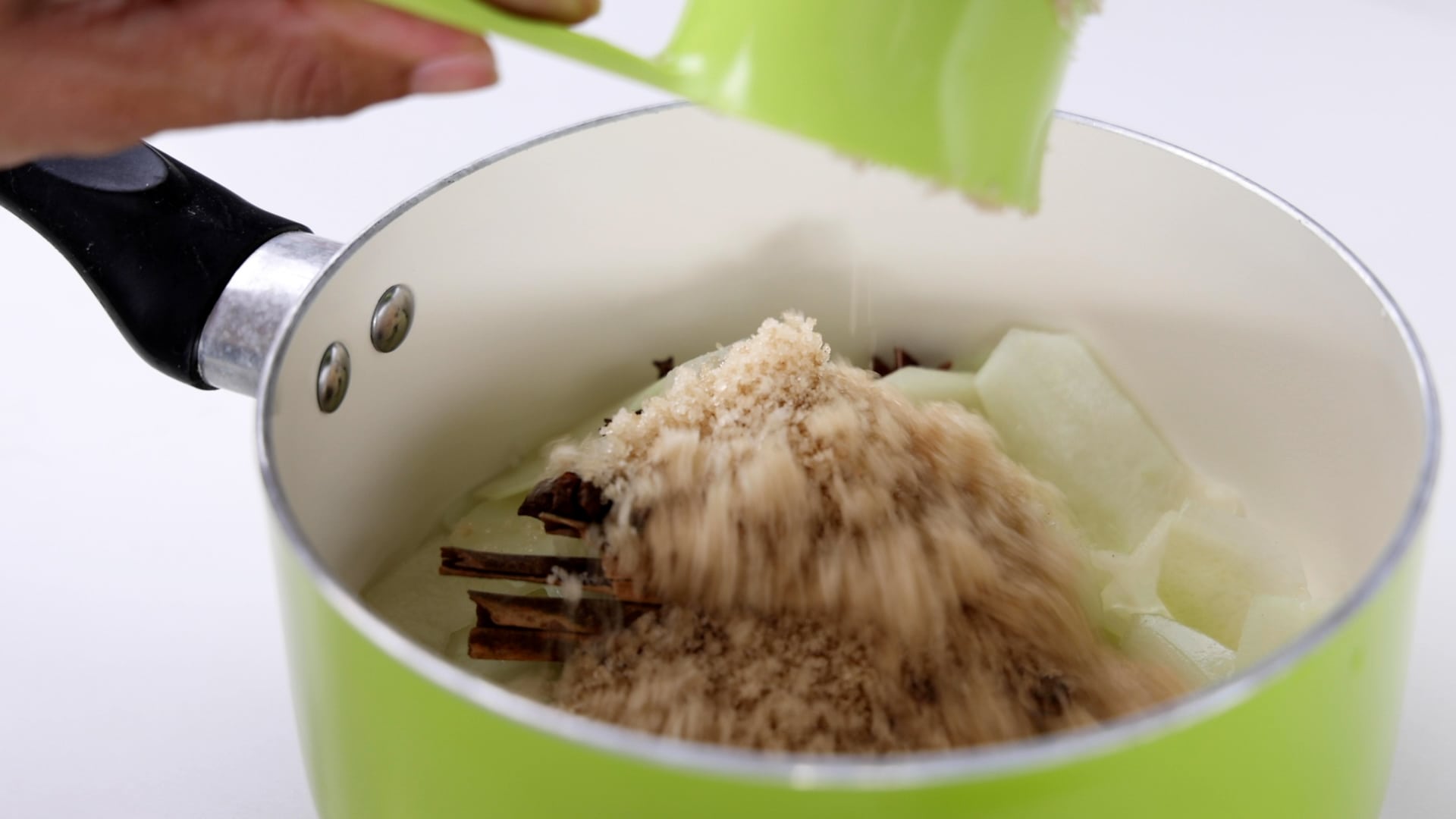
Historically, dishes such as dulce de coco (coconut jam), dulce de leche (milk fudge), and various candied squashes and papayas have dominated Dominican sweet tables. The integration of the tayota into this sweet category emerged organically through rural resourcefulness. Lacking access to expensive imported fruits during various historical economic shifts, home cooks looked to their immediate agricultural surroundings. By pairing the abundant, inexpensive chayote with pantry staples—refined sugar or raw cane sugar (raspadura or panela), cinnamon sticks, cloves, and occasionally citrus peel—cooks developed a rapid yet sophisticated stovetop method that yields a translucent, tender candied vegetable.
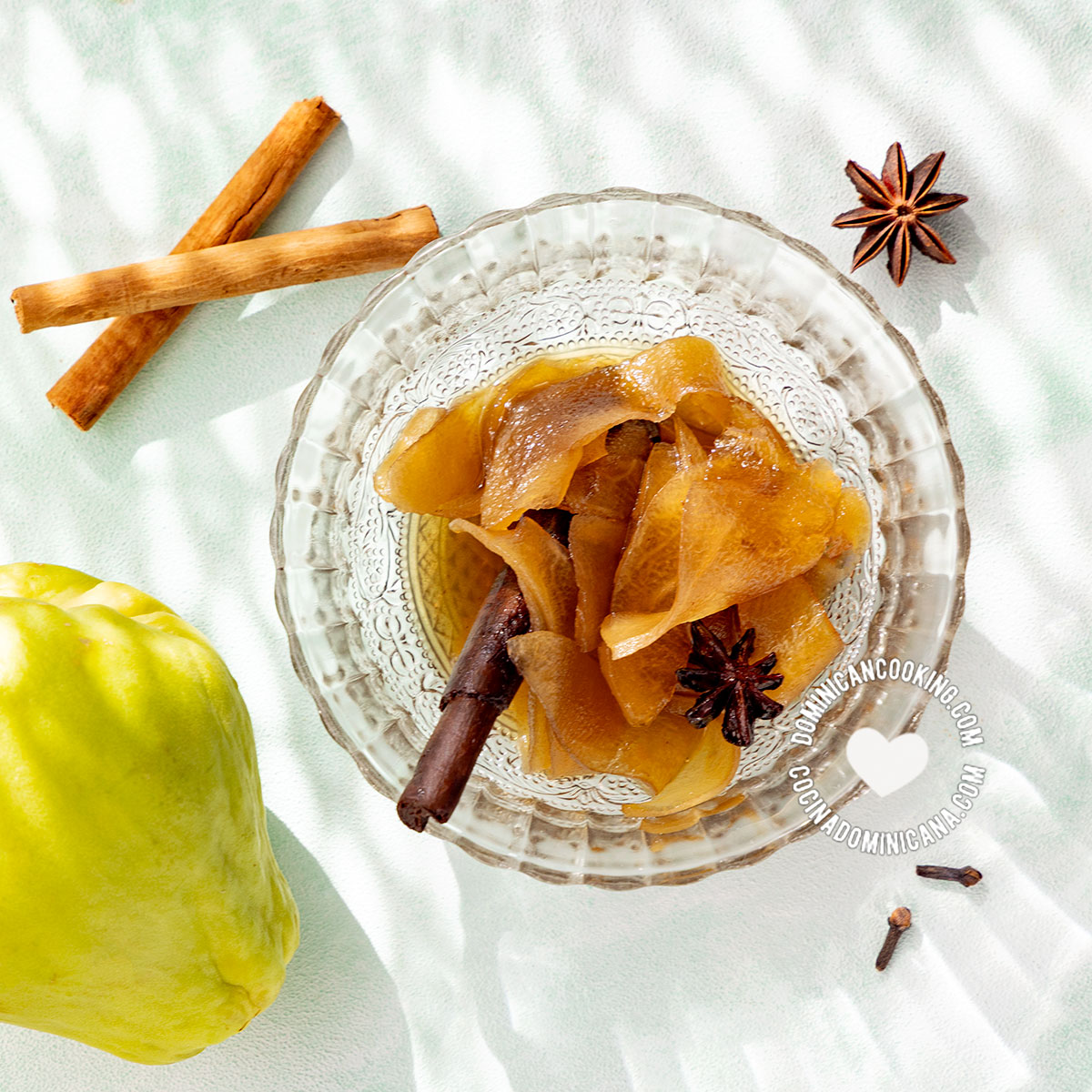
Modern culinary documentation, championed by cultural preservationists and food bloggers such as Clara Gonzalez of Dominican Cooking, has brought this once-regional secret to a global audience. Through digital platforms, video tutorials, and standardized recipes, the preparation time—averaging roughly five minutes of active prep and twenty minutes of simmering—has been broadcast to a diaspora seeking authentic connections to their homeland. Furthermore, as dietary preferences shift toward health-conscious eating, contemporary adaptations of the recipe have successfully integrated low-carb and ketogenic sweeteners, proving the recipe’s enduring adaptability across generations.
Culinary Analysis and Nutritional Implications
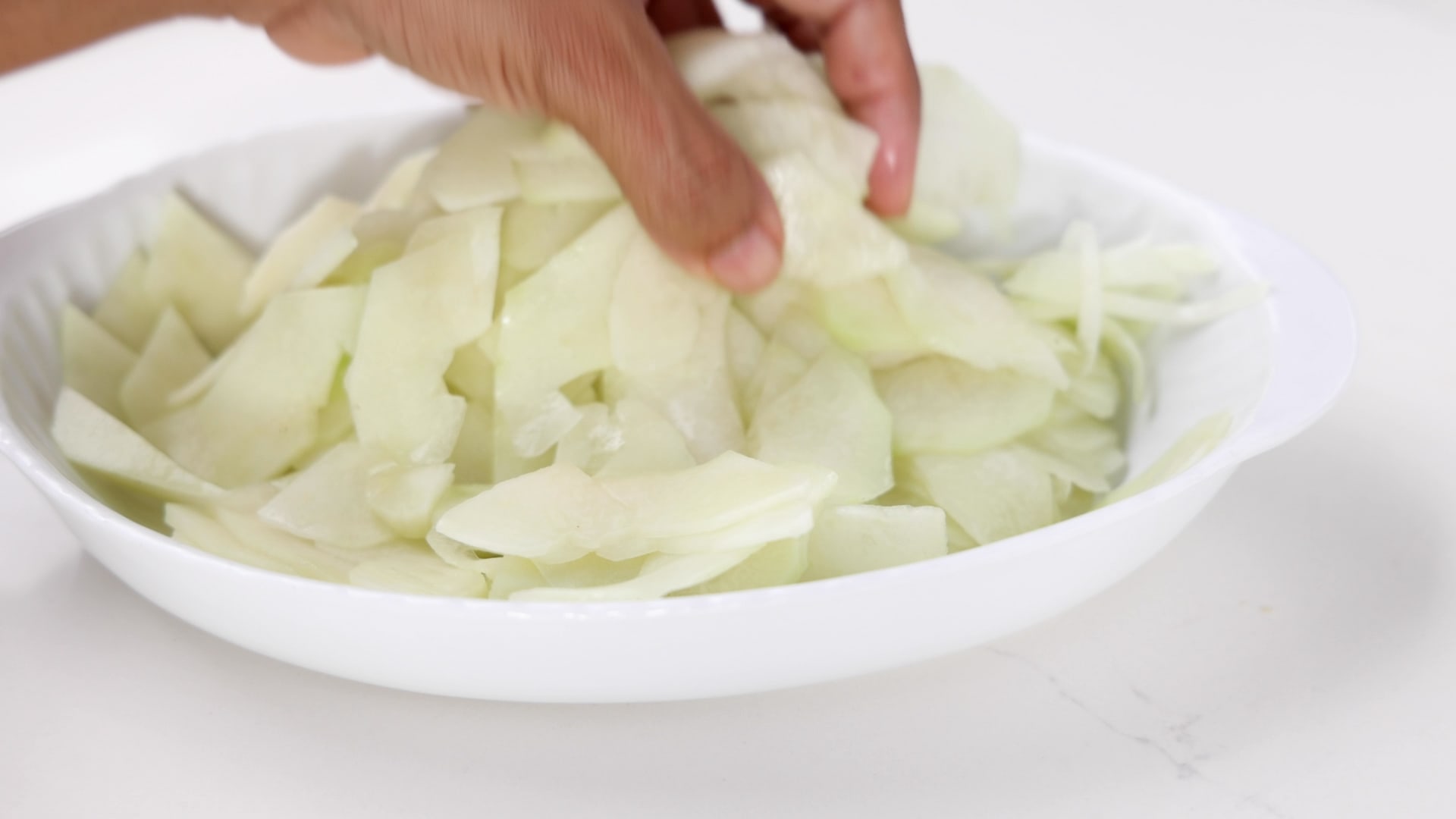
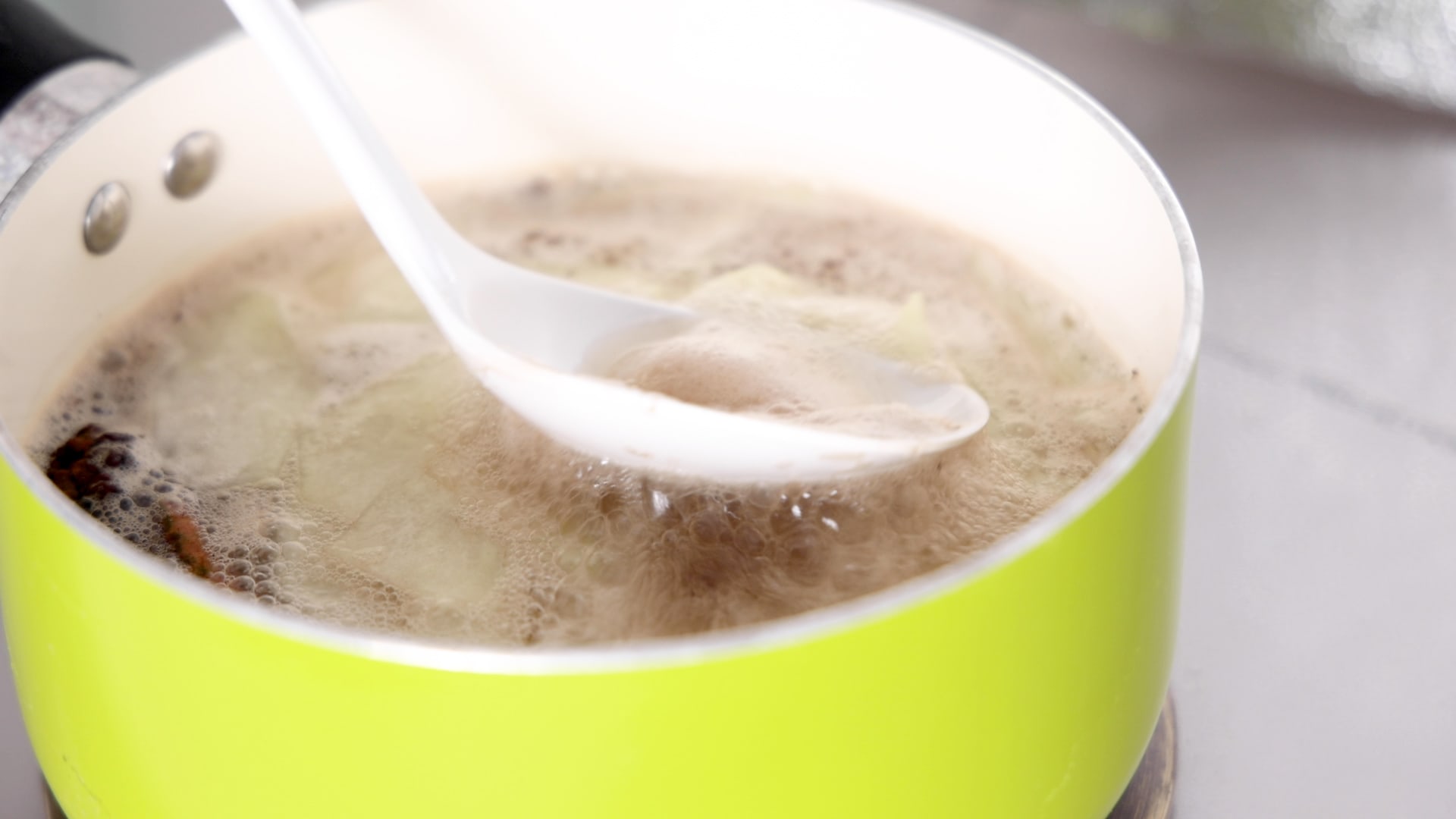
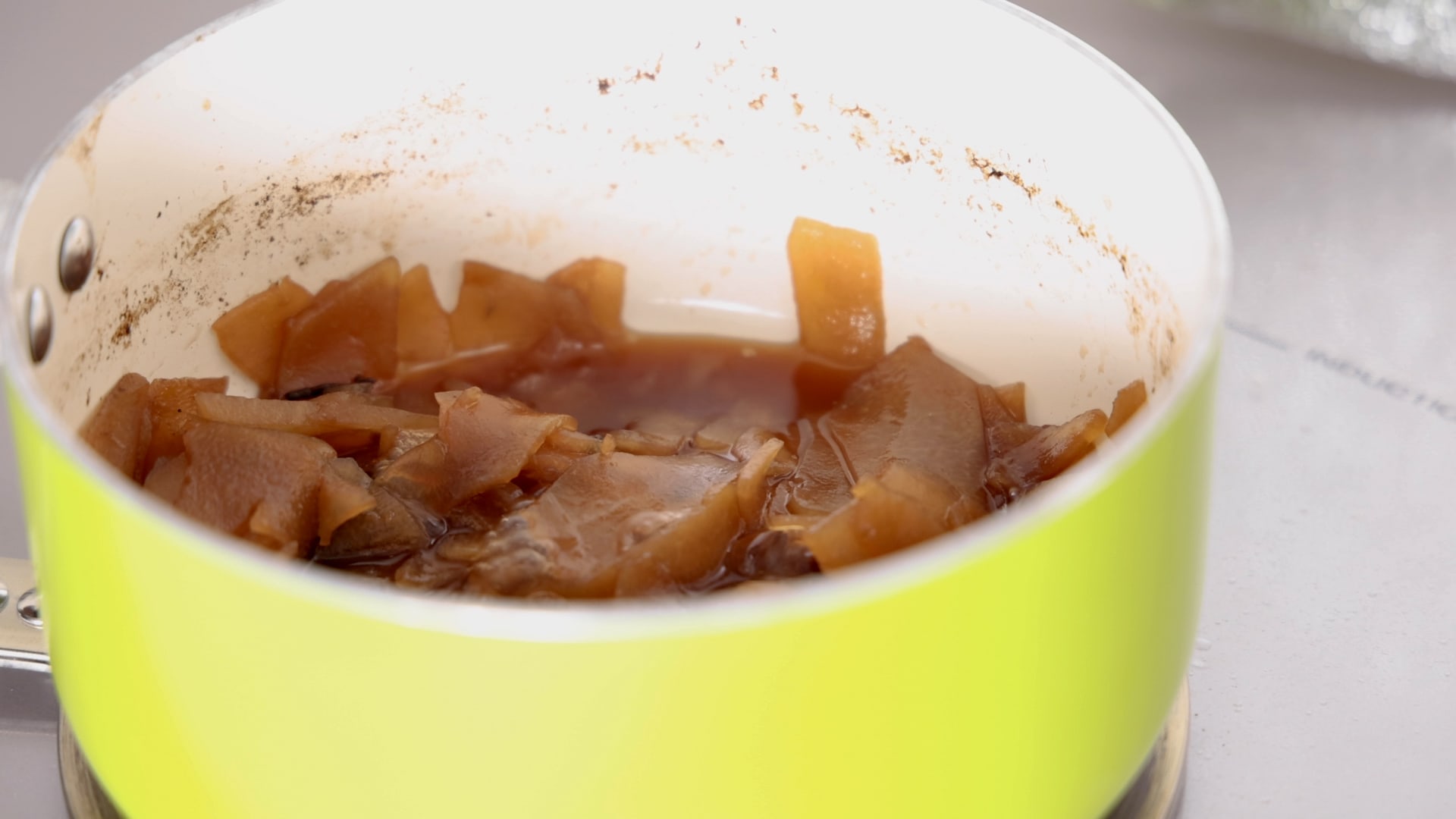
From a nutritional and biochemical perspective, the transformation of the chayote into a candied dessert offers notable insights into food science. Structurally, the cell walls of Sechium edule maintain a firm yet yielding texture when subjected to moderate thermal processing, preventing the vegetable from dissolving entirely during the boiling process. As the sucrose concentration in the surrounding liquid increases through evaporation, an osmotic exchange occurs: water within the plant cells is drawn out, and the spiced sugar syrup penetrates the cellular matrix.
The resulting nutritional profile balances the inherent lightness of the vegetable with the caloric density of the syrup. A standard serving of Dulce de Tayota typically yields approximately 159 kilocalories, consisting largely of carbohydrates (roughly 41 grams, primarily sugars) while maintaining very low fat content (around 1 gram) and negligible protein. For diabetic individuals or those managing carbohydrate intake, the successful formulation of keto-friendly variants utilizing sugar substitutes highlights the recipe’s versatility in meeting modern nutritional demands without sacrificing cultural authenticity.
Cultural Significance and Serving Traditions
Within the broader structure of Dominican dining, desserts are rarely consumed in isolation; rather, they serve as a deliberate punctuation mark to substantial midday meals. Dulce de Tayota is traditionally served chilled, particularly during the sweltering Caribbean summer months, following heavy main courses such as La Bandera Dominicana (the national dish consisting of white rice, red beans, and meat) or savory locrios (rice-based dishes).
The contrast between the savory, robust lunch and the cool, aromatic sweetness of the spiced chayote provides a balanced dining experience. Culinary experts emphasize that the dish relies heavily on the quality of its whole spices—cinnamon, cloves, and sometimes star anise or vanilla—which infuse the syrup and impart a complex fragrance that elevates the humble vegetable into a festive delicacy.
Broader Impact on Caribbean Gastronomy
The sustained popularity of recipes like Dulce de Tayota underscores a broader movement within Caribbean gastronomy: the elevation of everyday, affordable ingredients into celebrated cultural artifacts. As global interest in regional Latin American cuisines expands, traditional sweets that utilize indigenous and locally cultivated produce are gaining academic and commercial recognition.
By bridging the gap between savory agriculture and sweet confectionery, dishes featuring the chayote challenge preconceived notions of ingredient categorization. As home cooks continue to share, modify, and preserve these traditional methods across digital networks, the legacy of recipes like Dulce de Tayota is secured for future generations, ensuring that the resourcefulness of Caribbean kitchens remains a vibrant, evolving pillar of global culinary arts.






0 Komentar
Sampaikan opini dan diskusi yang membangun dengan bahasa yang santun.
No Comments Yet
Be the first to share your thoughts on this story.