
Easy Air Fryer Whole Chicken

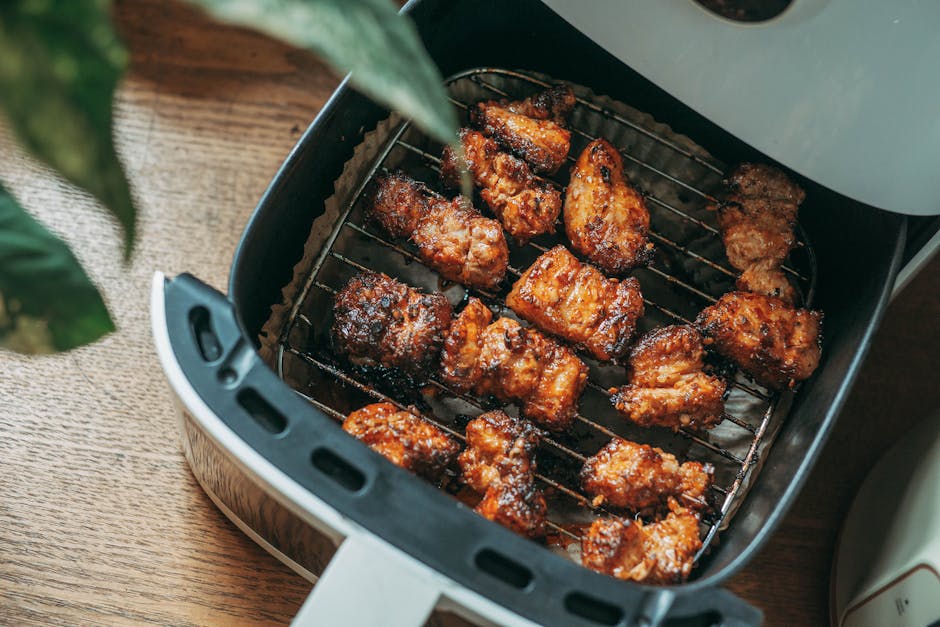
The Ultimate Guide to Air Fryer Whole Chicken: Crispy Skin, Juicy Meat, Every Time
Achieving a perfectly roasted whole chicken with crispy skin and impossibly juicy meat can feel like a culinary Everest for many home cooks. Traditional oven roasting often involves meticulous temperature control, basting, and a significant time investment. However, the modern marvel of the air fryer has revolutionized this classic dish, making it not only achievable but remarkably simple. This comprehensive guide delves deep into the art and science of air fryer whole chicken, providing all the knowledge and techniques necessary to impress yourself and your guests with minimal effort. Forget dry, bland chicken; prepare for a flavor explosion and textural perfection that will have you reaching for your air fryer again and again. We will cover everything from selecting the right bird and essential preparation steps to mastering cooking times, ensuring food safety, and maximizing flavor with simple yet effective seasonings.
The Power of the Air Fryer for Whole Chicken
The fundamental principle behind an air fryer’s magic lies in its convection cooking mechanism. Unlike a conventional oven that heats a large space, an air fryer circulates hot air at high speed around the food. This intense, rapid air movement creates a convection current that sears the exterior of the chicken, resulting in that coveted crispy skin. Simultaneously, the enclosed environment traps moisture, preventing the meat from drying out. This dual action – rapid surface searing and efficient moisture retention – is precisely what elevates air fryer whole chicken above many other cooking methods. The smaller cooking chamber also means faster cooking times compared to a large oven, making it an ideal solution for weeknight dinners or when time is of the essence. Furthermore, the concentrated heat ensures an even cook, reducing the likelihood of undercooked pockets or overcooked edges, a common problem with larger, irregularly shaped items like a whole chicken. The portability and ease of cleaning associated with most air fryer models further add to its appeal, making it a versatile and indispensable kitchen appliance for both novice and experienced cooks.
Choosing the Right Chicken: Size Matters
The success of your air fryer whole chicken hinges significantly on selecting the appropriate bird. For most standard air fryer models, a chicken weighing between 3 to 4 pounds is ideal. Anything significantly larger will likely not fit comfortably, leading to uneven cooking or requiring you to cut the chicken into pieces, defeating the purpose of a "whole" roast. Conversely, a chicken that is too small may cook too quickly, potentially drying out before the skin achieves optimal crispiness. Consider the size of your air fryer basket when making your selection. Measure the dimensions to ensure a good fit. If your air fryer is on the smaller side, a 3-pound chicken is a safer bet. For larger capacity air fryers, you can comfortably accommodate a 4-pound bird. Opt for a free-range or organic chicken if your budget allows, as these often boast superior flavor and texture due to the birds’ diet and living conditions. Freshness is paramount; look for a chicken with firm, plump flesh and no off-putting odors. Thawed frozen chickens can also be used, but ensure they are completely thawed before cooking to guarantee even heat penetration.
Prepping Your Whole Chicken for Air Frying: The Foundation for Flavor
Proper preparation is the cornerstone of a delicious air fryer whole chicken. This involves several key steps designed to enhance flavor, promote even cooking, and achieve that signature crispy skin.
-
Patting Dry: This is arguably the most crucial step for crispy skin. Before any seasoning, use paper towels to thoroughly pat the entire chicken dry, inside and out. Moisture is the enemy of crispiness. The drier the skin, the better it will crisp up in the hot air. Pay extra attention to the skin, ensuring no dampness remains.
-
Seasoning: Simplicity is often key, but you can customize to your heart’s content. A basic yet effective seasoning blend includes salt, black pepper, and garlic powder. For a more robust flavor, consider adding paprika, onion powder, dried herbs like thyme, rosemary, or oregano, or even a touch of chili powder for a mild kick.
-
The Dry Brine (Optional but Recommended): For an extra layer of flavor and moisture retention, consider a dry brine. This involves generously salting the chicken and letting it rest in the refrigerator, uncovered, for at least a few hours, or ideally overnight. The salt draws out moisture initially, but then the salt dissolves into the meat, reabsorbing and seasoning it deeply from within. The uncovered rest further aids in drying out the skin.
-
Aromatics (Optional): For added fragrance and flavor infusion, you can place aromatics inside the cavity of the chicken. Common choices include halved lemons, garlic cloves, sprigs of fresh herbs (rosemary, thyme), or even half an onion. These will gently steam inside the chicken as it cooks, imparting subtle but delicious notes.
-
Tying the Legs (Trussing): Trussing, or tying the legs together, is a good practice for whole chickens, even in an air fryer. This helps the chicken maintain a compact shape, promoting more even cooking and preventing the legs from drying out prematurely. You can use kitchen twine to tie the legs together securely. Tuck the wingtips under the body of the chicken as well to prevent them from burning.
-
Oil Application: A light coating of oil on the exterior of the chicken is essential for achieving a golden-brown, crispy finish. Use a neutral oil with a high smoke point, such as avocado oil, grapeseed oil, or vegetable oil. You can brush it on or use a spray bottle for even coverage. This oil will help conduct heat and promote browning.
Mastering Air Fryer Whole Chicken Cooking Times and Temperatures
The correct cooking time and temperature are critical for a perfectly cooked air fryer whole chicken. While specific times can vary depending on your air fryer model and the exact size of your chicken, a general guideline can be established.
Temperature: A common and effective temperature for air frying a whole chicken is 375°F (190°C). This temperature is high enough to crisp the skin beautifully while cooking the meat through without drying it out. Some cooks prefer to start at a slightly higher temperature for the first 10-15 minutes to kickstart the skin crisping, then reduce it to 375°F for the remainder of the cooking time.
Cooking Time: For a 3-4 pound whole chicken, expect a cooking time of approximately 40-50 minutes. However, this is a guideline, and the most reliable method for determining doneness is by using a meat thermometer.
Internal Temperature is Key: The USDA recommends an internal temperature of 165°F (74°C) for poultry. For the juiciest results, aim to remove the chicken from the air fryer when the thickest part of the thigh (without touching the bone) registers 160-162°F (71-72°C). The residual heat will continue to cook the chicken as it rests, bringing it up to the safe 165°F. Insert the thermometer into the thickest part of the thigh, ensuring it does not touch the bone. Also, check the thickest part of the breast.
Resting is Non-Negotiable: Once cooked, it is crucial to let your air fryer whole chicken rest. Tent it loosely with aluminum foil and let it sit for at least 10-15 minutes before carving. This resting period allows the juices to redistribute throughout the meat, resulting in a more tender and moist chicken. If you cut into it immediately, the juices will run out onto the cutting board, leaving you with dry chicken.
Preheating Your Air Fryer: It is generally recommended to preheat your air fryer for 3-5 minutes at the chosen cooking temperature before adding the chicken. This ensures that the air fryer is at the optimal temperature from the moment the chicken goes in, contributing to more consistent cooking and better skin crisping.
Potential Challenges and Troubleshooting
While air frying whole chicken is generally straightforward, a few common challenges might arise.
Uneven Cooking: If you find parts of your chicken are cooking faster than others, particularly the breast compared to the thighs, you can try tenting the breast with foil partway through cooking to slow its cooking. Ensure your chicken is positioned in the basket to allow for optimal air circulation around all sides. Avoid overcrowding.
Skin Not Crispy Enough: This is often due to insufficient drying of the chicken before cooking, or the chicken being too moist from its packaging. Ensure you are patting it thoroughly dry and consider the dry brining method. Ensure your air fryer is preheated properly.
Overcooked Chicken: This is typically a result of overestimating the cooking time or not using a meat thermometer. Always rely on internal temperature rather than just time. Remember to account for resting time.
Burnt Wingtips or Legs: The extremities of the chicken can cook faster. To prevent this, tuck the wingtips under the body and truss the legs. If you notice them browning too quickly, you can loosely tent them with small pieces of foil.
Food Safety Considerations
Ensuring food safety is paramount when cooking any poultry. Always follow these guidelines:
Thoroughly wash your hands with soap and hot water before and after handling raw chicken.
Use separate cutting boards and utensils for raw chicken to prevent cross-contamination.
Cook chicken to the recommended internal temperature of 165°F (74°C) in the thickest part of the thigh. Use a reliable meat thermometer.
Store cooked chicken properly in the refrigerator within two hours of cooking.
Flavor Variations and Enhancements
While a simple salt, pepper, and garlic powder rub is excellent, don’t be afraid to experiment with flavor.
Herb Rubs: Combine finely chopped fresh herbs like rosemary, thyme, sage, and parsley with garlic, salt, and pepper.
Spicy Rubs: Add cayenne pepper, paprika, or chili powder for a bit of heat.
Citrus Infusion: Rub the chicken with lemon zest and juice before seasoning.
Marinades (Use with Caution): While marinades can add flavor, they also introduce moisture, which can hinder skin crisping. If you choose to marinate, ensure you thoroughly pat the chicken dry after marinating and consider patting it dry again before seasoning and air frying.
The Art of Carving Your Air Fryer Whole Chicken
Once your chicken has rested, it’s time to carve. For the best results, use a sharp carving knife.
Start by removing the legs and thighs. Make an incision along the thigh, separating the skin and then cutting down to the bone to remove the whole leg and thigh quarter.
Next, carve the breast meat. Slice the breast meat from the bone, working your way down.
You can then slice the breast meat against the grain for tender pieces.
The wings can be separated at the joint.
Serving Suggestions
Air fryer whole chicken is incredibly versatile and pairs well with a wide array of side dishes. Consider classic roast chicken accompaniments such as roasted vegetables (potatoes, carrots, Brussels sprouts), mashed potatoes, gravy, a fresh green salad, or stuffing. The crispy skin and juicy meat also make it excellent for sandwiches or chicken salads.
Conclusion
The air fryer whole chicken is a testament to modern culinary innovation, transforming a traditional, often intimidating, dish into an accessible and remarkably rewarding meal. By understanding the principles of air frying, selecting the right chicken, mastering preparation techniques, and adhering to proper cooking times and temperatures, you can consistently achieve a golden, crispy-skinned masterpiece with incredibly moist and flavorful meat. Embrace the simplicity, experiment with flavors, and enjoy the unparalleled satisfaction of creating a perfect whole chicken with minimal fuss. This method is not just a recipe; it’s a gateway to effortless, impressive home cooking that will undoubtedly become a staple in your culinary repertoire.


