
Quick Beef Stir Fry

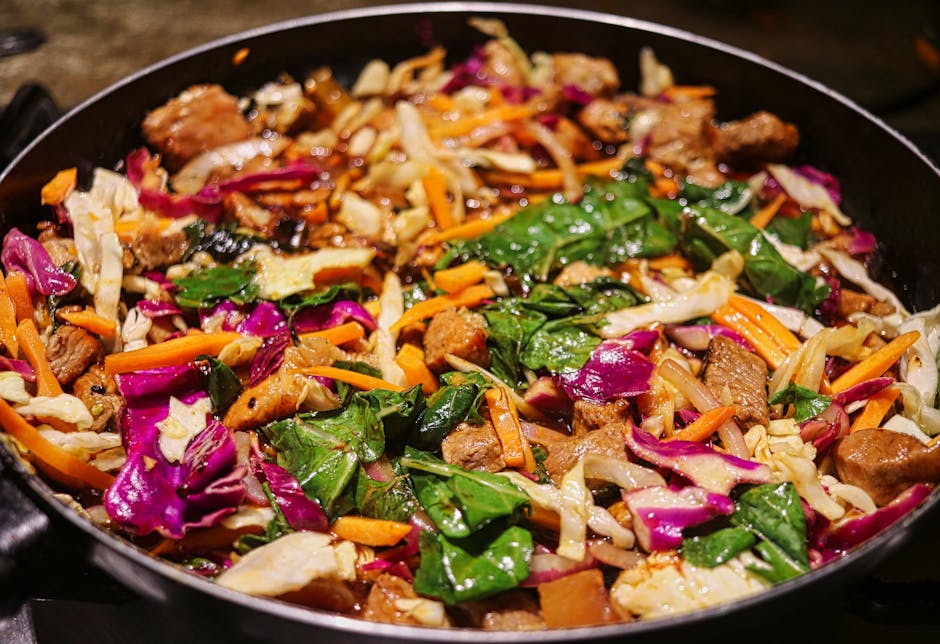
The Ultimate Guide to Quick Beef Stir Fry: Flavorful, Fast, and Family-Friendly
Quick beef stir fry is a culinary superhero, a weeknight warrior capable of transforming humble ingredients into a restaurant-quality meal in under 30 minutes. Its inherent versatility, coupled with rapid cooking times, makes it an ideal candidate for busy schedules without sacrificing taste or nutritional value. This comprehensive guide delves into every facet of creating a perfect quick beef stir fry, from selecting the optimal beef cut to mastering the art of the sauce and achieving that coveted wok hei – that smoky, seared flavor imparted by high heat. We’ll explore essential techniques, ingredient substitutions, and troubleshooting tips to ensure your stir fry success, making it a staple in your home cooking repertoire. The beauty of stir fry lies in its adaptability; it’s a blank canvas for vegetables and a vehicle for bold, savory sauces, all brought together by tender, quickly cooked beef. Understanding the fundamental principles allows for endless variations, ensuring that "quick beef stir fry" never has to mean "boring."
Selecting the Right Beef for Your Quick Stir Fry
The foundation of a superior quick beef stir fry is the beef itself. For optimal tenderness and rapid cooking, lean, thinly sliced cuts are paramount. Flank steak, sirloin steak, and skirt steak are excellent choices. These cuts, when sliced against the grain, break down connective tissues, resulting in a melt-in-your-mouth texture. The key to successful stir-frying is slicing the beef extremely thinly. This can be achieved more easily if the beef is partially frozen. Place the beef in the freezer for 30-45 minutes until firm but not solid. Then, using a very sharp knife, slice against the grain into 1/8-inch thick strips. Marinating the beef is another crucial step that enhances both flavor and tenderness. A simple marinade of soy sauce, cornstarch, a touch of sesame oil, and optionally a pinch of sugar or white pepper helps to tenderize the meat and provides a base for the sauce. The cornstarch acts as a coating, creating a barrier that keeps the beef moist during the high-heat cooking process. Aim for a marinating time of at least 15-30 minutes, but avoid over-marinating, especially with acidic ingredients, as this can "cook" the beef prematurely. For those seeking exceptionally tender results, consider velveting the beef. This involves tossing the thinly sliced beef with a mixture of egg white, cornstarch, and Shaoxing wine (or dry sherry) before marinating. This technique creates a protective coating that locks in moisture and results in an incredibly silky texture. When selecting beef, look for good marbling, as this contributes to flavor and succulence, even in leaner cuts. Avoid tougher cuts like chuck or brisket, which require longer cooking times and are not suitable for quick stir-frying.
The Art of the Stir Fry Sauce: Balancing Flavors
The sauce is the soul of any stir fry, and in a quick beef stir fry, it’s the element that ties everything together with a burst of savory goodness. A well-balanced sauce typically comprises a combination of salty, sweet, sour, and umami elements. The quintessential base is soy sauce, providing the salty and umami notes. Oyster sauce adds a rich, complex savory depth and a slight sweetness, making it an indispensable ingredient. For sweetness, brown sugar, honey, or maple syrup can be used. A touch of rice vinegar or lime juice introduces a welcome tang, cutting through the richness. Garlic and ginger, minced or grated, are aromatics that form the backbone of most stir fry sauces, providing pungent and warming flavors. A splash of Shaoxing wine or dry sherry adds another layer of complexity and aids in deglazing the pan. Cornstarch, dissolved in a small amount of water (a slurry), is crucial for thickening the sauce to a glossy consistency that coats the ingredients beautifully. The ratio of these ingredients is highly adaptable to personal preference. A good starting point for a basic sauce might be: 3 tablespoons soy sauce, 2 tablespoons oyster sauce, 1 tablespoon rice vinegar, 1 teaspoon brown sugar, 1 teaspoon sesame oil, 2 cloves minced garlic, 1-inch piece grated ginger, and 1 tablespoon Shaoxing wine, all thickened with a cornstarch slurry. Experimentation is key; some prefer a spicier kick from chili flakes or sriracha, while others opt for a sweeter profile. Remember to prepare the sauce before you begin cooking, as stir-frying is a rapid process, and you won’t have time to measure and mix ingredients mid-sauté.
Vegetable Selection and Preparation: Color, Crunch, and Nutrition
A quick beef stir fry is not complete without a vibrant medley of vegetables. The beauty of stir fry is its ability to incorporate a wide array of produce, adding color, texture, and essential nutrients. The key to successful vegetable preparation for stir fry is uniform cutting. This ensures that all vegetables cook at approximately the same rate, preventing some from becoming mushy while others remain undercooked. Common and excellent choices include broccoli florets, bell peppers (various colors for visual appeal), snap peas, snow peas, carrots (thinly sliced or julienned), onions (sliced), mushrooms (sliced), and bok choy. For harder vegetables like carrots and broccoli stems, consider blanching them briefly in boiling water before adding them to the stir fry. This pre-cooking step significantly reduces their cooking time in the wok. Leafy greens like bok choy or spinach can be added in the final stages of cooking, as they wilt quickly. Remember to wash and thoroughly dry all vegetables before cutting. Moisture on vegetables can lead to steaming rather than searing, which is counterproductive to achieving that desirable stir-fried texture. Pre-chopping all vegetables and having them ready in separate bowls, or in a logical cooking order, is essential for a smooth and efficient stir-frying process. This "mise en place" is critical for speed. Consider incorporating ingredients that offer different textures, such as the crispness of bell peppers, the slight chew of broccoli, and the tenderness of mushrooms.
The Stir Fry Technique: Mastering High Heat and Quick Movements
Stir-frying is a high-heat, fast-cooking method that relies on constant motion to ensure even cooking and prevent burning. A wok is the ideal vessel due to its sloped sides, which allow for efficient heat distribution and easy tossing of ingredients. However, a large, heavy-bottomed skillet or sauté pan can also be used effectively. The process begins with heating the wok or pan over high heat until it is smoking hot. Add a high smoke point oil, such as peanut oil, canola oil, or grapeseed oil. Once the oil is shimmering, add the marinated beef in a single layer, working in batches if necessary to avoid overcrowding the pan. Overcrowding will steam the beef instead of searing it, leading to a tough and unappetizing result. Sear the beef quickly on all sides until browned, about 1-2 minutes per side. Remove the beef from the pan and set aside. Next, add a little more oil if needed and stir-fry the aromatics (garlic and ginger) for about 30 seconds until fragrant. Then, add the firmer vegetables (like carrots and broccoli) and stir-fry for a few minutes until they begin to soften but still retain some crispness. Add the quicker-cooking vegetables (like bell peppers and snap peas) and continue to stir-fry for another minute or two. Finally, return the seared beef to the pan. Pour in the prepared stir-fry sauce and toss everything together quickly until the sauce thickens and coats all the ingredients, usually about 1-2 minutes. The entire cooking process for the vegetables and beef combined should be very brief, typically under 10 minutes. The key is to keep the ingredients moving constantly to ensure they are evenly exposed to the heat. Avoid the temptation to let ingredients sit in the pan for too long.
Serving Your Quick Beef Stir Fry: The Finishing Touches
Once your quick beef stir fry is perfectly cooked and coated in its glossy sauce, it’s time for the finishing touches and serving. The most traditional accompaniment to stir fry is steamed rice, such as jasmine or basmati rice. The neutral flavor and slightly sticky texture of rice are the perfect counterpoint to the bold flavors of the stir fry. Other excellent serving options include noodles (lo mein, chow mein, or even ramen noodles), quinoa, or cauliflower rice for a lower-carb option. Before serving, consider garnishes that add both visual appeal and an extra burst of flavor. Toasted sesame seeds add a nutty crunch and aroma. Freshly chopped green onions (scallions) provide a fresh, mild onion flavor and a pop of color. A drizzle of chili oil or a sprinkle of red pepper flakes can cater to those who enjoy a bit of heat. For a touch of freshness, a few sprigs of fresh cilantro can be added. The key is to serve the stir fry immediately after it’s cooked. Stir-fried dishes are best enjoyed piping hot, as the textures and flavors are at their peak. Letting it sit for too long can result in the vegetables becoming limp and the sauce becoming congealed. The visual appeal is also part of the dining experience; arrange the stir fry attractively over the rice or noodles, ensuring the vibrant colors of the vegetables are showcased. The aroma that wafts from a freshly prepared beef stir fry is a significant part of its appeal, so don’t delay in presenting this delicious and healthy meal.
Troubleshooting Common Stir Fry Issues
Even with the best intentions, occasional stir fry hiccups can occur. One common issue is tough beef. This is most often due to using the wrong cut of beef, not slicing it thinly enough against the grain, overcrowding the pan leading to steaming instead of searing, or overcooking. Revisit the beef selection and slicing techniques. Ensure your pan is hot enough and cook the beef in batches if needed. Another common problem is a watery sauce. This can happen if too much liquid is added initially or if the cornstarch slurry isn’t properly incorporated or if the heat isn’t high enough for the sauce to thicken effectively. Ensure you’re using a cornstarch slurry and whisking it into the simmering sauce until thickened. Cooking over sufficient heat is also crucial. Conversely, a sauce that’s too thick can be rectified by adding a tablespoon or two of water, broth, or even a little more soy sauce and whisking until the desired consistency is reached. Mushy vegetables are a result of overcooking. Pay close attention to the cooking times for different vegetables and add them to the pan in stages based on their density and cooking speed. Pre-blanching harder vegetables can also help. Burnt aromatics are a sign of cooking garlic and ginger for too long or over high heat without sufficient stirring. Stir-fry them for a very brief period, just until fragrant. Finally, if your stir fry lacks flavor, it’s usually an issue with the sauce balance. Don’t be afraid to taste and adjust the seasoning of your sauce before adding it to the stir fry. A little more soy sauce, a touch of sugar, or a splash of vinegar can make all the difference. The beauty of stir fry is its forgiving nature; most issues can be corrected with a little adjustment.
Variations and Flavor Boosters for Your Quick Beef Stir Fry
The beauty of quick beef stir fry lies in its inherent adaptability, allowing for countless flavor profiles and ingredient combinations. Beyond the classic soy sauce and oyster sauce base, consider incorporating elements that introduce new dimensions. For an Asian-inspired twist, add a tablespoon of hoisin sauce for a richer, sweeter, and slightly smoky flavor. A dash of fish sauce can provide a more pronounced umami kick, though use it sparingly as it’s quite potent. Sriracha or chili garlic sauce can be added to the sauce or sautéed with the aromatics for a spicy kick. For a Thai influence, incorporate elements like curry paste, coconut milk, and lime juice. A little peanut butter whisked into the sauce can create a delicious satay-inspired flavor, particularly delightful with chicken or beef. If you have access to fresh chilies, they can be finely chopped and added with the garlic and ginger for a fresh, vibrant heat. For a touch of earthiness, mushrooms are an excellent addition, and shiitake mushrooms in particular offer a wonderfully deep, savory flavor. Water chestnuts can add a pleasant, crisp textural contrast. Don’t shy away from experimenting with different vegetables; baby corn, broccoli rabe, or even asparagus can all be incorporated. The key to successful variations is to maintain the core principles of high heat, quick cooking, and a well-balanced sauce. Consider the flavor profiles of your chosen additions and ensure they complement each other. A good rule of thumb is to keep the sauce relatively simple and allow the featured ingredients, like the beef and a selection of fresh vegetables, to shine.
Nutritional Benefits of Quick Beef Stir Fry
Quick beef stir fry is more than just a delicious and convenient meal; it’s also a remarkably healthy option when prepared thoughtfully. Beef, particularly lean cuts, is an excellent source of high-quality protein, essential for muscle repair and growth, as well as providing sustained energy. It’s also rich in vital nutrients such as iron, zinc, and B vitamins, which play crucial roles in energy metabolism and immune function. The abundance of vegetables in a stir fry contributes a significant amount of fiber, vitamins, minerals, and antioxidants. Different colored vegetables offer a diverse range of beneficial compounds; for instance, the beta-carotene in carrots is important for vision, while the vitamin C in bell peppers supports the immune system. The fiber in vegetables aids digestion and can contribute to feelings of fullness, making it a satisfying meal. By using moderate amounts of healthy oils and a well-balanced sauce, you can control the sodium and sugar content, making it a heart-healthy option. Compared to many processed convenience meals, a homemade quick beef stir fry offers superior nutritional density and avoids excessive additives. The rapid cooking method also helps to preserve the nutrient content of the vegetables, as they are exposed to heat for a shorter duration. When paired with whole grains like brown rice or quinoa, it becomes a complete and nutritionally robust meal, offering a balanced intake of macronutrients and micronutrients.
Conclusion: Embrace the Versatility of Quick Beef Stir Fry
Quick beef stir fry stands as a testament to efficient and flavorful cooking. Its rapid preparation time, coupled with its inherent adaptability, makes it an indispensable tool in the modern kitchen. By mastering the fundamental techniques of beef preparation, sauce creation, vegetable selection, and high-heat cooking, you unlock a world of culinary possibilities. Whether you’re a seasoned home cook or a beginner seeking a reliable weeknight meal, the principles outlined in this guide will empower you to consistently produce delicious, healthy, and satisfying quick beef stir fries. Embrace experimentation, adjust seasonings to your liking, and discover your favorite combinations of vegetables and flavor enhancers. This versatile dish is not just a meal; it’s a platform for culinary creativity, delivering consistent flavor and nutritional value with every serving. The ease with which it can be tailored to individual tastes and dietary needs further solidifies its status as a go-to option for busy individuals and families alike. Make quick beef stir fry a regular part of your meal rotation and enjoy the consistent rewards of a fast, flavorful, and fundamentally healthy dish.


