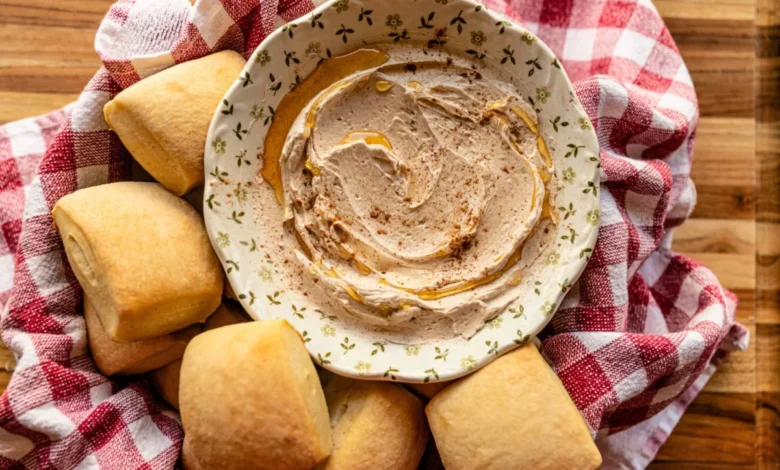
The culinary preparation for Thanksgiving often involves complex scheduling and intensive oven management, yet some of the most highly regarded accompaniments to the holiday meal require minimal technical effort and no thermal processing. Whipped honey butter, a staple in regional American cuisine and a perennial favorite in Southern dining, has emerged as a strategic choice for home cooks looking to streamline their holiday preparation. By utilizing a simple emulsification process, this spread provides a high-impact, low-cost enhancement to traditional dinner rolls, cornbread, and seasonal sides.
Historical Context and Regional Significance
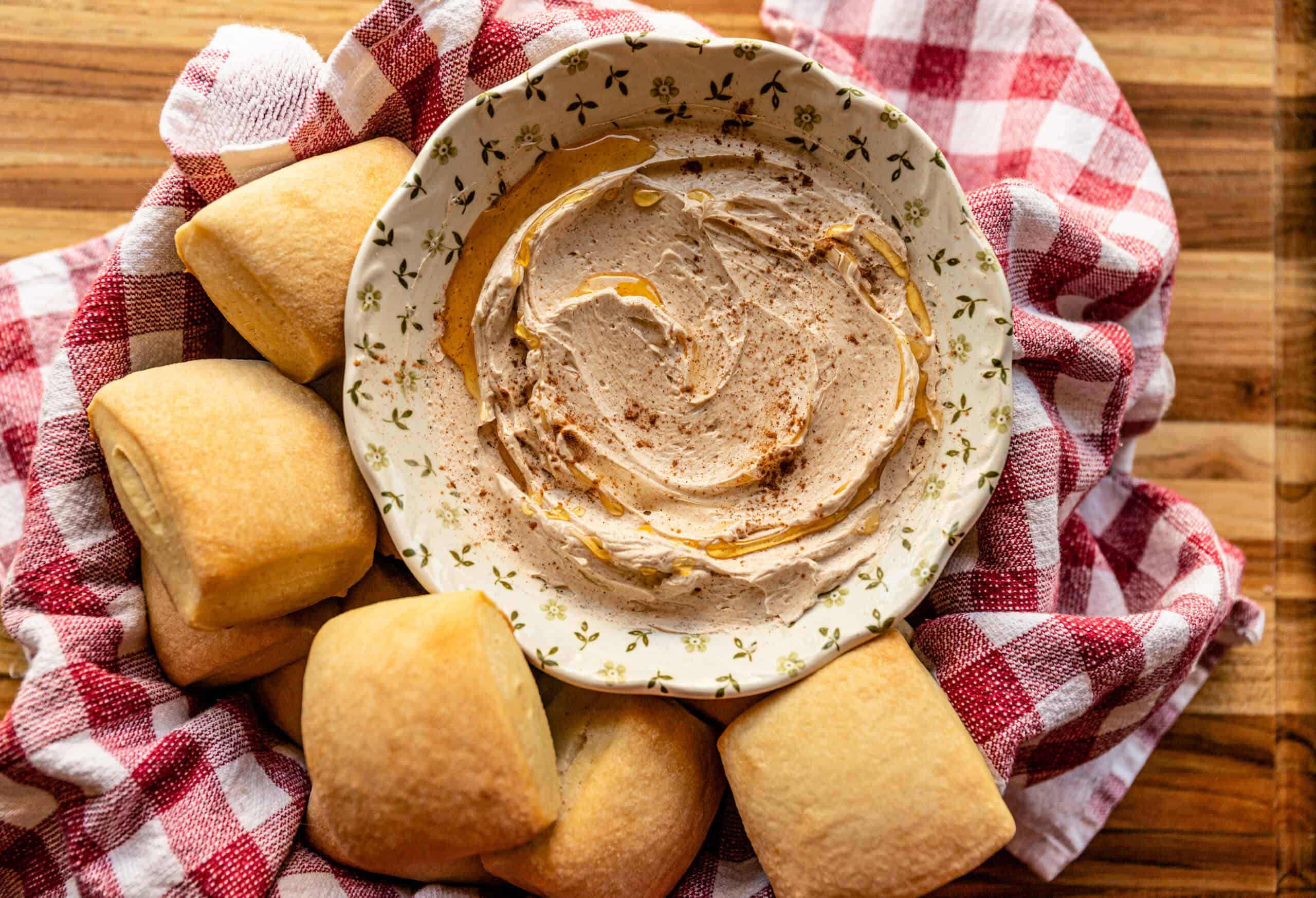
Honey butter has long been a foundational element in American comfort food, particularly within the Texas culinary landscape. Its widespread popularity is often linked to the "Texas Roadhouse" model, a restaurant chain that popularized the practice of serving warm, yeast-based dinner rolls alongside a sweetened, whipped cinnamon-honey butter. This specific iteration has transcended its restaurant origins to become a standard home-kitchen staple. Culturally, the act of "honey-buttering"—a term that has gained traction in social culinary circles—represents a bridge between traditional baking and contemporary convenience, emphasizing flavor elevation through basic, high-quality ingredients.
Scientific Principles of Emulsification
From a technical standpoint, the transition from standard butter to whipped honey butter relies on the principles of aeration. Standard room-temperature butter is a semi-solid fat. When subjected to mechanical agitation via a stand or hand mixer, the fat molecules trap air, increasing the volume of the product and altering its density.
The addition of honey, a viscous, invert sugar, provides both sweetness and a distinct chemical interaction with the fat. Unlike granulated sugar, which can create a gritty texture if not properly dissolved, honey integrates seamlessly with the butter’s lipid structure. The incorporation of a small amount of salt acts as a flavor potentiator, balancing the high fructose and glucose content of the honey against the natural richness of the butterfat. For those aiming to replicate the commercial, restaurant-style aesthetic, the inclusion of powdered sugar—which contains a small amount of cornstarch—serves to stabilize the mixture, preventing the honey from separating during storage.
Standardized Preparation and Methodology
Professional culinary guidelines for preparing this condiment emphasize the importance of temperature control. Butter must be tempered to approximately 65°F to 68°F (18°C to 20°C). If the butter is too cold, it will not aerate; if it is too warm or near its melting point, the air bubbles will collapse, resulting in a greasy, unstable product.

The standard industry ratio for a balanced flavor profile is one part unsalted butter to one part honey by volume. The process follows a specific chronological order:
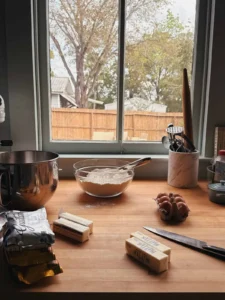
- Tempering: Remove butter from refrigeration 30 to 45 minutes prior to mixing.
- Initial Aeration: Beat the butter on medium-high speed for two minutes until it reaches a pale, whipped consistency.
- Integration: Gradually introduce the honey while continuing to mix, ensuring the sides of the bowl are scraped to maintain homogeneity.
- Stabilization: Add a pinch of sea salt to balance the sweetness.
- Refinement: If preparing a cinnamon variant, introduce one teaspoon of ground cinnamon and one-quarter cup of sifted powdered sugar per stick of butter, whisking until the color is uniform.
Data on Holiday Logistics and Efficiency
According to logistical data regarding Thanksgiving meal preparation, oven space is the primary bottleneck for home cooks. Research indicates that up to 70% of households preparing a full traditional Thanksgiving dinner experience "oven capacity stress" during the final two hours of preparation. Whipped honey butter offers a logistical advantage because it is a shelf-stable, refrigerator-compatible item that can be prepared up to seven days in advance.
By removing this task from the "day-of" timeline, cooks reduce the risk of service delays. Furthermore, storing the butter in airtight containers with a layer of plastic wrap pressed directly against the surface prevents the oxidation of fats and the absorption of refrigerator odors, preserving the integrity of the dairy for up to two weeks when properly chilled.

Broader Economic and Nutritional Implications
The resurgence of homemade spreads like honey butter highlights a broader shift in consumer behavior toward "accessible luxury." In an era where artisanal food prices have risen, the ability to produce a restaurant-quality item at home for a fraction of the cost—primarily using household staples—has become a significant point of interest.
From a nutritional perspective, while butter and honey are calorie-dense, their use as a condiment in the context of a holiday meal is generally viewed through the lens of portion control. Nutritionists note that using high-quality, unsalted butter allows the host to control the sodium content, which is often a concern during holiday meals where many other dishes are high in salt. By choosing raw or locally sourced honey, consumers also gain access to trace amounts of antioxidants and enzymes, though these should not be considered primary nutritional drivers.
Strategic Serving and Storage Recommendations
Culinary experts suggest that the presentation of the butter is as critical as its preparation. For large gatherings, dividing the product into multiple smaller ramekins—placed at opposite ends of the dining table—improves the flow of service and ensures that guests can access the condiment without disrupting the meal.

When transitioning the butter from the refrigerator to the dining table, it is essential to allow for a 30-minute tempering period. This restores the spreadable consistency that characterizes the "whipped" texture. If the butter remains too dense, a quick, 30-second whisking with a fork immediately before service can re-introduce the necessary air pockets.
Future Trends in Holiday Culinary Prep
As food technology and home cooking trends continue to evolve, the focus on "make-ahead" components is likely to expand. The success of the whipped honey butter model suggests that home cooks are increasingly prioritizing recipes that offer maximum flavor return on minimal labor investment. This approach allows for a more relaxed hosting experience, effectively shifting the focus from labor-intensive preparation to the social aspects of the holiday.
As of the 2026 holiday season, the emphasis remains on efficiency. With the proliferation of social media-driven culinary tutorials, the "Texas Roadhouse style" cinnamon butter has become a permanent fixture in the American Thanksgiving canon. Its reliability as a menu item, combined with its high satisfaction rating among guests, ensures that it will remain a cornerstone of holiday side dishes for the foreseeable future.

By standardizing these simple, time-tested methods, households can maintain a high standard of dining quality while navigating the complexities of large-scale holiday hosting. The combination of chemistry, strategic planning, and simple ingredients continues to prove that even in a complex culinary environment, simplicity remains the most effective tool for a successful event.