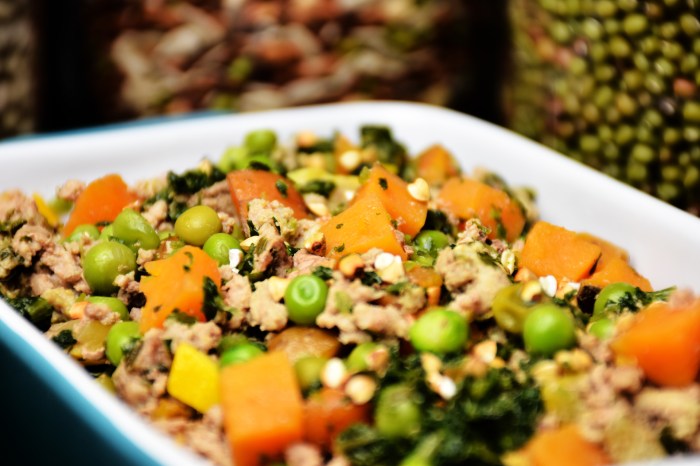
Homemade Dog Food with Beef: A Nutritious Guide
Homemade dog food with beef can be a delicious and nutritious option for your furry friend. Beyond the convenience of commercial dog food, homemade recipes allow you to control the ingredients, ensuring your dog gets the best possible nutrition.
This approach can be particularly beneficial for dogs with specific dietary needs or allergies, as you can tailor the recipe to their individual requirements. From understanding the benefits of beef to mastering cooking techniques and incorporating vegetables, this guide will provide you with the knowledge and tools to confidently prepare homemade dog food for your beloved companion.
Whether you’re a seasoned dog owner or just starting your journey with a new puppy, this guide will walk you through the process of creating homemade dog food with beef, from selecting the right ingredients to ensuring your dog’s safety and health.
We’ll explore the nutritional advantages of beef for dogs, delve into recipe considerations, and provide tips for transitioning your dog to a homemade diet. Get ready to discover the joy of providing your dog with homemade meals that are both healthy and flavorful!
Benefits of Homemade Dog Food with Beef
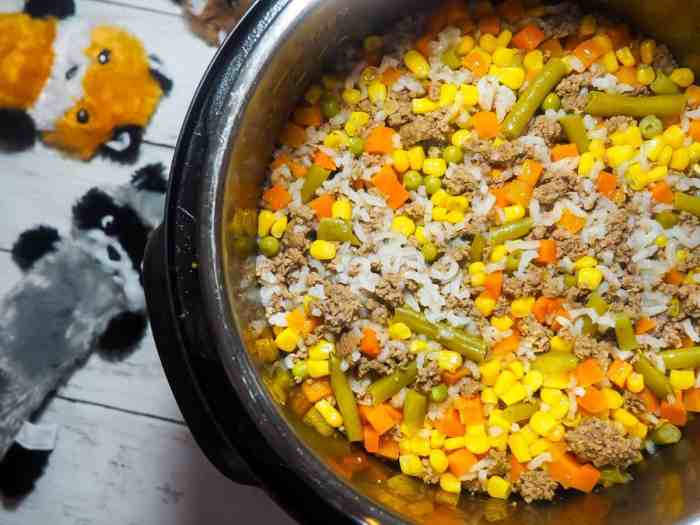
Homemade dog food with beef offers a range of nutritional benefits for your furry companion. By preparing your dog’s meals at home, you gain control over the ingredients and ensure they receive a balanced and wholesome diet tailored to their individual needs.
Nutritional Advantages of Beef for Dogs
Beef is a highly nutritious meat that provides essential nutrients for dogs.
- Protein:Beef is an excellent source of high-quality protein, crucial for muscle growth, repair, and overall health. It provides essential amino acids that dogs cannot produce themselves.
- Iron:Beef is rich in iron, which is essential for carrying oxygen throughout the body, supporting energy production, and maintaining healthy red blood cells.
- Zinc:Beef contains zinc, a mineral vital for immune function, wound healing, and skin health.
- Vitamin B12:Beef is a good source of vitamin B12, which plays a crucial role in nerve function, energy production, and cell growth.
- Other Nutrients:Beef also provides other essential nutrients like niacin, riboflavin, and phosphorus, contributing to overall well-being.
Addressing Specific Dietary Needs
Homemade dog food allows you to customize meals to address specific dietary needs. This is particularly beneficial for dogs with allergies, sensitivities, or digestive issues.
Homemade dog food with beef is a great way to ensure your furry friend gets the best nutrition, and I love adding fresh, healthy ingredients like vegetables and fruits. Speaking of fruits, I recently discovered a fantastic recipe for cranberry sauce with apples that would be perfect for adding a touch of sweetness and antioxidants to my dog’s food.
While I wouldn’t add the cranberry sauce directly, the recipe inspired me to incorporate more apples into my dog’s meals, which are a great source of fiber and vitamins.
- Allergies:By controlling the ingredients, you can eliminate common allergens like grains, dairy, or poultry, preventing allergic reactions and improving your dog’s health.
- Sensitivities:Homemade food can help manage sensitivities to certain ingredients, allowing you to identify triggers and adjust the diet accordingly.
- Digestive Issues:For dogs with digestive problems, homemade food with easily digestible ingredients like lean beef can aid in better absorption and reduce digestive discomfort.
Comparison with Commercial Options
Homemade dog food offers several advantages over commercially available options.
- Ingredient Control:You have complete control over the ingredients, ensuring your dog receives high-quality, fresh, and wholesome foods.
- No Fillers or Additives:Homemade food eliminates artificial fillers, preservatives, and unnecessary additives found in some commercial dog foods.
- Tailored Nutrition:You can customize the recipe to meet your dog’s specific needs, such as weight management, age, or activity level.
Recipe Considerations for Homemade Dog Food with Beef
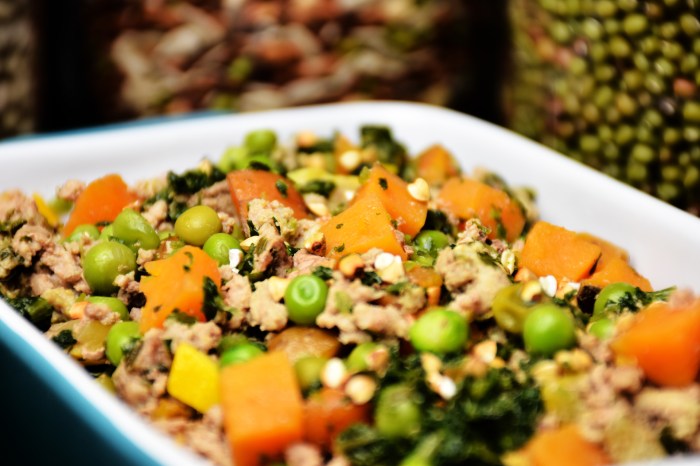
Making homemade dog food with beef can be a rewarding experience, allowing you to control the ingredients and ensure your furry friend receives a nutritious meal. However, it’s essential to understand the recipe considerations to create a balanced and healthy diet.
Essential Ingredients and Their Roles
A balanced homemade dog food recipe should include essential ingredients that provide the necessary nutrients for your dog’s health. These ingredients include:
- Beef:As the primary protein source, beef provides essential amino acids, iron, and zinc. Choose lean ground beef for a lower fat content.
- Brown Rice:Brown rice serves as a good source of carbohydrates, providing energy for your dog. It also contains fiber, which aids digestion.
- Vegetables:Vegetables like carrots, peas, and green beans offer vitamins, minerals, and fiber. They also add variety and flavor to the food.
- Eggs:Eggs are a great source of protein, essential fatty acids, and vitamins. They can be added raw or cooked.
- Olive Oil:Olive oil provides healthy fats and omega-3 fatty acids, which are beneficial for your dog’s coat, skin, and overall health.
- Bone Broth:Bone broth adds flavor and provides essential minerals like calcium and phosphorus. It also helps with hydration.
Balancing Protein, Carbohydrates, and Fats
Maintaining the right balance of protein, carbohydrates, and fats is crucial for a complete and balanced diet.
Homemade dog food with beef is a great way to ensure your furry friend gets the best nutrition. I love experimenting with different recipes, and recently I found myself inspired by the idea of using a similar approach to my own cooking.
You know, the kind of flavor-enhancing techniques that really make a difference, like a good apple cider turkey brine. I’m thinking about incorporating some of those principles into my next batch of dog food – maybe a little bit of apple cider vinegar for extra flavor and gut health?
It’s all about making sure my pup gets the most delicious and nutritious meals possible.
A general guideline is to aim for a ratio of 30% protein, 50% carbohydrates, and 20% fat.
However, the specific needs of your dog may vary based on its age, activity level, and health condition. Consult with your veterinarian for personalized recommendations.
Beef Preparation and Cooking Techniques
Preparing beef for your dog’s homemade food involves specific steps to ensure safety and digestibility. It’s essential to choose the right cuts, handle them hygienically, and cook them thoroughly to eliminate potential pathogens.
Making homemade dog food with beef is a great way to ensure your furry friend gets the best nutrition, but sometimes you need a little treat for yourself! After a long day of prepping kibble, I find a slice of brown butter carrot sheet cake with brown butter cream cheese frosting is the perfect reward.
The rich, nutty flavor of the brown butter pairs perfectly with the sweetness of the carrots, and the cream cheese frosting adds a touch of tanginess. And, let’s be honest, who doesn’t love a good slice of cake? Once I’m satisfied, I can get back to prepping that delicious homemade dog food!
Beef Preparation
Beef preparation for homemade dog food is crucial to ensure both safety and digestibility. This involves choosing the right cuts, handling them hygienically, and preparing them appropriately.
- Choose lean cuts of beef: Lean cuts, such as sirloin, round, or chuck, are ideal for dog food as they contain less fat and are easier to digest. Avoid fatty cuts like brisket or short ribs, as they can lead to digestive issues.
- Trim visible fat: Excess fat should be trimmed off before cooking to minimize the calorie content and prevent potential digestive problems.
- Wash and sanitize: Thoroughly wash the beef under cold running water to remove any surface contaminants. Sanitize your cutting board and knives to prevent cross-contamination.
- Cut into smaller pieces: Cutting the beef into smaller pieces allows for more even cooking and easier digestion for your dog.
Cooking Beef for Dog Food
Cooking beef for dog food is essential to eliminate potential pathogens and make it easier for your dog to digest. Various methods can be used, each with its own benefits and drawbacks.
- Steaming: Steaming is a healthy and gentle cooking method that preserves nutrients and flavor. It involves cooking the beef in a steamer basket over boiling water.
- Boiling: Boiling is a simple and straightforward method that involves immersing the beef in boiling water. It’s a good option for quickly cooking larger pieces of beef.
- Slow Cooking: Slow cooking is an excellent method for tenderizing tough cuts of beef and maximizing flavor. It involves cooking the beef on low heat for several hours.
Thorough Cooking
Cooking beef thoroughly is crucial to eliminate potential pathogens like Salmonella and E. coli. The internal temperature of the beef should reach at least 160°F (71°C) to ensure safety.
It’s essential to use a meat thermometer to accurately measure the internal temperature.
Safety and Health Considerations
While homemade dog food with beef can be a nutritious and delicious option for your furry friend, it’s essential to be aware of potential safety and health concerns. Feeding raw beef can introduce risks, and individual dogs may have specific dietary needs and sensitivities.
Potential Risks of Feeding Raw Beef
Feeding raw beef to dogs can pose certain risks, including:
- Bacterial Contamination:Raw meat can harbor harmful bacteria like Salmonella, E. coli, and Listeria, which can cause illness in both dogs and humans. Thoroughly freezing the meat for several days can help reduce the risk of bacterial contamination.
- Parasites:Raw meat can also contain parasites like roundworms and tapeworms. These parasites can cause digestive issues and other health problems in dogs.
- Nutritional Deficiencies:A poorly balanced homemade diet may lack essential nutrients, leading to deficiencies. Consulting a veterinarian or a certified animal nutritionist can help ensure your dog’s nutritional needs are met.
Potential Food Allergies and Sensitivities
Some dogs may have allergies or sensitivities to certain ingredients in beef, such as:
- Beef Protein:Dogs can develop allergies to beef protein, causing symptoms like itching, skin irritation, and digestive upset.
- Beef Fat:Some dogs may have sensitivities to beef fat, which can lead to digestive problems.
- Other Ingredients:Certain ingredients commonly used in homemade dog food recipes, like onions, garlic, and grapes, can be toxic to dogs. It’s crucial to research and avoid these ingredients.
Monitoring Your Dog’s Health
Regularly monitoring your dog’s health is crucial when feeding homemade food.
- Monitor for Signs of Illness:Watch for any signs of illness, such as vomiting, diarrhea, lethargy, or changes in appetite. If you notice any of these symptoms, consult your veterinarian immediately.
- Regular Checkups:Schedule regular checkups with your veterinarian to ensure your dog’s overall health and monitor their weight.
- Record Keeping:Keep a record of your dog’s diet and any changes you make. This can help you identify any potential food sensitivities or allergies.
Homemade Dog Food with Beef
Homemade dog food with beef can be a nutritious and delicious option for your furry friend. It allows you to control the ingredients and avoid potentially harmful additives found in commercial dog food. This guide will delve into the benefits, recipes, and considerations for creating a balanced and healthy homemade dog food diet for your dog.
Benefits of Homemade Dog Food with Beef
Homemade dog food with beef offers numerous benefits, including:
- Control over Ingredients:You can select high-quality, fresh ingredients, avoiding fillers, artificial colors, flavors, and preservatives often found in commercial dog food.
- Nutritional Customization:Tailor the recipe to meet your dog’s specific dietary needs, such as allergies or sensitivities.
- Improved Digestion:Fresh, whole ingredients are easier for dogs to digest, potentially reducing digestive issues.
- Increased Energy Levels:A balanced homemade diet can provide your dog with the necessary nutrients for optimal energy and vitality.
- Enhanced Coat and Skin Health:The high-quality protein and fatty acids in beef can contribute to a healthy coat and skin.
Recipes for Homemade Dog Food with Beef
- Basic Beef and Rice Recipe:This simple recipe is a good starting point for homemade dog food. It includes ground beef, brown rice, vegetables (such as carrots, peas, or spinach), and a source of omega-3 fatty acids (such as flaxseed oil or fish oil).
- Beef and Sweet Potato Recipe:Sweet potatoes are a good source of fiber and vitamins, making them a healthy addition to homemade dog food. This recipe includes ground beef, sweet potatoes, vegetables, and a source of omega-3 fatty acids.
- Beef and Quinoa Recipe:Quinoa is a complete protein, meaning it contains all nine essential amino acids. This recipe includes ground beef, quinoa, vegetables, and a source of omega-3 fatty acids.
Recipe Considerations for Homemade Dog Food with Beef
- Balance:A balanced homemade dog food recipe should include the right proportions of protein, carbohydrates, fats, vitamins, and minerals. Consult with a veterinarian or a certified animal nutritionist to ensure your recipe meets your dog’s specific needs.
- Meat Source:Choose lean ground beef, preferably grass-fed, for a healthy and flavorful protein source.
- Vegetables:Include a variety of vegetables, such as carrots, peas, spinach, broccoli, and green beans, for added nutrients and fiber.
- Grains:Consider using brown rice, quinoa, or oats as a source of carbohydrates.
- Omega-3 Fatty Acids:Add a source of omega-3 fatty acids, such as flaxseed oil or fish oil, to support skin and coat health.
- Supplements:Depending on your dog’s individual needs, you may need to add supplements such as calcium, vitamin D, or glucosamine.
Visual Representation of a Balanced Homemade Dog Food Recipe
Imagine a pie chart divided into five sections. The largest section, representing 40-50%, is labeled “Protein” and filled with a picture of ground beef. The next section, representing 25-30%, is labeled “Carbohydrates” and filled with a picture of brown rice.
The third section, representing 10-15%, is labeled “Vegetables” and filled with a picture of assorted vegetables. The fourth section, representing 5-10%, is labeled “Fats” and filled with a picture of flaxseed oil. The final section, representing 5%, is labeled “Supplements” and filled with a picture of a multivitamin capsule.
Transitioning Your Dog to Homemade Food
- Start Gradually:Begin by mixing a small amount of homemade food with your dog’s current food, gradually increasing the proportion of homemade food over a few days.
- Monitor for Changes:Pay attention to your dog’s stool consistency, appetite, and energy levels. If you notice any adverse effects, consult with your veterinarian.
- Provide Fresh Water:Ensure your dog has access to fresh water at all times, especially when transitioning to a new diet.
- Patience and Consistency:Be patient and consistent with the transition process. It may take some time for your dog to adjust to a new diet.