Mastering the Art of Restraint: Chef Will Bee on Redefining Italian Dining at London’s Rosina

The contemporary culinary landscape is saturated with complexity, often mistaking avant-garde techniques and crowded plates for culinary excellence. Yet, for Chef Will Bee, leading the kitchen at Rosina near London’s Wandsworth Common, the true zenith of gastronomy lies in the exact opposite direction: absolute, uncompromising simplicity. Achieving this purity, however, is far from effortless. As Bee frequently observes, simple cooking leaves nowhere for a chef to hide, requiring flawless execution, profound respect for ingredients, and a rigorous adherence to culinary restraint.
As part of this week’s Chef of the Week spotlight, Bee reflects on a career that began in professional kitchens at the tender age of 13, his academic foundations in Culinary Arts Management, and the philosophical evolution that has shaped Rosina into one of South London’s most intriguing new neighborhood Italian establishments. Through an exploration of regional Italian traditions, the elevated treatment of overlooked ingredients, and practical advice for home cooks, Bee offers a masterclass in modern restaurant leadership.
From Kitchen Prodigy to Culinary Management: The Formative Years
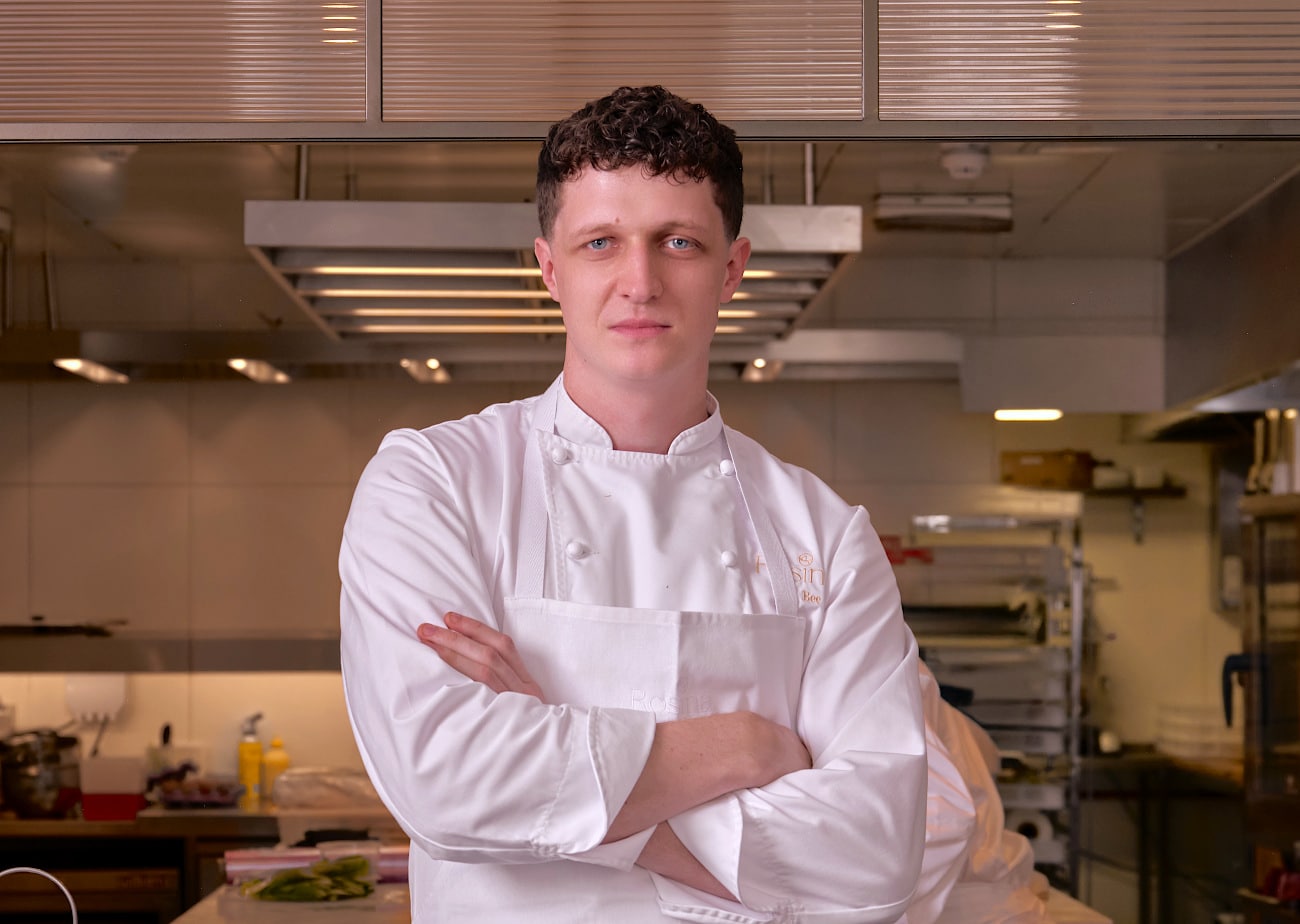
Will Bee’s journey into professional gastronomy is characterized by an exceptionally early start. Entering the high-pressure environment of a commercial kitchen at just 13 years old, he bypassed the traditional adolescent trajectory, immersing himself instead in the rigorous cadence of the brigade system. This early exposure instilled a deep-seated appreciation for kitchen camaraderie and the visceral impact of passionate mentorship.
Rather than relying solely on practical, on-the-job training, Bee chose to formalize his education by studying Culinary Arts Management at university. This dual approach—combining the tactical, boots-on-the-ground reality of service with strategic management theory—equipped him with a holistic view of the hospitality sector. He gained fluency not only in flavor profiles and technical execution, but also in the delicate mechanics of team leadership, kitchen economics, and operational culture.
Bee’s resume reads like a roadmap of modern British dining excellence. His career path has wound through some of the country’s most respected kitchens, including Paul Ainsworth at No. 6 in Padstow—an establishment celebrated for its Cornish provenance and Michelin-starred precision—and Lita in London. Each stop imparted distinct lessons regarding produce sourcing, guest hospitality, and kitchen philosophy. Most importantly, these diverse environments taught Bee that no singular formula guarantees a successful restaurant. Instead, a venue’s identity must be continually reinforced by its team culture, unwavering standards, and the overall guest experience.
The Vision for Rosina: Bridging Ambition and Neighborhood Hospitality
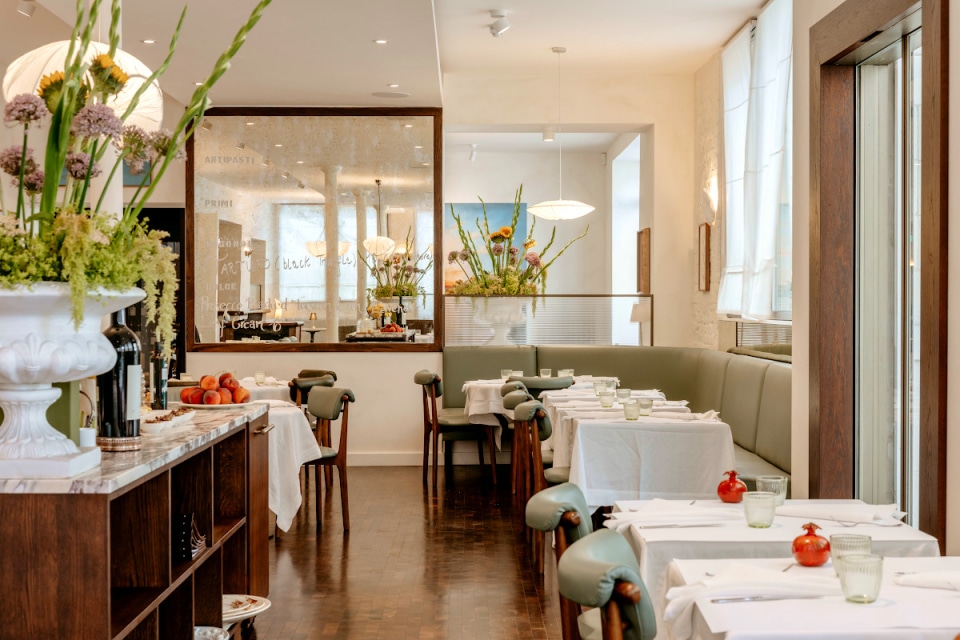
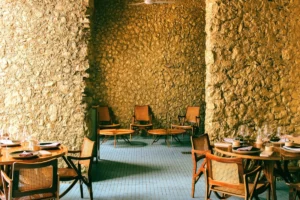
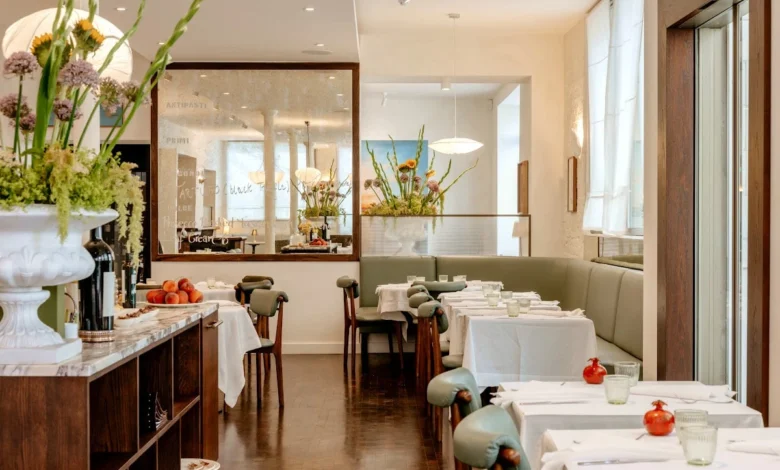
Located at 35 Bellevue Road, Rosina was conceived with a clear yet evolving mission: to establish an Italian neighborhood restaurant that strips away intimidation while elevating culinary ambition. According to Bee, the original vision for the restaurant has organically outgrown its initial parameters.
The core objective was to craft a space where local residents near Wandsworth Common could feel entirely comfortable dropping in for a simple plate of fresh pasta and a glass of wine, while simultaneously offering adventurous diners a compelling reason to explore unfamiliar flavors. Rosina bridges this gap by marrying exceptional produce, highly skilled culinary techniques, and genuine, unpretentious hospitality.
Rather than anchoring its identity to a single Italian region, Rosina draws inspiration from across the entire peninsula. This broad geographic canvas allows the kitchen to adapt fluidly to the changing seasons, ensuring the menu maintains a natural rhythm and vitality. From the rich, butter-and-rice-driven traditions of Northern Italy to the vegetable- and seafood-centric ethos of the South, Bee and his brigade study how climate, history, and landscape have shaped regional Italian gastronomy over centuries.
The Deceptive Challenge of Simplicity
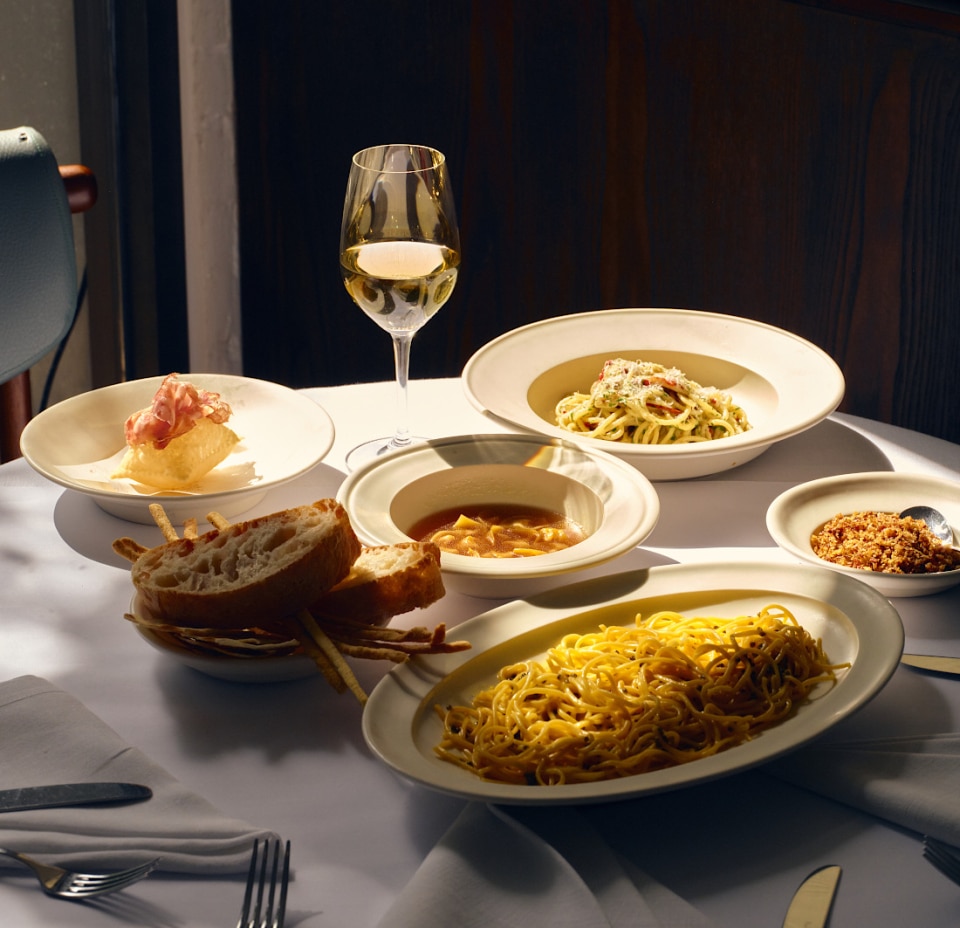
One of the defining tenets of Bee’s culinary philosophy at Rosina is the pursuit of simplicity—a goal he describes as deceptively difficult to maintain. Over the course of a chef’s career, the natural inclination is often to accumulate knowledge, master intricate techniques, and layer complex flavor combinations onto a single plate.
The true test of maturity, Bee notes, is knowing what to leave off the plate. When a dish features only a handful of components, every single element must rigorously justify its presence. There are no elaborate sauces or ornamental garnishes to mask a minor flaw. Seasonality, temperature, texture, timing, and the baseline quality of the produce are thrust into sharp relief.
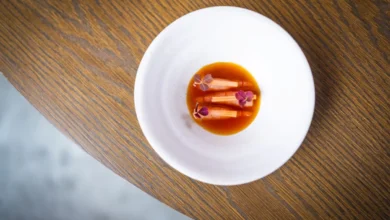
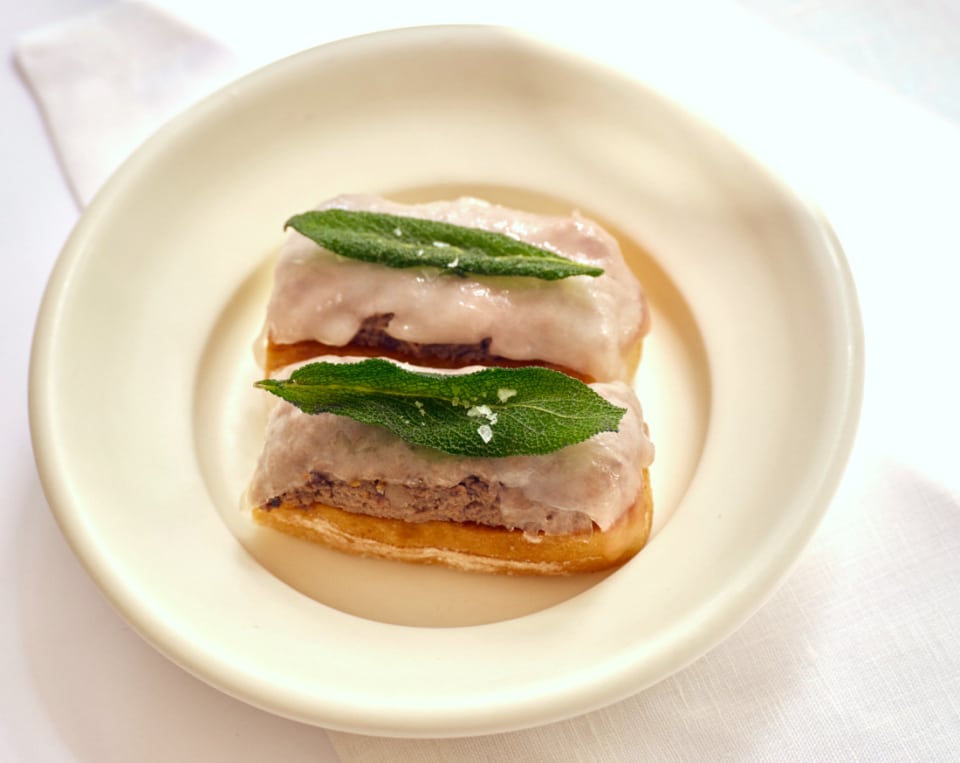
This philosophy is vividly demonstrated on Rosina’s menu through dishes that challenge conventional London dining expectations. Eschewing pedestrian crowd-pleasers in favor of historical authenticity, Bee proudly champions offal, secondary cuts, and less fashionable ingredients. Diners willing to explore the menu will encounter rabbit liver bruschetta, veal tongue paired with traditional mostarda, and rabbit Milanese. These offerings are not designed to shock or provoke for the sake of novelty; rather, they demonstrate the profound depth of flavor achievable when overlooked ingredients are treated with the exact same reverence afforded to premium cuts of meat.
Anatomy of an Ideal Meal at Rosina
For first-time visitors navigating Rosina’s dynamic menu, Bee advises stepping outside the conventional three-course framework in favor of a progressive, sharing-style feast.
An ideal gastronomic journey begins with savory small plates: rabbit livers on bruschetta paired with gnocco fritto, followed by crispy fried sardines and classic vitello tonnato. For the intermediate course, bypassing the risotto is nearly impossible, though Bee reserves a particular fondness for the pumpkin agnolotti. The main course highlights the kitchen’s technical prowess with the rabbit Milanese. Naturally, the meal concludes with a generous scoop of house-made tiramisu accompanied by a double espresso.
Broader Implications for Home Cooks and the London Dining Scene
Bee’s insights extend far beyond the professional pass at Rosina, offering valuable lessons for domestic kitchens. When asked what single technique makes the most profound difference in home-cooked Italian fare, Bee points directly to sensory awareness and structural balance. Home cooks frequently obsess over exotic ingredients or rigid recipes, whereas true mastery lies in understanding how to harmonize salt, acidity, fat, and texture. He urges home cooks to taste continuously as they build a dish, adjust seasoning dynamically, and listen to the physical cues of the kitchen—the sizzle of the pan, the shifting viscosity of a reduction, and the aromatic evolution of combining flavors.
Furthermore, Bee advocates for a strategic investment in pantry staples, highlighting high-quality extra virgin olive oil as a transformative element. He recommends maintaining two distinct oils: one designated for cooking and another reserved exclusively for finishing dishes. A clean, balanced finishing oil sourced from a small harvest can completely elevate even the most rudimentary meal.
As Rosina continues to cement its reputation as a cornerstone of the Wandsworth Common dining community, Will Bee remains focused on the future. His ambition is to continually push the boundaries of regional Italian discovery without ever compromising the welcoming, neighborhood-centric ethos that defines the restaurant. By maintaining an unwavering commitment to exceptional produce, thoughtful technique, and genuine hospitality, Rosina stands as a testament to the enduring power of culinary restraint in a noisy modern world.