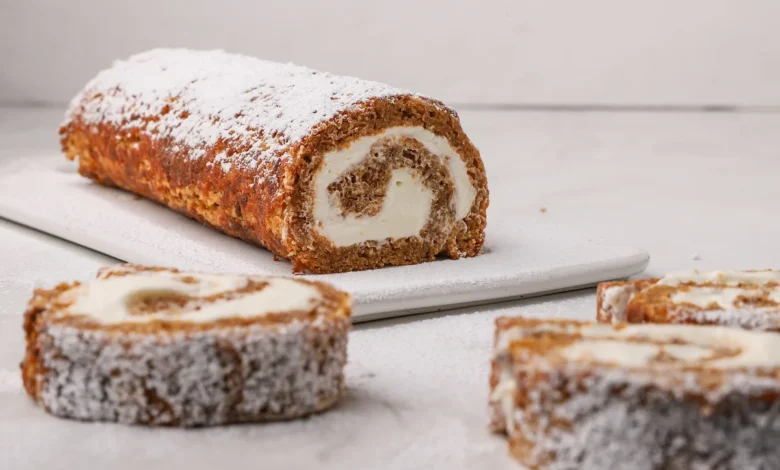
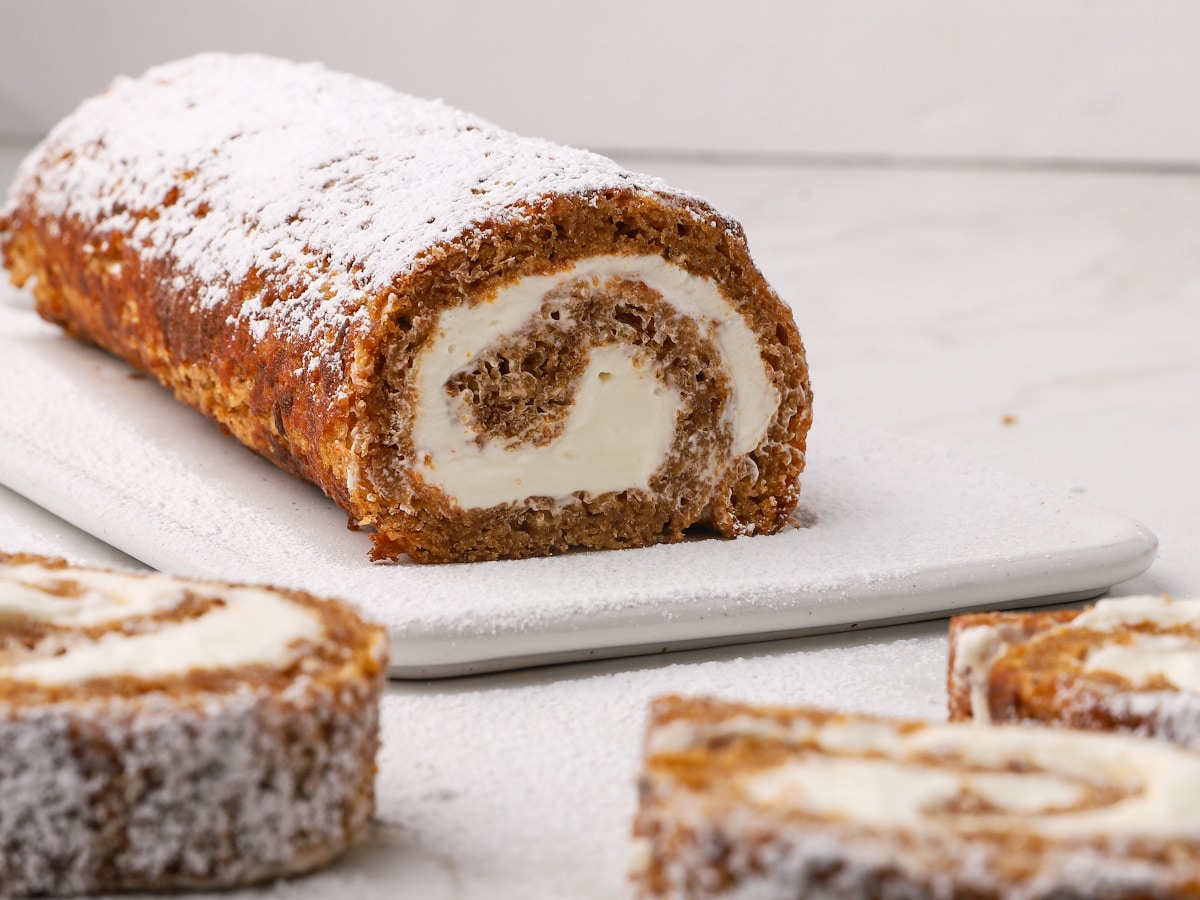
The culinary world continues to embrace seasonal baking trends, with renowned celebrity chef Giorgos Tsoulis releasing a distinctive recipe for a Pumpkin Swiss Roll with Mascarpone Cream. Designed to capture the quintessential flavors of autumn, the dessert marries the earthy, roasted sweetness of pumpkin with a robust blend of warming spices, encased in a delicate sponge and finished with a rich mascarpone filling. As consumer interest in specialty seasonal desserts rises significantly during the final quarter of the year, this recipe highlights a growing culinary preference for balanced sweetness, textural contrast, and sophisticated presentation in home baking.
Background and Culinary Context
The tradition of incorporating pumpkin into baked goods dates back centuries, evolving from early American colonial iterations of pumpkin puddings and pies into modern patisserie applications. While the classic North American pumpkin pie remains a holiday staple, European-influenced pastry techniques have increasingly reinterpreted traditional autumn ingredients.
Chef Giorgos Tsoulis, widely recognized for his contributions to modern Mediterranean cuisine and his role as a sustainable cuisine ambassador for WWF Hellas, brings a unique perspective to this seasonal classic. Known for his advocacy of mindful ingredient utilization and health-conscious eating habits aligned with the European #Farm2Fork and #Eat4Change programs, Tsoulis emphasizes the nutritional value and versatility of autumn squashes. Pumpkins are naturally rich in beta-carotene, essential vitamins, and dietary fiber, making them an appealing component for contemporary pastry chefs seeking to create desserts that align with modern dietary preferences without sacrificing flavor or indulgence.
The Swiss roll—historically known as a jelly roll in various parts of North America or a roulade in classical French pastry—presents distinct technical challenges. Originating in Central Europe, the sponge-based pastry requires precise timing, temperature control, and physical manipulation to achieve its signature spiral structure without cracking.
Chronology of Preparation and Execution
Creating a successful Swiss roll requires a structured timeline to ensure structural integrity and optimal texture. According to the protocol outlined by Chef Tsoulis, the entire preparation and cooling cycle requires approximately 55 minutes, broken down into distinct phases.
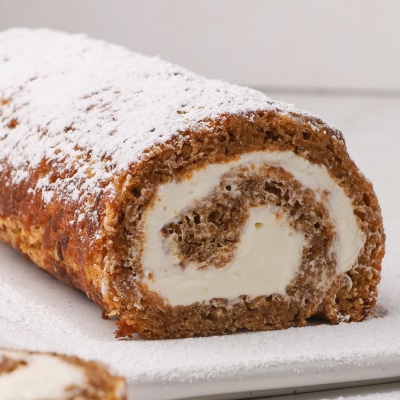
Preparation Phase (10 Minutes): The process begins with the swift assembly of the sponge batter, which integrates roasted pumpkin puree, a carefully measured blend of aromatic spices—specifically cinnamon, ginger, and nutmeg—alongside traditional baking foundations of flour, eggs, and sugar.
Baking Phase (15 Minutes): The batter is spread evenly onto a shallow baking sheet to form a thin, pliable layer. Baking times for sponge sheets are notably brief, typically requiring around 15 minutes in a moderate oven to achieve a golden exterior while retaining the internal moisture necessary for rolling.
The Critical Rolling Phase: The defining moment of the technique occurs immediately upon removing the sponge from the heat. Bakers must roll the warm sponge cake—frequently aided by a dusting of powdered sugar or a clean kitchen towel—while it retains its elasticity. Allowing the cake to cool in its rolled state "trains" the crumb structure to hold its spiral form.
Filling and Assembly: Once the sponge has cooled for approximately 30 minutes, it is gently unrolled, coated with a velvety layer of whipped mascarpone cream, and rolled back up. Mascarpone, a traditional Italian double or triple cream cheese, provides a dense yet silky alternative to standard buttercream or whipped cream. Culinary experts note that the primary operational hazard during this phase is overbeating the mascarpone, which can cause the emulsion to split and destabilize the filling.

Nutritional and Market Analysis
The introduction of mascarpone-based autumn desserts reflects broader shifts in consumer palate preferences. Market research data from specialty baking associations indicate that demand for artisanal European cheeses, such as mascarpone and ricotta, in dessert applications has experienced steady year-over-year growth. Consumers increasingly favor fillings that offer reduced cloying sweetness compared to traditional American buttercream, opting instead for the subtle tang and rich mouthfeel characteristic of Italian dairy products.
Furthermore, the integration of warming spices aligns with extensive consumer data showing heightened seasonal purchasing behaviors. Sales of baking spices—particularly cinnamon, nutmeg, and ginger—spike by over 40% between October and December annually. Food scientists attribute this consumer attraction not only to nostalgia and holiday association but also to the sensory stimulation provided by aromatic volatile compounds present in these spices.
Industry Implications and Professional Reception
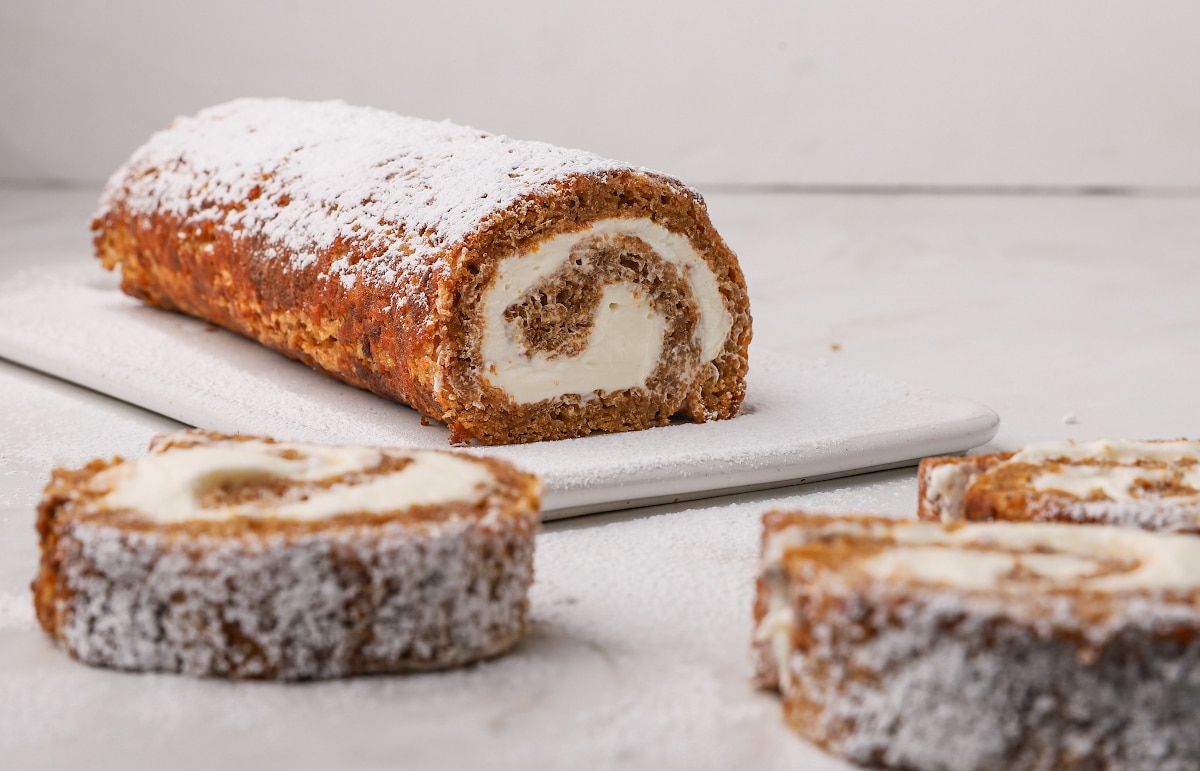
Culinary analysts view recipes like Tsoulis’s Pumpkin Swiss Roll as part of a wider movement toward accessible gourmet home baking. While elaborate pastry creations often intimidate home cooks, structured instructional frameworks and concise preparation timelines demystify advanced techniques like the roulade.
Professional bakers and culinary educators have praised the recipe for its pedagogical value. By demonstrating that complex-appearing desserts can be successfully executed in under an hour with standard kitchen equipment, the recipe bridges the gap between home-style comfort food and professional patisserie standards.
As food media consumption continues to favor video-friendly, visually striking recipes, the distinct cross-section of a spiral Swiss roll offers high visual appeal for digital platforms. This aesthetic advantage, combined with the timeless appeal of autumn flavor profiles, ensures that pumpkin and spiced mascarpone combinations will remain a cornerstone of seasonal baking menus for the foreseeable future.