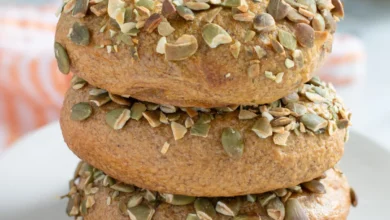
Sourdough Pumpkin Bagel Mastery: A Professional Guide to Seasonal Artisanal Baking

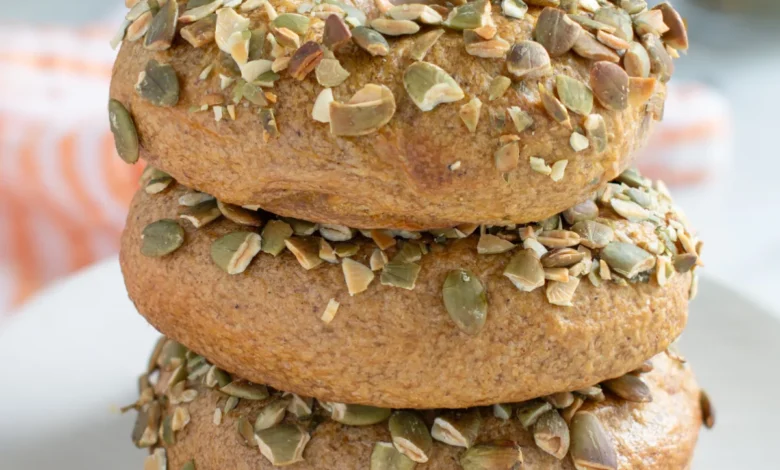
The resurgence of artisanal sourdough baking has shifted from a pandemic-era trend to a permanent fixture in the culinary landscape, with recent developments focusing on the integration of seasonal produce into traditional fermentation methods. Among the latest innovations in home and professional kitchens is the sourdough pumpkin bagel—a refined iteration of the classic New York-style bagel that leverages the complex acidity of wild yeast to balance the earthy sweetness of winter squash. Unlike commercial-yeast counterparts, which rely on rapid chemical leavening, this method utilizes a two-day fermentation process, resulting in a product with a superior crumb structure, enhanced digestibility, and a depth of flavor characterized by subtle lactic acid notes rather than the one-dimensional profile of industrial bread.
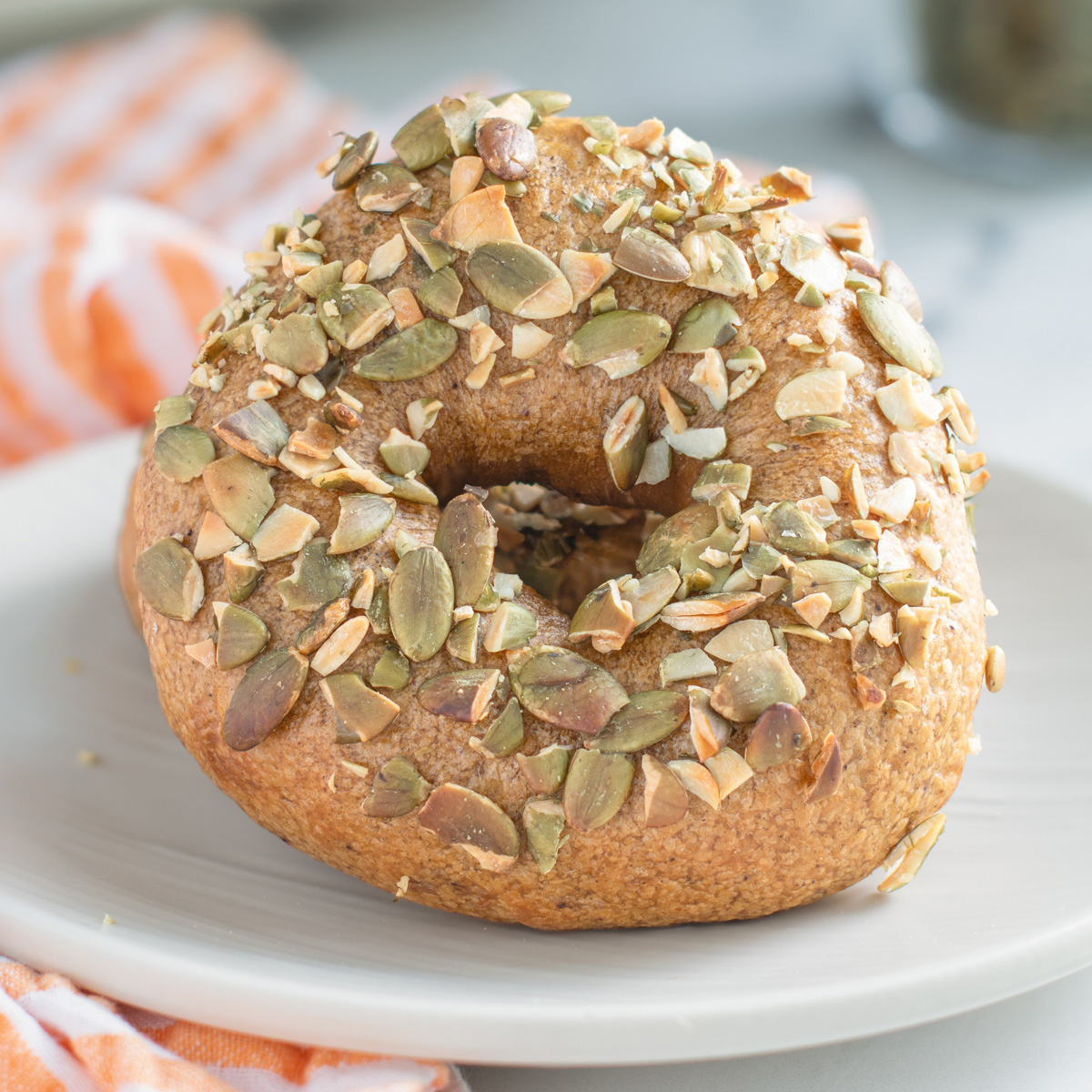
The Science of Fermentation and Enrichment
The shift toward sourdough-based bagels represents a departure from high-speed production. Traditional bagel manufacturing in the United States has historically relied on commercial active dry yeast to achieve the characteristic "chew" within a few hours. However, the use of a sourdough starter introduces a natural microbial ecosystem—primarily Lactobacillus and wild Saccharomyces—which performs a prolonged enzymatic breakdown of starches and proteins.
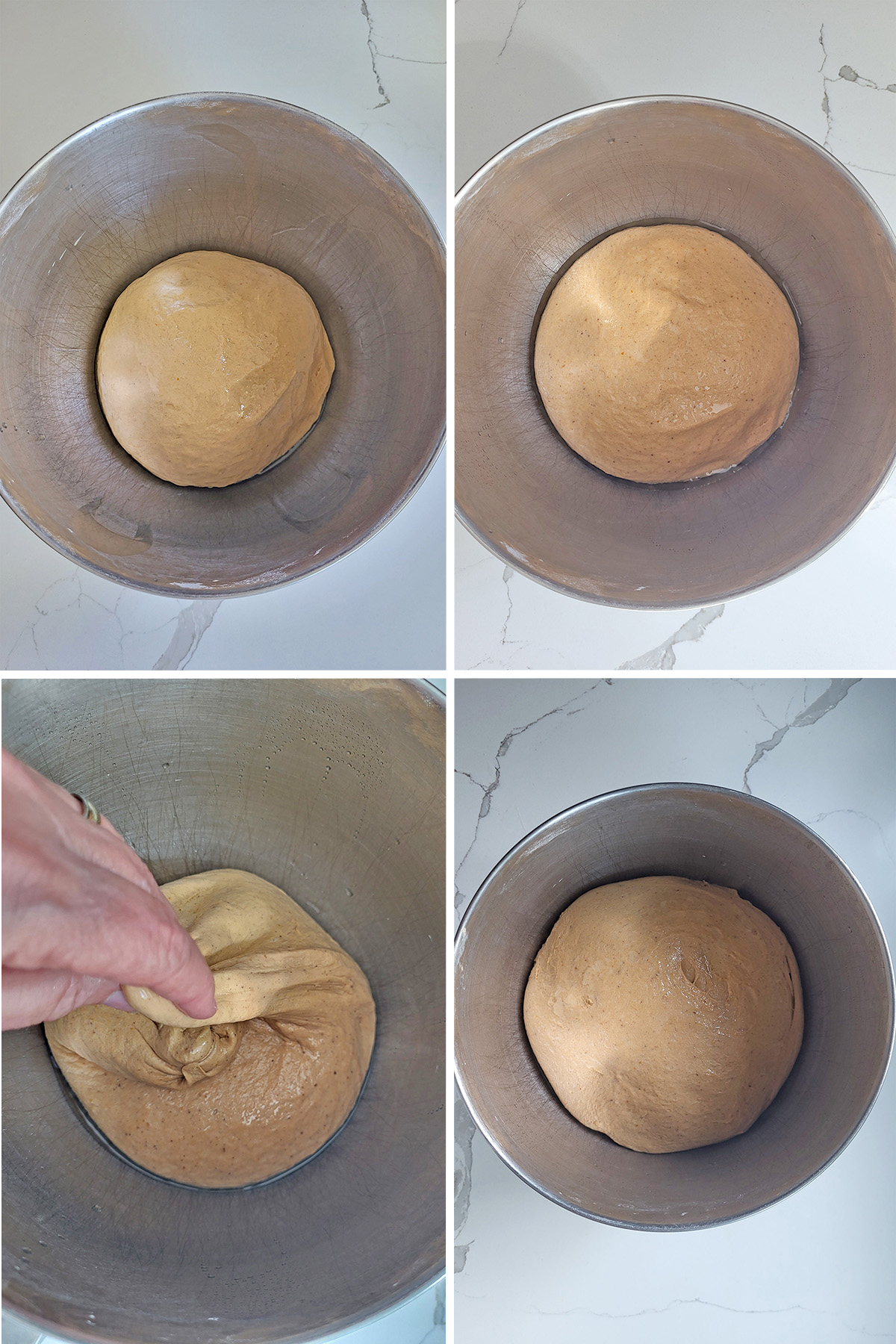
When pumpkin purée is introduced to this system, the chemical environment of the dough changes significantly. Pumpkin contains natural sugars, starches, and fiber, all of which act as both a fuel source for the yeast and a retardant to the fermentation rate. Because enriched doughs—those containing fats, sugars, or vegetable fibers—rise more slowly than lean doughs, the baker must adapt the traditional schedule. Data from professional test kitchens indicates that the inclusion of pumpkin requires approximately 15–20% more time during the bulk fermentation stage to achieve the same gas retention as a standard flour-and-water mix. The use of barley malt syrup, a traditional component in New York-style bagel recipes, serves to further catalyze this fermentation while providing the distinctive dark, glossy crust associated with authentic boiled-then-baked bagels.
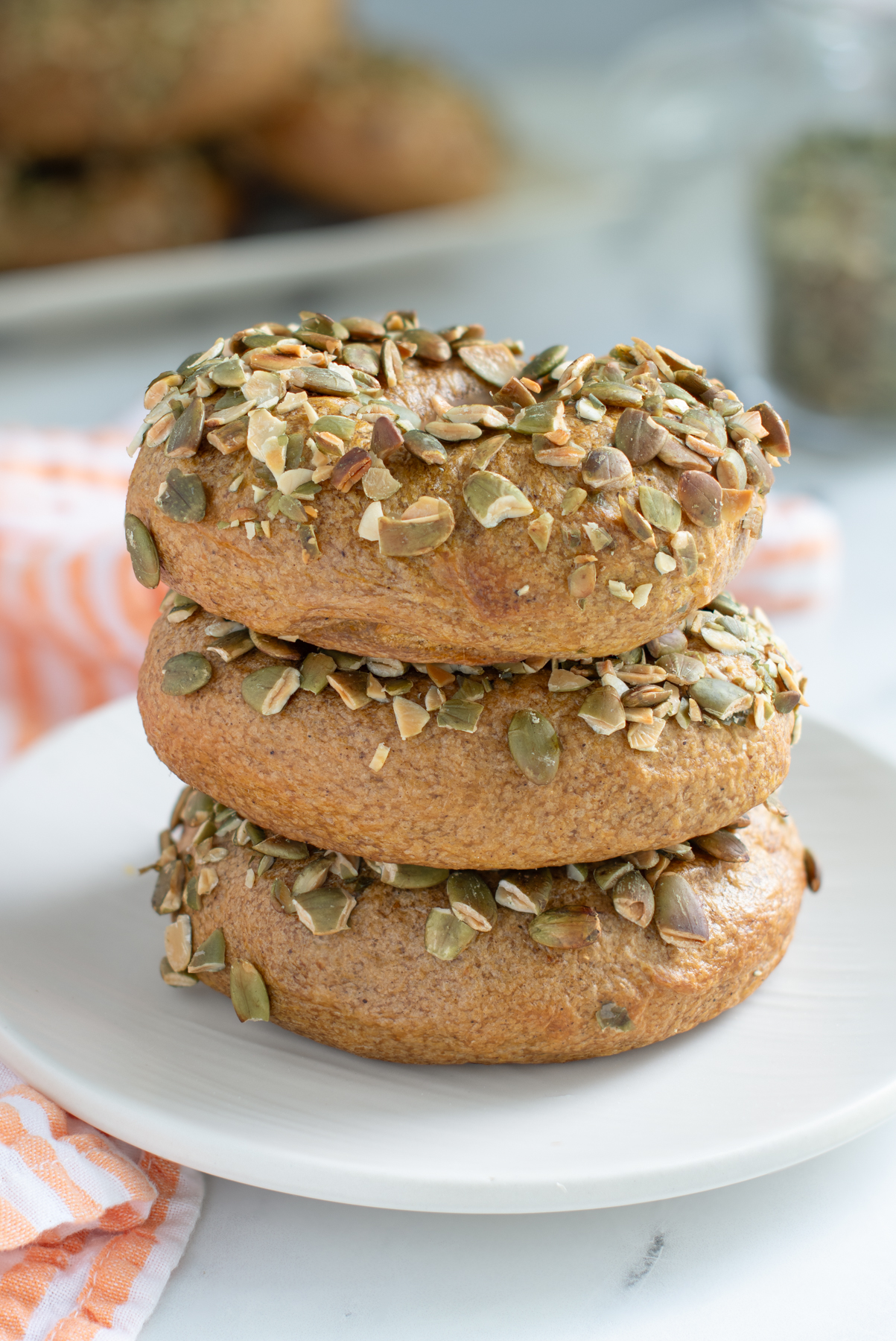
Chronology of the Two-Day Production Cycle
The production of high-quality sourdough pumpkin bagels follows a rigid, time-sensitive chronology. This structure is essential for home bakers and commercial artisanal shops alike to manage the acidity and texture of the final product.
Phase 1: Preparation and Activation (Day One)
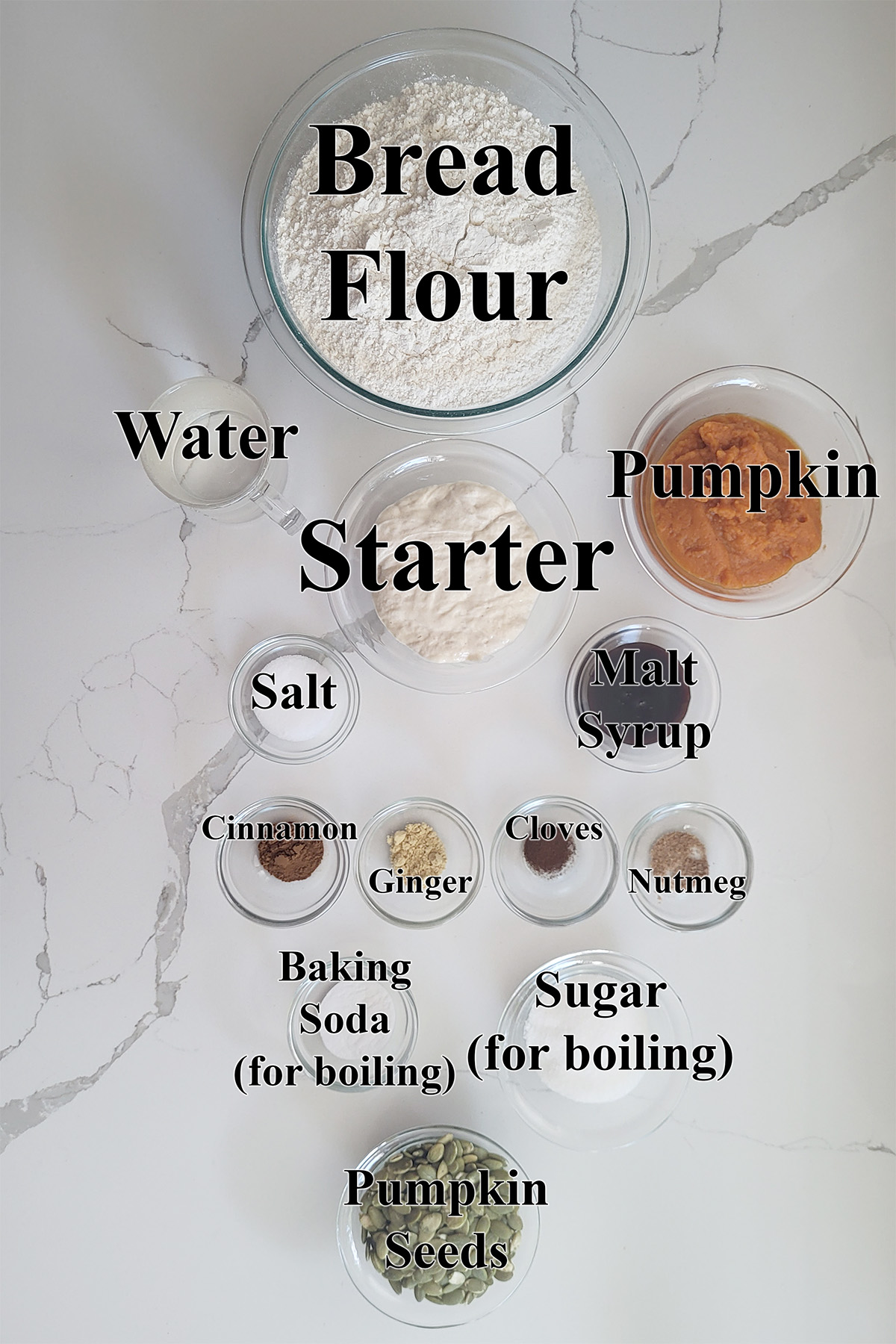
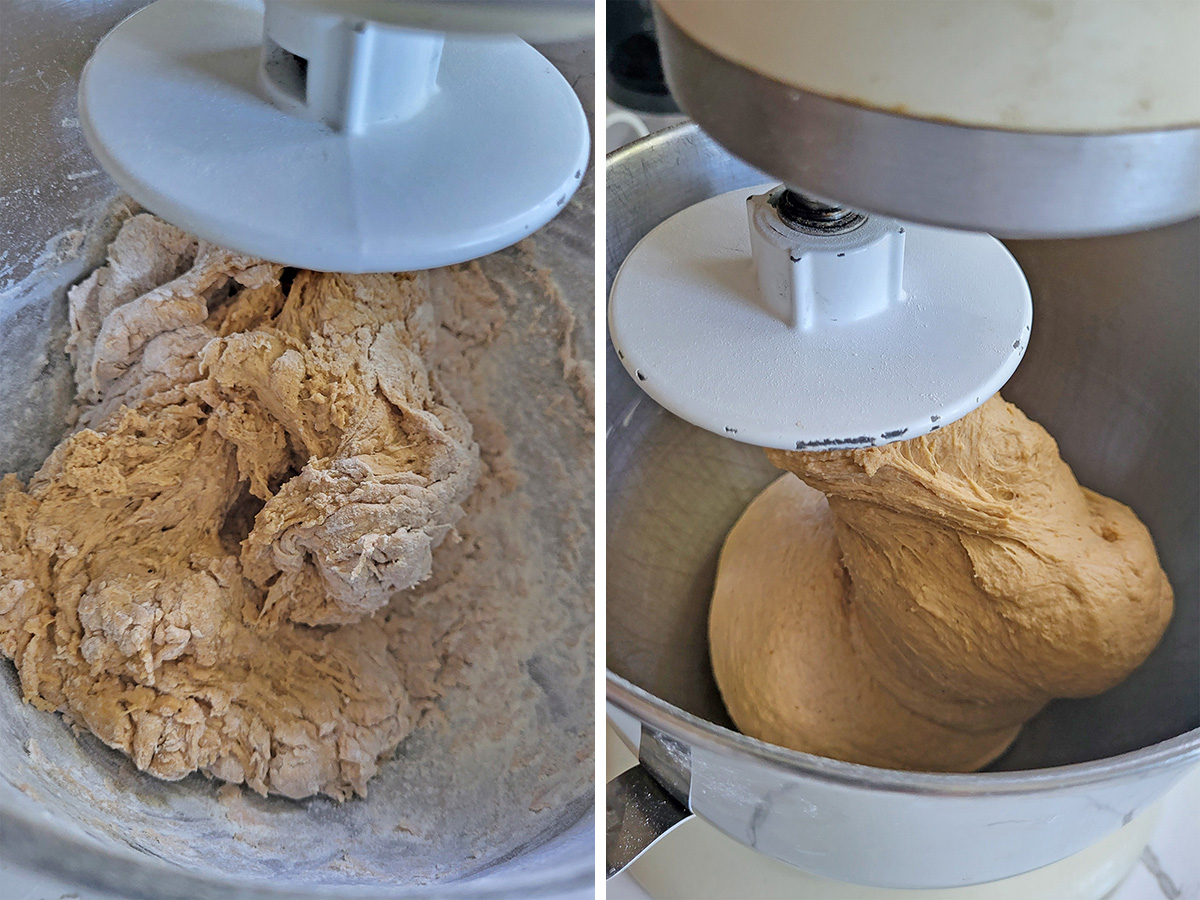
The process begins with the activation of the sourdough starter. By feeding the culture 8 to 12 hours before mixing, bakers ensure the yeast population is at peak vitality. Mixing involves the incorporation of high-protein bread flour—typically with a protein content of 12.5% to 14%—to facilitate the development of a robust gluten network capable of holding the weight of the pumpkin purée.
Phase 2: Bulk Fermentation
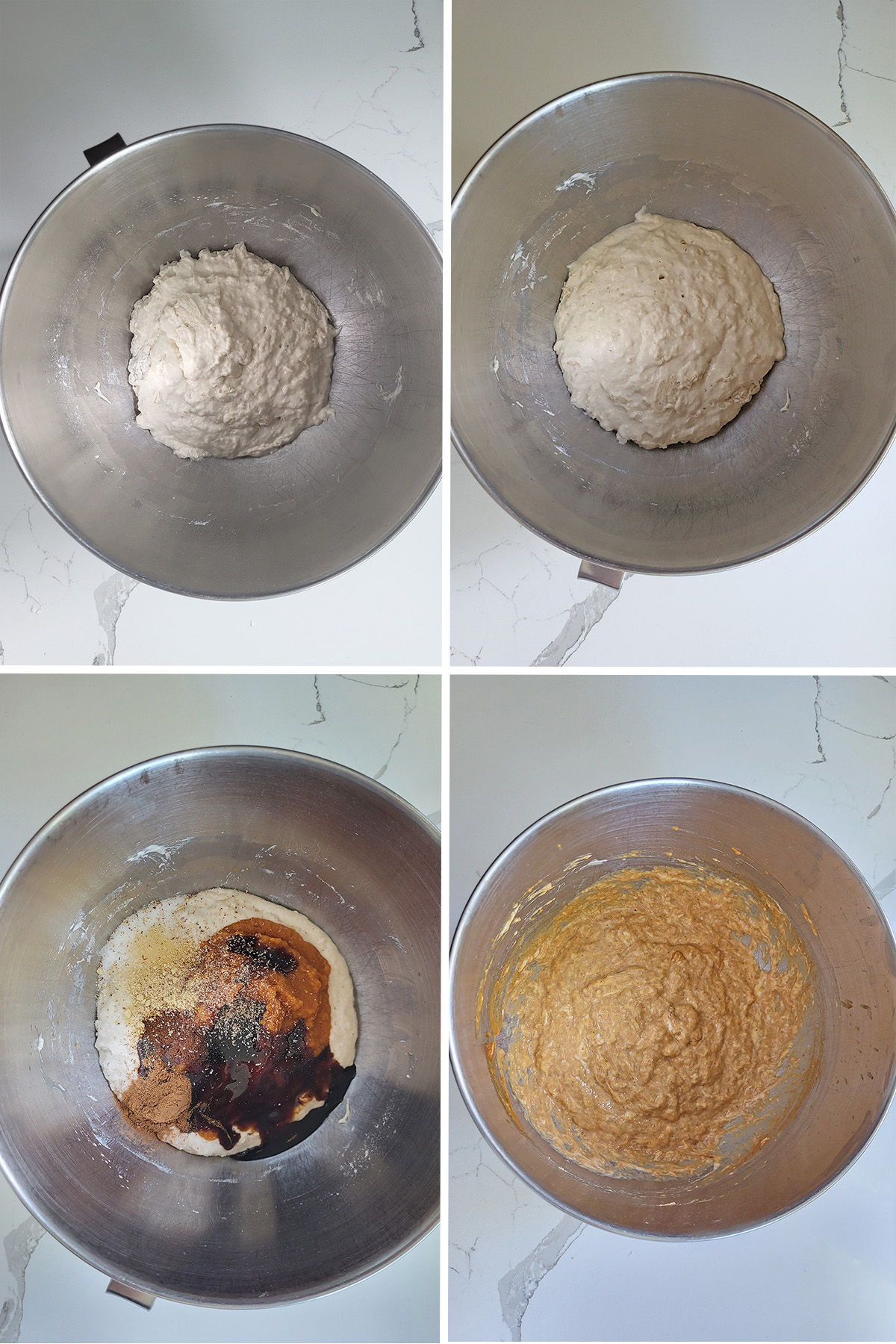
Once the dough is mixed, it undergoes bulk fermentation. During this stage, the baker performs a series of folds to strengthen the gluten. This is the period where the most significant flavor development occurs, as the wild yeast consumes the sugars in the pumpkin, producing organic acids that define the "sourdough" taste.
Phase 3: Shaping and Retardation (Day Two)
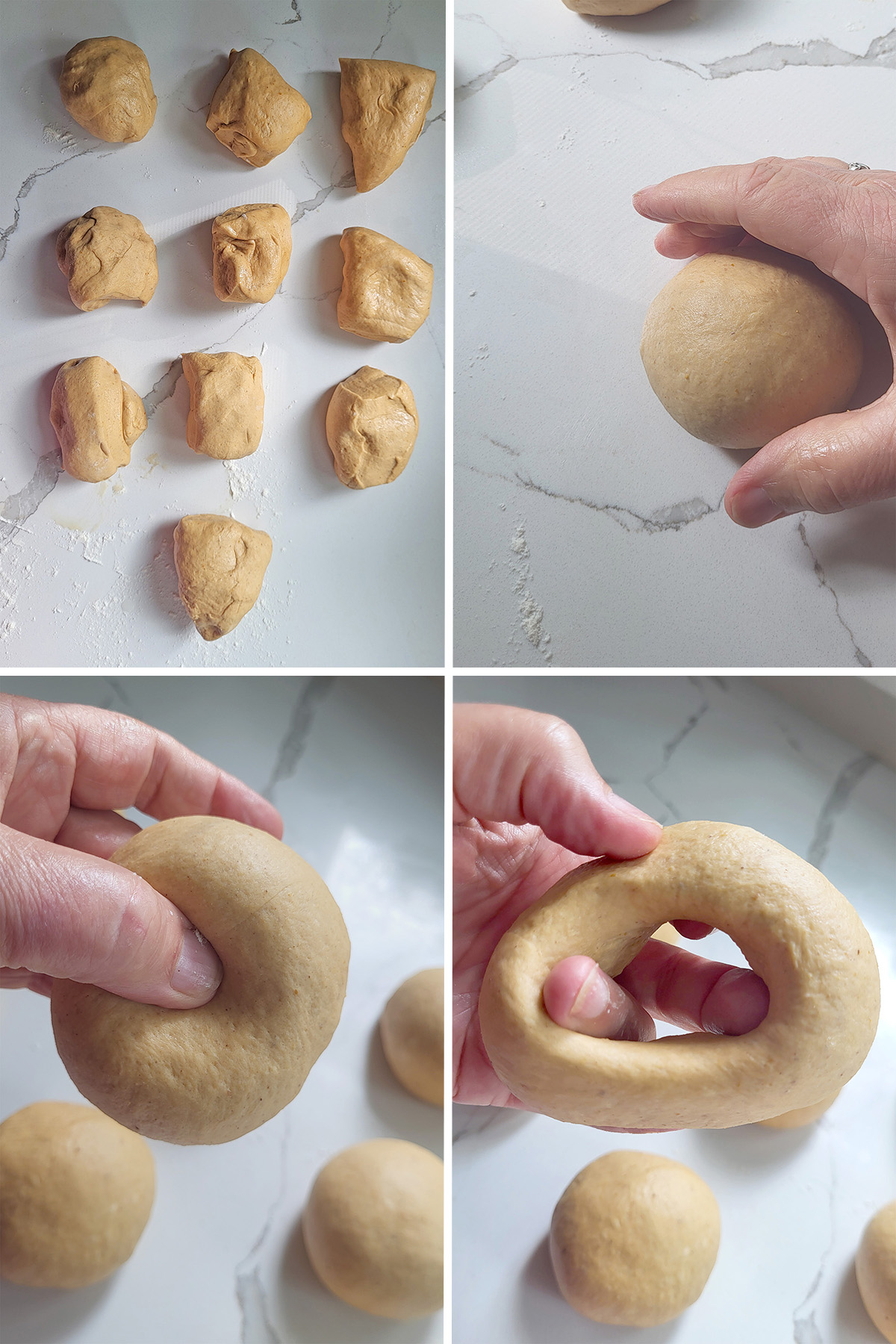
After the bulk rise, the dough is divided and shaped into the classic toroidal form. A crucial, often overlooked step is the "cold proof" or retardation in a refrigerated environment. Holding the shaped bagels at approximately 38°F to 40°F (3°C to 4°C) for several hours serves two purposes: it makes the bagels easier to handle during the boiling process, and it further extends the fermentation, which is critical for the characteristic "blistered" crust seen in high-end bakeries.
Phase 4: The Boil and Bake
The final stages are the most technically demanding. The bagels are boiled in a water bath, often enriched with barley malt syrup, for roughly 60 to 90 seconds per side. This gelatinizes the starch on the surface, creating the signature chewy exterior. They are then baked at high temperatures, typically between 425°F and 450°F (218°C to 232°C), to ensure a crisp, golden-brown finish while maintaining a soft, airy interior.
Supporting Nutritional Context
Nutritional analysis of the sourdough pumpkin bagel reveals a complex profile. A standard 100-gram serving typically contains approximately 331 kilocalories, characterized by a high carbohydrate density derived from the bread flour, balanced by 11 grams of protein. The inclusion of pumpkin provides a modest increase in dietary fiber and significant levels of Vitamin A, specifically beta-carotene, which is retained well throughout the baking process.
Unlike standard store-bought bagels, which often include preservatives like calcium propionate to extend shelf life, the sourdough process acts as a natural preservative. The organic acids produced during the long fermentation inhibit mold growth, which is why authentic sourdough products remain shelf-stable for longer periods without synthetic additives. However, the recommendation from culinary experts remains consistent: fresh consumption is optimal. For long-term storage, freezing partially sliced bagels—an industry-standard technique—allows the consumer to retain the integrity of the crust upon reheating.
Industry Implications and Market Trends
The professional shift toward "slow bread" has significant implications for both retail bakeries and the home-baking industry. As consumer awareness regarding gut health and the benefits of fermented foods increases, demand for sourdough-based products has expanded beyond the standard loaf. The pumpkin bagel serves as a "gateway" product, introducing consumers to the complexity of sourdough while maintaining the familiarity of seasonal flavors.
Experts in food science suggest that the success of these recipes in the digital space—often shared via social media and recipe-focused platforms—is driven by a desire for "prosumer" results. By adhering to strict scientific variables—such as room temperature, flour hydration percentages, and the exact pH levels of the starter—home bakers are achieving results that rival those of established commercial bakeries. This democratization of professional baking techniques has led to a measurable increase in the sales of specialized kitchen equipment, such as high-torque mixers and proofing baskets, as well as a heightened interest in the sourcing of high-quality, heirloom grains.
Expert Recommendations for Quality Control
To achieve professional-grade results, bakers are advised to pay close attention to the following variables:
- Flour Quality: Use unbleached bread flour. The higher protein content is non-negotiable for the structural integrity required to support the moisture content of the pumpkin.
- Hydration Levels: Because pumpkin purée contains varying levels of moisture depending on the brand and preparation, it is recommended to add the flour in stages.
- The Water Bath: The temperature of the water is as important as the boil time. A rolling boil ensures that the crust sets immediately upon contact, preventing the bagel from collapsing.
- Acidity Management: If the dough becomes too slack, it is an indicator that the fermentation has progressed too far, leading to a degradation of the gluten structure.
The sourdough pumpkin bagel, when executed with technical precision, represents a successful synthesis of traditional heritage techniques and modern culinary creativity. As the industry continues to prioritize transparency in ingredients and the health benefits of long-fermentation processes, these recipes will likely remain a staple for seasonal production cycles, offering a high-value, nutrient-dense alternative to the mass-produced goods that have dominated the market for decades.