Air Fryer Breaded Sea Scallops: Crispy & Delicious
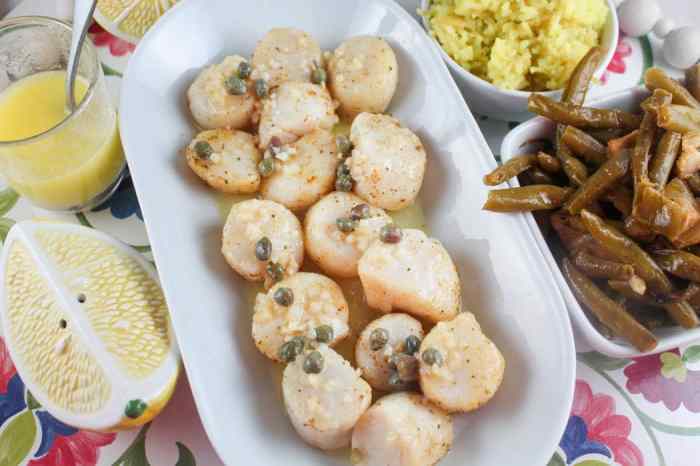
Air fryer breaded sea scallops are a game-changer for seafood lovers! This method delivers perfectly crispy, golden-brown scallops with minimal effort. Forget greasy deep-frying; the air fryer creates a delightfully light and airy texture, letting the natural sweetness of the scallops shine through.
Whether you’re a seasoned chef or a beginner in the kitchen, this recipe is easy to follow and guaranteed to impress.
We’ll dive into the essentials of air frying, selecting the right scallops, and mastering the art of breading. You’ll learn how to achieve that irresistible crunch and how to pair your scallops with mouthwatering sauces and sides. Get ready to elevate your seafood game with this simple yet extraordinary recipe!
Air Fryer Basics
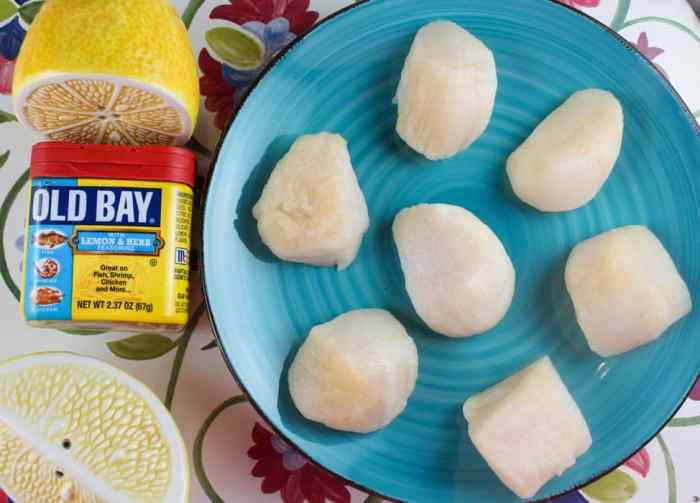
Air fryers are a kitchen staple for a reason. They can deliver crispy, golden-brown results without the need for excessive oil. For cooking sea scallops, air fryers offer a unique advantage: they allow for precise temperature control and rapid cooking, resulting in perfectly cooked scallops with a delicate texture and a flavorful crust.
Air fryer breaded sea scallops are a fantastic option for a quick and easy weeknight meal. The crispy exterior and juicy interior are a delightful combination, and the air fryer makes cooking them a breeze. For a truly Southern-inspired dinner, pair these scallops with some quick and easy hush puppies for a delicious and satisfying meal.
You can even use the same breading for both the scallops and hush puppies, saving you time and effort.
Types of Air Fryers
The type of air fryer you choose can significantly impact your cooking experience. There are two main types of air fryers:
- Basket-style air fryersare the most common type. They feature a large basket where you place your food, which then circulates hot air around it. These air fryers are generally affordable and easy to use.
- Oven-style air fryersoffer more versatility. They often have multiple settings and functions, including rotisserie, bake, and grill. They also have larger capacities, making them suitable for cooking larger quantities of food.
For cooking sea scallops, a basket-style air fryer is perfectly adequate. Its compact size and rapid heating make it ideal for small batches of scallops.
Air fryer breaded sea scallops are a quick and easy weeknight meal, but sometimes I crave something a little more decadent. That’s when I turn to a slow cooked red braised pork belly , which melts in your mouth and satisfies my soul.
But when I’m craving something lighter, I always come back to my trusty air fryer and those crispy, golden scallops.
Preheating and Temperature Control
Preheating your air fryer is crucial for achieving optimal results. Most air fryers have a preheating function, which typically takes around 3-5 minutes.
To ensure your air fryer is preheated to the correct temperature, use a kitchen thermometer to check the temperature inside the basket.
Once preheated, set the air fryer to the desired temperature, which is typically between 375°F (190°C) and 400°F (204°C) for scallops.
Choosing and Preparing Sea Scallops
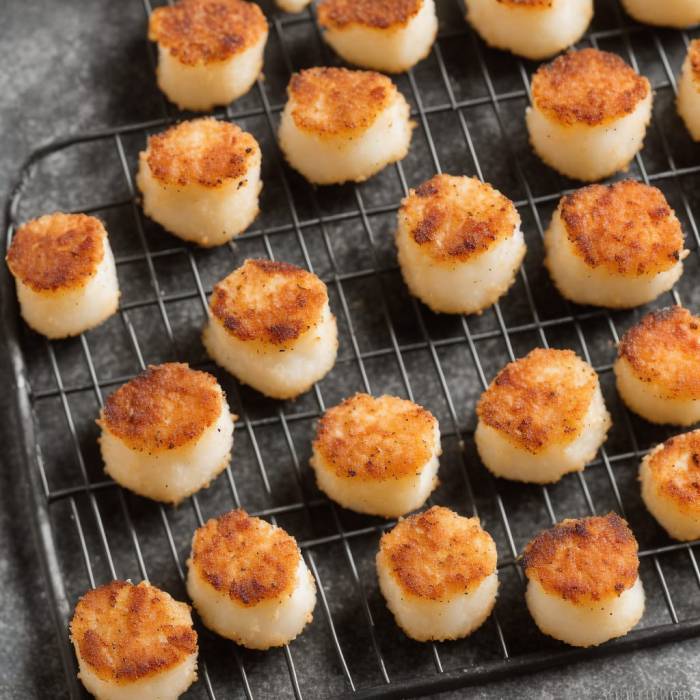
The quality of your sea scallops will significantly impact the final flavor and texture of your air-fried dish. Choosing fresh, high-quality scallops is essential for a delicious outcome.
Selecting Fresh Sea Scallops, Air fryer breaded sea scallops
Selecting fresh sea scallops is the first step in preparing them for air frying.
- Look for scallops that are firm and plump.Avoid scallops that are soft or mushy, as these may be past their prime.
- Check for a bright, slightly iridescent color.Fresh scallops have a pearly white or pale ivory color.
- Avoid scallops with a strong fishy smell.Fresh scallops should have a mild, sweet aroma.
Cleaning Sea Scallops
Cleaning sea scallops is a straightforward process that involves removing any impurities or unwanted parts.
- Rinse the scallops under cold water.This will remove any debris or grit.
- Pat the scallops dry with paper towels.This will help them crisp up nicely in the air fryer.
Removing the Muscle
The muscle, also known as the “foot” or “adductor muscle,” is a tough, rubbery part that can make the scallop chewy.
- Locate the muscle, which is a small, dark, oval-shaped piece attached to the scallop.
- Use a sharp knife or your fingers to gently remove the muscle.Discard the muscle.
Breading Techniques: Air Fryer Breaded Sea Scallops
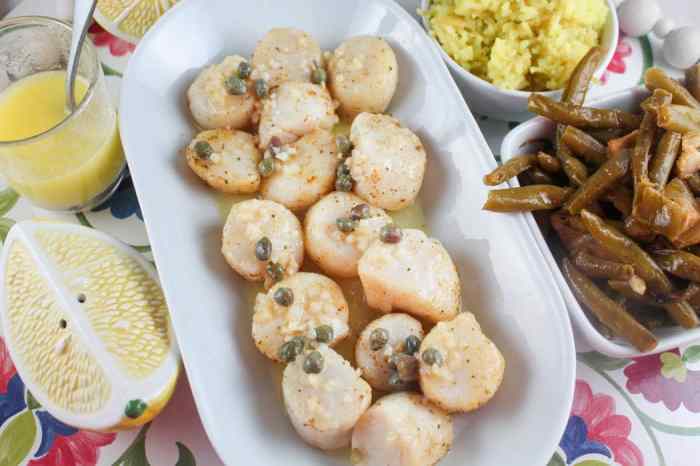
The breading on your scallops is key to achieving a crispy, flavorful crust. It’s not just about adding texture; it also helps create a barrier that locks in moisture and flavor during cooking. But with so many options available, choosing the right breading can be a bit daunting.
Let’s explore some popular choices and how to achieve perfect breading results.
Comparing Breading Methods
The breading method you choose significantly impacts the final texture and flavor of your sea scallops. Here’s a quick comparison of three popular options:
- Flour:This is the simplest and most basic breading. It produces a light, slightly crispy crust with a neutral flavor. Flour is ideal for those who prefer a subtle breading that doesn’t overpower the delicate taste of scallops.
- Panko Breadcrumbs:Panko breadcrumbs are made from crustless white bread, giving them a unique, airy texture. They create a wonderfully crispy, golden-brown crust that adds a satisfying crunch. Panko is a popular choice for breaded seafood because it holds up well in the air fryer and doesn’t become soggy.
- Cornmeal:Cornmeal provides a slightly rough, rustic texture and a subtly sweet, corn-like flavor. It also creates a nice golden-brown crust. Cornmeal is a great option for those who enjoy a bolder, more flavorful breading.
Creating Flavorful and Crispy Breading
The secret to achieving flavorful and crispy breading lies in a multi-step process:
- Seasoning the Scallops:Before breading, season your scallops generously with salt and pepper. You can also add other spices, such as paprika, garlic powder, or cayenne pepper, to enhance the flavor profile.
- Dredging in Flour:If using flour, dredge each scallop in a thin layer of all-purpose flour. This helps the breading adhere better and prevents the scallops from sticking together.
- Creating a Wet Breading:Dip the floured scallops in a wet mixture. This could be a beaten egg, milk, or even a combination of both. The wet layer helps the dry breading stick to the scallops.
- Applying the Dry Breading:Gently coat the wet scallops in your chosen breading, ensuring they are completely covered. Use your hands to press the breading onto the scallops, ensuring a good, even coating.
- Resting Before Cooking:Allow the breaded scallops to rest for a few minutes before air frying. This helps the breading set and prevents it from falling off during cooking.
Ensuring Breading Adherence
To ensure the breading adheres properly, it’s essential to:
- Pat Scallops Dry:Before breading, pat the scallops dry with paper towels. This removes excess moisture that can make the breading soggy.
- Use a Light Hand:Don’t press the breading too hard onto the scallops, as this can cause it to crack and fall off. Gently press the breading onto the scallops, ensuring an even coating.
- Avoid Overcrowding:When air frying, avoid overcrowding the basket. This allows for even air circulation and prevents the breading from becoming soggy.
Air fryer breaded sea scallops are a quick and easy weeknight meal that’s perfect for those nights when you want something delicious but don’t have a lot of time. The crispy breading and juicy scallops are a match made in heaven, and they pair perfectly with a refreshing glass of orange carrot ginger juice.
The sweetness of the juice cuts through the richness of the scallops, and the ginger adds a touch of warmth that’s perfect for a chilly evening. So next time you’re looking for a tasty and easy dinner, give air fryer breaded sea scallops a try!