
Rotisserie Chicken Noodle Soup

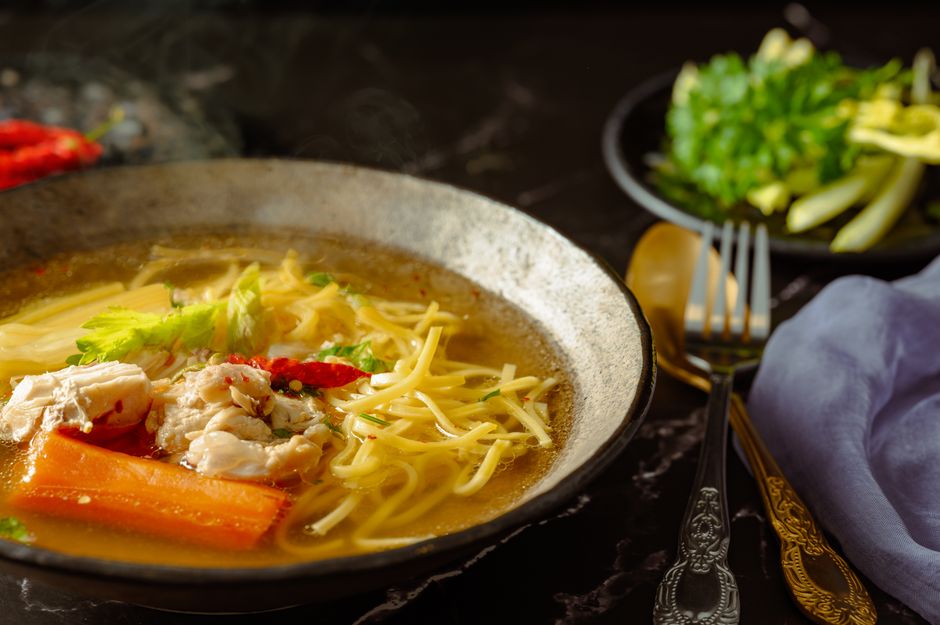
Rotisserie Chicken Noodle Soup: The Ultimate Comfort Food Champion
Rotisserie chicken noodle soup transcends mere sustenance; it embodies comfort, nostalgia, and culinary efficiency. This article explores the multifaceted appeal of rotisserie chicken noodle soup, delving into its ingredients, preparation, health benefits, versatility, and tips for maximizing flavor and minimizing effort. For home cooks and busy individuals alike, understanding the nuances of this classic dish unlocks a new level of culinary satisfaction. The convenience of pre-cooked rotisserie chicken dramatically streamlines the process, transforming a potentially time-consuming meal into an accessible weeknight staple. We will dissect what makes this soup so universally beloved, from the foundational broth to the star proteins and vegetables, and finally, the noodles that tie it all together.
The cornerstone of any exceptional chicken noodle soup, whether homemade from scratch or utilizing a rotisserie chicken shortcut, is the broth. While a homemade chicken stock simmered for hours offers unparalleled depth, the liquid base from a rotisserie chicken’s drippings, combined with good quality chicken broth or stock, provides a rich and flavorful foundation. Opting for low-sodium chicken broth or stock allows for greater control over the final salt content, which is crucial for balancing the diverse flavors within the soup. Water can be used as a supplement, but it dilutes the inherent chicken essence. The initial step in elevating rotisserie chicken noodle soup involves sautéing aromatic vegetables – often referred to as the “mirepoix” – which typically consists of finely diced onions, carrots, and celery. These vegetables, when cooked slowly in a bit of olive oil or butter, release their sweet and savory notes, forming the aromatic backbone of the soup. The Maillard reaction, responsible for browning, further enhances complexity. Thoroughly washing and preparing these vegetables is essential. Onions provide a pungent sweetness, carrots contribute earthy sweetness and vibrant color, and celery adds a subtle peppery note and crisp texture.
The star ingredient, rotisserie chicken, offers a remarkable advantage: it’s already cooked, seasoned, and incredibly tender. The skin, often discarded for health reasons in other preparations, can be a flavor powerhouse. Some home cooks choose to remove it, while others shred it into the soup for added richness and flavor. Shredding the chicken meat is straightforward; simply pull the meat from the bones and dice or shred it into bite-sized pieces. Utilizing the carcass of the rotisserie chicken for a quick homemade stock can further amplify the chicken flavor, though this is an optional step for those seeking an even deeper broth. The natural juices from the rotisserie chicken are also a treasure trove of flavor and should be incorporated into the soup. When selecting a rotisserie chicken, consider its size and seasoning profile. Pre-seasoned birds offer a starting point for flavor, but be mindful of excessive salt or artificial flavorings if health is a primary concern. Organic or free-range rotisserie chickens often boast superior flavor and texture. The shredded chicken provides lean protein and essential amino acids, making the soup a nutritious choice.
Noodles are the soul of chicken noodle soup, and their selection impacts the overall texture and satisfaction. While traditional egg noodles are the classic choice, other pasta shapes can also work. Wide egg noodles, medium egg noodles, or even elbow macaroni offer a satisfying chew. Cooking the noodles separately is often recommended to prevent them from becoming mushy and absorbing too much broth, especially if the soup is being made ahead of time. Undercooking them slightly is also a good strategy, as they will continue to cook in the residual heat of the soup. The ratio of noodles to broth is a matter of personal preference; some prefer a noodle-heavy soup, while others favor a more broth-forward experience. The type of flour used in the noodles also plays a role in their texture and how they absorb liquid. Whole wheat noodles can add a nutty flavor and extra fiber. For gluten-free options, rice noodles or other gluten-free pasta alternatives are readily available. The cooking time of the noodles is critical; overcooked noodles can turn to mush and negatively impact the soup’s overall appeal.
Beyond the foundational elements, a plethora of herbs and seasonings elevate rotisserie chicken noodle soup from good to extraordinary. Fresh herbs like parsley, thyme, and rosemary, added towards the end of the cooking process, provide bright, aromatic notes that cut through the richness of the broth. Dried herbs can also be used, but they are best added earlier to allow their flavors to meld. A bay leaf simmered in the broth imparts a subtle, earthy complexity. Black pepper, freshly ground, adds a pungent kick. Garlic, minced and sautéed with the mirepoix, is indispensable for its savory depth. A pinch of red pepper flakes can introduce a gentle warmth without overwhelming the delicate flavors. Nutritional yeast is an emerging ingredient for vegan and vegetarian broths, but for a classic chicken noodle soup, it’s not typically used. The balance of these seasonings is key; too much of one ingredient can overpower others. Experimentation is encouraged to discover personal flavor preferences.
The health benefits of rotisserie chicken noodle soup are well-documented and contribute to its enduring popularity, particularly during colder months or periods of illness. Chicken is a lean protein source, essential for muscle repair and immune function. The carbohydrates from the noodles provide energy. The vegetables – carrots, celery, and onions – offer a spectrum of vitamins, minerals, and antioxidants. Carrots are rich in beta-carotene, which the body converts to vitamin A, crucial for vision and immune health. Celery provides vitamin K and folate. Onions contain quercetin, an antioxidant with anti-inflammatory properties. The warm broth itself can help to soothe a sore throat and alleviate congestion by increasing hydration and thinning mucus. The sodium content, when managed by using low-sodium broth and controlling added salt, can be a concern for some, but it is also an electrolyte that plays a vital role in bodily functions. The perceived comfort and psychological benefits of eating a warm, familiar soup like chicken noodle soup are also significant, contributing to overall well-being.
The versatility of rotisserie chicken noodle soup allows for numerous variations and customizations, catering to diverse dietary needs and taste preferences. For a heartier soup, consider adding other vegetables such as peas, corn, potatoes, or green beans. These additions introduce different textures and nutrient profiles. For a creamier soup, a splash of heavy cream or milk, added towards the end of cooking, can create a richer mouthfeel. A dollop of sour cream or Greek yogurt as a garnish further enhances creaminess. For those seeking a spicier kick, incorporating jalapeños or a dash of hot sauce can be effective. Leftover rotisserie chicken noodle soup can be reinvented. It can serve as a base for pot pie filling, or the noodles can be strained out and the broth and chicken can be added to rice or other grains for a quick meal. The soup can also be frozen in individual portions for easy future meals. When reheating, it’s important to do so gently to avoid overcooking the noodles.
Maximizing flavor while minimizing effort is a hallmark of a well-executed rotisserie chicken noodle soup. The rotisserie chicken itself is the primary time-saver. Utilizing pre-cut vegetables or a bag of frozen mirepoix can further expedite the process. Investing in good quality chicken broth or stock is crucial for flavor. Don’t underestimate the power of a good bay leaf and a few sprigs of fresh thyme. For those with limited time, consider using a slow cooker or an Instant Pot. A slow cooker allows for low, slow simmering, which can deepen flavors. An Instant Pot can drastically reduce cooking time, particularly for making the broth from the rotisserie chicken carcass. When serving, fresh parsley or chives sprinkled on top provide a burst of freshness and visual appeal. A side of crusty bread for dipping is a classic accompaniment that enhances the overall dining experience. The ability to adapt the recipe to individual preferences, whether it’s adding more vegetables, different herbs, or adjusting the noodle quantity, makes this soup a truly adaptable dish.
The selection of the rotisserie chicken itself is a critical decision that influences the final outcome. Opt for a chicken that appears plump and has evenly browned skin. Observe the seasoning – some rotisserie chickens are heavily salted or have pronounced herb profiles that might clash with your desired soup flavor. A plain or lightly seasoned rotisserie chicken offers more control. The bones and carcass of the rotisserie chicken are a goldmine for flavor. If time permits, simmering these with water and aromatic vegetables for an hour or two will create a potent chicken stock that significantly enhances the soup’s depth. Strain this stock thoroughly before using it as the base for your soup. This step, while adding time, transforms a good soup into an exceptional one. Alternatively, high-quality store-bought chicken stock can be used as a satisfactory substitute, but it will lack the nuanced flavor of homemade stock.
The texture of the noodles is paramount. Overcooked noodles become waterlogged and unappetizing, diminishing the soup’s appeal. To achieve perfectly al dente noodles, cook them separately according to package directions, subtracting a minute or two from the recommended time. This allows them to finish cooking in the hot soup without becoming mushy. If making the soup ahead of time, cook the noodles separately and add them to individual bowls just before serving. This prevents them from absorbing excess broth and becoming soft. For a richer noodle experience, consider using fresh pasta, which cooks much faster. The type of noodle also influences texture; wide egg noodles provide a satisfying chew, while small ditalini or alphabet pasta offer a different kind of textural interest, especially for children. Gluten-free pasta options are widely available and can be used successfully, though their cooking times and absorption rates may vary.
The aromatic foundation of the soup, the mirepoix, requires careful preparation. Finely dicing the onions, carrots, and celery ensures that they cook evenly and release their flavors gradually. Sautéing these vegetables in a bit of healthy fat, such as olive oil or a combination of olive oil and butter, until they are softened and translucent is essential. This process, known as sweating the vegetables, develops their natural sweetness and forms the aromatic base. Avoid browning them too aggressively at this stage, as it can lead to a bitter flavor. Adding minced garlic towards the end of the vegetable sautéing process prevents it from burning and becoming acrid. The quality of the olive oil or butter used can also impact the final flavor profile. Extra virgin olive oil offers a more robust flavor than lighter varieties.
The judicious use of herbs and spices is what elevates simple ingredients into a complex and satisfying dish. Fresh herbs, such as parsley, thyme, and rosemary, offer bright, clean flavors that are best added towards the end of the cooking process to preserve their volatile aromatics. Dried herbs, while convenient, are more potent and benefit from being added earlier in the cooking process to allow their flavors to fully infuse into the broth. A single bay leaf, removed before serving, imparts a subtle, earthy depth. Freshly ground black pepper is far superior to pre-ground pepper, offering a more pungent and complex flavor. A pinch of salt at various stages of cooking helps to build layers of flavor, but it’s crucial to taste and adjust at the end, especially when using pre-seasoned rotisserie chicken and potentially salty broth. Some cooks also add a touch of paprika for color and a mild smoky flavor.
The nutritional profile of rotisserie chicken noodle soup is a significant draw for health-conscious individuals. The lean protein from the chicken supports satiety and muscle maintenance. The carbohydrates from the noodles provide readily available energy, crucial for recovery and sustained activity. The vegetables contribute essential vitamins, minerals, and dietary fiber. Vitamin A from carrots supports vision and immune function, while vitamin C, often found in bell peppers if added, acts as an antioxidant. The warm broth, beyond its therapeutic properties for colds, promotes hydration, which is vital for all bodily processes. For those managing their sodium intake, opting for low-sodium broth and controlling added salt is paramount. The fat content can be managed by removing the skin from the rotisserie chicken and skimming excess fat from the broth if desired.
The adaptability of rotisserie chicken noodle soup makes it a culinary chameleon, capable of satisfying a wide range of dietary needs and flavor preferences. For a gluten-free version, simply substitute gluten-free noodles. For a dairy-free option, ensure the broth is dairy-free and avoid adding cream or milk. Vegetarians and vegans can adapt this concept by using a flavorful vegetable broth and plant-based protein sources such as firm tofu or white beans, along with a medley of hearty vegetables. Adding ingredients like spinach, kale, or other leafy greens can boost the soup’s nutrient density. Mushrooms, such as shiitake or cremini, can provide an umami depth that mimics the savory notes of chicken. The soup can also be transformed into a richer, creamier version by incorporating pureed white beans or a roux made with plant-based milk and flour.
The strategic execution of rotisserie chicken noodle soup emphasizes efficiency without compromising on flavor. The pre-cooked nature of the rotisserie chicken is the primary time-saving element. For further time optimization, pre-chopped vegetables from the produce section or frozen mirepoix blends can be utilized. Investing in high-quality chicken broth or stock is a non-negotiable step for achieving a superior flavor profile. A few sprigs of fresh thyme or a single bay leaf can impart a remarkable depth of flavor with minimal effort. For those embracing modern cooking techniques, a slow cooker or an Instant Pot can drastically reduce cooking times and enhance flavor development. The slow cooker allows for a low, gentle simmering process that melds flavors beautifully. The Instant Pot’s pressure-cooking function can significantly expedite the broth-making process and the overall soup preparation.
When selecting your rotisserie chicken, consider its origin and preparation. Many grocery stores offer a variety of seasoned rotisserie chickens, ranging from herb-infused to lemon-pepper. If you are aiming for a specific flavor profile for your soup, a plainer rotisserie chicken will offer more control. The bones and carcass of the rotisserie chicken are invaluable for creating a richer broth. Even if you don’t have time for a full stock, simmering them with water for an hour or two can yield a more flavorful base than plain water or store-bought broth alone. Strain this liquid thoroughly to remove any small bone fragments or impurities.
The textural integrity of the noodles is a crucial element that often distinguishes a good chicken noodle soup from a great one. Overcooked, mushy noodles can detract significantly from the overall dining experience. To circumvent this common pitfall, it is often recommended to cook the noodles separately from the soup. Cook them until they are just shy of al dente, meaning they still have a slight firmness. They will continue to cook in the residual heat of the hot soup when added to individual bowls. If you are preparing the soup in advance, cooking the noodles separately and storing them apart from the broth and chicken is the best approach. This prevents them from absorbing too much liquid and becoming soft and unappealing. For those seeking a quicker noodle option, instant ramen noodles (discarding the seasoning packet) can be a viable, albeit less traditional, substitute.
The aromatic foundation, the mirepoix (onions, carrots, and celery), requires precise preparation to unlock its full flavor potential. Finely dicing these vegetables ensures even cooking and optimal flavor release. Sautéing them in a medium-hot pan with a healthy fat like olive oil or a blend of olive oil and butter allows their natural sugars to caramelize and their sweetness to emerge. This process, known as sweating the vegetables, lays the groundwork for a complex flavor profile. Avoid aggressive browning at this stage, as it can lead to a bitter taste. Garlic, when added towards the end of the vegetable sauté, prevents it from burning and developing an acrid flavor. The quality of the oil and the pan used can influence the browning process and the final flavor.
The strategic incorporation of herbs and spices is what transforms a basic broth and chicken mixture into a symphony of flavors. Fresh herbs, such as parsley, thyme, and rosemary, are best added in the final stages of cooking to preserve their vibrant aroma and flavor. Dried herbs, on the other hand, require a longer cooking time to release their full potential, so they are typically added earlier in the process. A single bay leaf, simmered in the broth and then removed before serving, imparts a subtle, earthy complexity that is indispensable. Freshly ground black pepper offers a pungent kick that is far superior to pre-ground varieties. Salt is a flavor enhancer that should be added judiciously throughout the cooking process, with a final tasting and adjustment before serving.
The health benefits of rotisserie chicken noodle soup are extensive and well-documented, contributing to its enduring appeal as a comfort food and a restorative meal. Chicken, as a lean protein source, is vital for muscle repair, immune function, and overall cellular health. The carbohydrates provided by the noodles offer readily available energy, crucial for maintaining stamina and cognitive function. The vegetables incorporated into the soup, such as carrots, celery, and onions, are rich in essential vitamins, minerals, and antioxidants. Carrots, for instance, are an excellent source of beta-carotene, which the body converts into vitamin A, critical for vision and immune system support. Celery provides vitamin K and folate, while onions contain quercetin, a potent antioxidant with anti-inflammatory properties. The warm broth itself offers therapeutic benefits, aiding in hydration, thinning mucus, and soothing sore throats, making it a go-to remedy for colds and flu.
The versatility of rotisserie chicken noodle soup allows for an almost endless array of modifications and adaptations, catering to a broad spectrum of dietary requirements and personal preferences. For individuals requiring a gluten-free meal, simply substitute traditional noodles with gluten-free pasta alternatives like rice noodles or lentil pasta. Those adhering to a dairy-free diet can achieve a creamy soup by using dairy-free milk alternatives or by incorporating pureed white beans or a plant-based roux. Vegetarians and vegans can readily transform this dish by employing a rich vegetable broth and substituting chicken with plant-based protein sources such as firm tofu, tempeh, or hearty legumes like chickpeas or cannellini beans. The addition of nutrient-dense leafy greens, such as spinach or kale, can further enhance the soup’s nutritional value.
The art of maximizing flavor while minimizing effort is a defining characteristic of a well-executed rotisserie chicken noodle soup. The inherent convenience of rotisserie chicken serves as the primary time-saving component. For an even more streamlined process, consider purchasing pre-chopped vegetables from the produce aisle or utilizing frozen mirepoix blends. Investing in high-quality chicken broth or stock is a fundamental step toward achieving a superior flavor profile. The subtle addition of a few sprigs of fresh thyme or a single bay leaf can contribute a remarkable depth of flavor with minimal culinary exertion. For those who embrace modern cooking appliances, a slow cooker or an Instant Pot can significantly reduce preparation and cooking times while simultaneously enhancing flavor development. The slow cooker’s gentle, low-heat simmering process allows flavors to meld beautifully, while the Instant Pot’s pressure-cooking capabilities can dramatically expedite the broth-making and overall soup preparation stages.


