
Instant Pot Coconut Curry Chicken

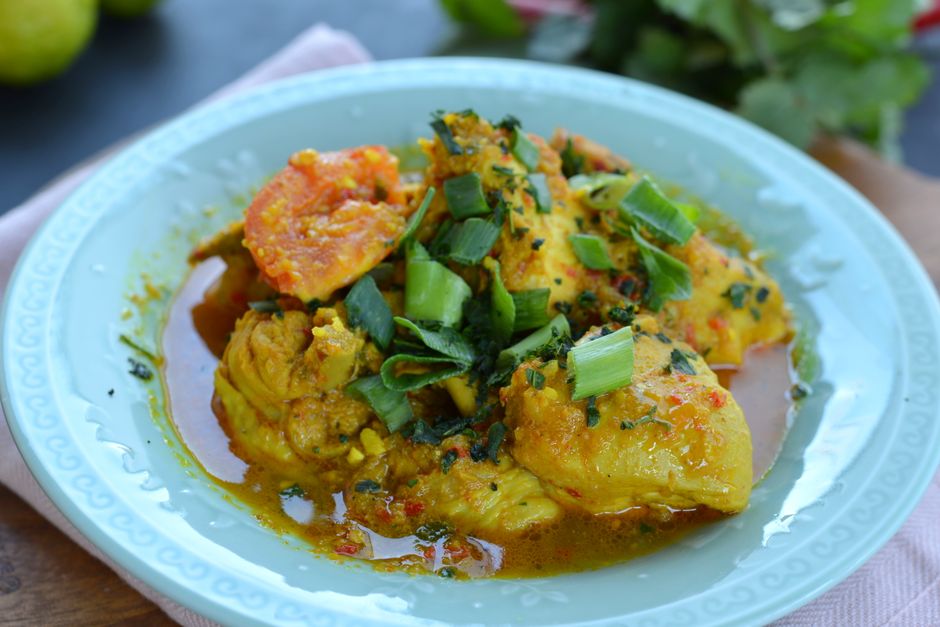
Instant Pot Coconut Curry Chicken: A Flavorful, Fast, and Foolproof Recipe
This Instant Pot Coconut Curry Chicken recipe delivers a restaurant-quality dish with minimal effort and time, making it an ideal weeknight meal. The creamy coconut milk base, infused with aromatic curry spices, tenderizes succulent chicken pieces to perfection within the pressure cooker. This recipe is not only incredibly delicious but also highly customizable, allowing you to adjust the spice level and vegetables to suit your preferences. The beauty of the Instant Pot lies in its ability to transform simple ingredients into a complex, flavorful curry in a fraction of the time it would take using traditional stovetop methods. Say goodbye to long simmering times and hello to a rich, satisfying curry that will become a regular in your meal rotation. The pressure cooking process breaks down the chicken fibers, resulting in an exceptionally tender and moist outcome, while the integrated sauté function allows for browning the aromatics before pressure cooking, deepening the overall flavor profile of the dish. This recipe is a testament to the versatility of the Instant Pot, proving that complex and deeply flavored meals can be achieved with speed and convenience.
Understanding the Core Components: Chicken, Coconut Milk, and Curry Paste
The success of this Instant Pot Coconut Curry Chicken hinges on the quality and interaction of its core components: the chicken, the coconut milk, and the curry paste. For the chicken, bone-in, skinless thighs are highly recommended. Their higher fat content renders them more forgiving under pressure cooking, preventing them from drying out and ensuring a tender, juicy result. Boneless, skinless thighs also work well, offering a slightly quicker cooking time. Chicken breasts can be used, but require careful monitoring to avoid overcooking, as they are leaner and more prone to becoming dry and tough. Cut the chicken into bite-sized pieces, approximately 1-inch cubes, for even cooking and easier serving.
The foundation of the curry’s richness and creaminess is high-quality full-fat coconut milk. Avoid “lite” versions, as they lack the necessary fat content for a luxurious texture and a well-rounded flavor. The fat in the coconut milk is crucial for carrying the aromatic compounds of the curry spices, allowing them to meld and develop their full potential during the cooking process. Shake the can well before opening to ensure the cream and liquid are thoroughly combined.
The heart of the curry’s flavor profile lies in the curry paste. Red, green, or yellow curry pastes are all viable options, each offering a distinct flavor. Red curry paste typically boasts a spicier and more robust flavor with notes of chili, galangal, and lemongrass. Green curry paste, known for its vibrant color, offers a fresher, more herbaceous taste with ingredients like fresh chilies, basil, and lime leaves. Yellow curry paste tends to be milder and sweeter, often incorporating turmeric, cumin, and coriander. The choice of curry paste will significantly influence the final taste of your dish, so select one that aligns with your desired flavor intensity and spice preference. For a more complex flavor, consider making your own curry paste from scratch, though store-bought is perfectly acceptable for convenience.
Essential Aromatics and Flavor Enhancers
Beyond the primary ingredients, a supporting cast of aromatics and flavor enhancers elevates the Instant Pot Coconut Curry Chicken from good to exceptional. Freshly minced garlic and ginger are indispensable. Their pungent, warming notes form the aromatic bedrock of many Asian-inspired dishes and are crucial for building depth of flavor in this curry. Don’t skimp on these; they are key to authentic curry taste.
Onions, typically yellow or red, provide a subtle sweetness and savory base when sautéed. They caramelize slightly during the initial sauté phase in the Instant Pot, adding another layer of complexity to the curry.
For acidity and brightness, a squeeze of fresh lime juice at the end of cooking is paramount. This cuts through the richness of the coconut milk and balances the other flavors, preventing the curry from tasting heavy or one-dimensional. The zest of the lime can also be incorporated for an extra burst of citrusy aroma.
Fish sauce adds a crucial umami element. It’s a staple in Southeast Asian cooking and provides a salty, savory depth that cannot be replicated by plain salt alone. Start with a smaller amount and add more to taste, as its intensity can vary by brand.
A touch of sweetness is often needed to round out the savory and spicy elements. Brown sugar, honey, or maple syrup can be used, with brown sugar offering a slightly molasses-like flavor that complements the curry.
For an optional, but highly recommended, touch of heat and sweetness, a finely diced red chili or a pinch of red pepper flakes can be added. This allows for adjustable heat levels, catering to various palates.
Vegetable Additions: Color, Texture, and Nutrition
Incorporating vegetables into your Instant Pot Coconut Curry Chicken is an excellent way to boost its nutritional value, add vibrant color, and introduce varied textures. The beauty of this recipe is its flexibility; most vegetables that cook relatively quickly will work well.
Bell peppers, in their various colors (red, yellow, orange, green), are a classic choice. They add a mild sweetness and a satisfying crunch when cooked to a tender-crisp. Cut them into bite-sized pieces to ensure they cook evenly with the chicken.
Broccoli florets and stems are another excellent option. They absorb the curry sauce beautifully and add a healthy dose of vitamins and minerals. The stems, peeled and sliced, can also be incorporated for maximum utilization and a slightly firmer texture.
Snap peas or snow peas offer a delightful crispness and a vibrant green color. Add them towards the end of the cooking cycle or during the sauté phase for just a few minutes to retain their freshness.
Carrots, peeled and sliced or diced, add a touch of sweetness and a pleasing texture. They hold their shape well during the pressure cooking process.
For a more exotic touch, consider adding bamboo shoots, water chestnuts, or baby corn. These add unique textures and flavors that enhance the overall complexity of the curry.
Spinach or kale can be wilted in at the very end of the cooking process. The residual heat will be enough to soften them, providing a final burst of greens and nutrients without overcooking them into oblivion.
When adding vegetables, consider their cooking times. Harder vegetables like carrots and broccoli stems should be added with the chicken, while more tender vegetables like bell peppers and snap peas can be added during the last few minutes of pressure cooking or even sautéed briefly on the "sauté" mode before serving. This ensures that each vegetable is cooked to its optimal texture.
Step-by-Step Instant Pot Cooking Guide
The Instant Pot simplifies the process of making coconut curry chicken, making it accessible even for novice cooks.
-
Sauté Aromatics: Begin by activating the "Sauté" function on your Instant Pot. Add a tablespoon of neutral oil (like vegetable, canola, or coconut oil). Once the oil is shimmering, add the diced onion and cook until softened and translucent, about 3-5 minutes. Next, add the minced garlic and grated ginger. Sauté for another minute until fragrant, being careful not to burn them.
-
Bloom the Curry Paste: Add your chosen curry paste to the pot. Stir it into the onions, garlic, and ginger, and cook for 1-2 minutes. This crucial step, known as blooming, allows the spices in the paste to release their full aroma and flavor.
-
Deglaze the Pot: Pour in about 1/4 cup of the coconut milk and use a wooden spoon or spatula to scrape up any browned bits stuck to the bottom of the pot. This is called deglazing and prevents a "Burn" notice from appearing, as well as incorporating those flavorful browned bits into the sauce.
-
Add Remaining Ingredients: Add the cubed chicken to the pot. Pour in the remaining coconut milk. Add the fish sauce and sweetener (e.g., brown sugar). If you are adding harder vegetables like carrots or broccoli stems at this stage, add them now. Stir everything together to ensure the chicken is coated in the sauce.
-
Pressure Cook: Secure the lid on the Instant Pot and set the valve to the "Sealing" position. Select the "Manual" or "Pressure Cook" setting and set the cooking time to 8 minutes on high pressure.
-
Natural Pressure Release (NPR) or Quick Release (QR): Once the cooking cycle is complete, allow for a natural pressure release (NPR) for 5-10 minutes. This allows the pressure to dissipate gradually, which further tenderizes the chicken. After 5-10 minutes of NPR, you can carefully perform a quick release (QR) to vent any remaining steam.
-
Add Softer Vegetables and Finish: Carefully open the lid. If you are adding quick-cooking vegetables like bell peppers, broccoli florets, or snap peas, stir them into the curry. Close the lid again and select the "Sauté" function for 2-3 minutes, or until the vegetables reach your desired tenderness. Alternatively, you can stir them in and let the residual heat of the curry cook them.
-
Final Seasoning and Garnish: Stir in the fresh lime juice. Taste the curry and adjust seasoning with more fish sauce, sweetener, or chili flakes as needed. Garnish generously with fresh cilantro.
Serving Suggestions and Accompaniments
Instant Pot Coconut Curry Chicken is a versatile dish that pairs beautifully with a variety of accompaniments, enhancing its flavors and textures. The most classic pairing is steamed rice. Jasmine rice is particularly well-suited, its fragrant aroma and slightly sticky texture complementing the rich curry sauce perfectly. Brown rice offers a nuttier flavor and a chewier texture, providing a healthier alternative. For a more adventurous option, consider serving it with quinoa, which adds a protein boost and a slightly nutty flavor.
Naan bread is another excellent choice for soaking up the delicious curry sauce. Warm, fluffy naan, perhaps brushed with a little melted butter or garlic butter, provides a satisfying contrast to the tender chicken and creamy sauce. Roti, a flaky, unleavened flatbread, also works wonderfully.
For added freshness and crunch, consider a simple side salad dressed with a light vinaigrette. The coolness of a salad will provide a refreshing counterpoint to the warm, spiced curry.
Toppings are an integral part of the complete curry experience. Fresh cilantro, chopped, provides a burst of herbaceousness that brightens the entire dish. A sprinkle of toasted sesame seeds adds a subtle nutty flavor and a delightful textural element. For those who enjoy a bit of heat, thinly sliced fresh chilies (like jalapeños or Thai chilies) can be offered as a garnish. A dollop of plain yogurt or sour cream can also be provided for those who prefer to temper the spice or add a creamy element.
Consider serving the curry with a side of pickled vegetables, such as pickled red onions or pickled cucumbers. The tanginess of the pickles cuts through the richness of the curry and adds another layer of flavor complexity.
Tips for Success and Customization
To ensure your Instant Pot Coconut Curry Chicken is a resounding success every time, keep these tips and customization options in mind:
- Don’t Overcrowd the Pot: While the Instant Pot is spacious, avoid overfilling it, especially when sautéing. This can lead to uneven cooking and steaming rather than searing.
- Master the "Sauté" Function: Properly sautéing the aromatics and blooming the curry paste is critical for developing deep flavor. Don’t rush this step.
- Adjust Spice Levels: The spiciness of curry pastes can vary significantly. Always taste and adjust the amount of curry paste and chili flakes to your preference. You can also add a pinch of cayenne pepper for extra heat.
- Experiment with Curry Pastes: Don’t be afraid to try different types of curry paste (red, green, yellow) or even brands. Each will yield a slightly different, but equally delicious, result.
- Vegetable Flexibility: Feel free to substitute vegetables based on what you have on hand or what’s in season. Zucchini, mushrooms, sweet potatoes (cut into small cubes), and green beans are all good options. Remember to adjust cooking times accordingly.
- Make it Creamier: For an extra rich and creamy curry, use full-fat coconut milk and consider adding a splash of heavy cream or half-and-half during the final sauté stage.
- Boost the Umami: A tablespoon of miso paste added with the liquids can further enhance the savory depth of the curry.
- Storage and Reheating: Leftover Instant Pot Coconut Curry Chicken stores well in an airtight container in the refrigerator for up to 3-4 days. Reheat gently on the stovetop or in the microwave, adding a splash of water or broth if the sauce has thickened too much.
- Freezing: This curry also freezes well. Allow it to cool completely before transferring to freezer-safe containers. Thaw overnight in the refrigerator and reheat as usual.
By following these guidelines and embracing the flexibility of the recipe, you can consistently create a delicious and satisfying Instant Pot Coconut Curry Chicken that caters to your personal taste. The combination of speed, ease, and incredible flavor makes this a go-to meal for busy individuals and families alike.


