The Art and Science of the All Butter Pie Crust: A Technical Guide to Achieving Professional Pastry Results

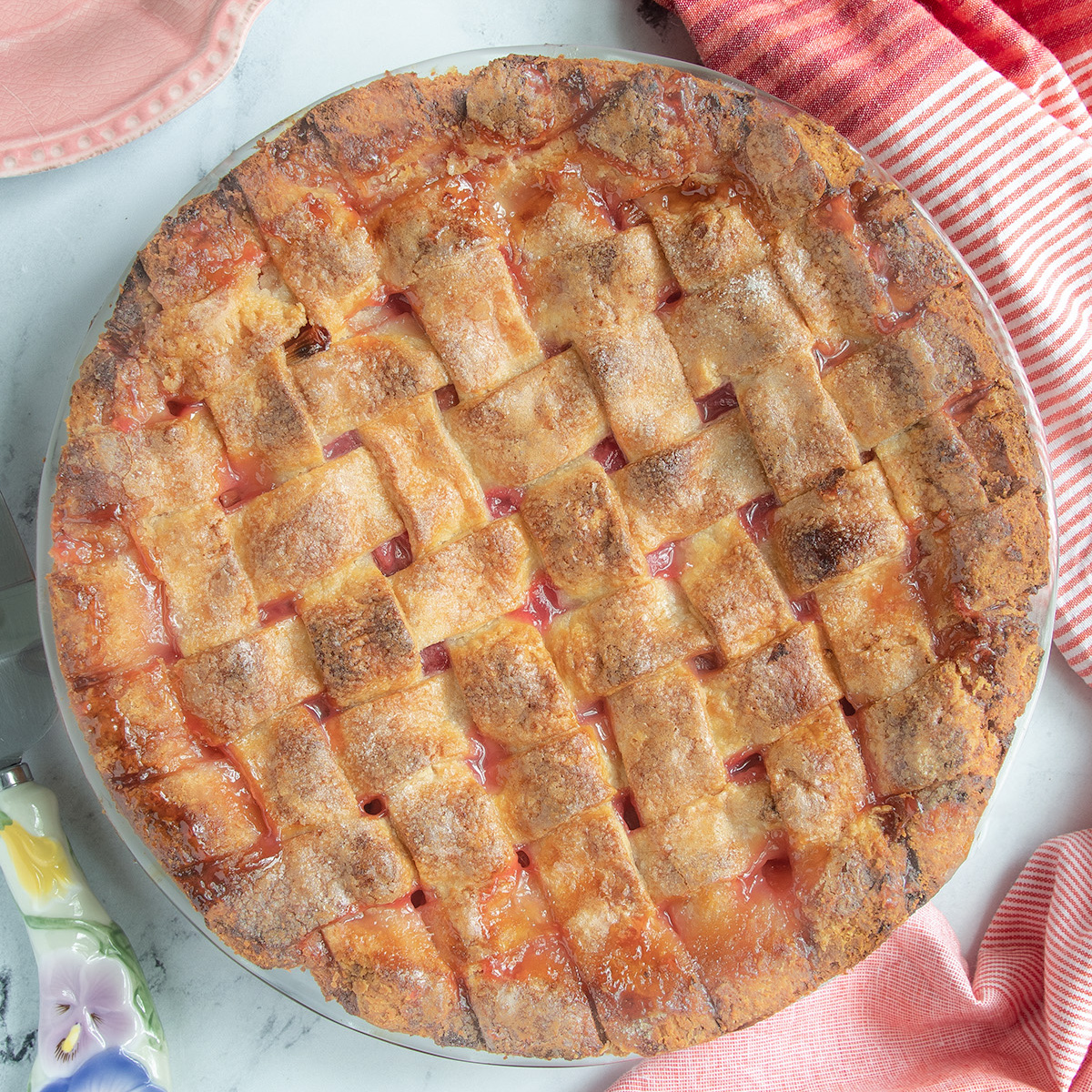
The production of a high-quality all-butter pie crust represents a foundational challenge for both amateur bakers and culinary professionals. Unlike standard recipes that incorporate shortening or lard to stabilize the dough, an all-butter formulation relies on the precise thermal manipulation of milk fats and proteins to create structural integrity and textural contrast. Achieving the quintessential flaky, golden-brown crust requires an understanding of gluten development, the physics of phase transition in fats, and the chemical role of dairy solids in the Maillard reaction.
The Science of Fat Distribution and Thermal Control
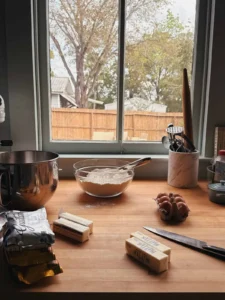
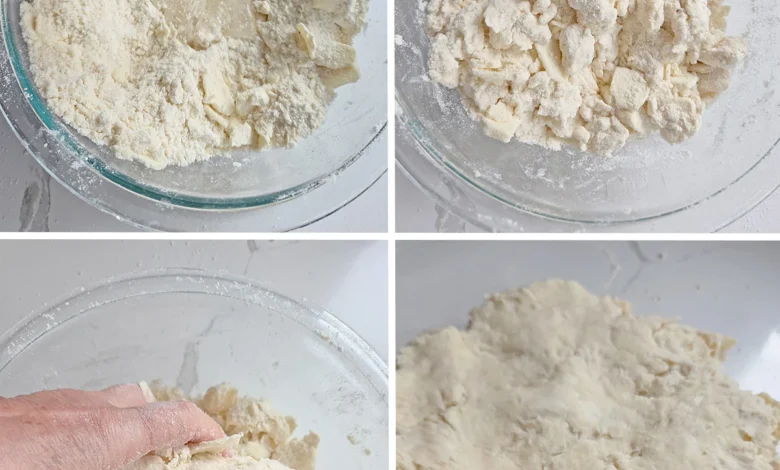
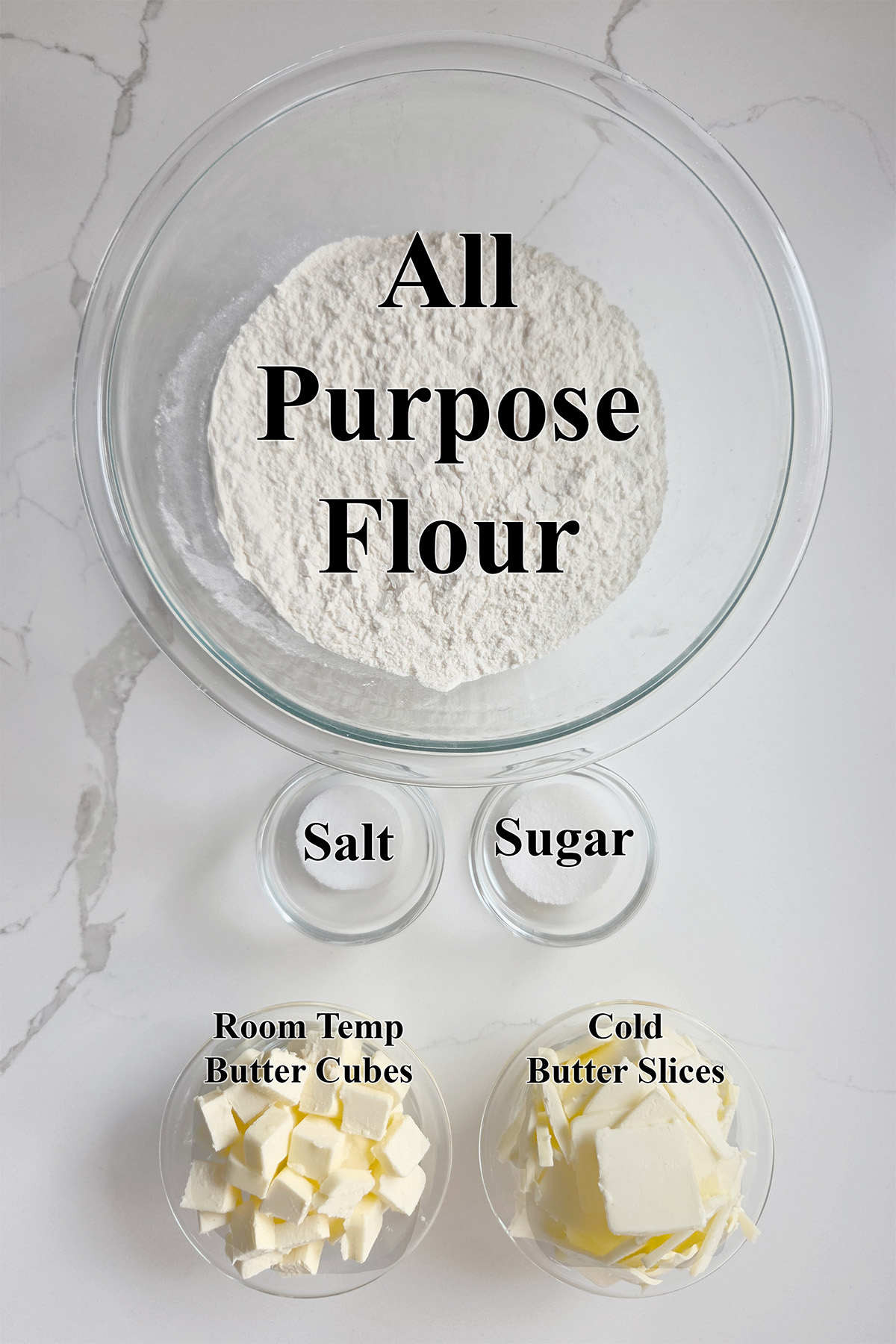
The structural architecture of a pie crust is dictated by how fat is incorporated into the flour matrix. In this specialized all-butter method, the fat is introduced in two distinct stages. Initially, room-temperature butter is integrated into the flour. This creates a fine, cohesive base that coats the individual flour proteins, thereby inhibiting excessive gluten network formation when liquid is added. This step is critical for ensuring the final crust maintains a tender "short" crumb rather than a bread-like, elastic texture.
Following this, cold butter is added in discrete slices. Because butter is an emulsion of water, milk solids, and fat, maintaining it in a solid state during the mixing process is essential. When the dough is rolled, these cold butter pockets are flattened into thin layers. Upon baking, the water content within the butter turns to steam. This steam expands, pushing apart the layers of flour and fat, creating the hallmark "puff" and distinct flakes associated with high-end pastry.
Comparative Analysis: Butter versus Hybrid Fats
Market research into consumer and professional baking trends indicates a long-standing debate between the use of pure butter and hybrid fats. Historically, shortening—a 100% vegetable fat product—was favored for its ease of handling. Because shortening has a higher melting point and lacks water, it does not hydrate the flour as readily as butter, making the dough significantly more pliable and forgiving during the rolling process.
However, the shift toward clean-label ingredients and the demand for superior flavor profiles have brought the all-butter crust to the forefront of modern baking. Data gathered from side-by-side comparative trials shows that while shortening-based crusts offer a more melt-in-the-mouth consistency due to their lack of crystalline structure, all-butter crusts provide a superior, complex flavor profile characterized by rich dairy notes. Furthermore, the presence of milk solids in butter—proteins and sugars that undergo the Maillard reaction during the baking cycle—results in a more pronounced, aesthetically pleasing golden-brown finish compared to the paler results of shortening-based alternatives.
Chronology of the Mixing Process
Achieving consistency in this preparation requires adherence to a strict workflow, emphasizing temperature management at every juncture:
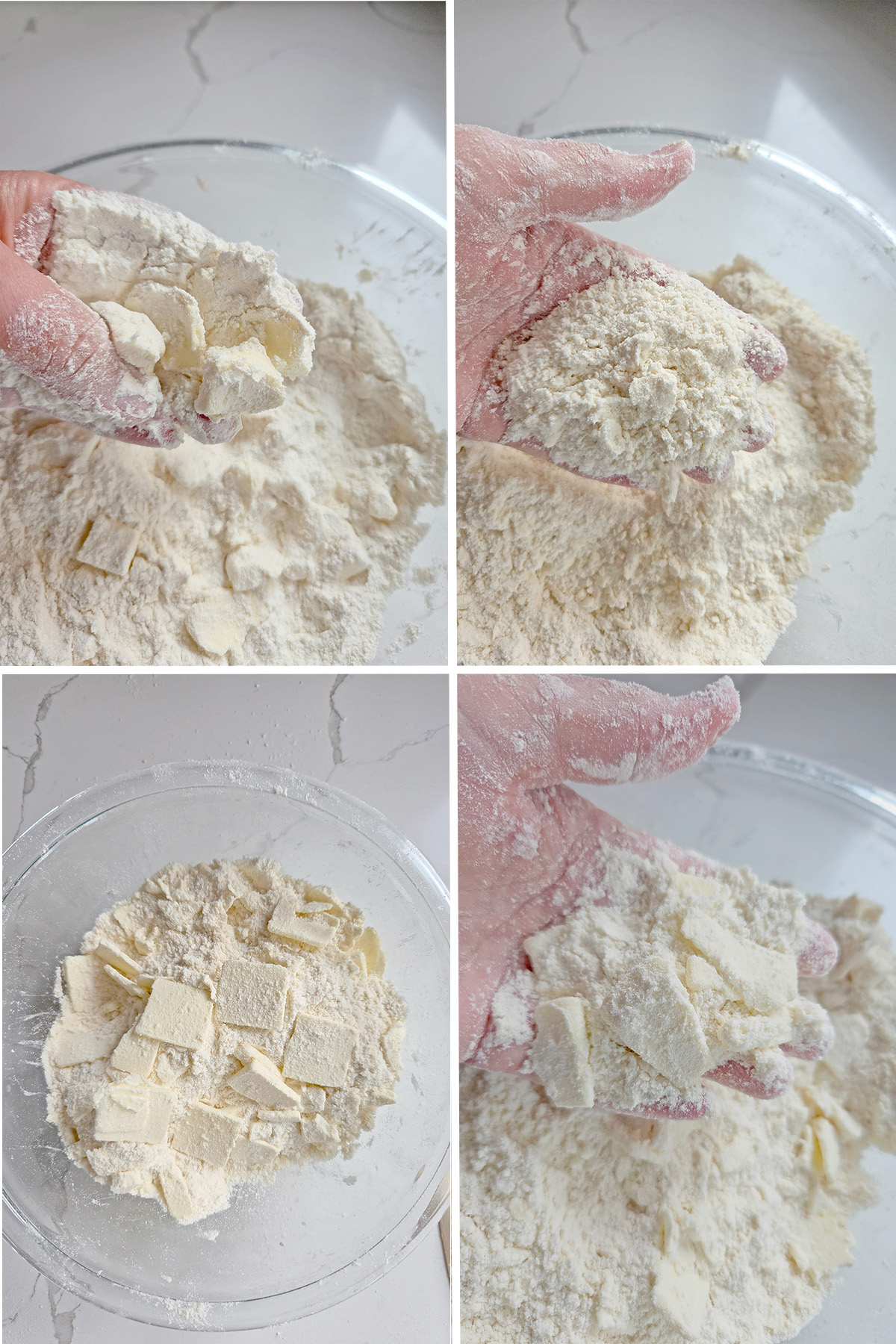
- Phase 1: Initial Incorporation. Room-temperature butter is rubbed into the flour until the mixture resembles a coarse meal. This stabilizes the structural base.
- Phase 2: The Cold Inclusion. Chilled, sliced butter is folded into the mixture. The goal is to keep these slices as intact as possible; they must remain visible to ensure the final lamination of the dough.
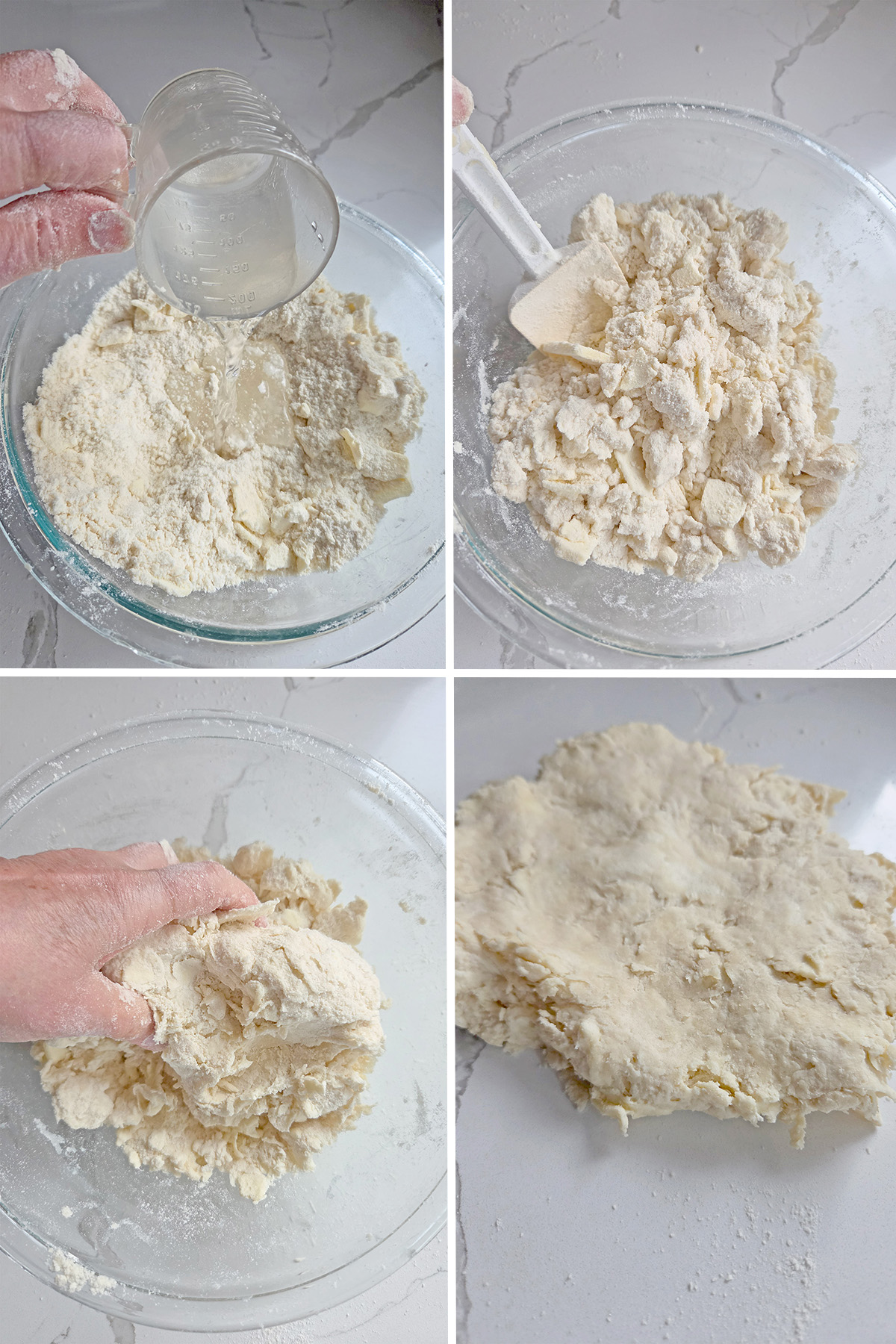
- Phase 3: Hydration. Ice-cold water is added incrementally. This step is the most critical for gluten management. The dough is tossed—not kneaded—until it reaches a "shaggy" state, just holding together under pressure.
- Phase 4: Rest and Relaxation. The dough is shaped into discs and chilled for a minimum of two hours. This resting period allows the flour to fully hydrate and the gluten networks to relax, which significantly reduces the risk of the crust shrinking or cracking during the baking process.
The Role of Resting and Gluten Management
A common point of failure in pastry production is the disregard for resting intervals. Gluten, the protein complex formed when flour meets water, is highly elastic. If the dough is handled or rolled immediately after mixing, the gluten strands remain "tight," causing the crust to spring back or shrink away from the edges of the pie plate when subjected to the heat of an oven.
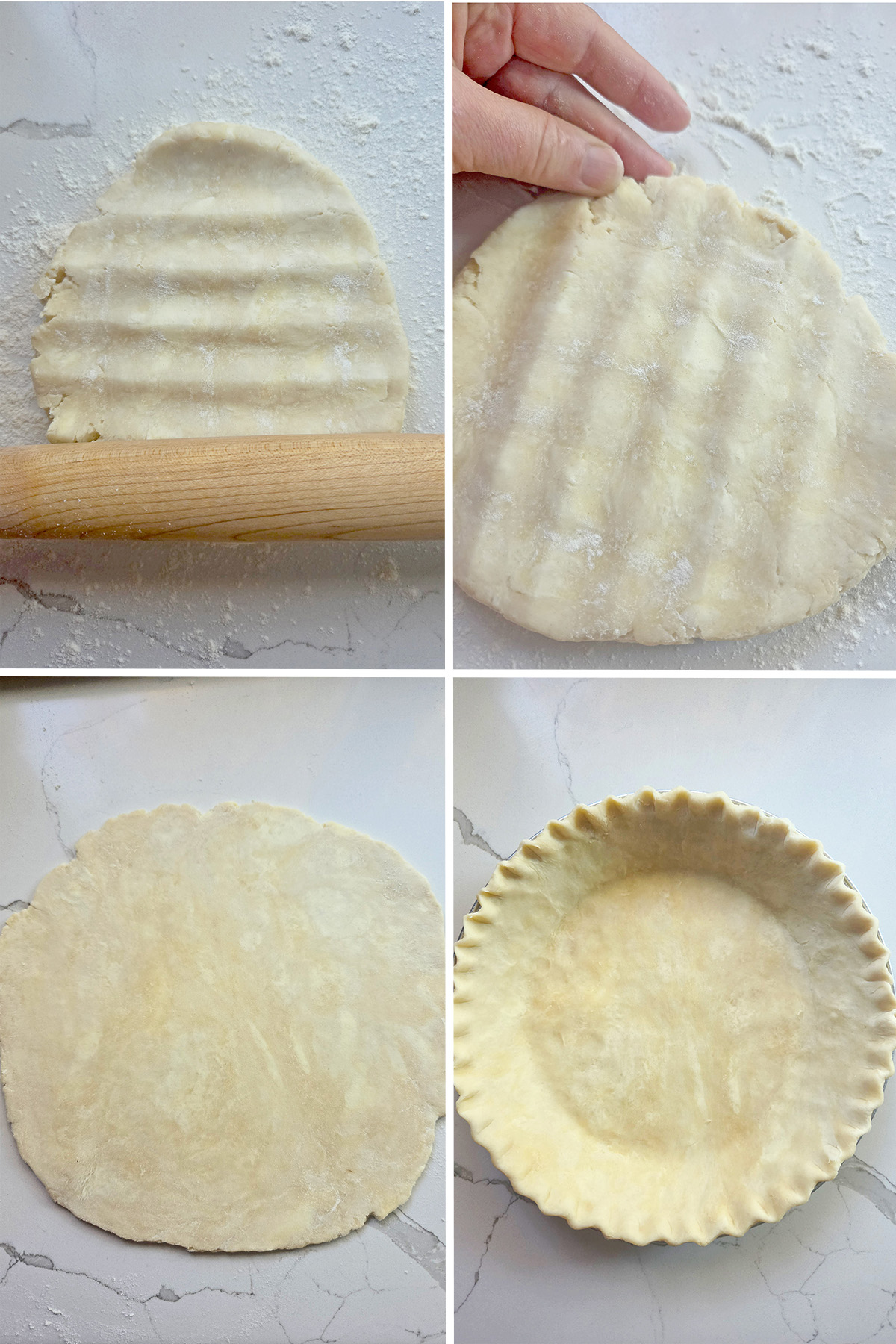
Pastry experts emphasize that a two-hour refrigeration period is not merely for chilling the fat; it is a vital chemical process. During this time, the starch molecules in the flour absorb the moisture, ensuring an even distribution of liquid throughout the dough. This transforms the mass from a fragile, uneven mixture into a cohesive, manageable medium. Furthermore, a second 30-minute rest after rolling is recommended to ensure that the physical act of flattening the dough does not trigger the same elasticity issues, thus maintaining the integrity of the crimped edges.
Troubleshooting Common Culinary Errors
When analyzing performance issues in all-butter pie crusts, data suggests that human error is almost exclusively the cause of failure. The most frequent issues include:
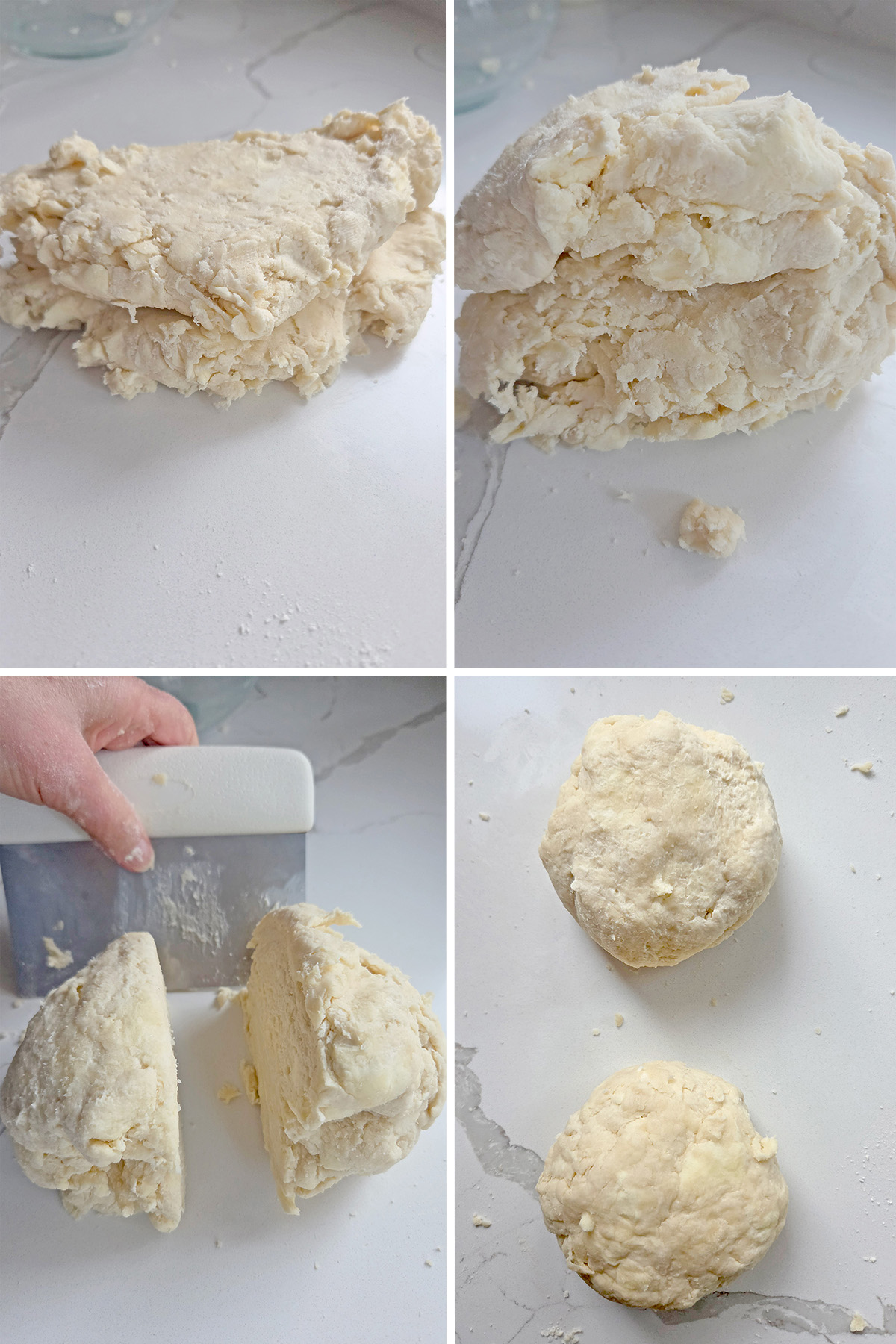
- Shrinkage: Often caused by overworking the dough during the mixing phase, which over-develops the gluten. The remedy is to utilize a "clumping" technique, where the dough is pressed into clusters by hand rather than being kneaded with a rolling motion.
- Toughness: This occurs when the butter fat is fully incorporated into the flour rather than remaining in discrete, solid pieces. If the butter melts before the pie enters the oven, the "shortening" effect—which keeps the crust tender—is lost, resulting in a dense, chewy texture.
- Lack of Flakiness: This is typically the result of using water that is not sufficiently cold or working the dough in an environment that is too warm. Professionals often utilize chilled equipment, such as stainless steel bowls or marble surfaces, to mitigate the ambient heat transfer to the butter.
Broader Impact and Industry Implications
The resurgence of interest in all-butter crusts reflects a broader trend in the culinary world toward ingredient transparency and the celebration of traditional, high-fat dairy products. From an economic perspective, the rise in demand for high-butterfat-content products has influenced supply chain requirements for artisan bakeries. Bakers now prioritize the purchase of European-style butter, which typically contains a higher percentage of fat (82% to 85%) and less water than standard American butter, as it provides a distinct advantage in both flavor and structural stability.
Beyond the bakery, this shift has implications for home-cooking enthusiasts. The democratization of pastry techniques—once reserved for professional kitchens—has been facilitated by the availability of detailed technical guidance and better home-kitchen tools. As consumers continue to move away from processed trans-fats, the all-butter crust serves as a standard-bearer for a shift back to artisanal, ingredient-focused food preparation.
Conclusion: A Balance of Precision and Patience
Mastering the all-butter pie crust is an exercise in managing variables. While it is undeniably more demanding than its shortening-based counterparts, the result is a product of higher sensory quality. By understanding the science behind the two-stage butter incorporation, respecting the necessity of resting periods, and controlling the thermal environment of the kitchen, bakers can consistently produce a crust that provides both the textural crunch and the rich flavor required for high-quality pastry. The effort invested in learning these techniques is reflected in the final output, making it a cornerstone skill for any practitioner of the culinary arts.