The Power of Plant Pigments: New Research Highlights the Cardiovascular and Metabolic Benefits of Anthocyanins


The long-standing dietary advice to "eat the rainbow" has long been a staple of nutritional guidance, yet the precise biochemical mechanisms behind this colorful mandate have frequently remained opaque to the general public. Recent scientific investigations are now shedding light on the precise compounds responsible for this phenomenon, placing a primary focus on anthocyanins—the vibrant water-soluble pigments that imbue various fruits and vegetables with their striking red, blue, and purple hues. A landmark comprehensive review published in The American Journal of Clinical Nutrition has provided robust epidemiological and clinical data demonstrating that regular consumption of these potent plant polyphenols is associated with significant reductions in the incidence of cardiovascular disease, heart attacks, and type 2 diabetes. As public health officials continuously seek dietary interventions to combat the rising tide of chronic lifestyle-related diseases, these findings offer a compelling, accessible, and scientifically validated dietary strategy centered around seasonal, plant-based nutrition.
To understand the profound physiological impact of these compounds, it is first necessary to examine their biochemical classification and etymological origins. The term anthocyanin is derived from two Greek words: anthos, meaning flower, and kyanos, which describes a deep greenish-blue color. Chemically, anthocyanins belong to the flavonoid family of polyphenols, acting as powerful antioxidants within plants where they protect tissues from environmental stressors, ultraviolet radiation, and pathogens. When ingested by humans, these compounds exert profound antioxidant and anti-inflammatory effects throughout the vascular and metabolic systems. Historically, nutritional science recognized the general benefits of fruits and vegetables, but isolating the specific cardioprotective and metabolic mechanisms of anthocyanins has allowed researchers to quantify their therapeutic potential with unprecedented precision.
The recent meta-analysis published in The American Journal of Clinical Nutrition marks a significant milestone in nutritional epidemiology, compiling extensive data on human anthocyanin consumption and long-term health outcomes. The findings of the review are striking in both their breadth and statistical significance. Researchers discovered that individuals who maintained a diet rich in anthocyanins experienced a 26 percent lower incidence of cardiovascular disease compared to those with minimal intake. Furthermore, the data revealed an 18 percent lower risk of suffering a heart attack, an 11 percent reduction in the risk of developing type 2 diabetes, a 9 percent decrease in cardiovascular disease mortality, and an 8 percent lower risk of developing hypertension. Perhaps most encouraging for dietary planners is the observation that measurable improvements in blood vessel function—such as enhanced endothelial reactivity—were observed with daily intakes as low as 50 milligrams.
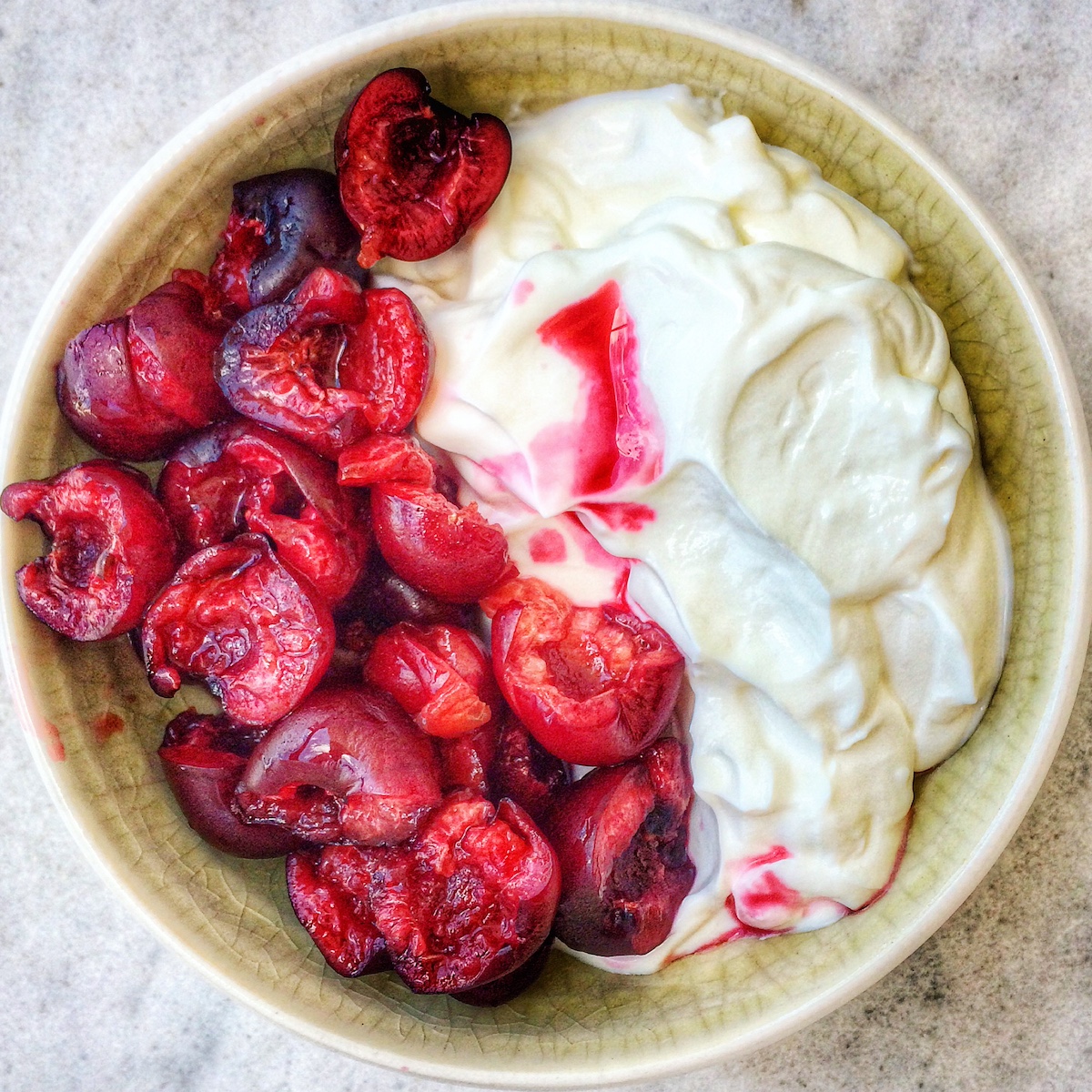
Translating these clinical metrics into practical dietary choices requires an understanding of where these compounds are found and how much is needed to achieve the therapeutic threshold of 50 milligrams per day. Anthocyanins are not universally distributed across the plant kingdom; rather, they are concentrated in specific pigmented foods. Prominent sources include dark berries such as blueberries, blackberries, raspberries, and elderberries, as well as tart cherries, red grapes, plums, pomegranates, and blood oranges. Beyond fruits, several vegetables and grains boast high concentrations of these pigments, most notably purple sweet potatoes, red cabbage, radishes, black carrots, red onions, and the skin of eggplants. Generally speaking, consuming approximately a half-cup serving of these pigmented produce items is sufficient to meet or exceed the 50-milligram benchmark identified in the clinical literature.
The implications of this research extend far beyond individual superfoods, aligning closely with the principles of traditional dietary frameworks such as the Mediterranean diet. Nutrition experts emphasize that the health benefits derived from anthocyanins are maximized not through the isolated consumption of single trendy fruits, but through a diverse, culturally rooted, and seasonally varied eating pattern. Elena Paravantes, a registered dietitian nutritionist and specialist in the Mediterranean diet, notes that traditional dietary habits naturally incorporate a wide rotation of plant compounds precisely because food availability shifts throughout the year. For instance, eggplants and summer berries are consumed in abundance during the warmer months, while cruciferous vegetables, apples, and root crops dominate the colder seasons. This seasonal rotation ensures a broad-spectrum intake of various polyphenols rather than an over-reliance on a single dietary source, fostering metabolic resilience and long-term health stability.
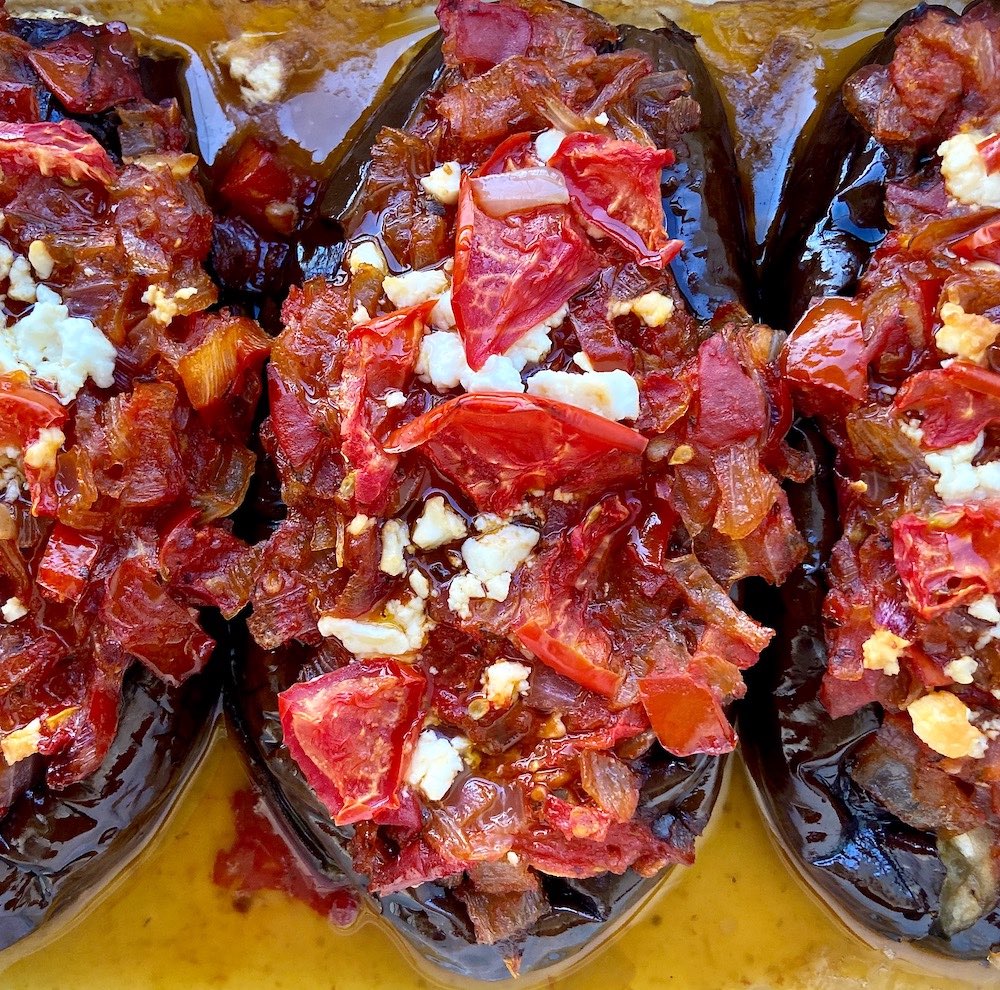
Public health nutritionists and clinical dietitians have increasingly advocated for practical, low-barrier strategies to integrate these pigment-rich foods into everyday meals. Simple culinary adjustments—such as tossing a handful of frozen blueberries into morning oatmeal, incorporating shredded red cabbage into lunchtime salads, snacking on fresh cherries, or roasting purple root vegetables as a side dish—can effortlessly elevate a daily diet to meet the optimal 50-milligram threshold. Because anthocyanins are water-soluble and concentrated primarily in the outer skins and deep tissues of plants, culinary preparation methods that preserve the peel—such as consuming unpeeled apples, plums, and eggplants—maximize nutrient retention. Furthermore, gentle cooking techniques or consuming these foods raw helps prevent the degradation of these delicate heat-sensitive compounds.
The broader public health implications of these findings are profound, particularly as healthcare systems globally grapple with the mounting economic and social costs of chronic illnesses. Cardiovascular disease and type 2 diabetes remain leading causes of morbidity and mortality in industrialized nations, driving an urgent need for preventative, cost-effective lifestyle interventions. Traditional pharmaceutical approaches, while vital, are frequently reactive rather than preventative. By identifying specific, measurable dietary components like anthocyanins that actively improve endothelial function and suppress systemic inflammation, the medical community can offer targeted dietary guidance that empowers patients to take proactive control of their vascular and metabolic health.
As regulatory bodies and nutritional scientists continue to refine dietary guidelines, the emphasis on whole, minimally processed plant foods reinforced by rigorous biochemical data remains a cornerstone of modern medicine. The comprehensive review in The American Journal of Clinical Nutrition bridges the gap between traditional dietary wisdom and molecular science, proving that the ancient advice to consume a colorful array of foods is backed by measurable physiological protection. As future research explores the bioavailability of different anthocyanin sub-classes and their interactions with the human gut microbiome, the role of plant pigments in clinical nutrition is poised to expand even further, cementing the colorful contents of the produce aisle as an indispensable component of preventative healthcare.