The intersection of digital influence, algorithmic misinformation, and shifting consumer habits defines the contemporary media landscape as of mid-October 2026. This week’s developments highlight a disparate range of topics, from the psychological toll of artificial intelligence on human purpose to the legal and social consequences of viral misinformation campaigns on social media platforms. Simultaneously, culinary trends continue to evolve, with home-cooking enthusiasts increasingly turning to niche, artisanal flavor profiles such as banana-infused syrups and tropical-inspired hydration supplements.
The Human Cost of Digital Misinformation
A growing body of reporting has recently examined the catastrophic impact of unverified accusations amplified by social media influencers and amateur content creators. Two recent features in The New York Times serve as case studies for the volatility of internet-driven reputations. The first, detailing the fallout of the F-Factor diet controversy, explores how influencer-led campaigns can dismantle a business entity through persistent, unverified claims. The case illustrates the limitations of platform-based remediation, where a "pinned post" apology often fails to mitigate years of sustained reputational and financial damage.
Parallel to this is the account of a professor who found their life upended after a TikTok tarot card reader publicly accused them of involvement in a quadruple homicide. This instance underscores a systemic vulnerability in the digital ecosystem: the speed at which speculative content can be disseminated often outpaces the verification processes of traditional journalism or legal fact-finding. In both instances, the common denominator is the "post-truth" behavior of online communities that prioritize narrative velocity over factual accuracy. Analysts suggest that these events are not isolated anomalies but are symptomatic of a broader societal shift where the internet frequently adjudicates guilt before evidence is ever presented in a court of law.
Artificial Intelligence and the Existential Crisis of Labor
The discourse surrounding the rapid integration of artificial intelligence into professional sectors has moved beyond technical efficiency to address existential concerns. A recent episode of the NYT Daily podcast, titled "When A.I. Comes for Your Purpose in Life," has resonated deeply with professionals in creative and analytical fields, including mathematics.
The discussion centers on the psychological displacement caused by algorithmic automation. As AI models demonstrate an increasing capacity to perform complex, logic-based tasks that were once considered the exclusive domain of human mathematicians, the traditional sense of "purpose" associated with labor is undergoing a radical reassessment. For many, the transition is not merely economic but deeply personal, as the human capacity for "slow, bumbling, curious, and weary" inquiry is contrasted against the cold, high-speed output of machine learning. Experts in human-computer interaction note that this anxiety reflects a wider struggle to define human value in an era where cognitive labor is no longer a distinct human advantage.
Culinary Evolution and the Rise of Artisanal Home Ingredients
In the domestic sphere, culinary habits are increasingly characterized by the adoption of sophisticated, small-batch flavorings that bridge the gap between cafe-quality beverages and home-based preparation. The recent surge in the popularity of "Banana Bread Syrup"—a recipe gaining traction among home cooks—reflects a trend toward sensory-rich, nostalgic flavor profiles that can be easily integrated into daily routines like coffee consumption.
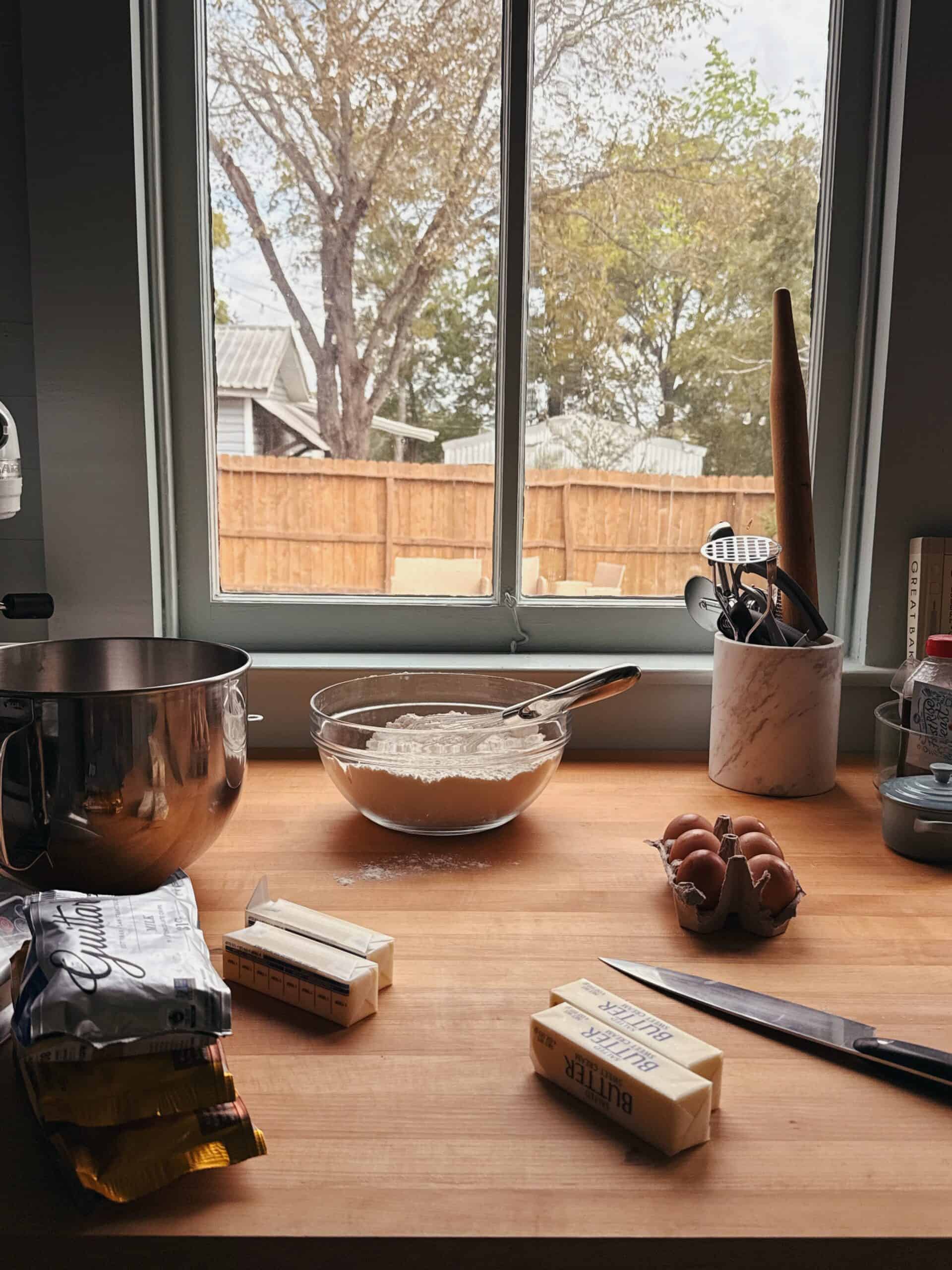
Market data indicates that consumers are shifting away from mass-produced flavorings in favor of recipes that offer a "premium" home experience. This trend is complemented by the growth of functional hydration products, such as pineapple-infused supplements. These products leverage the intersection of wellness and sensory gratification, providing a "fixation" for consumers who prioritize both health benefits and flavor profiles that deviate from standard water consumption.
The Mechanics of Gift-Giving and Consumer Behavior
As the 2026 holiday season approaches, consumer spending patterns are showing a preference for utility and organization. There is a discernible trend toward "consolidated gifting," where individuals opt for high-quality, functional items for their social circles rather than highly personalized, disparate gifts.
Market analysis of artisanal platforms like Etsy suggests that quilted travel organizers and modular jewelry storage solutions are currently outperforming traditional novelty items. This shift reflects a post-pandemic prioritization of travel and organizational efficiency. By focusing on items that individuals may not choose to purchase for themselves due to budget constraints or "splurge" hesitation, shoppers are effectively utilizing utility as a primary metric for gift value. This behavioral trend suggests that the 2026 holiday market may see an increase in sales for items that offer long-term organizational utility over ephemeral or purely aesthetic goods.
Chronology of Recent Digital Shifts
- Early October 2026: Reports emerge regarding the lingering legal and social fallout of the F-Factor diet controversy, highlighting the inadequacy of social media apologies in mitigating professional damage.
- October 12, 2026: A personal narrative is published detailing the extreme consequences of false accusations leveled by a TikTok content creator, bringing the issue of "algorithmic vigilantism" to the forefront of national discourse.
- October 13, 2026: Analysis of the impact of AI on professional mathematicians and creative thinkers prompts a widespread public conversation regarding the intersection of machine learning and human purpose.
- Mid-October 2026: Culinary trends consolidate around artisanal coffee additives and wellness-focused hydration packets, signaling a shift in consumer spending toward elevated home-based consumables.
Implications for the Digital Future
The intersection of these seemingly disparate events—from the emotional response to mathematical automation to the legal ramifications of influencer misinformation—reveals a society grappling with the velocity of change.
Regarding misinformation, legal experts are increasingly calling for a more robust framework to address the "court of public opinion" on platforms like TikTok and Instagram. While Section 230 of the Communications Decency Act currently protects platforms from liability for user-generated content, the real-world harm caused by defamation in these spaces is leading to a push for more stringent community guidelines and potential legislative intervention.
Furthermore, the "crisis of purpose" cited by those in mathematical and creative fields suggests that the future of the workforce will require a greater emphasis on soft skills—empathy, complex judgment, and curiosity—which remain difficult for AI to replicate. As the global economy adjusts to these new realities, the focus for both individuals and corporations will likely shift toward finding a balance between technological utility and the preservation of human-centric values.
The upcoming holiday season serves as a microcosm of this broader search for stability. By investing in physical, organized, and tangible goods, consumers are attempting to ground themselves in a period characterized by rapid digital flux. Whether through the preparation of a handmade syrup or the intentional selection of a thoughtful gift, the current cultural moment emphasizes the necessity of small, human-scale rituals as a counterbalance to the overwhelming nature of the digital age. As we move into the final quarter of 2026, the priority remains clear: protecting the "tender, bumbling, and curious" aspects of the human experience against the backdrop of an increasingly automated and unverified digital world.