The Ultimate Fusion: How Banana Bread Scones Are Redefining Morning Pastries in Modern Baking

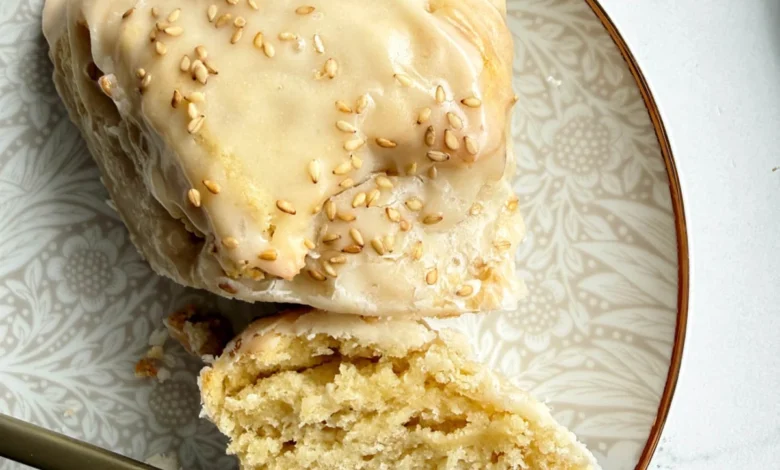
The culinary landscape of morning baked goods has long been divided between the comforting, dense loaf of traditional banana bread and the delicate, flaky layers of a classic bakery scone. For decades, home bakers and professional pastry chefs alike viewed these two items as fundamentally distinct categories, each satisfying a different craving. However, a recent innovation shared by prominent baking developers is successfully bridging this culinary divide. By introducing a hybrid pastry that marries the rich, caramelized flavor of overripe bananas with the lofty, butter-laminated structure of a traditional scone, the baking community has sparked a renewed interest in texture-focused breakfast innovation. This development highlights an ongoing industry shift toward cross-category comfort foods that maximize both flavor profile and structural integrity.
The Evolution of Breakfast Pastry Hybrids
The history of the scone traces back to Scottish quickbreads cooked on griddles, which eventually evolved into the oven-baked, wedge-shaped treats popularized across British and American tea rooms. Traditionally, scones rely on a delicate balance of cold butter, flour, and dairy, mixed minimally to prevent gluten development and ensure a tender crumb. Conversely, banana bread emerged as a staple of American resourcefulness during the Great Depression, utilizing overripe fruit to create a moist, chemically leavened loaf rich in potassium and natural sugars.
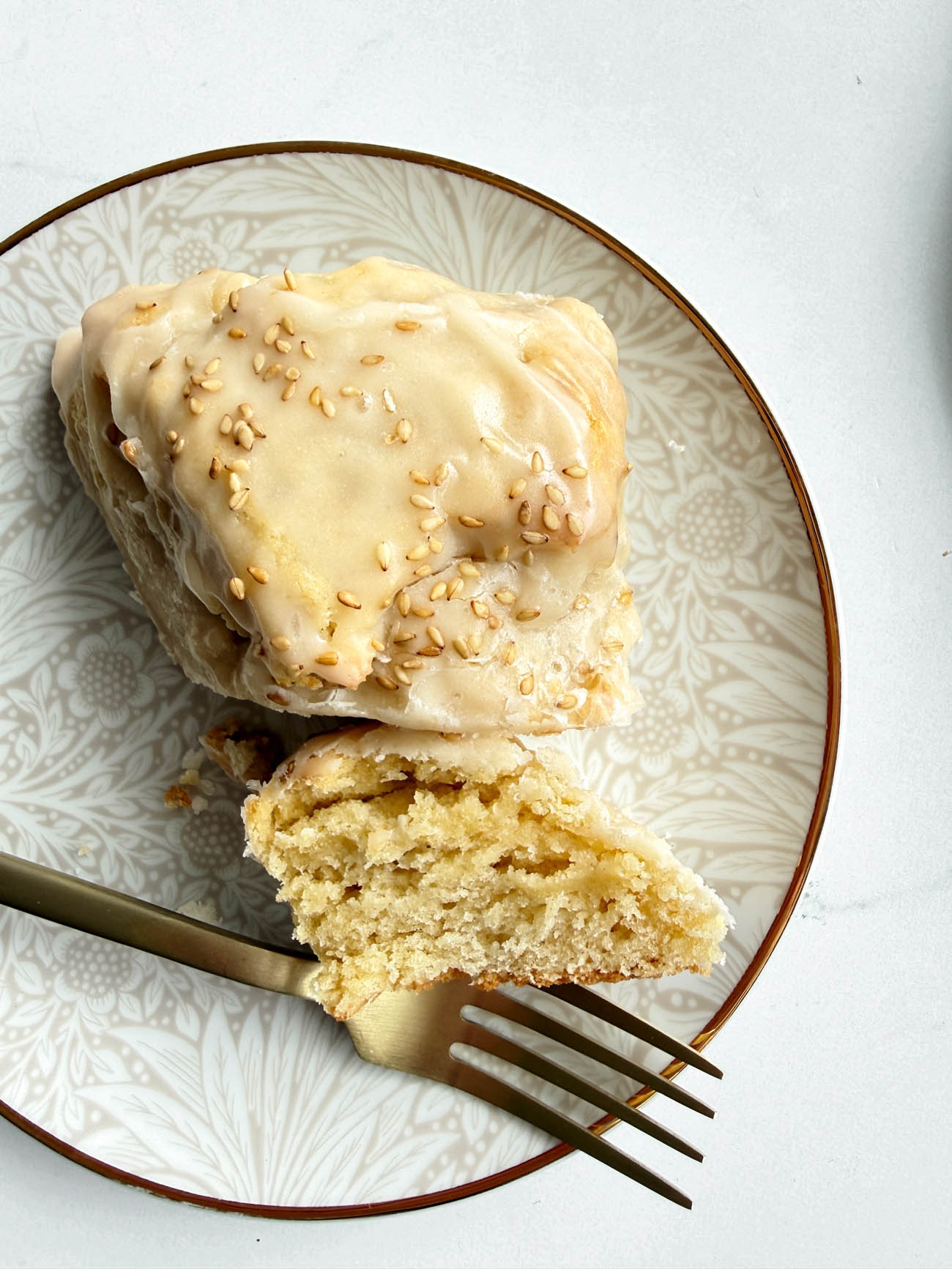
Blending these two divergent techniques presented a distinct thermodynamic and structural challenge for developers. Pure banana purée introduces significant moisture, which typically inhibits the formation of the flaky, separated layers characteristic of high-end scones. To overcome this, contemporary recipe developers have implemented a multi-step dough-folding technique. By incorporating the banana elements carefully and laminating the dough through repeated folding phases, bakers can achieve a tall, lofty rise without compromising the dense, rich flavor notes inherent to banana bread.
Technical Innovations in Scone Production
Creating a consistent, structurally sound pastry requires careful attention to ingredient ratios and environmental variables within the kitchen. According to leading culinary methodology, several specific technical adjustments are necessary to execute the banana bread scone hybrid successfully:
- Temperature Management: Keeping butter cold until it hits the hot oven is critical. The water in the butter evaporates during baking, creating steam pockets that result in flakiness.
- Dough Lamination: Folding the dough over itself multiple times aligns the butter and flour layers, ensuring the scone expands vertically rather than spreading flat on the baking sheet.
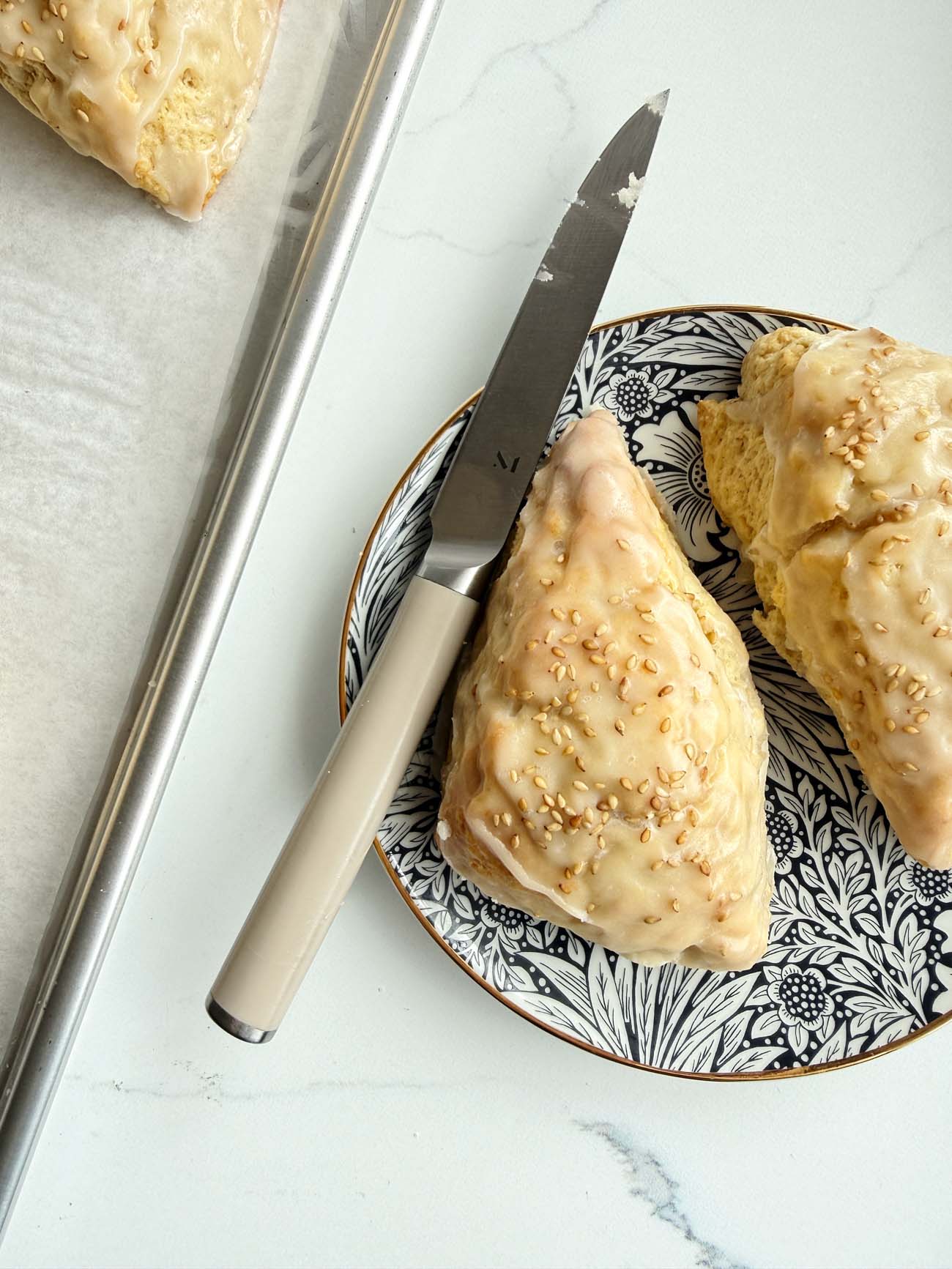
- Thermal Control via Double-Panning: Utilizing a secondary baking sheet nested directly beneath the primary pan prevents the bottoms of the scones from caramelizing or burning before the interior structure has fully set.
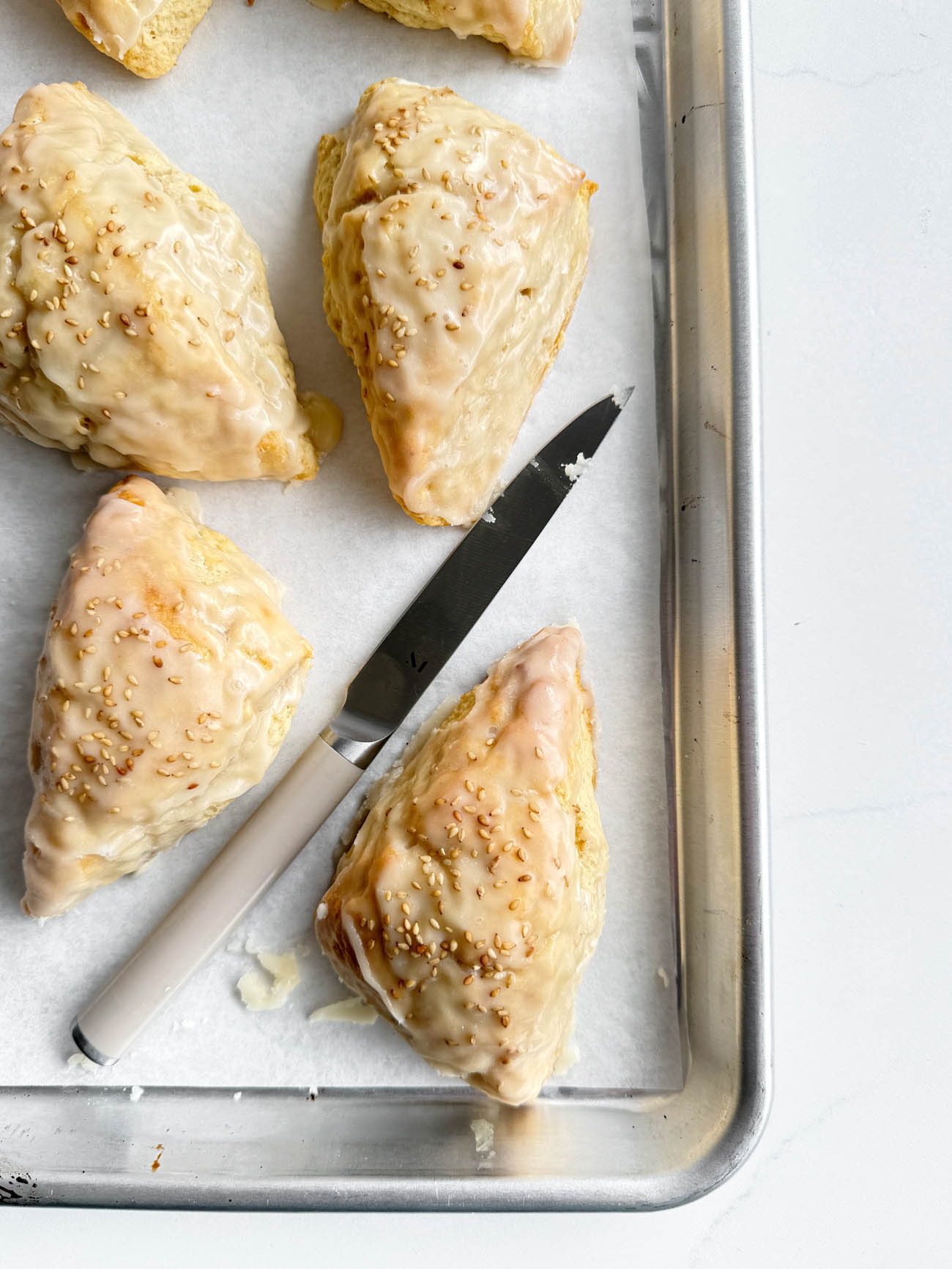
- Shape Retention: Because banana additions can add weight and uneven moisture distribution, monitoring the baking process allows pastry chefs to manually adjust wedge tips that might slip during the initial heat expansion.
Furthermore, preparation flexibility has become a major selling point for modern consumers. Modern recipes are increasingly designed with make-ahead freezing capabilities in mind. Scones can be shaped, cut into wedges, and frozen for up to two weeks. This allows home consumers to bake single servings directly from a frozen state, matching the convenience demands of contemporary fast-paced lifestyles while maintaining artisanal quality.
Flavor Profiles and Ingredient Selection
While the base of the pastry relies on the marriage of banana and flour, the finishing components play an essential role in defining the final product’s market appeal. Traditional scones are frequently finished with simple glazes or coarse sugar dustings. In this latest iteration, developers have turned to complex flavor pairings, notably toasted sesame oil.
The inclusion of toasted sesame introduces a nutty, savory depth that cuts through the natural sweetness of the banana and the rich dairy fats in the pastry. Industry analysts note that consumers are increasingly seeking out complex, globally inspired flavor profiles even in traditional comfort foods. For individuals with dietary restrictions or specific palate preferences, substitutions such as dark rum or water can replace the sesame oil without compromising the adhesive quality of the glaze, which acts as a moisture seal to keep the interior tender for hours after baking.
Ergonomics and Commercial Adaptability in the Kitchen
An overlooked aspect of modern baking development is the adaptation of classic techniques to accommodate the physical well-being of the baker. Traditional scone recipes heavily emphasize the use of hand-held pastry blenders to cut cold butter into flour. However, extensive repetition in professional and home kitchens frequently leads to chronic wrist strain and repetitive motion injuries.
The integration of stand mixers into the initial cutting phase represents a significant ergonomic improvement. By utilizing a paddle attachment to incorporate butter down to the size of small peas, bakers can significantly reduce physical stress on their joints. Wet ingredients and mix-ins, such as white chocolate pieces, are then gently incorporated using a spatula to preserve the structural integrity of the dough. This method balances mechanical efficiency with the delicate touch required for high-end pastry production.
Additionally, precision in measurement remains a cornerstone of successful commercial and home baking. Discrepancies in flour density—where one cup can range anywhere from 120 grams to 142 grams depending on the milling brand and packing method—frequently lead to inconsistent recipe outcomes. Standardizing measurements around specific weights and utilizing unbleached all-purpose flours with balanced protein content ensures reproducible results across diverse kitchen environments.
Broader Market Implications and Future Outlook
The rise of hybrid baked goods reflects a broader consumer trend favoring culinary nostalgia combined with novelty. As food costs fluctuate and consumers seek maximum value from pantry staples like overripe bananas, recipes that elevate everyday ingredients into gourmet experiences continue to gain traction across digital media platforms and culinary publications.
The ability to freeze, store, and bake-on-demand aligns with the growing consumer preference for waste reduction and meal-prep efficiency. By eliminating the choice between two beloved breakfast items, innovators have demonstrated that traditional baking categories remain ripe for creative disruption. As home cooking continues to blend artisanal precision with everyday convenience, the banana bread scone serves as a case study in how technical adaptation can successfully unite disparate culinary traditions into a single, cohesive product.