Transforming Your Palate: How Curated Educational Wine Clubs Are Redefining Direct-to-Consumer Tasting Experiences

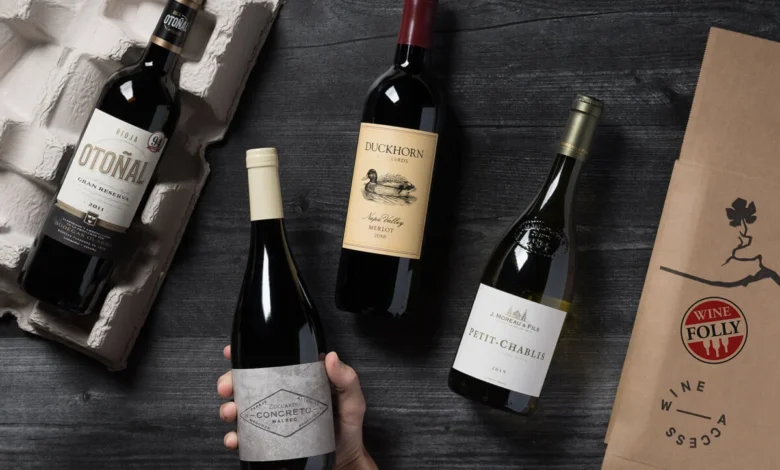
The direct-to-consumer wine landscape has undergone a dramatic transformation over the past decade, shifting away from generic monthly shipments toward hyper-curated, educational experiences. Modern consumers are no longer satisfied with merely receiving a randomized assortment of bottles at their doorstep; instead, a burgeoning segment of the market demands depth, historical context, and structured learning. Leading this charge are specialized wine clubs that bridge the gap between casual curiosity and true oenological mastery. By integrating handpicked selections from around the globe with comprehensive digital portals, tasting notes from industry professionals, and deep dives into viticultural history, these programs are fundamentally altering how enthusiasts interact with wine.
The Evolution of Direct-to-Consumer Wine Subscriptions
To understand the current boom in educational wine clubs, one must examine the broader evolution of the subscription economy within the beverage sector. Historically, wine clubs operated on a transactional model: vineyards or large retailers would aggregate surplus inventory, bundle it into quarterly or monthly boxes, and ship it to consumers based on broad preferences like red versus white. While convenient, this model lacked pedagogical value.
Over the last five years, however, consumer behavior has shifted decisively toward experiential purchasing. Data from e-commerce analytics firms indicate that subscription boxes offering an educational component retain subscribers at a rate nearly 35 percent higher than those offering purely commodity-based goods. Wine enthusiasts, spurred by the accessibility of online courses and digital content during global lifestyle shifts, began seeking out experiences that could deepen their appreciation of terroir, production methods, and regional histories without requiring formal sommelier certification.

This demand birthed a new category of wine subscription—one where the bottle serves as a tangible prop for a broader educational journey. Platforms like Wine Folly have capitalized on this trend by designing membership frameworks that treat every shipment as a masterclass. Rather than focusing solely on the liquid in the glass, these programs emphasize the producer, the specific grape varietals, historical contexts, and micro-climates that give each wine its unique profile.
Anatomy of an Educational Wine Journey
The mechanics of a modern educational wine club rely heavily on a multi-tiered approach to engagement. When a member joins a program starting at $99 per month, the experience begins well before the package arrives at their door. Through an initial onboarding questionnaire, members outline their baseline preferences, allowing curators to tailor subsequent selections.
Once the package arrives, the educational framework unfurls across several distinct dimensions:
Global Discovery and Sourcing
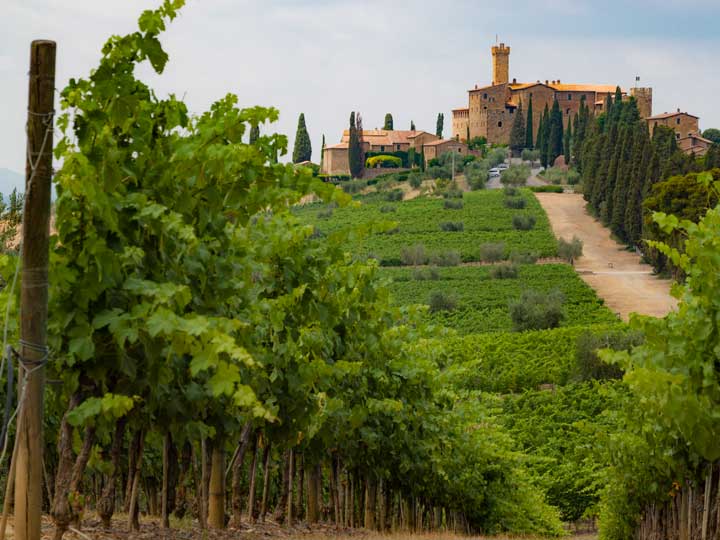
The primary hallmark of a high-end educational club is access to bottles that are frequently unavailable in standard local retail markets. Curators scour international wine regions to find small-batch producers, heritage varietals, and exceptional value wines that tell a compelling story. This selective sourcing ensures that subscribers are continually exposed to styles they might otherwise never encounter, expanding their palate beyond mass-produced commercial labels.
Deep-Dive Viticultural Profiles
Every bottle is accompanied by extensive documentation detailing the wine’s pedigree. Members explore the specific characteristics of the producer, the history of the estate, the geological composition of the vineyard region, and the nuances of the harvest year. This contextual background transforms a standard evening glass of wine into a geography and history lesson combined.
Structured Tasting and Comparative Analysis
Advanced programs encourage comparative and vertical tastings, teaching subscribers how to analyze structure, acidity, tannin levels, and aromatic compounds. By introducing concepts like side-by-side varietal comparisons and food pairing exploration, these clubs demystify the sensory evaluation process, making professional-grade tasting techniques accessible to the home enthusiast.
The Digital Ecosystem and Member Portal
In the digital age, a physical bottle of wine is only half the product. The remaining value is unlocked through robust digital ecosystems that provide access anywhere, anytime. Members-only online portals serve as centralized hubs for rich media content, video guides, and technical specifications.
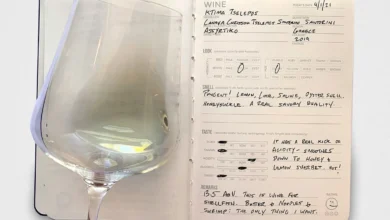
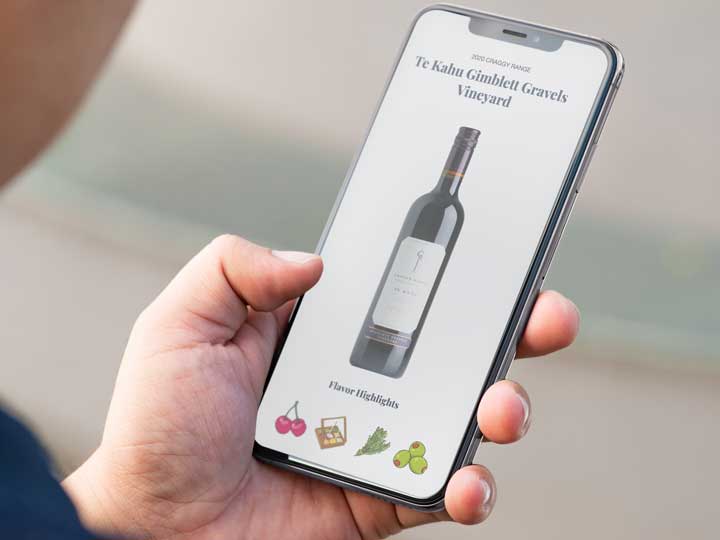
When opening a newly arrived bottle, subscribers can log into the member portal to access personal tasting notes curated by industry professionals. These notes act as a virtual guide, allowing the drinker to follow along in real-time, identifying subtle flavor notes and structural elements they might otherwise have missed. Furthermore, these digital platforms host exclusive content directly from the winemakers themselves—ranging from video walkthroughs of the vineyards to seasonal food pairing recommendations and historical anecdotes about the estate.

This seamless integration of physical goods and digital education creates an immersive community feel. Subscribers are not merely purchasing alcohol; they are enrolling in an ongoing, self-paced curriculum managed by certified experts.
Subscriber Sentiments and Market Reception
The success of this educational model is best reflected in the overwhelmingly positive feedback from active members who have integrated these clubs into their culinary routines. Across numerous reviews and testimonials, participants consistently highlight the structured format and depth of knowledge as primary differentiators.
Laura M., a long-time subscriber, praised the meticulous organization of the member experience, noting the extensive value provided by the digital portal. "I really, really, really love your entire format for this club! You have really honed this to perfection," she remarked, emphasizing her appreciation for the detailed varietal, winery, and serving information available online.
Similarly, Christine B. pointed to the role the club played in expanding her foundational knowledge. "I love the in-depth information about the wine every month, the wineries, and your experiences with each of them. Thank you so much for helping me expand my wine knowledge and of course the opportunity to sample them too!"
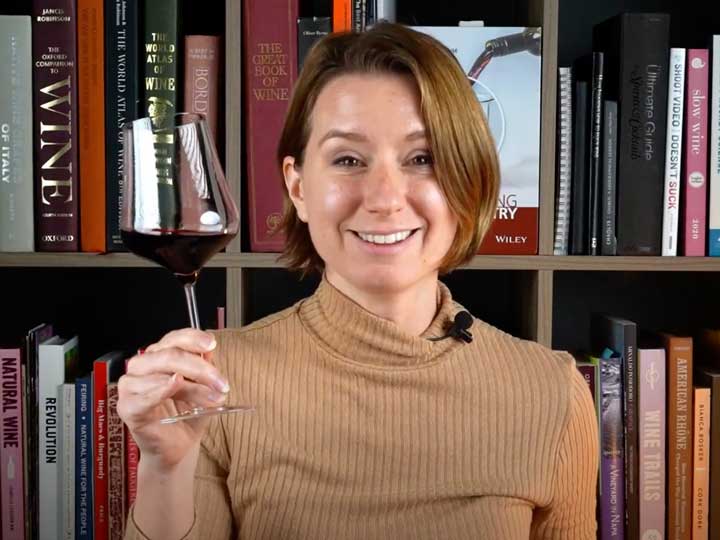
For collectors and enthusiasts living in regions with limited retail selection, the clubs offer a vital gateway to rare and international bottles. Milford C. highlighted this logistical advantage, stating, "You have brought wines that I can not source locally which is awesome. I also like comparison, vertical tasting, and exploring taste pairings. And if that is not enough, I love learning about and tasting value wines."
The Rise of Curated Wine Gifting
Beyond personal consumption, the educational wine club model has carved out a significant niche within the booming corporate and personal gifting market. Recognizing that traditional gift baskets often lack lasting utility or personalization, consumers have increasingly turned to subscription-based experiences to celebrate milestones, holidays, and professional achievements.
To accommodate this demand, premier wine clubs have structured flexible gifting tiers ranging from two to twelve months. This allows gift-givers to tailor the duration of the educational journey to the recipient’s dedication level, providing a continuous, months-long reminder of the gesture. Industry analysts note that experiential gifts—those that deliver ongoing value rather than a one-time physical item—have seen a steady double-digit increase in market share over the past four years, driven largely by millennials and generation-x consumers who prioritize memories and skill-building over material accumulation.
Economic and Industry Implications
The pivot toward educational wine curation carries profound implications for the broader wine and spirits industry, particularly for independent, family-owned vineyards.
For decades, small-scale producers struggled to gain visibility in a global market dominated by massive conglomerates with deep marketing budgets. Direct-to-consumer educational clubs provide these independent winemakers with a direct pipeline to an engaged, appreciative audience. By highlighting the human stories, traditional farming methods, and regional heritage behind each bottle, these clubs help sustain boutique wineries that might otherwise be squeezed out by commercial consolidation.
Furthermore, this trend reflects a broader consumer shift toward intentional consumption. In an era where buyers increasingly question the provenance and ethical impact of the goods they purchase, educational wine clubs offer absolute transparency. Subscribers know precisely where their wine was grown, who harvested the grapes, and under what conditions the vintage was produced.
Looking ahead, industry experts predict that the intersection of digital technology and physical subscription models will only deepen. As augmented reality tasting rooms, virtual vineyard tours, and AI-driven palate customization become more mainstream, educational wine clubs are well-positioned to remain at the forefront of the culinary landscape. By treating wine not merely as a beverage, but as a rich tapestry of history, science, and culture, these platforms have successfully elevated the everyday drinking experience from a simple routine into an art form.