
The culinary landscape of the global kitchen is anchored by a universal truth: across continents, climates, and centuries, humanity has turned to the slow-simmered pot as a primary source of nourishment and comfort. From the Caribbean basin to the high plateaus of East Africa, and from the rustic farmhouses of Mediterranean Europe to the spice-laden kitchens of Southeast Asia, the stew remains a cornerstone of cultural gastronomy. At its core, a stew is defined by simplicity—meat, seafood, or vegetables immersed in a seasoned liquid and subjected to gentle heat. Yet, the divergence of local spices, regional preservation techniques, and generational cooking traditions transforms this simple cooking method into an infinite variety of distinct national dishes.
Recent culinary trends indicate a significant resurgence in home-based slow cooking and international recipe exploration. As global consumers increasingly look to recreate authentic dining experiences within their own kitchens, culinary archivists and food historians have cataloged an expansive repertoire of international comfort foods. This comprehensive review examines twenty-four distinct stew and curry recipes spanning diverse geographic origins, detailing their historical contexts, ingredient profiles, and technical preparation methods designed for the modern home cook.

Global Perspectives on the Art of the Stew
No-Bake Carrot Cake Energy Balls: A Reflection of Evolving Health-Conscious Snacking Trends

Anthropological and culinary studies consistently reveal that stewing emerged as one of humankind’s earliest cooking techniques, largely born out of necessity. The advent of pottery vessels thousands of years ago allowed ancient cooks to harness liquid heat, rendering tough cuts of meat tender and rendering wild grains and foraged vegetables digestible. Over millennia, these functional survival methods evolved into complex expressions of national identity.

In contemporary kitchens, the appeal of the stew extends beyond mere physical warmth during winter months. Nutritional science highlights that slow-simmering processes often break down tough collagen into gelatin, providing easily digestible proteins, while root vegetables and legumes contribute essential dietary fiber and micronutrients. Furthermore, the global appetite for authentic ethnic cuisine has driven home cooks to experiment with complex spice blends—such as Ethiopian berbere, Mexican dried chilies, and Thai curry pastes—transforming humble weeknight dinners into exercises in global geography.

Caribbean and Latin American Traditions

The culinary traditions of the Caribbean and South America reflect centuries of indigenous, African, and European exchange. These regional stews are typically characterized by vibrant heat, complex aromatics, and hearty, nutrient-dense additions.
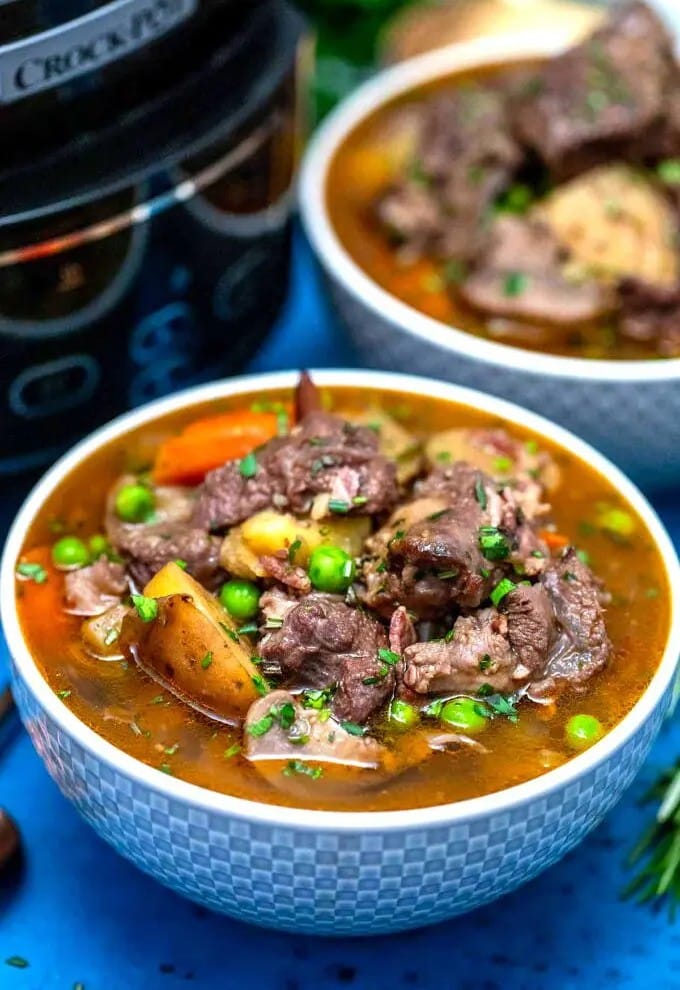
Jamaican Beef Rib Stew stands as a prime example of Caribbean comfort food, offering an intense profile of flavors. Short ribs are traditionally seared with caramelized sugar to create a deep, savory foundation before being simmered alongside allspice, fresh thyme, fiery Scotch bonnet chilies, and regional seasonings. The inclusion of butter beans transforms the dish into a substantial, protein-rich meal designed to combat cooler tropical evenings or crisp winter nights abroad.

Moving southward to Brazil, Moqueca represents a lighter, coastal approach to the stew tradition. Originating from the country’s Afro-Brazilian coastal communities, this seafood stew relies on a base of coconut milk, tomatoes, onions, and dendê (palm oil), which imparts a distinct golden hue and earthy flavor. Unlike heavy European meat stews, Brazilian moqueca requires minimal cooking time, allowing delicate fish and shellfish to absorb the aromatic broth without losing their texture. It is classically served alongside rice and farofa (toasted cassava flour).

In the high altitudes of Peru, Carapulcra offers an ancient culinary heritage rooted in the Andes. This traditional pork stew is uniquely distinguished by its use of dehydrated potatoes (papa seca), which absorb the rich flavors of the broth, alongside ground peanuts and ají panca—a mild, smoky, and fruity Peruvian chili pepper. The dish’s history stretches back to pre-Columbian times, showcasing indigenous preservation methods merged with Spanish colonial ingredients.
European Classics: From French Bourguignon to Greek Yahni

European stewing traditions are deeply tied to regional agriculture, winemaking, and pastoralism. These dishes often emphasize prolonged cooking times, wine or stock reductions, and robust herb profiles.
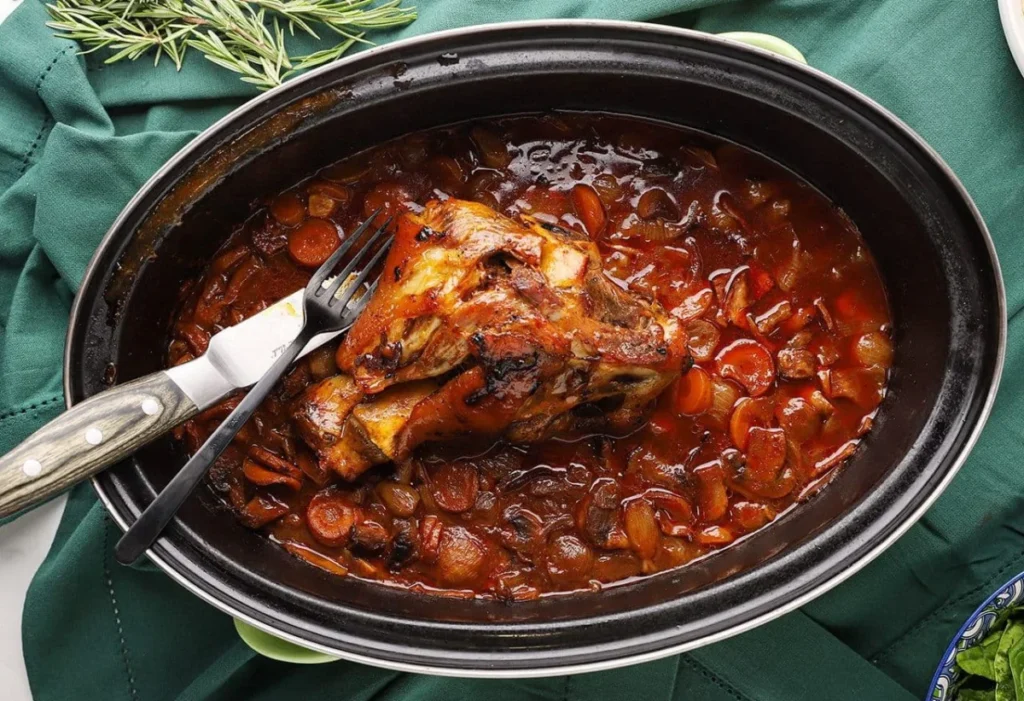
While Beef Bourguignon remains the undisputed global ambassador of French wine-braised stews, Pork Bourguignon offers an equally compelling alternative. Utilizing pork shanks, thick-cut bacon, and wild mushrooms simmered in a red wine and cognac reduction, this variation yields a silky sauce and exceptionally tender meat. Culinary historians note that substituting pork for beef adapts well to rural French traditions where pork was historically the primary farm-raised protein.

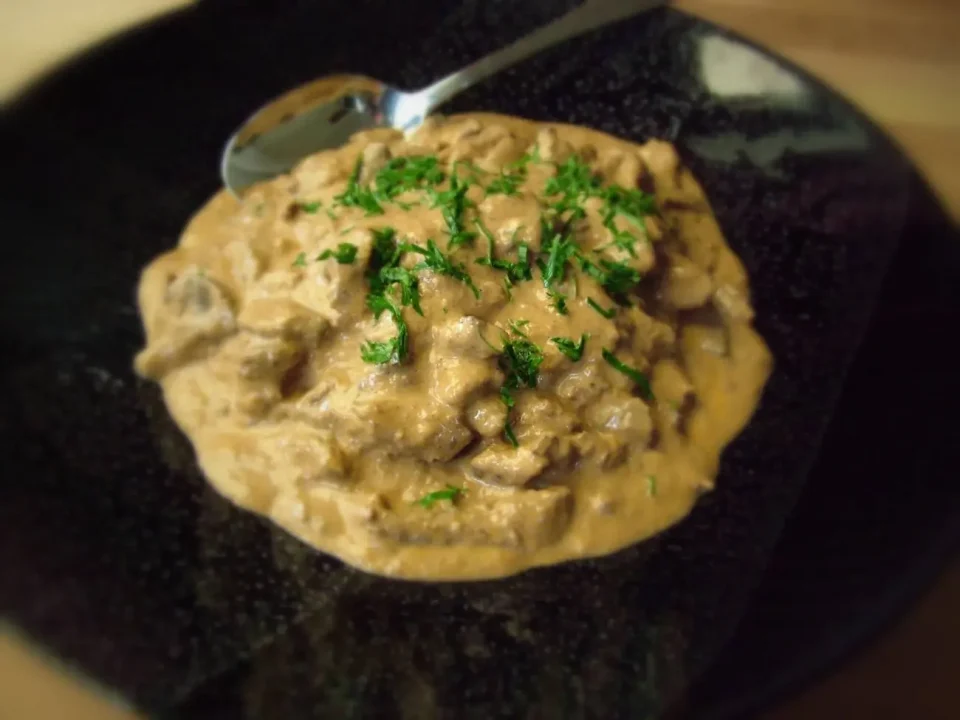
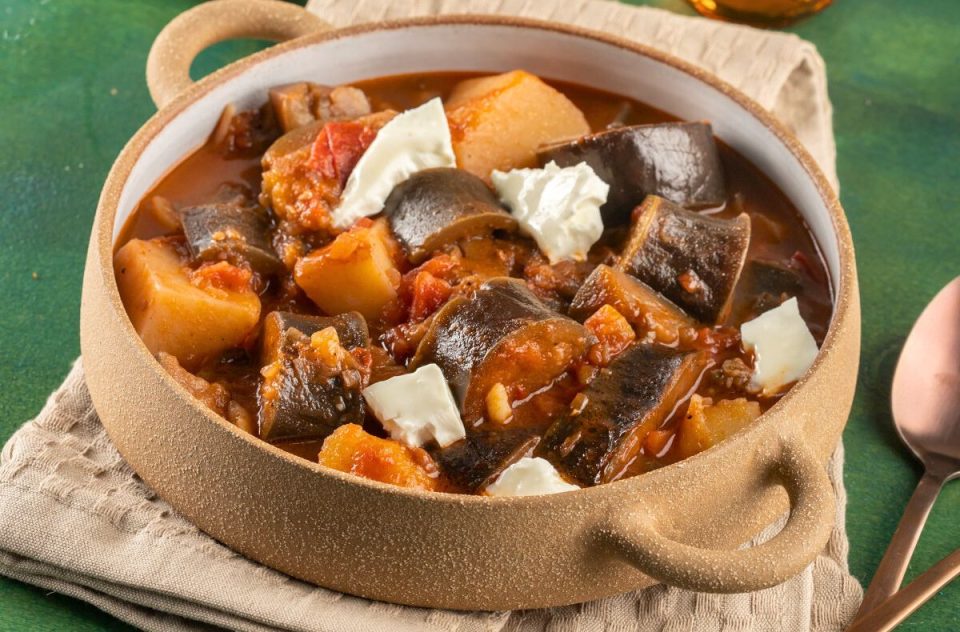
In Southern Europe, Greece contributes several distinct profiles to the global stew canon. Spentzofai is a rapid, high-impact dish hailing from the Peloponnese region, combining spicy country sausages and bell peppers in a rich tomato sauce balanced with a sweet-and-sour note of oxymel. Conversely, Greek Spanakorizo or eggplant-based stews like Yahni demonstrate the Mediterranean proficiency in vegetable-forward cooking. Yahni pairs tender eggplant and potatoes in a concentrated tomato base, finished with a crumble of authentic feta cheese.
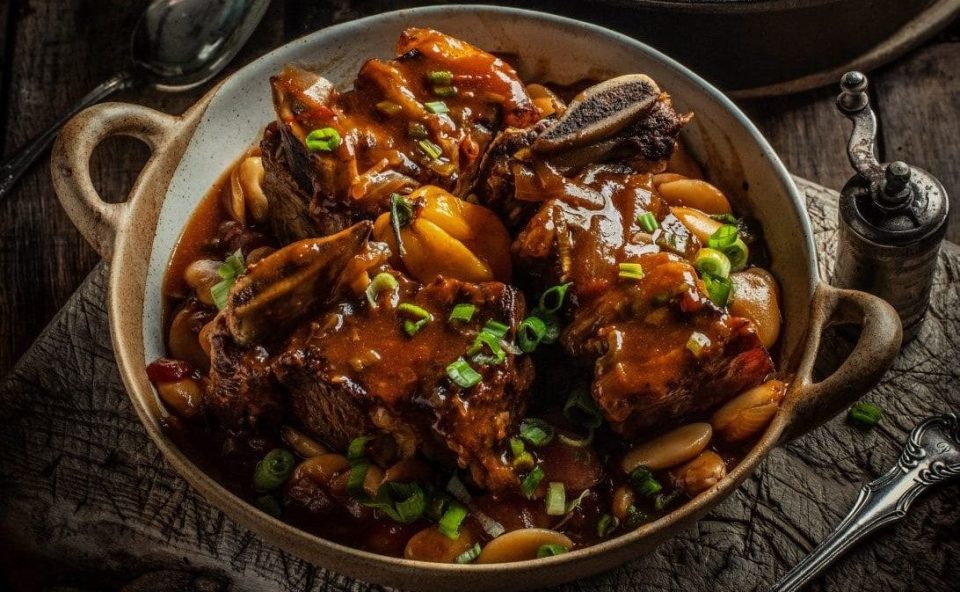
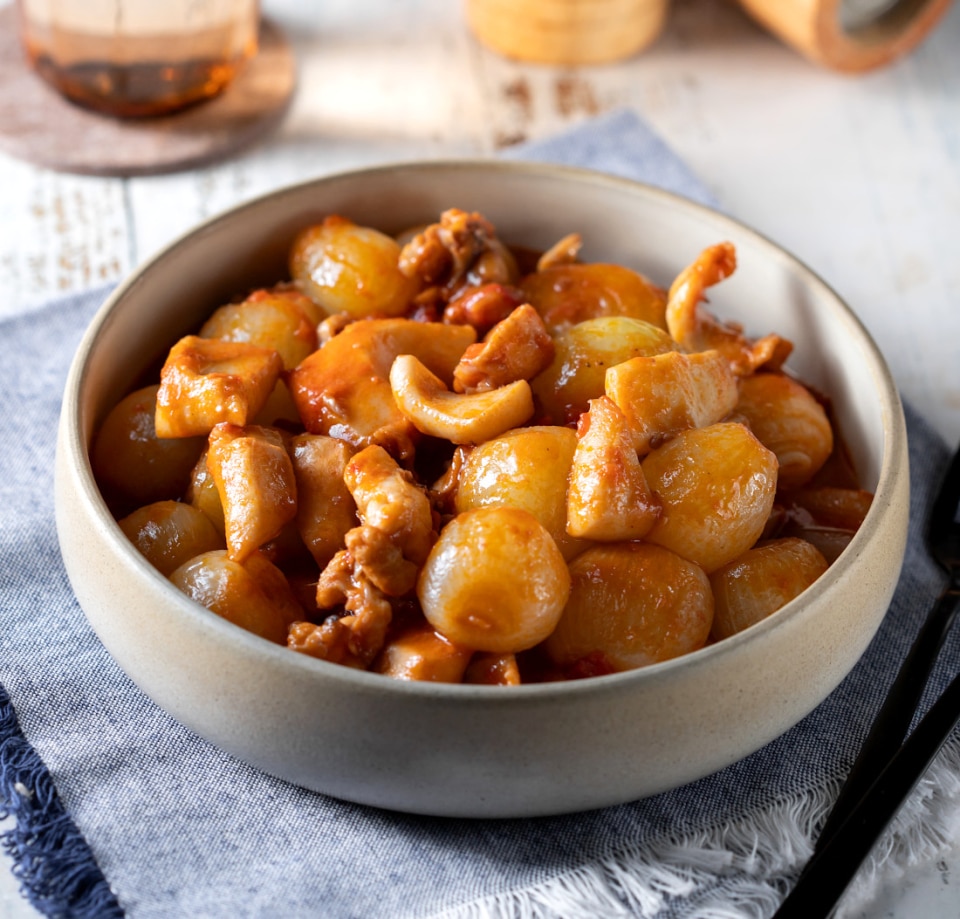
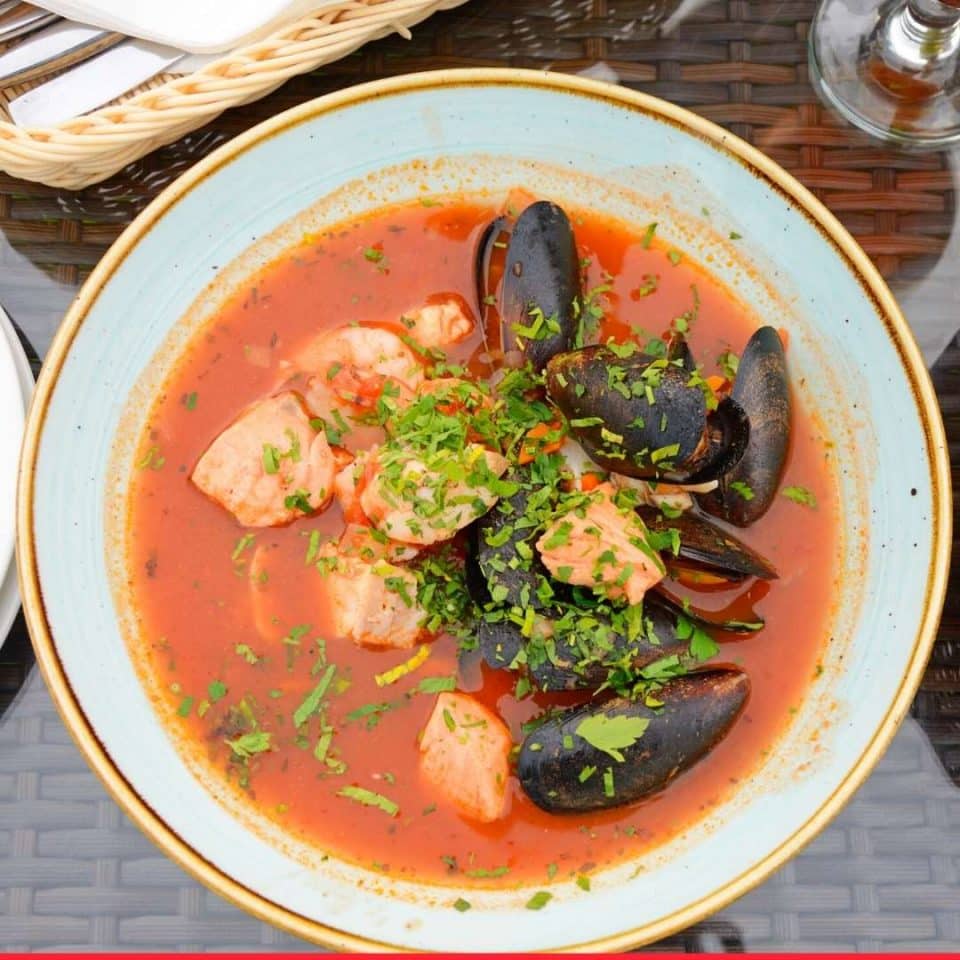
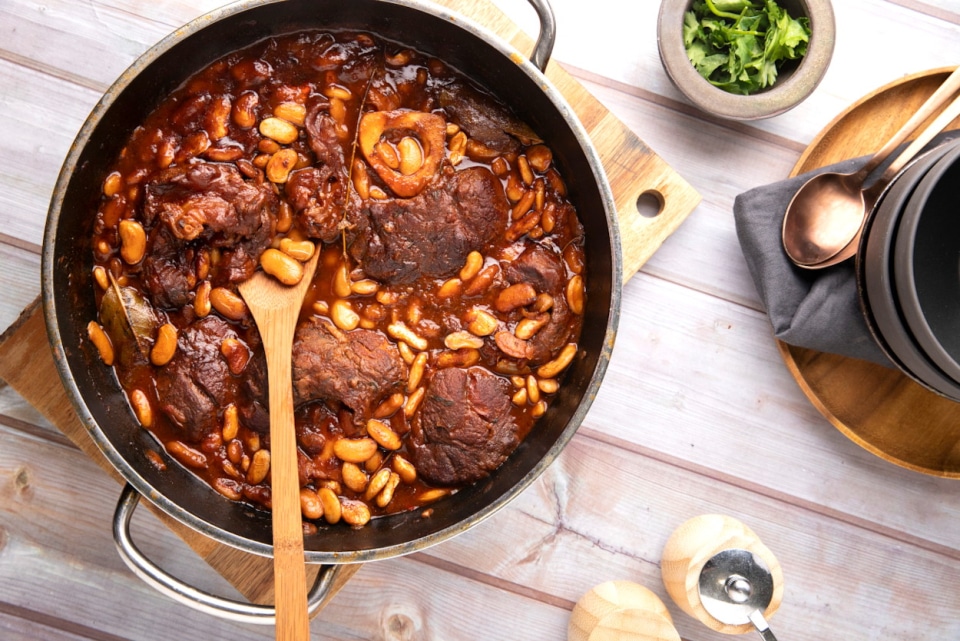
For a more intricate European preparation, Northern Italian and Maltese Rabbit Stews (Stufat tal-Fenek) utilize white wine, garlic, rosemary, and bay leaves to gently break down lean rabbit meat until it falls off the bone. Paired traditionally with golden, pan-fried polenta, these dishes represent the height of rustic European comfort cooking. Other regional classics include the iconic French Bouillabaisse—a Marseille fisherman’s stew featuring an array of fresh seafood infused with saffron, fennel, and pastis—and the rich, marrow-centric Italian Osso Buco, often enhanced here with slow-simmered beans rather than traditional risotto.
African Heritage: Rich Spices and Deep Flavors
African stews and soups are celebrated for their sophisticated layering of spices, intense aromatics, and ability to create deeply satisfying meals from accessible, plant-based, or protein-rich staples.

Ethiopian Shiro Wat is a foundational dish of East African cuisine, demonstrating that a stew requires neither meat nor heavy root vegetables to achieve profound depth. Composed primarily of shiro flour (finely ground chickpeas or split peas) and berbere—a complex, fiery spice blend containing chili peppers, fenugreek, garlic, and ginger—shiro wat yields a velvety, thick consistency. It is traditionally served atop spongy injera flatbread, functioning as both communal meal and cultural artifact.
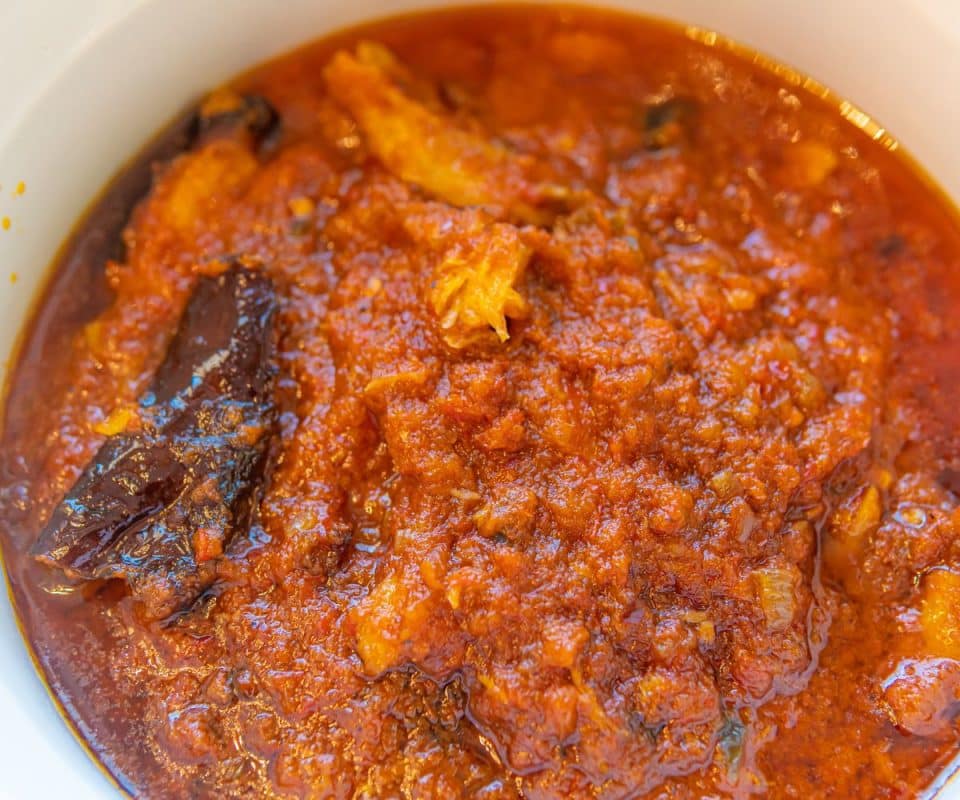
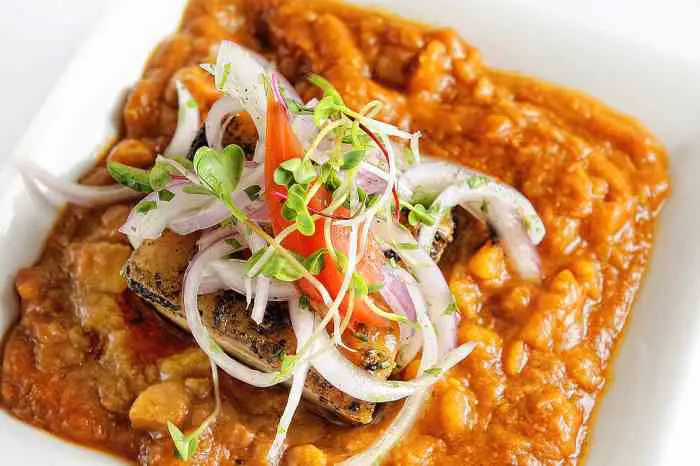
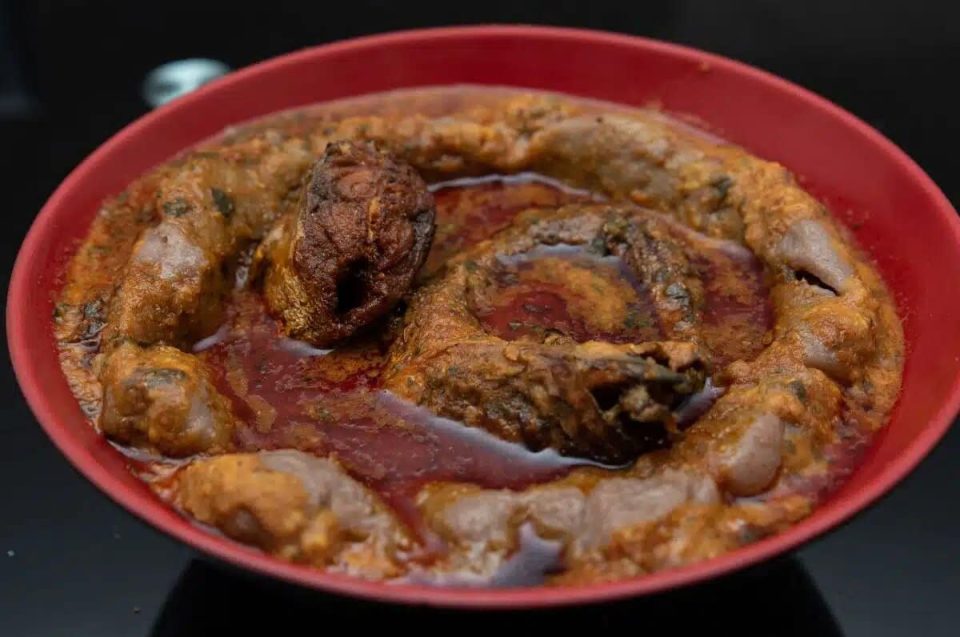
In West Africa, Nigerian Tomato Stew serves as the absolute backbone of domestic cooking. The preparation begins by blending and boiling down a mixture of fresh tomatoes, Scotch bonnet peppers, onions, ginger, and garlic to completely eliminate water content. The paste is then fried in oil until sweet and concentrated, after which chicken, beef, goat, or fish is added. This technique produces a vibrant, intensely savory base that accompanies rice, fried plantains, or boiled yams. Similarly, Fante Fante, a Ghanaian coastal fish stew originating from the Fante people, utilizes firm white fish simmered rapidly in a spiced tomato and garden-egg broth, designed to be eaten with fermented corn dough accompaniments like banku.

Asian Curries and Spice-Driven Stews
While culinary terminology often distinguishes between European stews and Asian curries, their foundational cooking mechanics—simmering ingredients in flavorful liquid reductions—align them closely within the global stew classification.
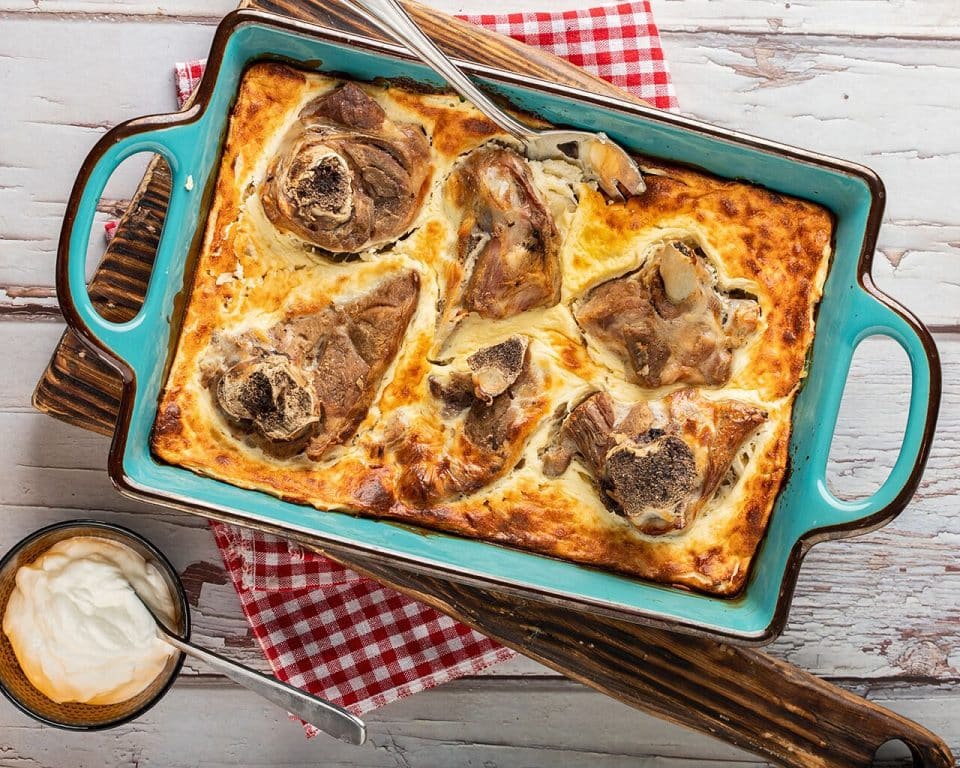
Indian cuisine offers some of the world’s most globally recognized stewed dishes. Butter Chicken (Murgh Makhani), invented in Delhi in the mid-20th century, features yogurt-and-spice-marinated chicken simmered in a velvety tomato, butter, cream, and cashew sauce scented with fenugreek and cardamom. Closely related in cultural impact is Chicken Tikka Masala, a dish deeply embedded in modern British culinary culture. For red meat lovers, Indian Railway Goat Goat Curry provides a historical window into the British colonial era, wherein bone-in goat is simmered with milder aromatics and warming spices like mace and cinnamon to suit Victorian palates.
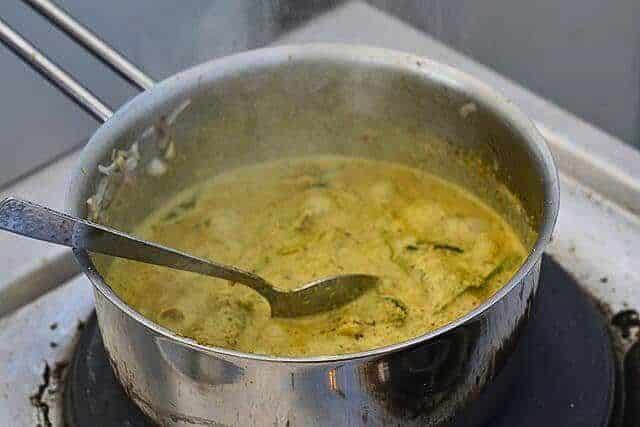
In Southeast Asia, Thai culinary traditions utilize coconut milk and complex curry pastes to create fast, vibrant stews. Thai Red Curry Beef with Bamboo pairs thinly sliced beef and crunchy bamboo shoots with red curry paste, fish sauce, and palm sugar. Regional variations occasionally incorporate unexpected ingredients, such as green apples or tropical fruits, to balance fiery chili heat with natural sweetness. Similarly, Thai Roast Duck Red Curry (Gaeng Phed Ped Yang) showcases the royal culinary heritage of balancing sweet, salty, spicy, and acidic notes by combining roasted duck breast with coconut milk, pineapple, red grapes, and Thai basil.
Concluding Analysis: The Enduring Appeal of the Slow Pot

The global compilation of these twenty-four distinct recipes underscores a unifying culinary principle: regardless of cultural boundaries, the application of moisture, heat, and time remains humanity’s most effective tool for culinary transformation. Whether utilizing the rapid, high-heat seafood infusions of coastal Brazil and West Africa or the patient, eight-hour braising traditions of French and Mexican kitchens, stews and curries fulfill a fundamental human desire for communal, deeply flavored nourishment. As home cooks continue to look outward for culinary inspiration, these international classics ensure that the global kitchen remains richly interconnected through the universal language of the simmering pot.






0 Komentar
Sampaikan opini dan diskusi yang membangun dengan bahasa yang santun.
Belum Ada Komentar
Jadilah yang pertama memberikan tanggapan mengenai berita ini.