
Penne Russo A La Vodka

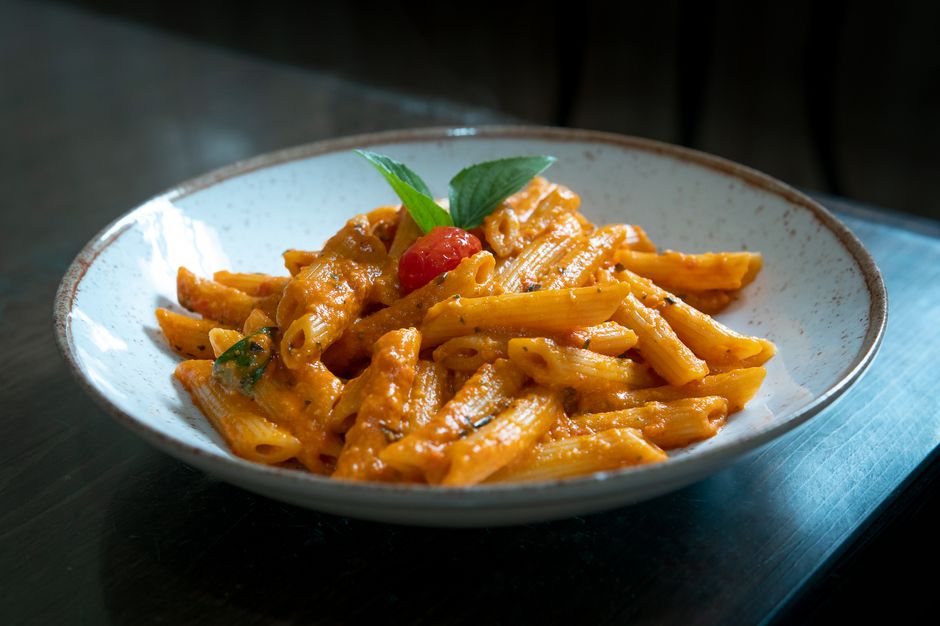
Penne Alla Vodka: A Classic Italian-American Comfort Food
Penne alla vodka, a creamy, tomato-based pasta dish infused with vodka, has cemented its status as an Italian-American culinary icon. While its exact origins remain a subject of debate, with various restaurants and individuals claiming its invention in the 1970s and 1980s, its widespread popularity is undeniable. This dish transcends simple weeknight meals, offering a comforting yet sophisticated flavor profile that appeals to a broad audience. The beauty of penne alla vodka lies in its elegant simplicity, allowing the quality of its ingredients to shine. The creamy sauce, built on a foundation of crushed tomatoes, garlic, and onions, is enriched by the surprising addition of vodka, which, when cooked, mellows into a subtle sweetness and helps to emulsify the sauce, creating a silken texture. Penne pasta, with its distinctive ridged tubes, is the perfect vehicle for this rich sauce, capturing every delicious drop. This article will delve into the nuances of creating an exceptional penne alla vodka, exploring ingredient selection, preparation techniques, variations, and the science behind its unique flavor.
The foundational elements of a superb penne alla vodka begin with high-quality ingredients. For the pasta, penne rigate is the undisputed champion. The "rigate" refers to the ridges on the exterior of the penne, which are crucial for gripping the sauce. While smooth penne exists, it lacks the textural contrast and sauce adherence that makes rigate so effective. Opt for a good quality durum wheat semolina penne, ideally bronze-cut if available, as this process creates a rougher surface that further enhances sauce adhesion. When it comes to the tomato base, canned San Marzano tomatoes are the gold standard. These plum tomatoes, grown in the volcanic soil of the Sarno River valley in Italy, boast a naturally sweet flavor, low acidity, and fewer seeds, resulting in a richer, more refined tomato sauce. If San Marzanos are unavailable, high-quality crushed tomatoes or passata (strained tomatoes) will suffice, but aim for brands known for their superior flavor.
The aromatic foundation of the sauce is built with fresh ingredients. Yellow onions, finely diced, provide a sweet and savory base. Garlic, minced to release its potent flavor, is essential, but its quantity can be adjusted to personal preference. For the creaminess, heavy cream (also known as whipping cream) is indispensable. Its high fat content creates a luxurious texture and richness that cannot be replicated with lighter creams or milk. Unsalted butter contributes to the sauce’s sheen and adds a subtle richness that complements the other flavors. The star ingredient, vodka, is where the dish gets its name and a significant portion of its distinctive character. While the alcohol cooks off during simmering, it plays a vital role in enhancing the flavor of the tomatoes and aiding in the emulsification of the sauce, creating a smoother, more integrated texture. A mid-range, good-tasting vodka is perfectly adequate; there is no need for premium, top-shelf spirits.
The preparation of penne alla vodka is a carefully orchestrated process that allows each component to develop its full potential. Begin by bringing a large pot of generously salted water to a rolling boil for the pasta. The salt is crucial for flavoring the pasta from the inside out. While the water heats, start the sauce. In a large skillet or Dutch oven, melt the unsalted butter over medium heat. Add the finely diced onions and sauté until they are softened and translucent, typically 5-7 minutes, being careful not to brown them. The goal is to gently sweeten the onions. Once the onions are softened, add the minced garlic and cook for another minute until fragrant, taking care not to burn it. Burning garlic will impart a bitter taste to the sauce.
Next, it’s time to introduce the vodka. Pour the measured amount of vodka into the skillet with the onions and garlic. Increase the heat slightly to medium-high and allow the vodka to simmer and reduce for 2-3 minutes. This process burns off the harsh alcohol while leaving behind its subtle flavor nuances and facilitating the emulsification process. It’s this step that truly distinguishes vodka sauce from other tomato-based sauces. Be sure to stir the mixture as it simmers to ensure even evaporation.
Once the vodka has reduced, add the crushed San Marzano tomatoes to the skillet. Stir well to combine with the onion, garlic, and vodka mixture. Bring the sauce to a gentle simmer, then reduce the heat to low, cover, and let it cook for at least 15-20 minutes, or longer for a more developed flavor. The longer the sauce simmers, the deeper and more complex its taste will become. Stir occasionally to prevent sticking.
While the sauce is simmering, cook the penne according to package directions until al dente. Al dente means "to the tooth" in Italian, indicating that the pasta should be cooked through but still possess a slight firmness when bitten. Overcooked pasta will become mushy and lose its structural integrity, failing to hold the sauce effectively. Reserve about a cup of the starchy pasta water before draining. This starchy water is a secret weapon for achieving a perfectly emulsified sauce; it contains gluten and starch from the pasta, which help to bind the sauce and create a silky texture.
Once the penne is drained and the sauce has simmered, it’s time to bring them together. Pour the heavy cream into the simmering tomato sauce and stir until fully incorporated. Allow the sauce to simmer gently for another 5 minutes, or until it has thickened slightly and achieved a luscious, creamy consistency. Season the sauce generously with salt and freshly ground black pepper to taste. A pinch of red pepper flakes can be added at this stage for a subtle touch of heat, if desired.
Now, add the drained penne directly into the skillet with the sauce. Toss the pasta gently with the sauce, ensuring that each piece is thoroughly coated. If the sauce appears too thick, add a splash of the reserved pasta water, a tablespoon at a time, until the desired consistency is reached. The starch in the water will help to loosen the sauce and further emulsify it with the pasta.
A crucial finishing touch for authentic penne alla vodka is the addition of freshly grated Parmesan cheese. Stir in a generous amount of finely grated Parmigiano-Reggiano cheese into the sauce and pasta mixture. The cheese will melt into the sauce, adding another layer of salty, nutty flavor and contributing to its creamy texture. Reserve some extra Parmesan for garnishing.
Serving penne alla vodka is typically done immediately after it’s finished. Garnish each plate with additional freshly grated Parmesan cheese and, if desired, a sprinkle of fresh basil leaves or a drizzle of high-quality extra virgin olive oil. The freshness of the basil provides a bright contrast to the richness of the sauce.
Variations on the classic penne alla vodka abound, allowing for personalization and adaptation to different dietary preferences or flavor profiles. For a heartier dish, sautéed pancetta or Italian sausage can be added alongside the onions and garlic in the initial stages of sauce preparation. Chicken, cut into bite-sized pieces and pan-seared or grilled, can also be incorporated. For a vegetarian or vegan version, vegetable broth can be used in place of some of the vodka, and a plant-based cream alternative, such as cashew cream or coconut milk (full-fat for richness), can substitute for dairy cream. Nutritional yeast can be added to vegan versions to mimic the cheesy flavor of Parmesan. Some recipes also include a touch of tomato paste, sautéed with the onions and garlic, to deepen the tomato flavor and add a touch of umami. For those who prefer a spicier kick, a generous pinch of red pepper flakes is often added to the sauce.
The science behind penne alla vodka’s unique flavor profile is fascinating. The vodka, upon heating, undergoes a process called evaporation, where the alcohol content dissipates. However, the non-volatile flavor compounds present in the vodka remain. These compounds interact with the other ingredients, particularly the tomatoes and cream, enhancing their sweetness and complexity. The alcohol in vodka also acts as a solvent, helping to break down the fatty acids in the cream and bind them with the water-based components of the tomato sauce. This process, known as emulsification, is what creates the smooth, silken texture of the sauce. Without the vodka, the sauce might be more prone to separating or appearing oily. The starch from the pasta also plays a crucial role in this emulsification, acting as a natural thickening and binding agent. The combination of fat from the cream and butter, acidity from the tomatoes, and the subtle sweetness and emulsifying properties of the vodka, all come together to create a harmonious and deeply satisfying dish.
The SEO strategy for a comprehensive article on penne alla vodka revolves around targeting relevant keywords that potential readers would use when searching for information about this dish. Primary keywords include "penne alla vodka recipe," "vodka sauce," "creamy tomato pasta," and "Italian-American pasta." Secondary keywords and long-tail phrases would encompass "how to make penne alla vodka," "best penne vodka sauce," "easy penne alla vodka," "vegetarian penne vodka," and "San Marzano tomato sauce." Incorporating these terms naturally throughout the article, particularly in headings, subheadings, and the initial paragraphs, will improve search engine visibility. High-quality, descriptive language, detailed instructions, and a thorough exploration of variations will also contribute to better search engine rankings by providing valuable and comprehensive content. Internal linking to other relevant recipes or articles on the website, if applicable, and external linking to reputable sources (e.g., information about San Marzano tomatoes) can also enhance SEO. Image optimization with descriptive alt text is also a crucial component for visual search. The extensive word count itself, when filled with valuable and unique content, signals to search engines that the article is a comprehensive resource, further boosting its ranking potential. Understanding user intent is paramount; individuals searching for "penne alla vodka" are likely looking for a recipe, tips on preparation, or information about its history. Therefore, the article must directly address these needs with clarity and detail.


